

Better workplaces perform better
People experience the workplace differently. The most effective environments recognise those differences and provide people with the choice, comfort and support they need to do their best work.
Inclusive design removes barriers and supports the full range of physical, sensory and cognitive needs people bring to the workplace. When people can navigate a space easily, focus effectively, collaborate comfortably and access resources, organisations benefit through stronger performance, engagement and retention.
Today’s workforce is more varied than ever in how people work, think and interact. Workplace design must respond to these evolving needs while supporting business goals, operational requirements and employee wellbeing.
A well-designed workplace helps people feel comfortable, supported and connected. It improves the day-to-day experience while creating an environment where individuals and teams can contribute at their highest level.
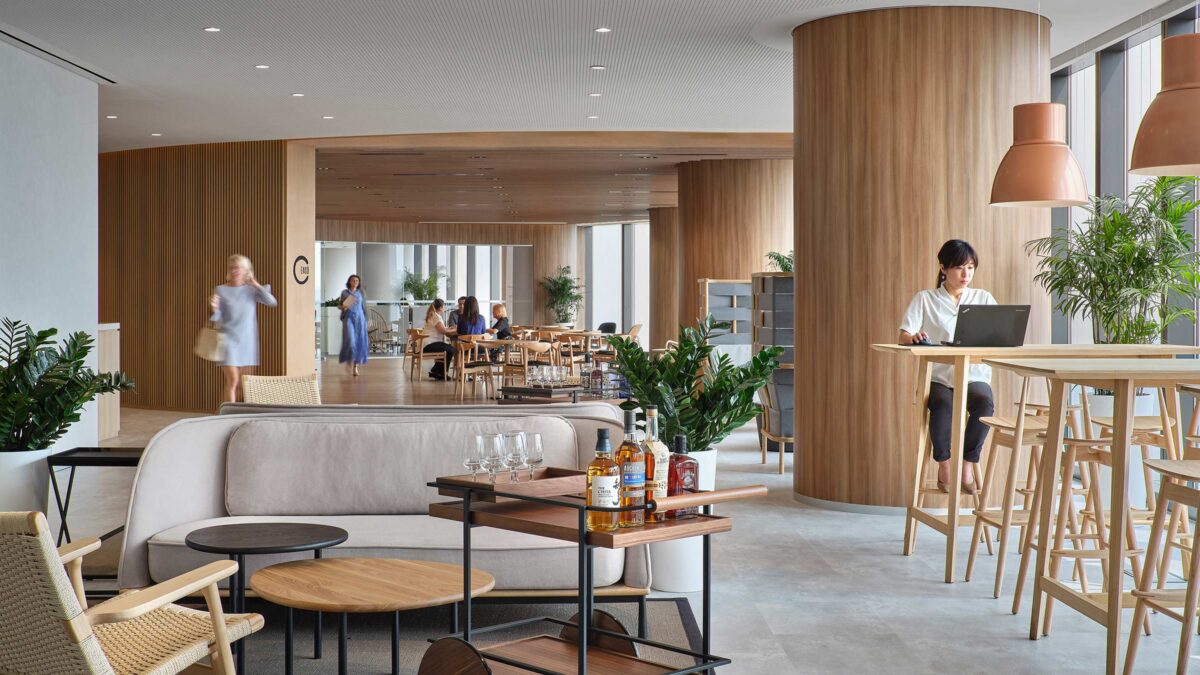
Enhancing workplace performance
By supporting a broad range of employee needs, inclusive work environments reduce friction to create a more productive, engaged and resilient workforce.
Supporting attraction and retention
Employees increasingly expect workplaces that are accessible, adaptable and responsive. Flexible and supportive environments can strengthen engagement, improve retention and enhance the employee experience.
Improving wellbeing and accessibility
Workplace design plays a significant role in comfort, health and overall experience. Factors such as acoustics, lighting, privacy, ergonomics, wayfinding and choice all contribute to environments that support wellbeing and reduce barriers to participation.
At M Moser, we integrate inclusive design principles across the full project lifecycle, from workplace strategy and design through engineering, delivery and implementation.
We begin by understanding how people work, what challenges they experience and what conditions help them perform at their best. Through research, engagement and workplace analysis, we identify opportunities to improve accessibility, comfort and usability across the employee experience.
Our approach is guided by three core principles:
The result is a workplace that performs better for more people.
Discovery
Assess your workplace and employee experience to identify opportunities for improvement. We help organisations understand current conditions, priorities and areas where accessibility and workplace performance can be strengthened.
Engagement
Facilitate workshops and employee engagement sessions to gather insights, understand needs and build alignment around future workplace goals.
Briefing
Translate research and engagement findings into a clear workplace brief that aligns employee needs, operational requirements and business objectives.
Design strategy
Develop a workplace framework that supports accessibility, wellbeing, flexibility and performance through a range of space types, settings and experiences.
Design review
Evaluate an existing workplace or design proposal and identify opportunities to improve accessibility, comfort, functionality and employee experience.