
A new wave of technological and digital innovation is rapidly transforming the pharmaceutical industry. With faster scientific breakthroughs and growing global collaboration, the workplace is evolving beyond its traditional operational role and emerging as a critical driver of organisational performance.
Today, these environments are strategic engines. They accelerate research productivity, streamlining cross-disciplinary collaboration, strengthening belonging and reinforcing scientists’ purpose.
Building on our global experience designing high-impact pharmaceutical workplaces, this article explores four industry-shaping trends that are redefining how organisations innovate, adapt and compete in a rapidly evolving pharmaceutical landscape. These trends are particularly evident across the Asia-Pacific region, while also reflecting broader global shifts in the industry.
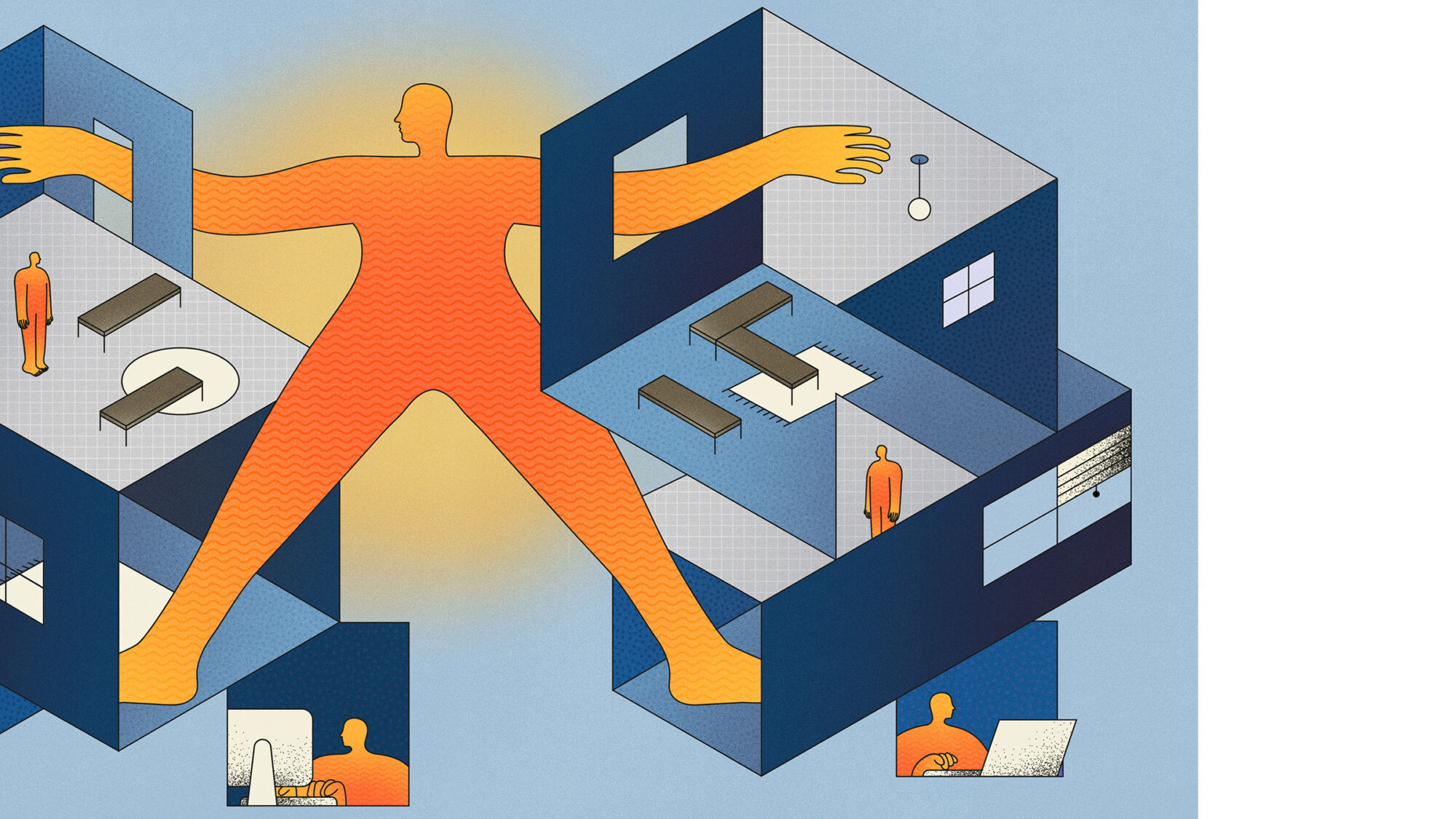
As scientific discoveries move to market faster, companies are replacing isolated lab-models with more integrated settings where research and application sit side by side. In these environments, the line between laboratory and office becomes much more fluid.
Locating labs and nearby work areas within close reach, while still meeting all safety and technical needs, gives researchers the opportunity to discuss ideas, test them and refine them in the moment. This more connected way of working helps shorten the path from early discovery to implementation.
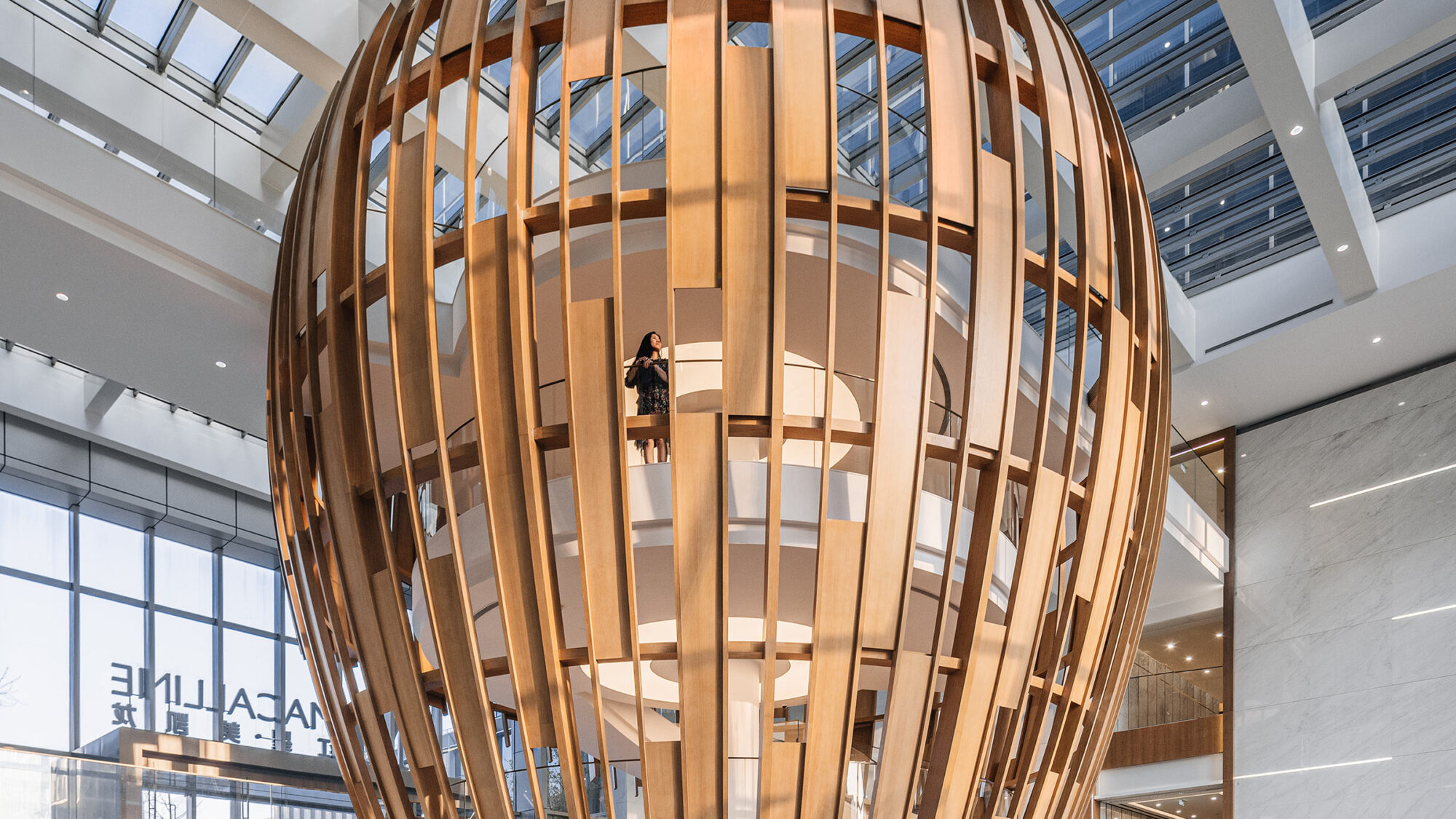
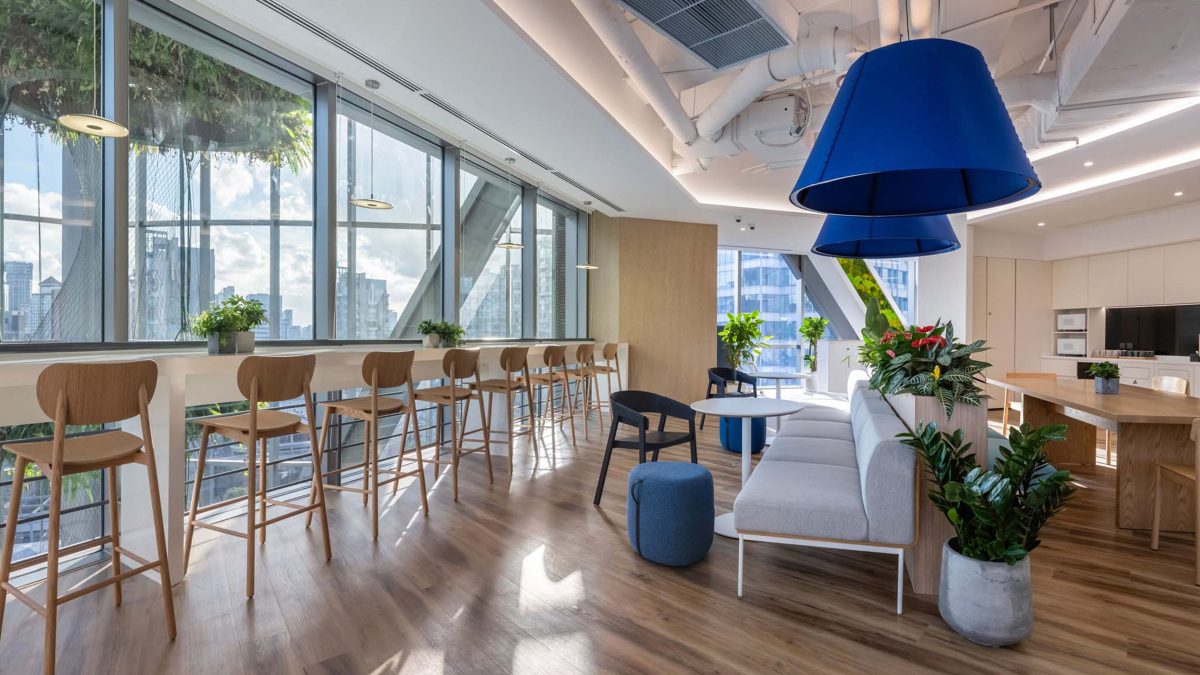
 Roche, Shanghai
 However, successful integration involves a wider set of considerations beyond the physical setting. For example, research groups that are used to focused and independent workflows may need time to adjust to a more open and collaborative environment. Early change management and co-creation help build alignment and support a smoother move toward stronger cross-disciplinary collaboration.
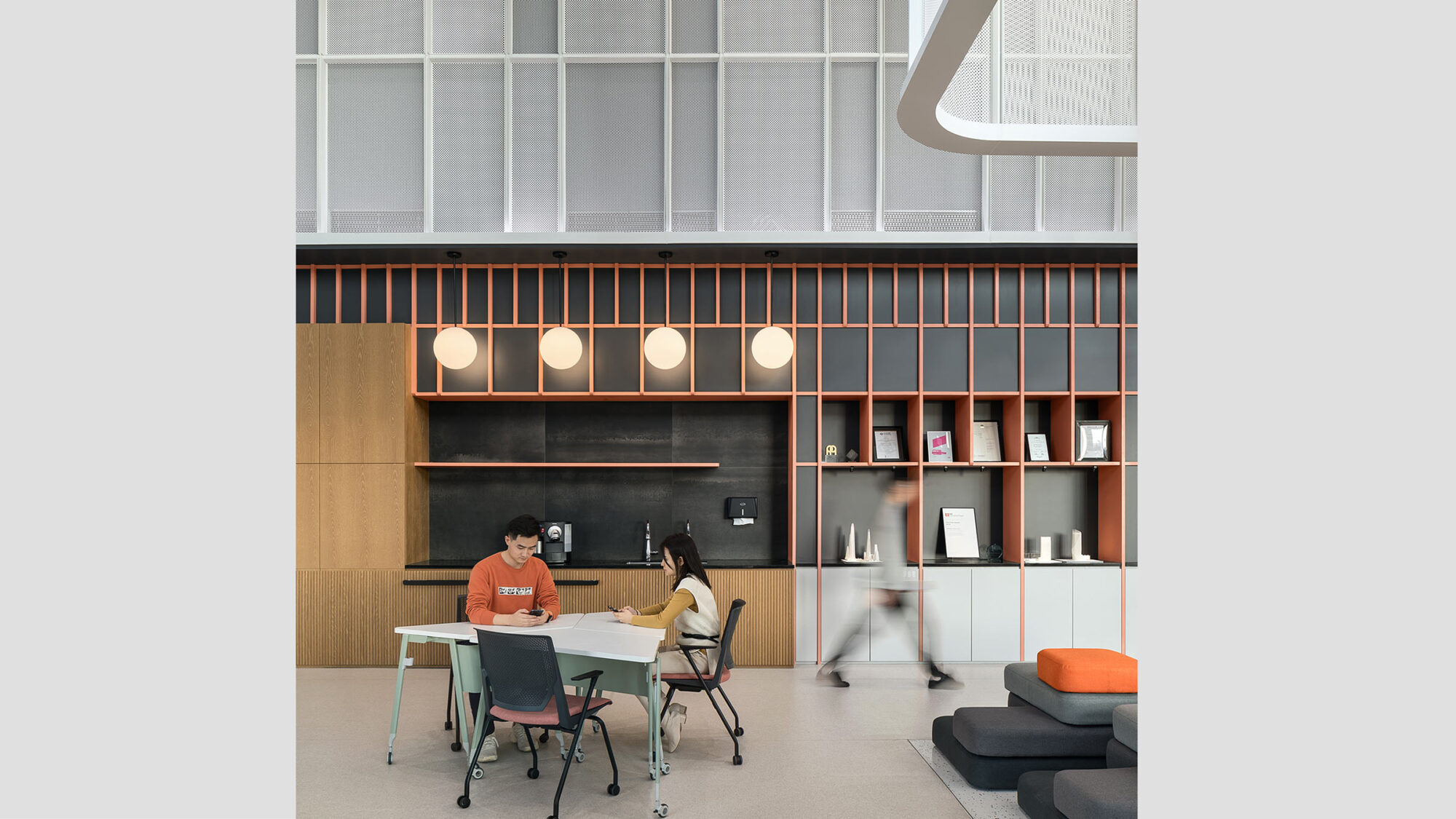
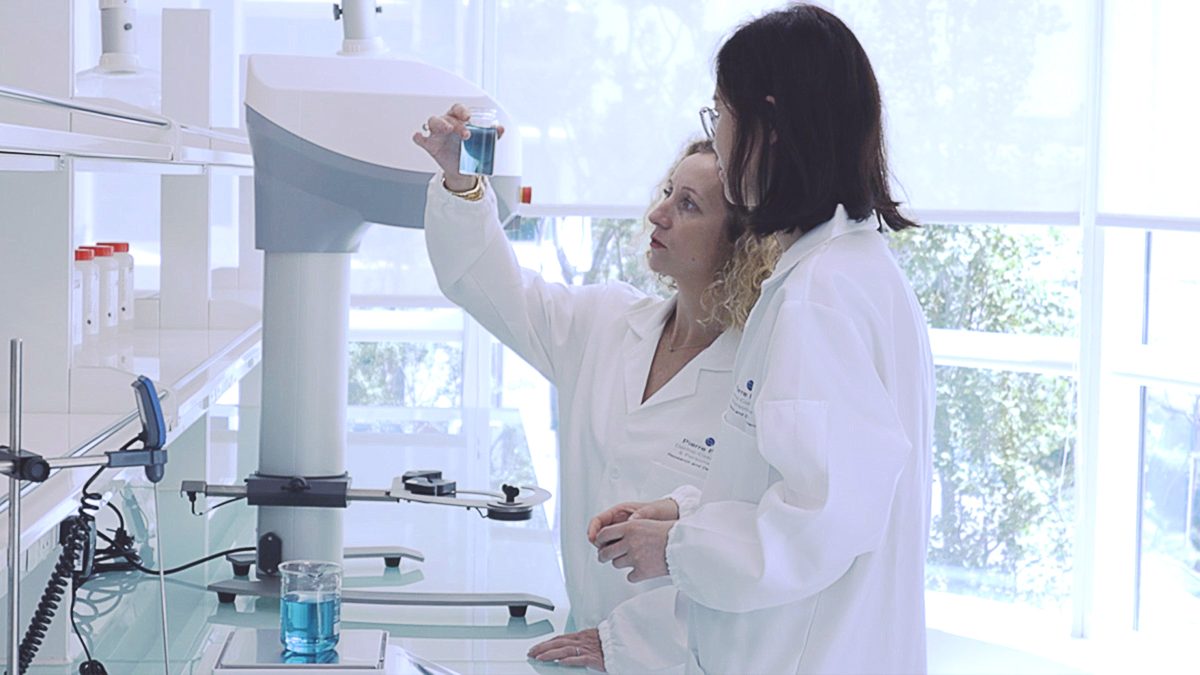 Pierre Fabre, Shanghai
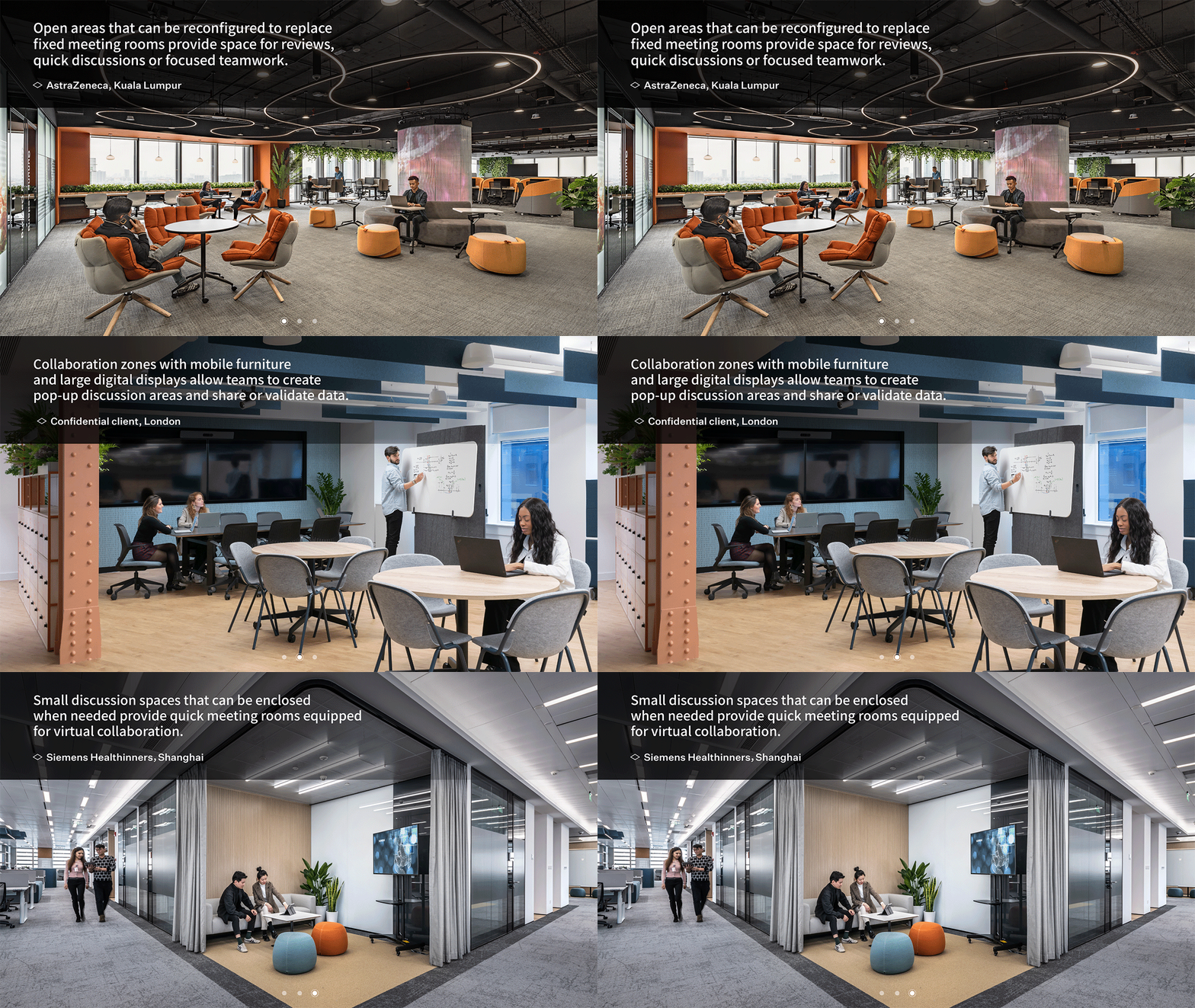
 AI and other emerging technologies are rapidly reshaping the pharmaceutical R&D process, from target identification to clinical analysis. As research cycles speed up, teams need regular touchpoints to share insights, review data and adjust their approach.
Traditional meeting rooms often struggle to support this pace. Booking delays and limited access can disrupt momentum and slow progress.
In response, many organisations are adopting more agile and flexible workspace solutions. These include:
The work behind pharmaceutical discovery is happening less in shared spaces and labs. Many of the steps people once watched unfold firsthand now take place through data, automation and digital platforms.
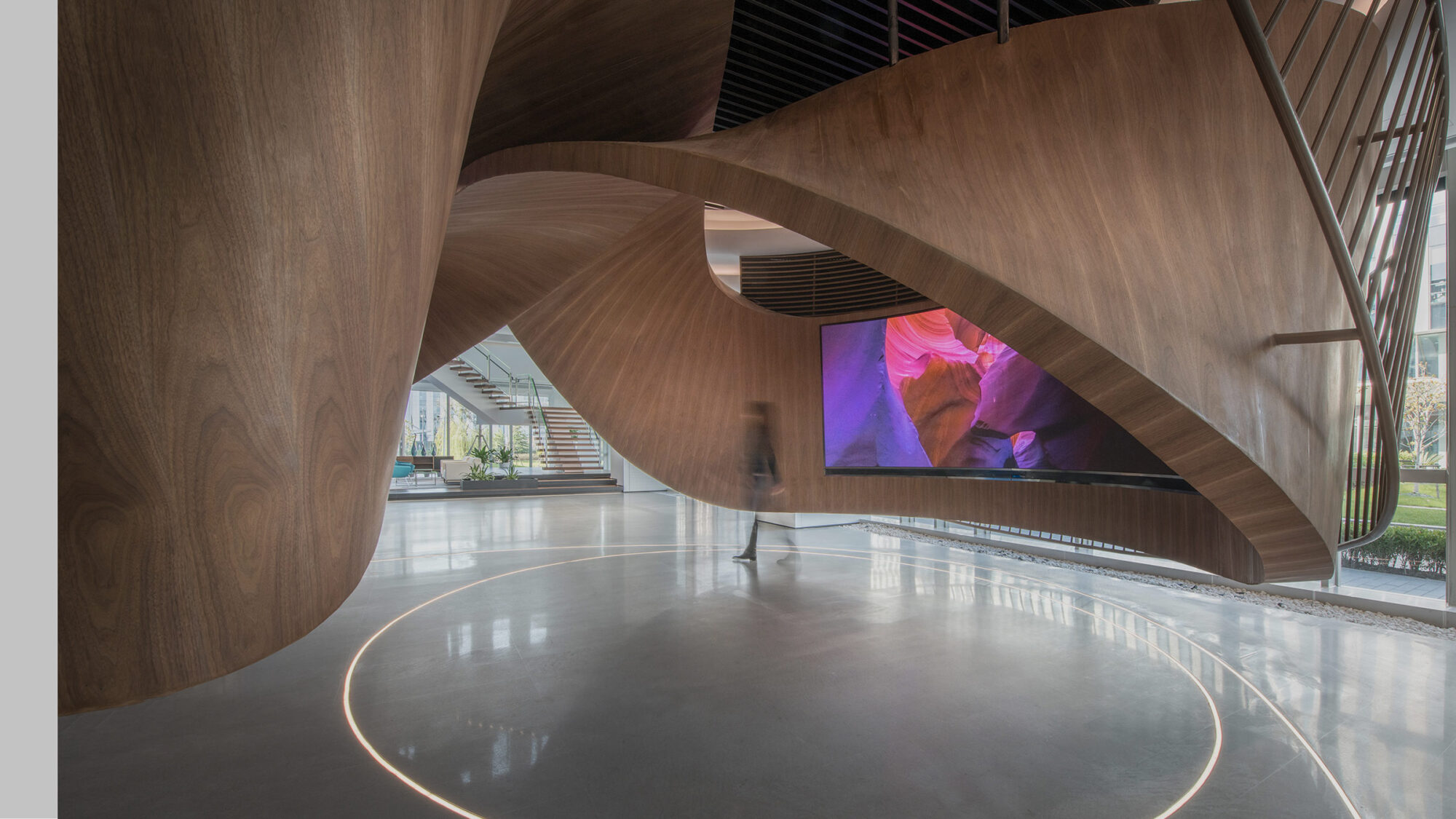
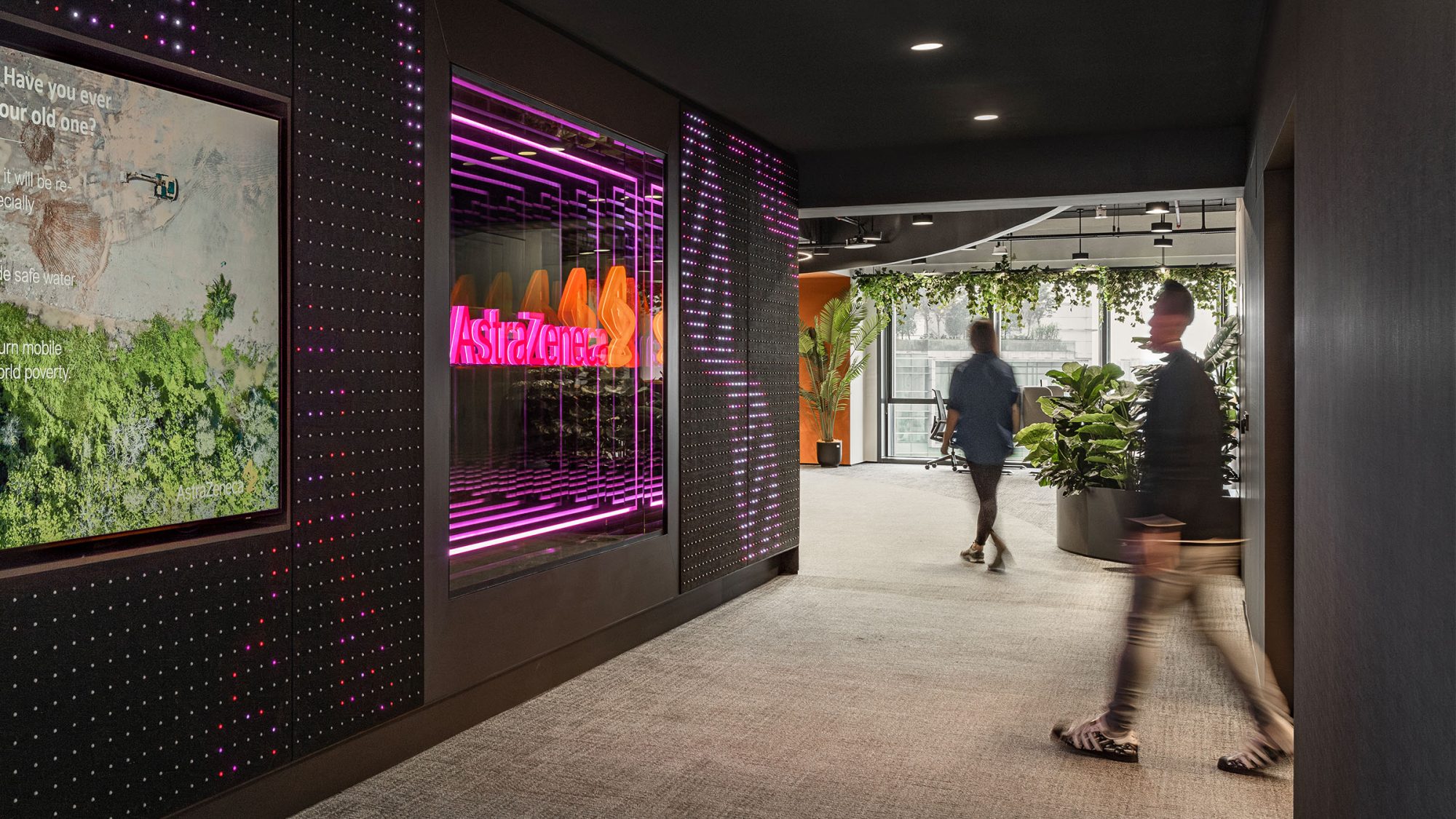
To bridge this gap, many pharmaceutical companies are bringing elements of research storytelling into their workplace strategy. This transforms the environment into a place that reflects identity and helps engage partners, visitors and the wider community.
By using tools such as data visualisation, immersive media and interactive displays, complex research work becomes easier to follow and discuss. These spaces create clearer connections between researchers and their audiences, making scientific progress more accessible and strengthening the story the organisation shares.
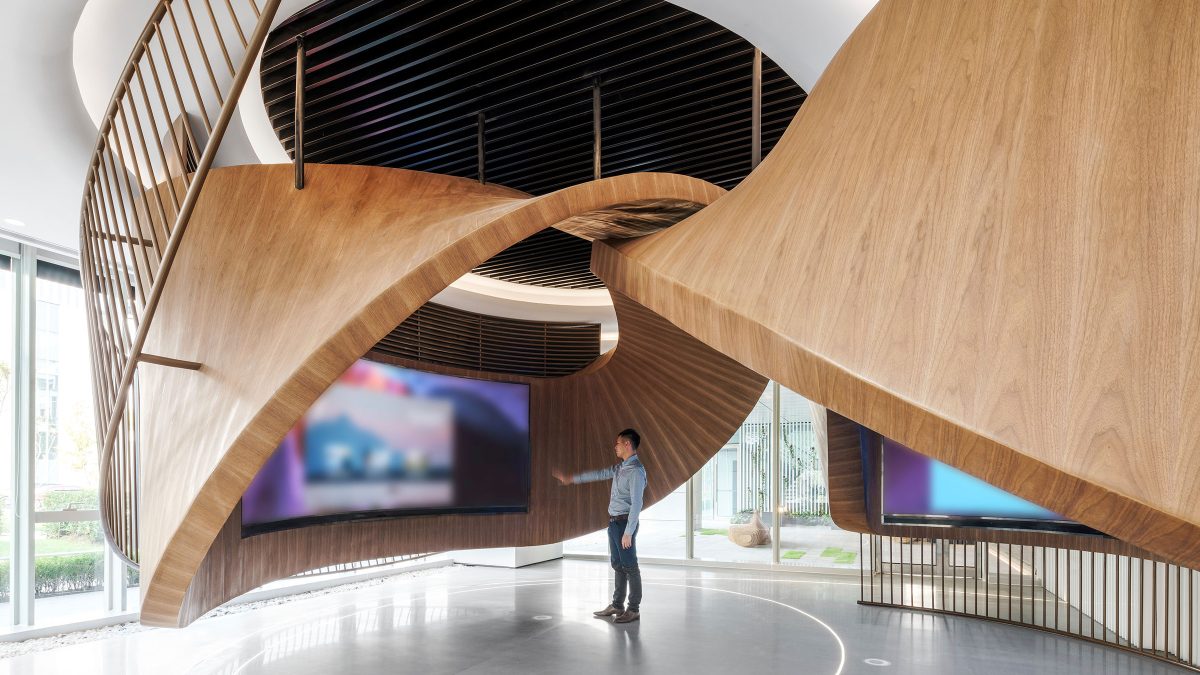 Confidential client, Shanghai
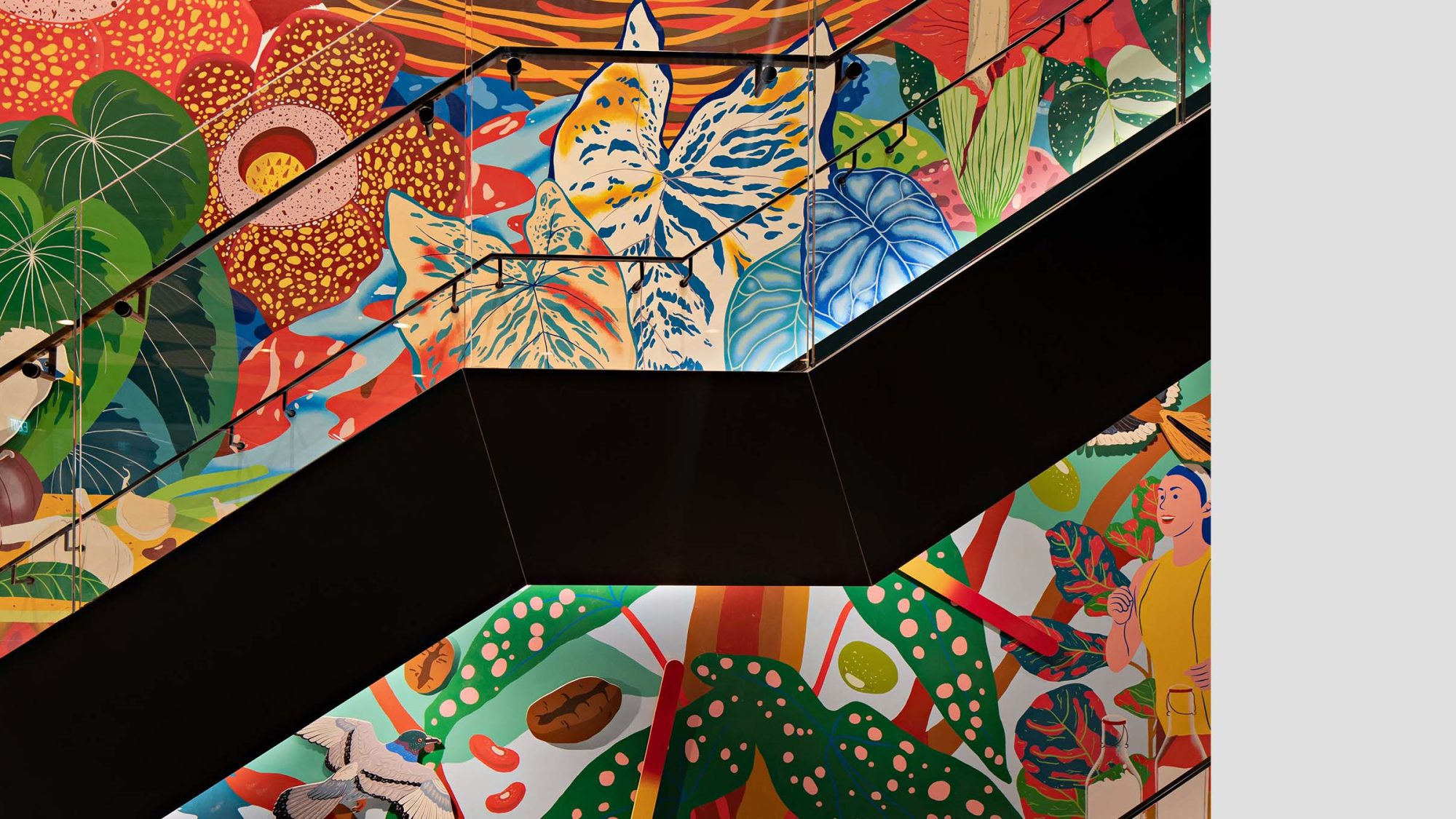
 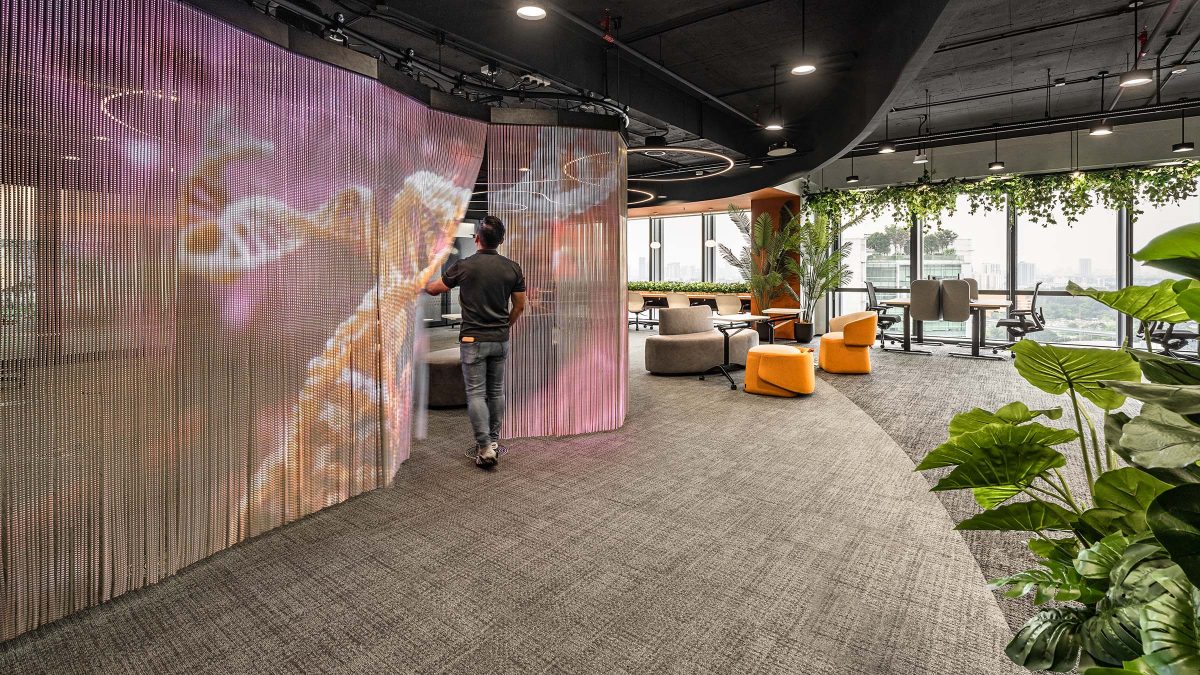 Astra Zeneca, Kuala Lumpur
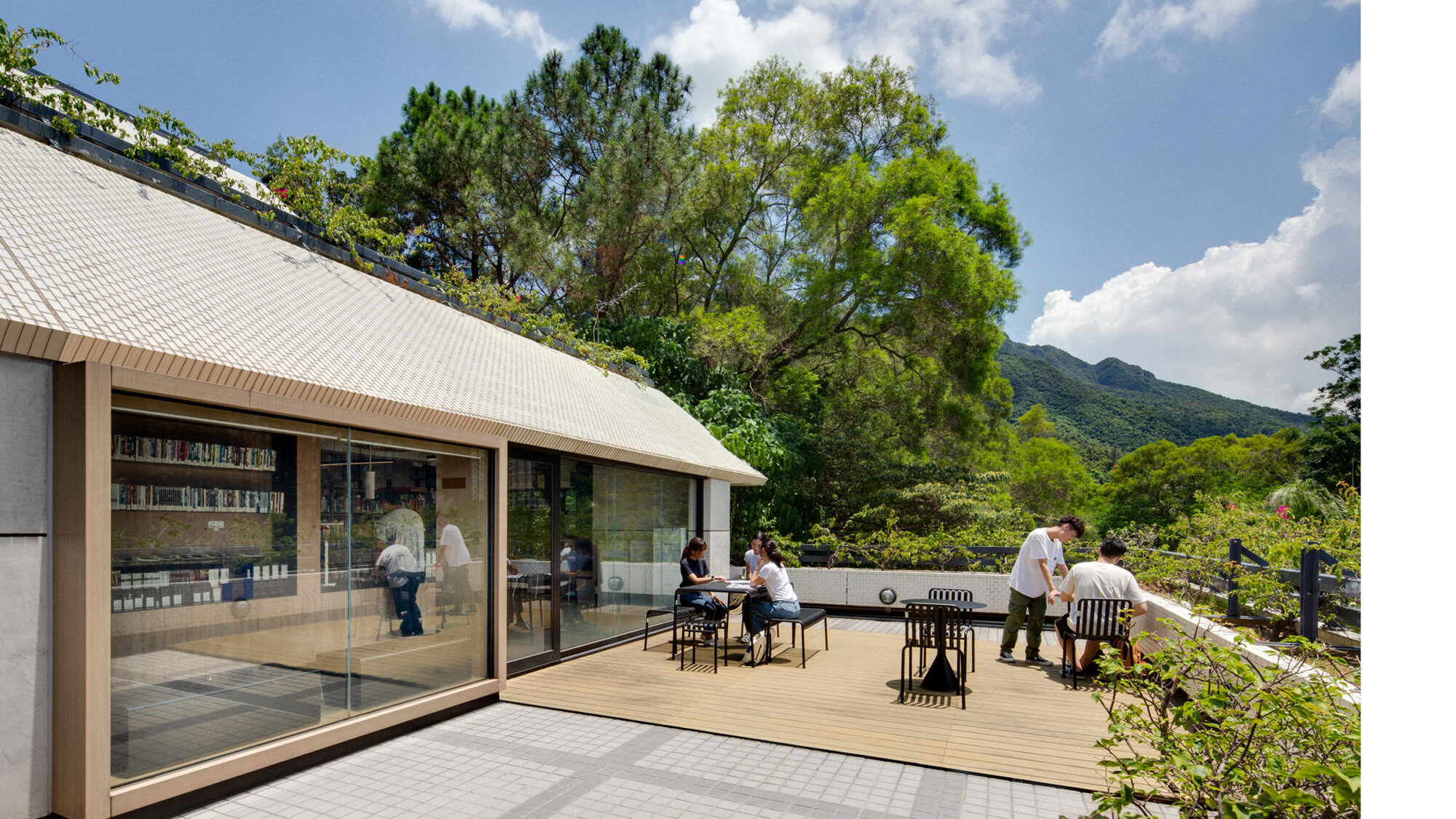
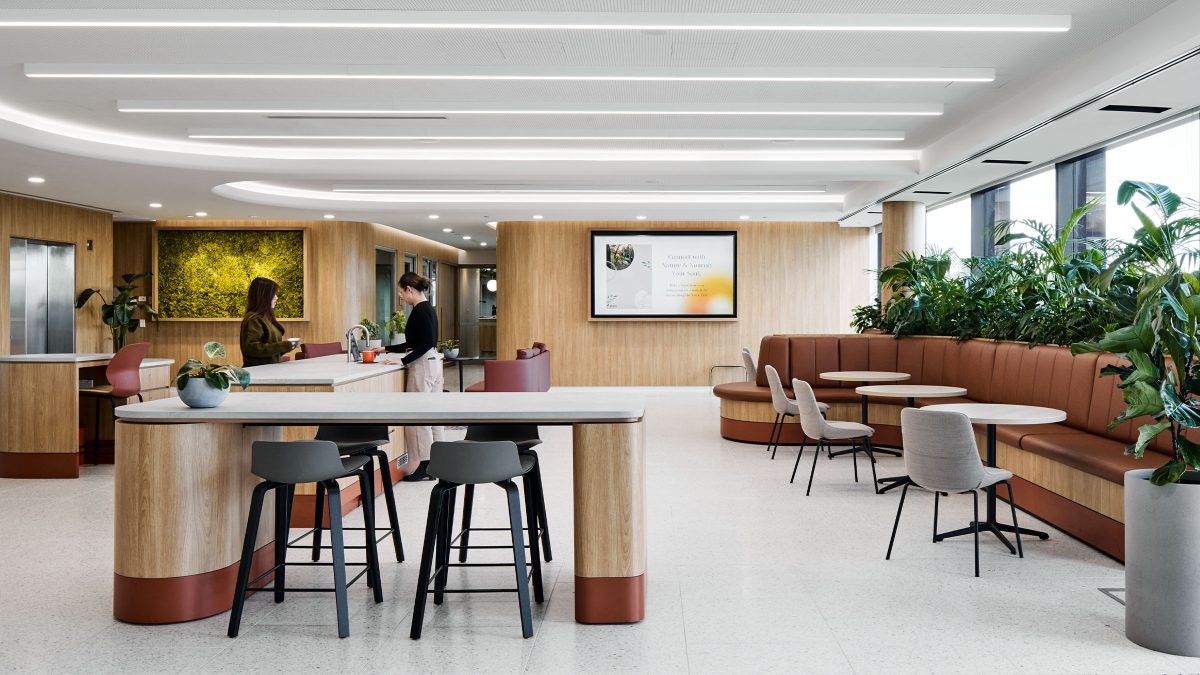
 In the pharmaceutical industry, scientific talent is one of the most important assets. Creating a workplace with good air quality, water, acoustics, lighting and overall comfort plays a key role in supporting people’s health and wellbeing.
 Roche, Hong Kong
 To meet these expectations and earn trust, organisations are beginning to adopt lab grade standards in their work environments:
This level of assurance reaches beyond physical wellbeing, helping researchers feel confident and supported in their work.
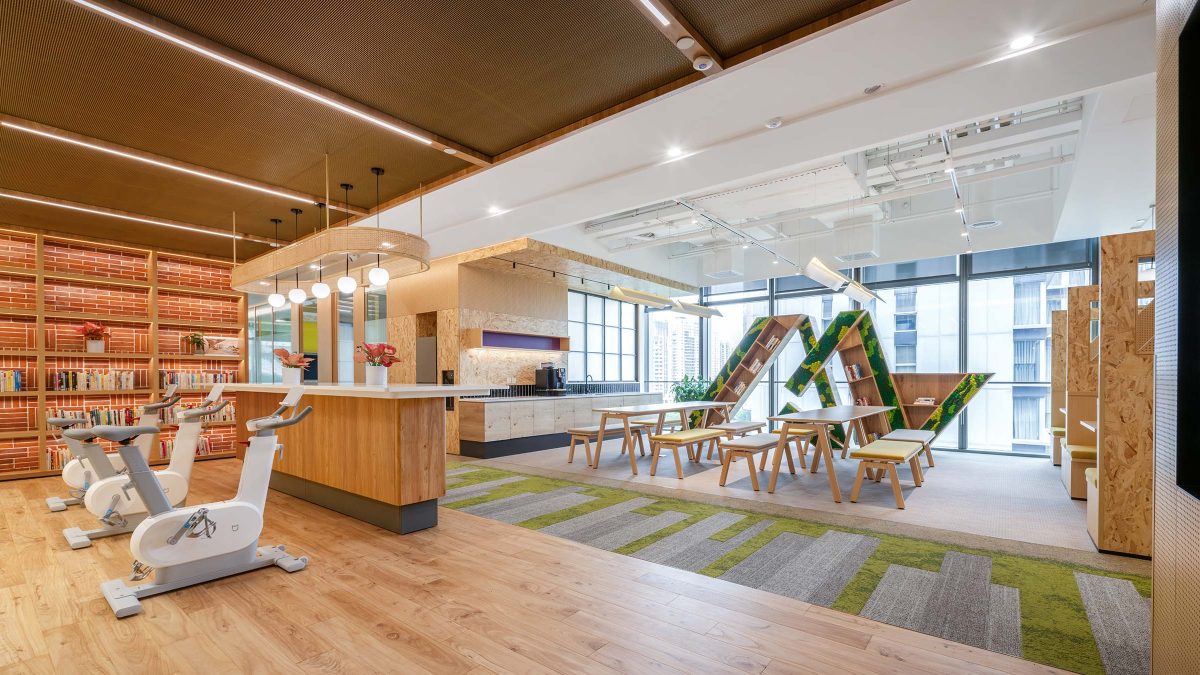 Astra Zeneca,Shanghai
 The move toward integrated research, agile collaboration, open scientific storytelling and higher wellbeing standards marks a significant change in how pharmaceutical workplaces are designed. When these elements come together, the environment becomes a strategic setting that supports scientific progress, encourages innovation and strengthens culture.
This shift positions organisations to respond more effectively to industry change, accelerate decision-making and staycompetitive in a rapidly evolving landscape. Connect with our team to discuss how we can support the next phase of your pharmaceutical workplace transformation.
Senior Workplace Strategist