
In a traditionally male-dominated industry, leadership looks different when women help shape the room. For International Women’s Day, Raquel Machado caught up with Florrie Chow and Nicci Bird from Sage to discuss partnership, progress and how to influence change. Because the way we lead inevitably leaves it’s mark on the spaces we create.
Florrie Chow: I’ve been at Sage for two years as Global Head of Workplace Design. I work closely with Nicci and the wider team on our spaces globally. A big part of what I care about is recognising talent. Not just within the organisation but also knowing when to bring in external partners who share the vision. It’s why we work with M Moser across multiple projects.
Nicci Bird: I joined Sage about three and a half years ago and was asked to build a brand experience function from scratch. As Global Director of Brand Experience, my focus is on consistent storytelling globally and creating a brand world that people believe in. That work runs through both our external customers and the internal workplace strategy with Florrie’s team. It touches colleagues, customers and community. Both sides of the coin, brought into one ecosystem.
Raquel Machado: I’ve been with M Moser for six and a half years. I set up the Amsterdam studio, then took on Paris as well. As a Project Director, my role sits at the intersection of design ambition, business vision and commercial reality. It’s about bringing the right people together and keeping that consistent across every project. That’s how the relationship with Sage started. We joined a bid, were fortunate to be selected and it grew from there.
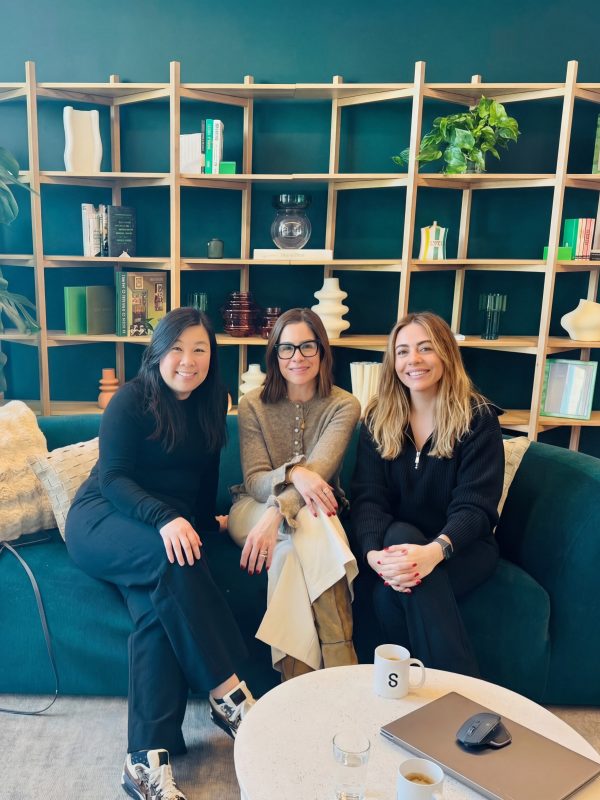
Florrie: We work with M Moser on the design and build of our global workplaces. What stood out from the start was when Raquel said: “We will challenge you. If we don’t believe in something, we’ll say so”. Construction has historically been a male-dominated world. You can get used to that dynamic. But what we were looking for was something different. We think of M Moser as part of our family, because of the female presence and the different perspectives that brings. We support each other. We grow together. That is a real reflection of how we work at Sage, with our colleagues, our customers and our partners.
Raquel: You notice it in the project teams too. You see the same faces from project to project. The meetings are not a reporting exercise. Someone will always step in and say: “I’ll look after that”. I think a lot of it comes from the culture that Florrie and Nicci have created.
Nicci: Women do lift each other up, particularly in environments where there are fewer of us around the table. That camaraderie feels stronger. When we are in the room together, we are more confident bouncing ideas off each other. The voices carry more weight collectively.
Florrie: I’m working with a recent graduate who is still figuring out what she wants to do. I said: come and work with me part-time. See the office. Help where you can. Figure it out, without me telling you who you need to become. What I got back from that surprised me. At a certain point in your career, your thinking becomes more complex, sometimes more than it needs to be. Watching her approach problems, I am reminded that sometimes the answer is just two steps, not ten. She gives me simplicity back. That’s its own kind of gift.
Nicci: For me, it goes beyond the project. The best thing you can do for someone, whether a colleague, a collaborator or a fresh graduate still finding their feet, is give them the space to make their own choices. How do I get the best out of someone who comes from a completely different background? I try to become a tool that helps facilitate their vision. I’m not here to tell you who to be. I’m here to help you find out who you want to be.
Raquel: What I try to give is a safety net. Not shielding people from everything but making it clear my hands are there and nothing will fall. You are the one moving it forward. What I gain is perspective I would never have had on my own. Some of the projects I am most proud of only became what they are because someone less experienced brought an idea I would never have thought of. That is the real gain. A lot of it comes from wanting to give others what I didn’t have myself. I try to be that female career model, imperfectly and honestly. If a younger woman can see that someone doing well has also faced real difficulty, she feels less alone. You don’t have to have it together all the time.
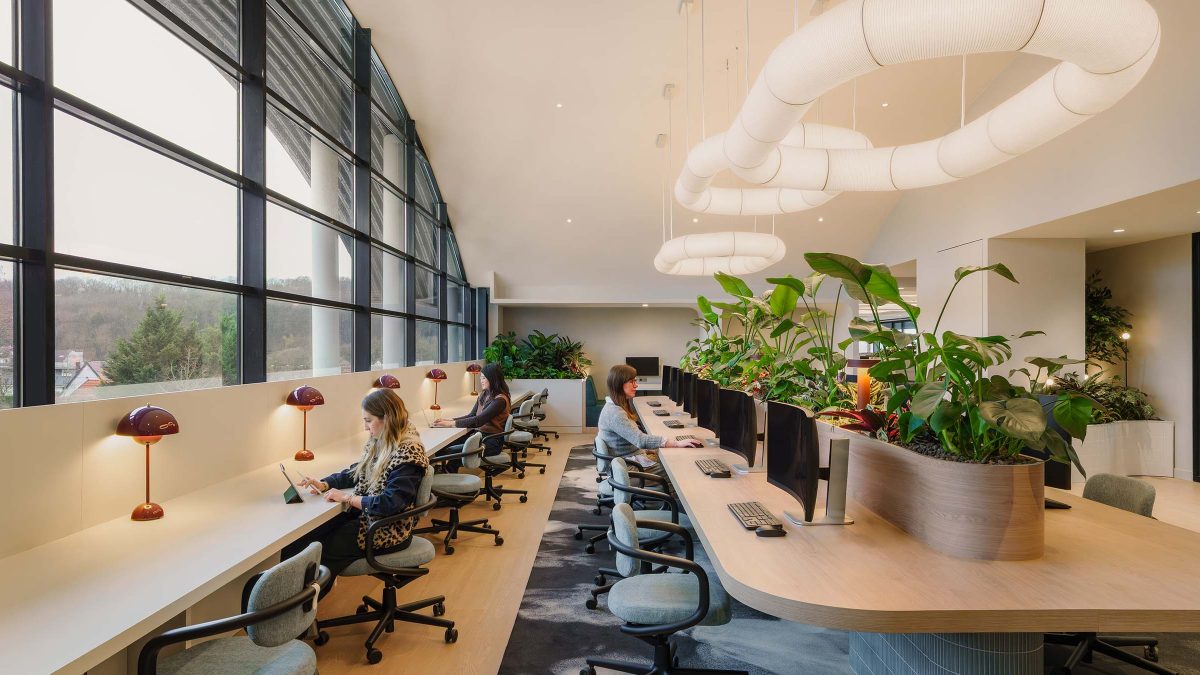
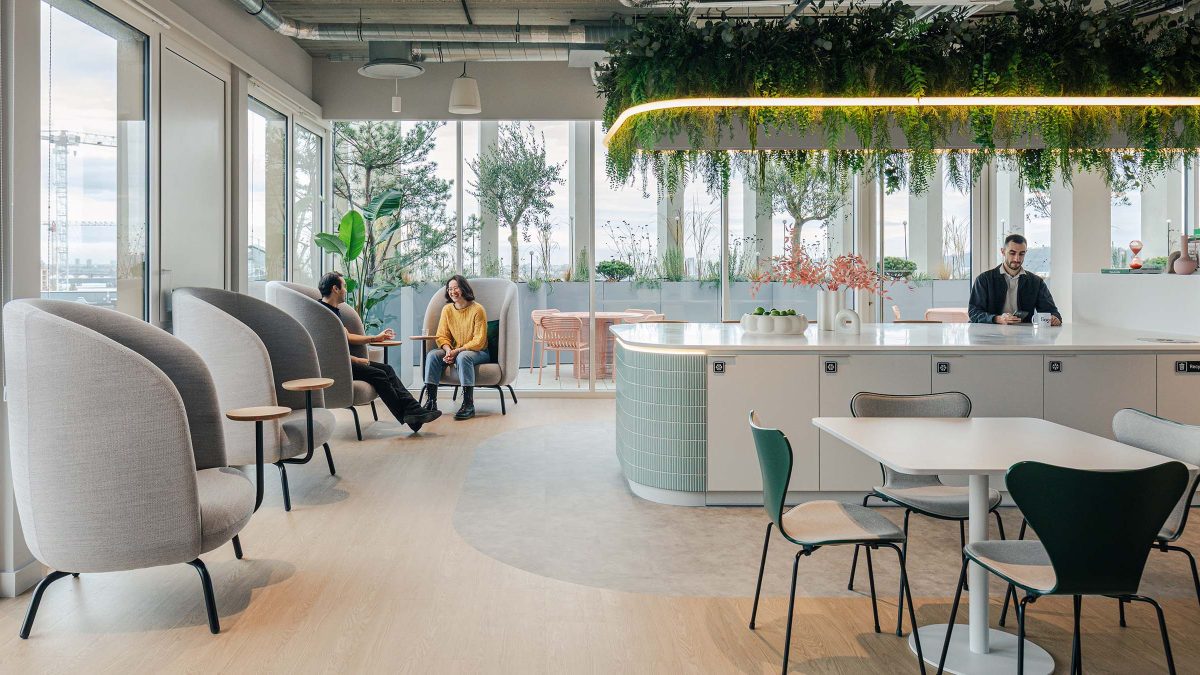
Florrie: My first job was in a design and build company. I walked into a room that was entirely male and the language used was not always one that women felt comfortable with. That was over twenty years ago. We’ve come a long way. But the progress can’t stop there. We are building today for tomorrow.
Raquel: I think there is a kind of internal programming that tells us to soften things, to be gentle, to circle around the difficult stuff. That is changing, but it takes real effort to unlearn. The shift I’ve seen is less about getting a seat at the table and more about expanding it. It’s not about removing anyone. It’s about creating more seats and making it feel safe to sit in them. Early in my career, there was an unspoken sense that women should compete with each other. Now I see something different. Come on in, you can do this. And if you make a mistake, you learn and you move on.
Nicci: When you walk into a room and don’t see anyone who looks like you, there is a real sense of intimidation. Having more women visibly in these spaces is one of the most practical things we can do. It tells the next person: you can be here too.
Raquel: We talk a lot about how to be a woman in the boardroom. We don’t talk nearly enough about how to have a career and a life alongside it. The decisions around fertility, pregnancy, maternity and more. What those mean for how your career unfolds. I wish someone had told me early on that it did not have to be career first, everything else after. I didn’t have women around me to talk about it openly. I would love to see that change, not just in informal conversation, but built into how organisations support people.
Florrie: As leaders, are we actually well equipped to mentor the next generation on these topics? Does there need to more education for everyone around fertility, menopause and the hormonal realities that affect so many of us at work? In construction, you wear the hard hat. It can make you feel like you have to be rigid. But vulnerability is not weakness. It heals something. It makes you more human, especially in senior roles.
Nicci: I’m actually doing a menopause training course. It’s part of living through the unknown but also doing it for the younger women and for my daughter. I want them to see that things are never perfectly balanced, but there is always support. There’s always a way through. Showing up, even on the days when anxiety has got the better of you, is its own kind of strength. Now our ways of working are built around life as well as work. It shows younger people that you can have both, which is very different from the one we were given ten years ago.
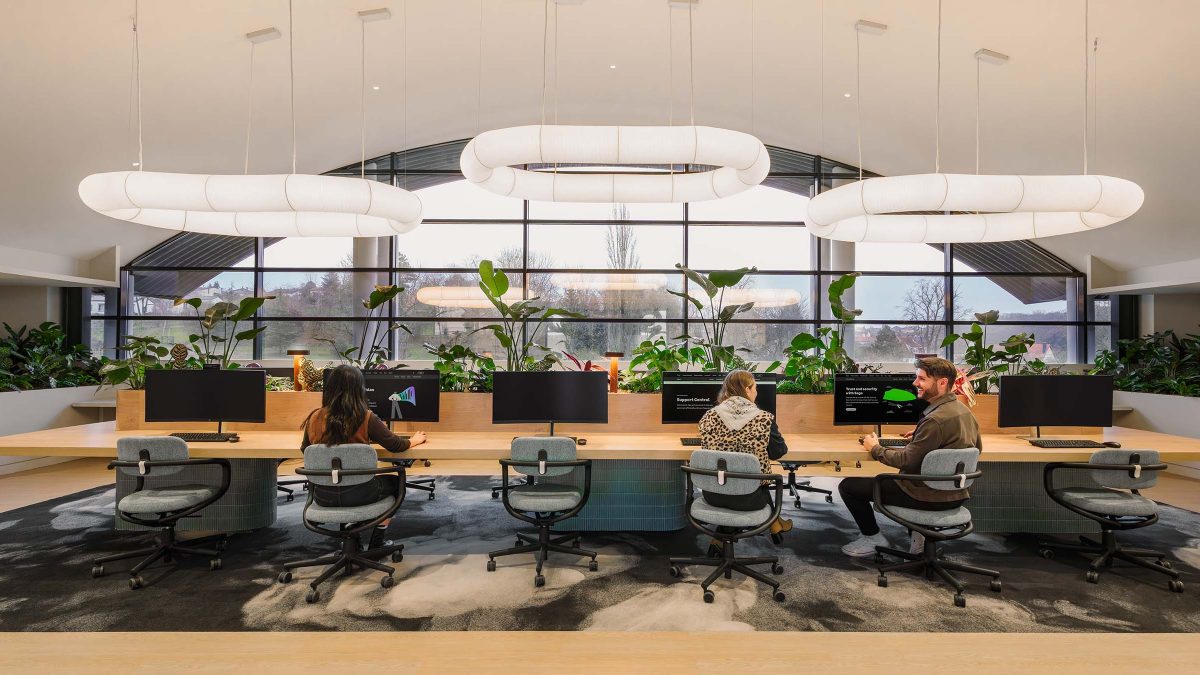
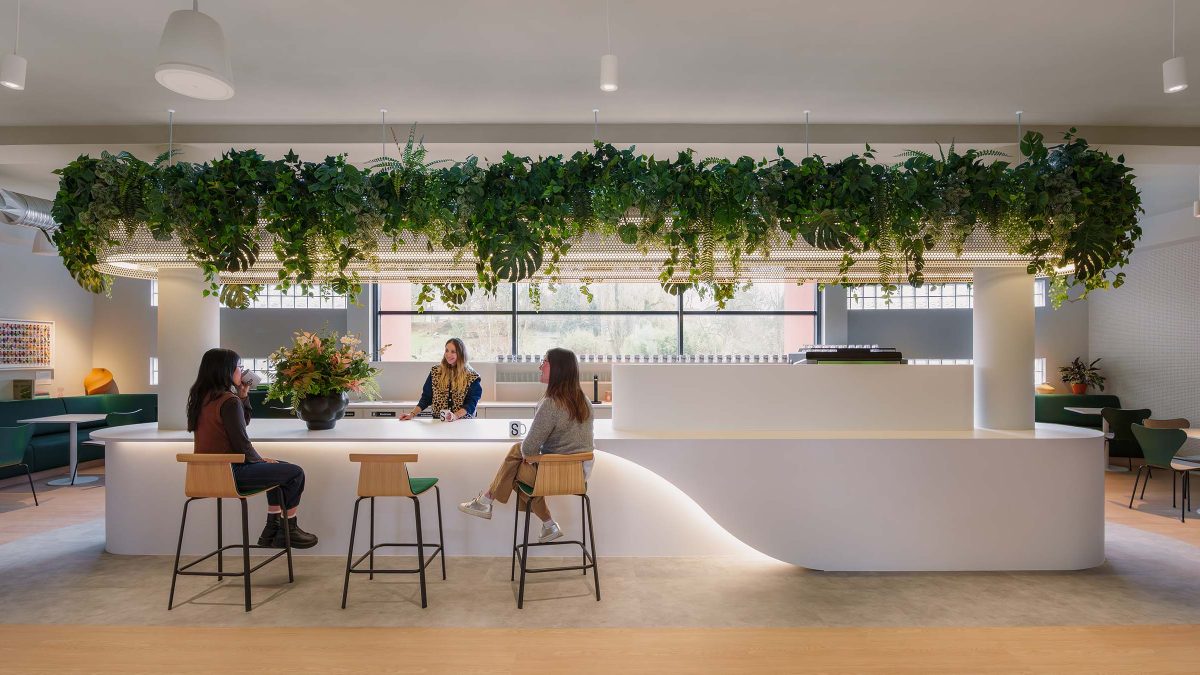
Florrie: My therapist told me: go into the room as Florrie. Don’t try to be the leader from the book, or the role model someone pointed you towards. Be yourself and solve the problem your way. When I did that, something shifted. Things that had felt stuck just opened up. When you spend too long trying to become someone else, you lose yourself. The confidence to be exactly who you are is the most powerful thing I have found.
Raquel: When I was fifteen or sixteen, a friend persuaded me to take theatre lessons. Suddenly, I found myself on stage in front of everyone. At some point, you have to let go of the fear of looking foolish. And once you do, something shifts. I’ve tried to hold on to that ever since. If I don’t get it quite right today, I’ll do better next time. What matters is showing up and doing it anyway. That’s the mindset I try to pass on to the team: permission not to be perfect. Permission to give it a go.
Nicci: The advice I come back to is this. Don’t just present your ideas, defend them. In negotiations, in hard conversations, in rooms where you might be the only woman there. Confidence is not always about speaking the loudest, it’s about standing behind what you believe in.
Associate Director