
Our latest Place of Work episode reveals why acoustics are central to productivity. Host Zoe Yakubu-Sam, Senior Workplace Strategist, and Mariana Anelli, Senior Associate Designer at M Moser, discuss how intentional acoustic design creates workplaces that truly support how people work.
Different organisations and individuals thrive under different acoustic conditions. Some people need a gentle background hum to concentrate, while others find silence uncomfortable. With growing awareness of neurodiversity and varied work styles, designing for one acoustic outcome no longer makes sense.
Instead, effective workplaces are shaped around soundscapes. These are intentional acoustic environments aligned with activity, energy and behaviour. The aim is to curate sound not eliminate it.
The podcast highlights how sound should be considered as part of the broader spatial experience.
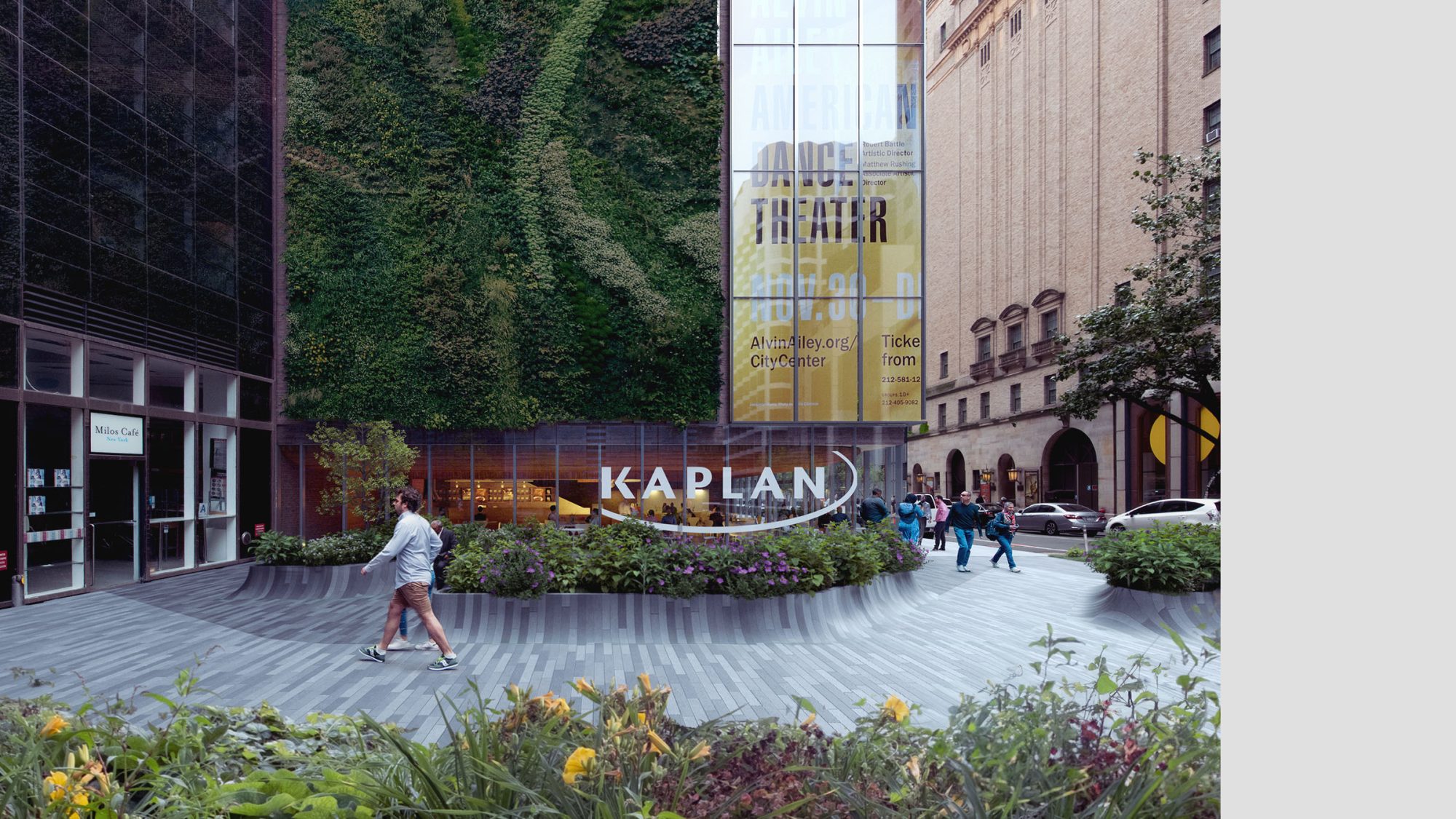
From the moment someone approaches a building, they are immersed in ambient noise from traffic and street life to the general hum of a city. The workplace then acts as a transition point, offering a chance to step away from that external soundscape and recalibrate.
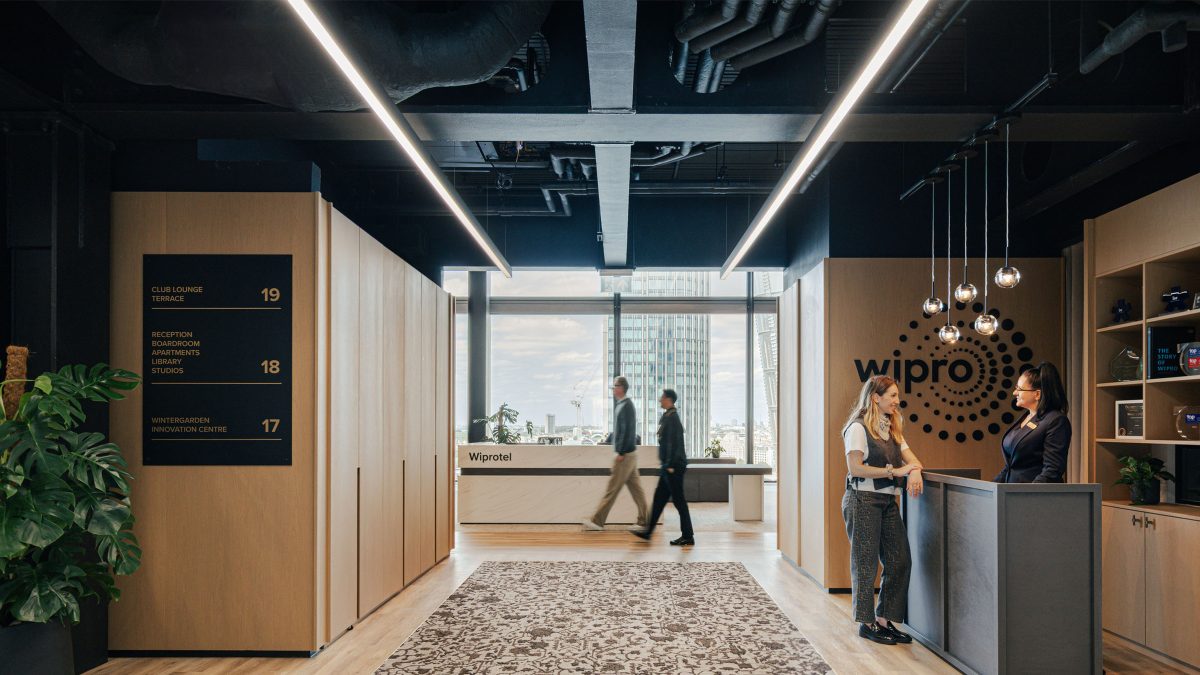
It’s about creating a space to decompress from outside and breathe. A place to ease into the day before starting work.
Mariana Anelli, Senior Associate Designer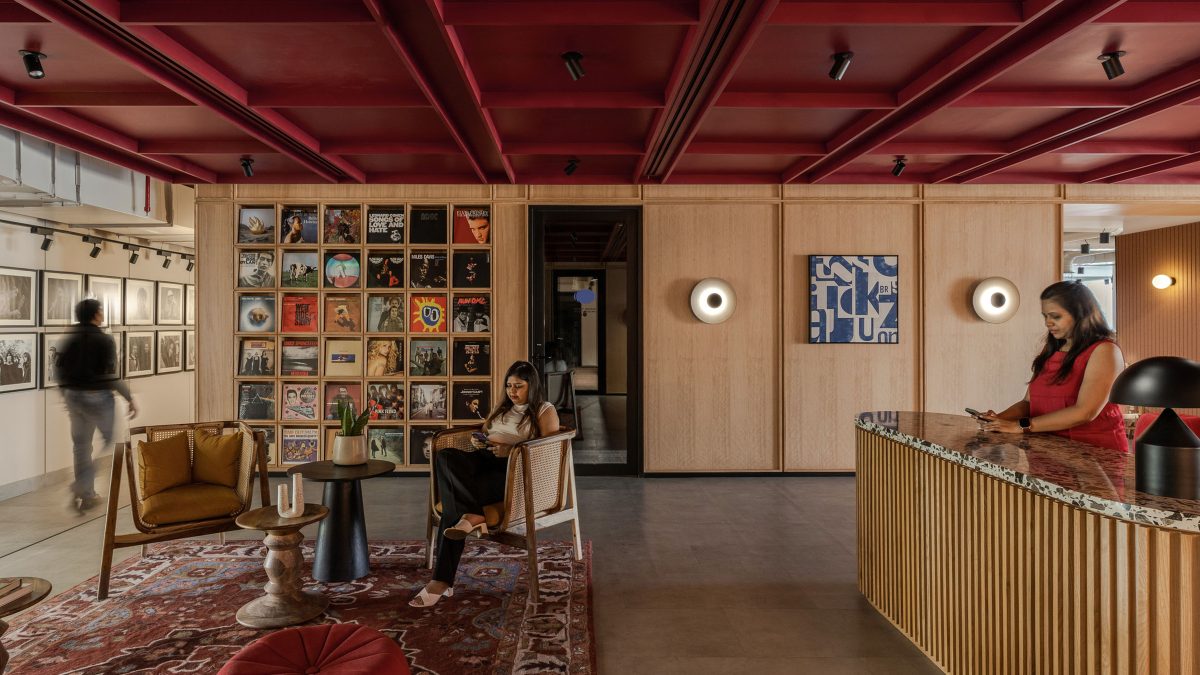
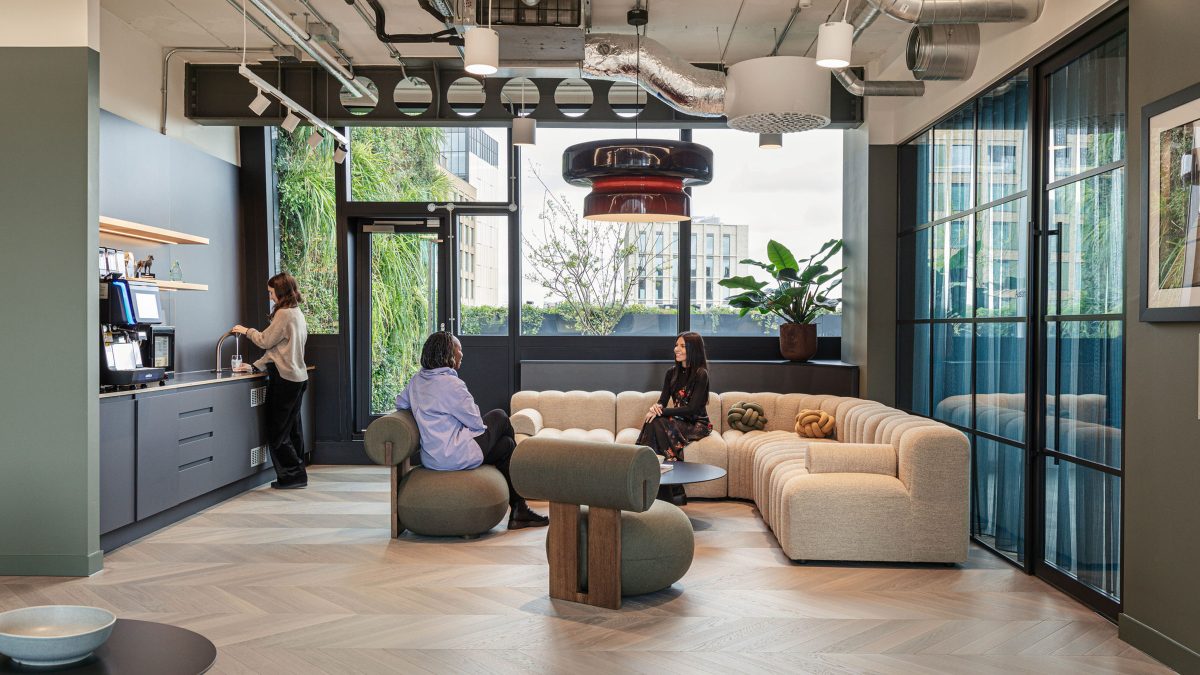
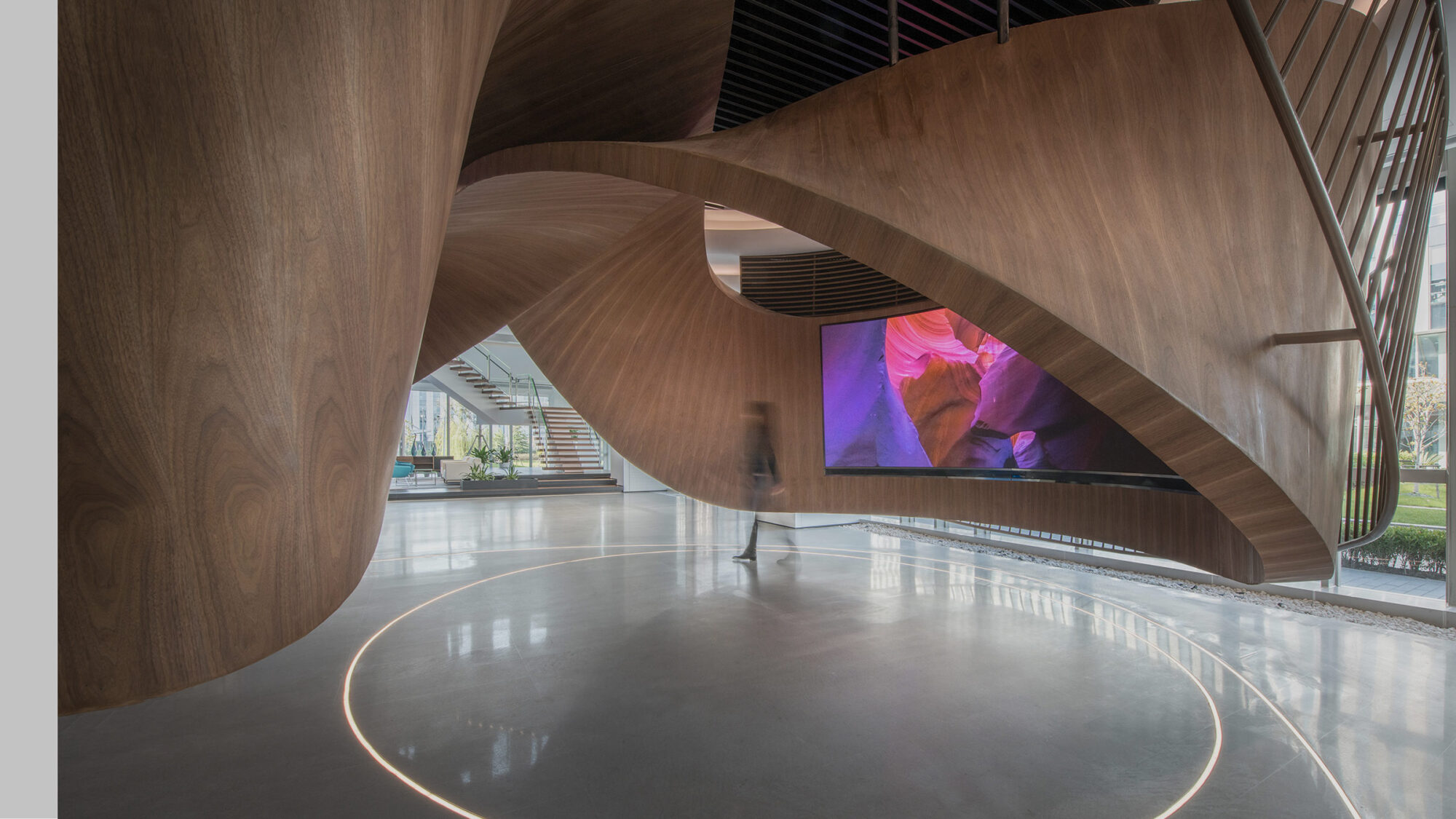
Arrival spaces play a vital role. Mariana likens them to hotel lobbies or cafés, environments that feel welcoming, social and relaxed. Softer acoustics and low-level background noise help people settle in, have a conversation or grab a coffee before entering focused work zones.
Carefully designed transitions help people shift gears during the day, supporting wellbeing and performance.
A consistent message throughout the episode is that acoustic design is never one-size-fits-all.
Building structure, ceiling heights, material choices and furniture layouts all influence how sound behaves. High ceilings can help dissipate sound, but they may also amplify noise if left untreated. Hard surfaces and glazing can increase reverberation.
Mariana recalls projects where different baffle configurations produced distinct outcomes, even within the same space. These experiences show the value of testing assumptions and designing for how people actually use a space.
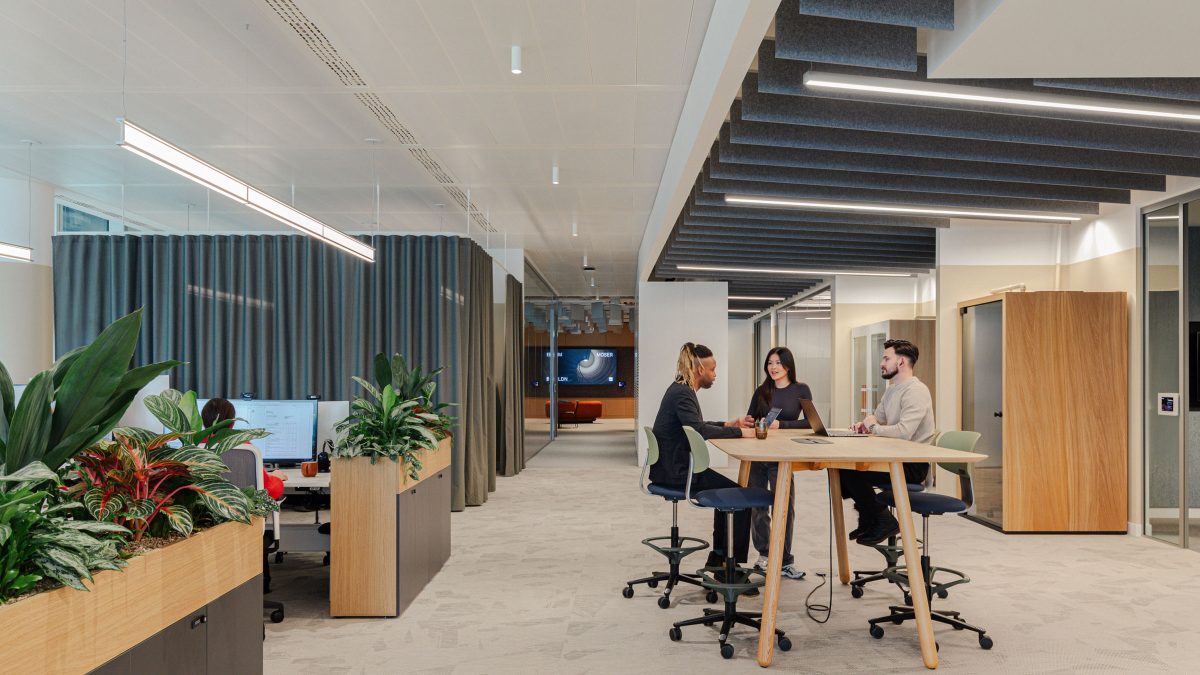
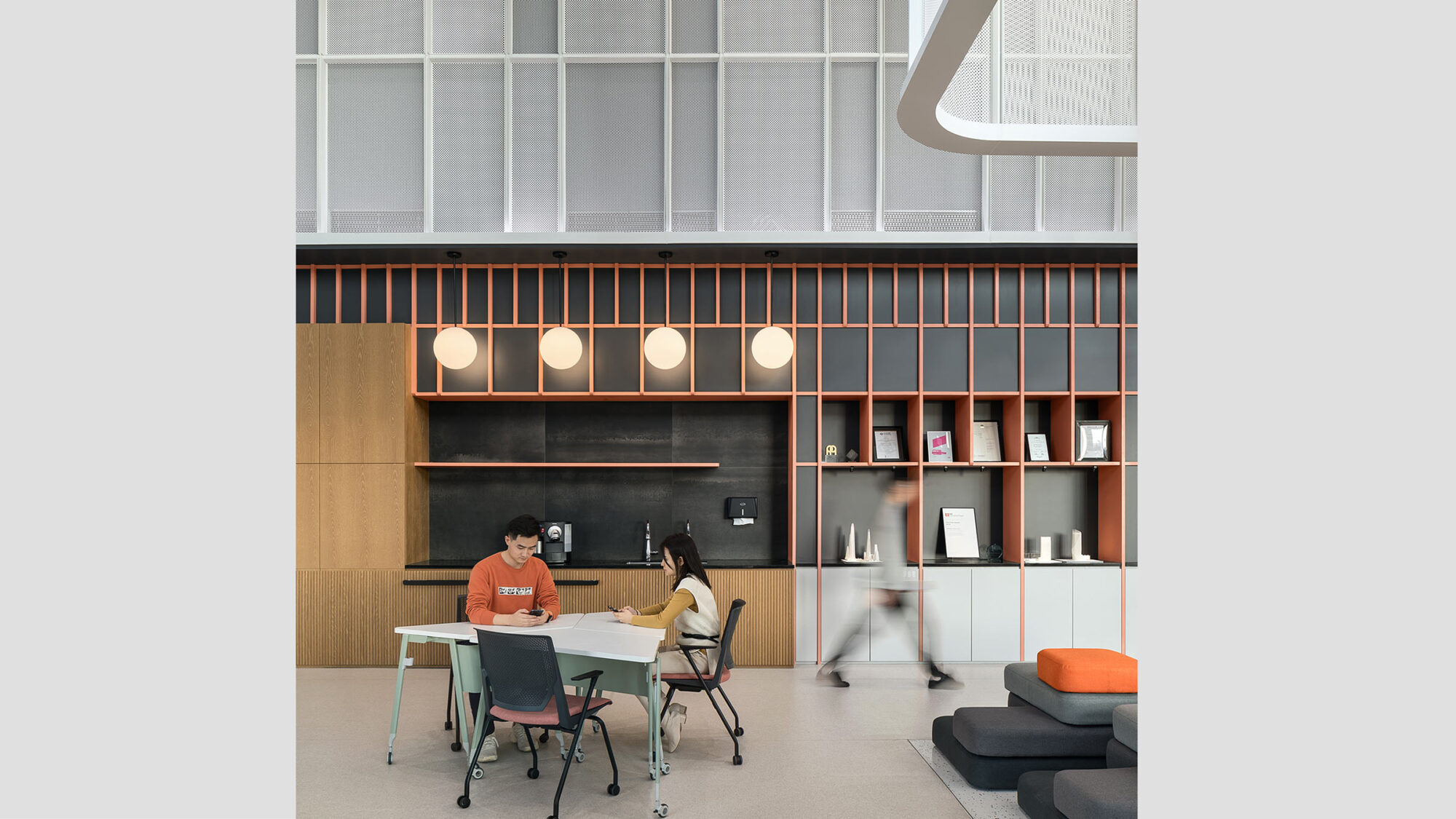
M Moser’s London studio is a practical example. Generous ceiling heights, varied treatments, flooring with acoustic backing and carefully planned furniture layouts allow the open plan to feel lively without disrupting focus.
One of the most powerful insights is how acoustics can influence behaviour.
In our London studio, the focus area sits within the open-plan, not behind closed doors. A mix of acoustic treatments, visual cues and shared norms supports quieter work while keeping the space connected to the wider studio.
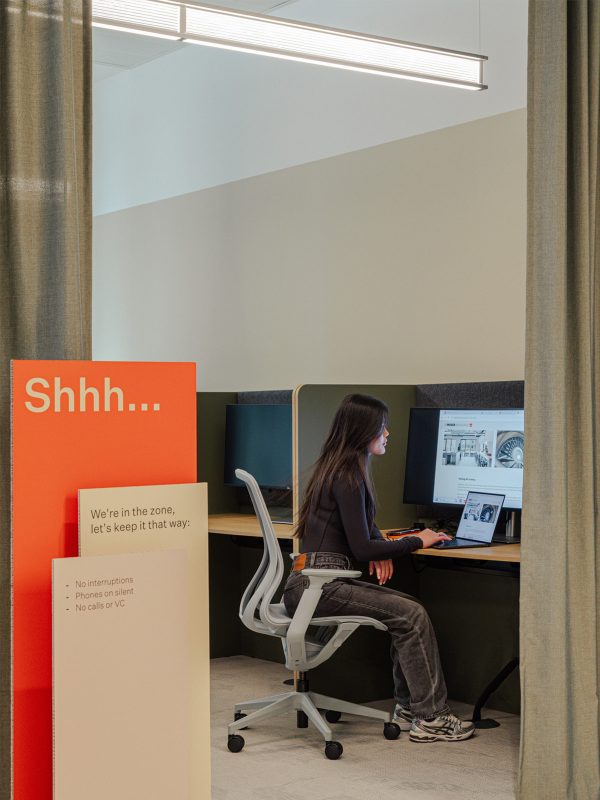
Over time, this approach encouraged self-regulation. People began to respect the space and each other’s focus, showing how design and behaviour can evolve together.
At the other end of the spectrum, arrival and social areas are designed to be louder and more relaxed. Calls are made, conversations flow and energy is higher. The contrast between zones helps each one function better.
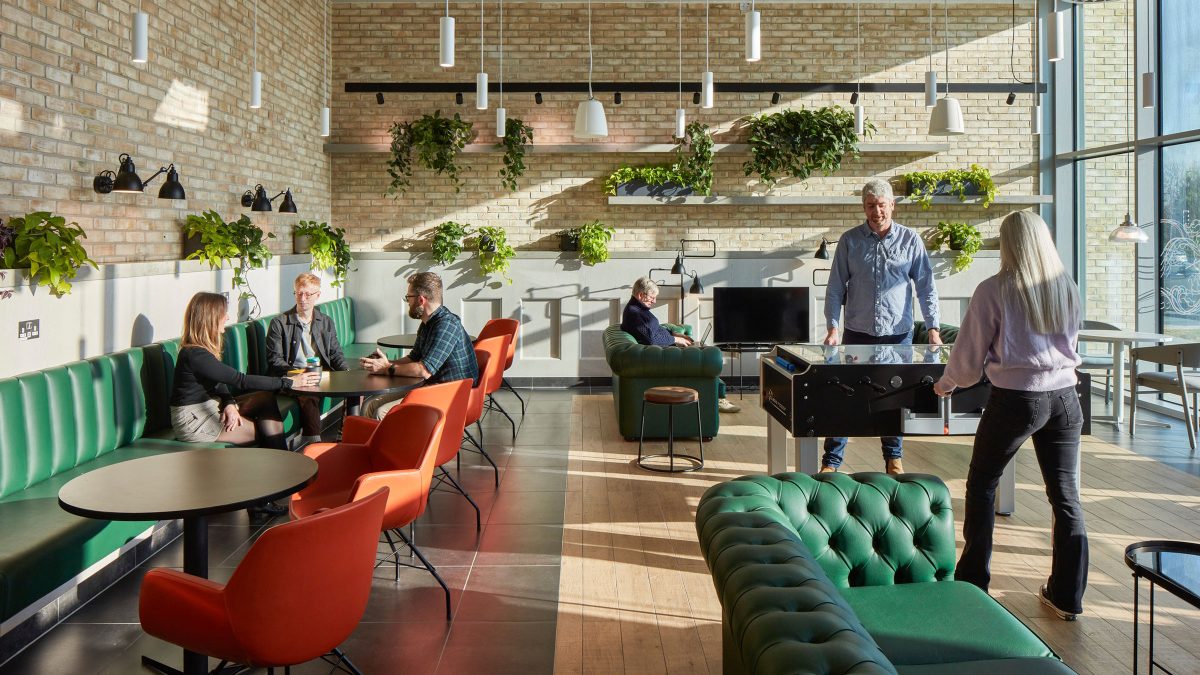
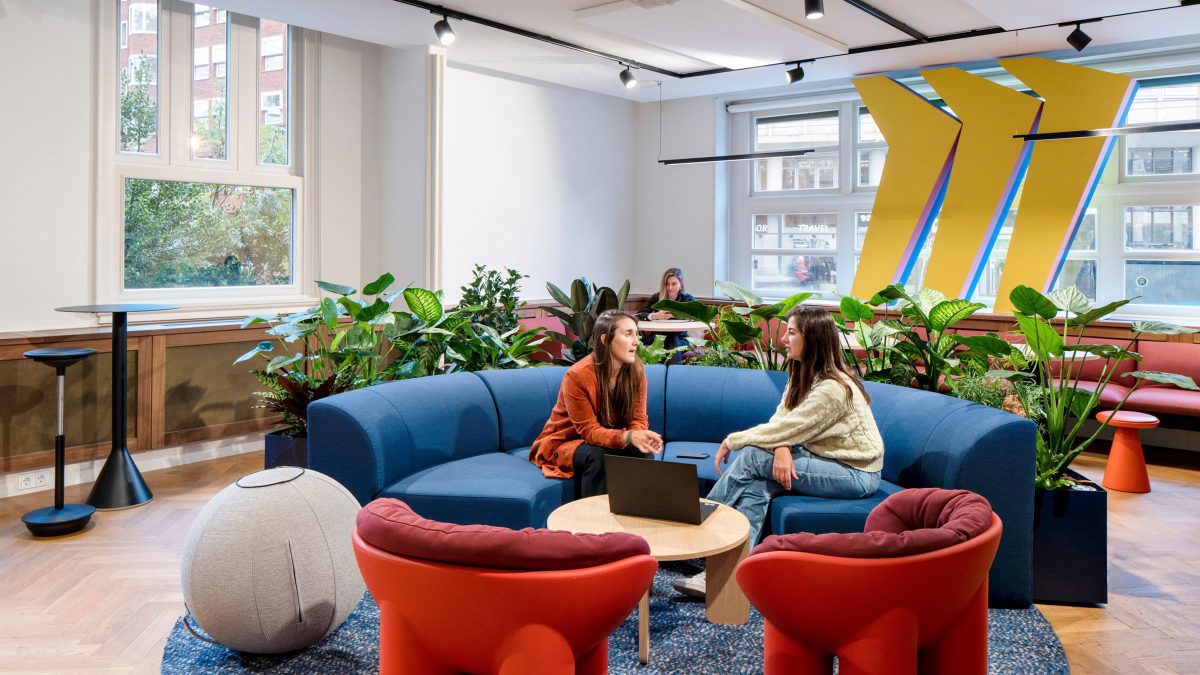
The podcast also shows that acoustic design doesn’t need to be complex to be effective.
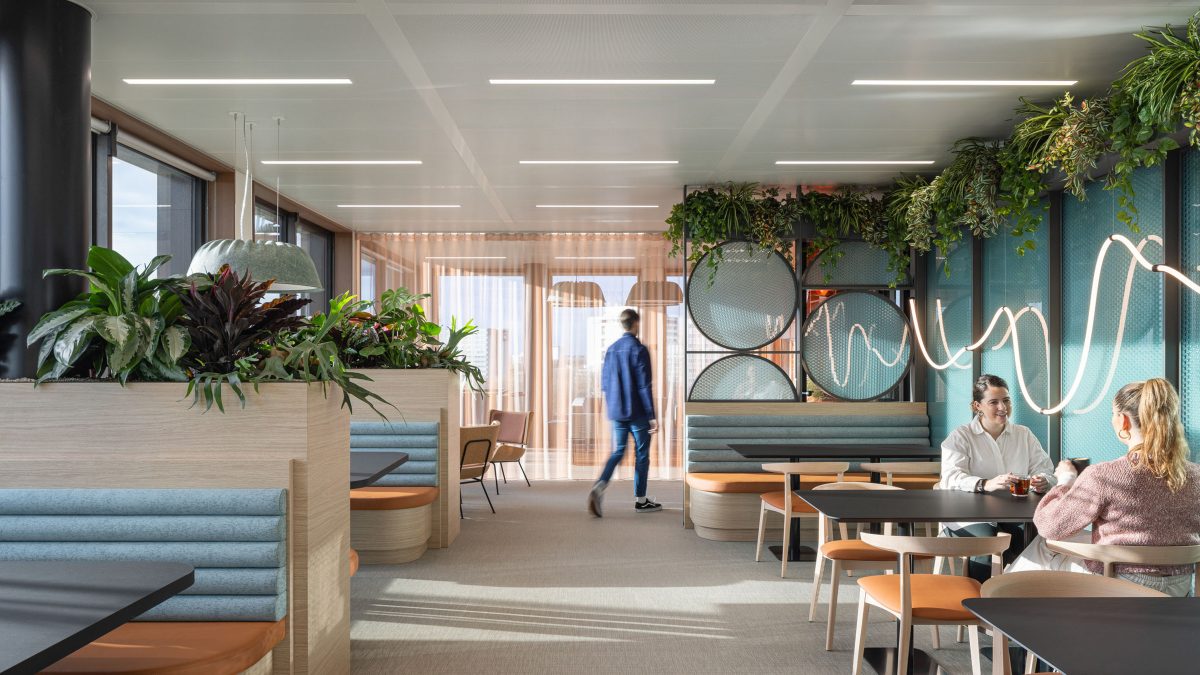
Furniture, planting, curtains, artwork and flooring all influence sound. Every surface that absorbs or diffuses noise reduces reverberation and improves comfort. Acoustic backing under the flooring softens footfall, while high-backed storage and planting break up sound paths.
These are simple interventions, but together they create a calmer, more functional environment.
As the conversation wraps up, Mariana stresses the value of considering acoustics from the outset.
Acoustic design shouldn’t be an afterthought. It needs to be woven into the brief from the beginning.
Mariana Anelli, Senior Associate DesignerWhen sound is considered early, it shapes adjacencies, zoning and overall strategy. When left until later, compromises or retrofits become more likely.
Acoustic comfort is not a finishing touch. It is a strategic tool that shapes workplace experience, supports desired behaviour and maximises productivity.
Senior Associate