
In an era oversaturated with notifications, screens and virtual noise, the most powerful workplace experience may be the one that helps us log off.
As AI accelerates and ‘smart’ becomes the default setting, we’re seeing a counter-current. A deep craving for physical, intentional spaces that elevate presence. Not just productivity. Not just amenities. But real connection with ourselves and with each other.
What we’re seeing is the renaissance of real. A return to tactility and a re-embrace of thoughtful friction. This article reflects on the human experience as something we need to feel, not simulate.
The workplace doesn’t exist in a vacuum. It’s part of a larger digital ecosystem that, by design, competes for our attention. Think about it, QR code menus, ghost vibrations from our smartwatches, dopamine pings, algorithmic fatigue, it all adds up. Even our rest is being interrupted.
Even though we’ve normalised this constant cognitive switching, the cost is real. It ends with fatigue, loss of focus and a growing resistance to the environments that demand even more from us. But, when it comes to the workplace, we may have a sound solution.
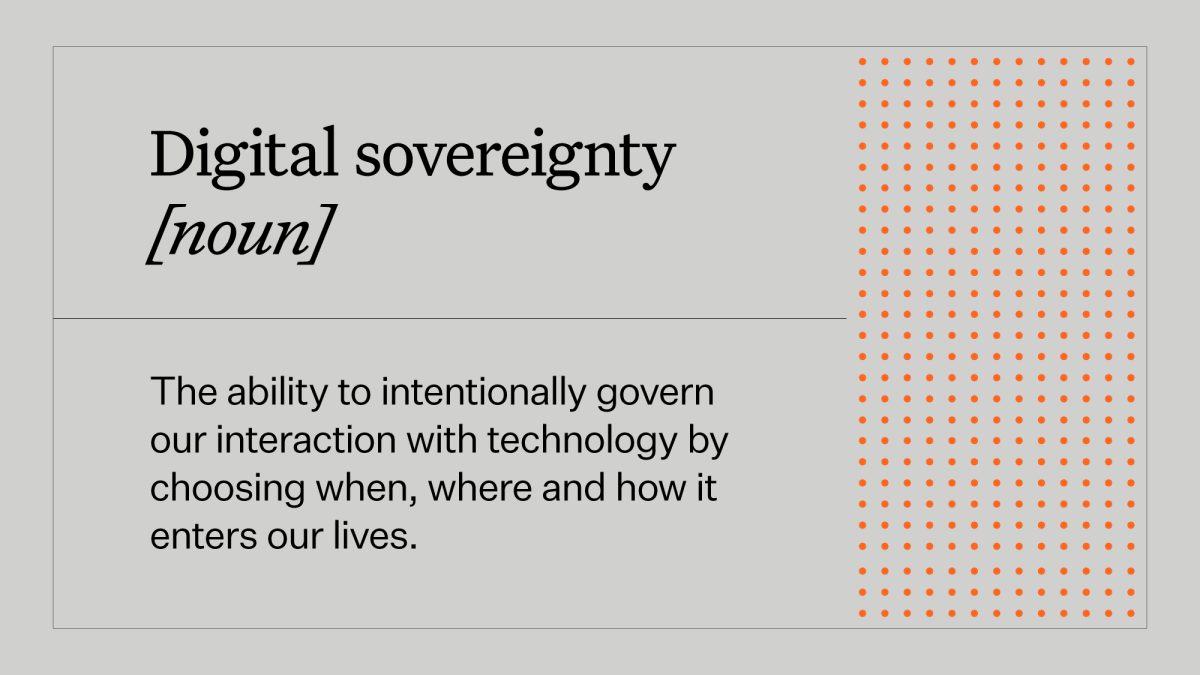
We’ve re-coined this term as the ability to intentionally govern our interaction with technology by choosing when, where and how it enters our lives.
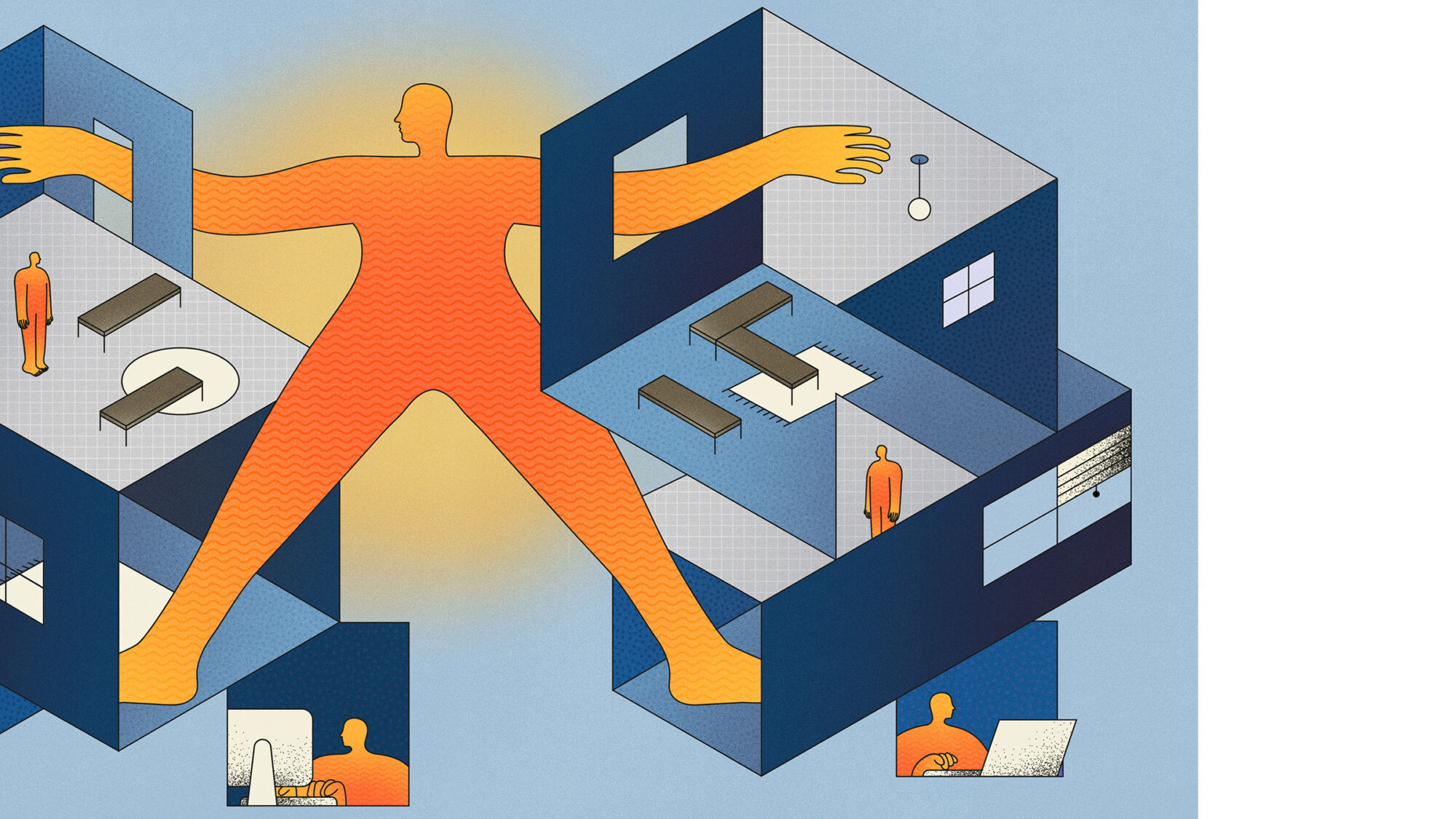
In the workplace, digital sovereignty empowers individuals to reclaim focus, presence and autonomy by making conscious decisions about how digital systems support, not dominate, their day. It is not the absence of technology, but the right to opt in and opt out of digital engagement on your own terms.
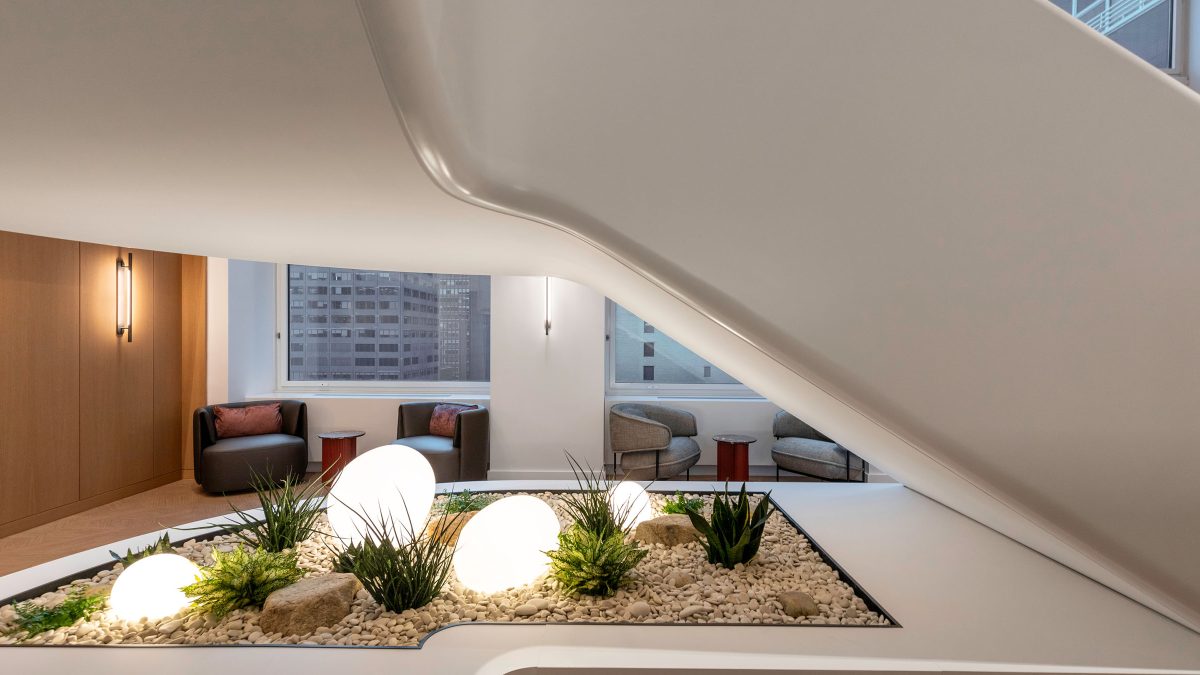
Whether through the design of screen-optional rooms, invisible-by-default systems, or quiet tech-free zones, digitally sovereign spaces give people the choice.
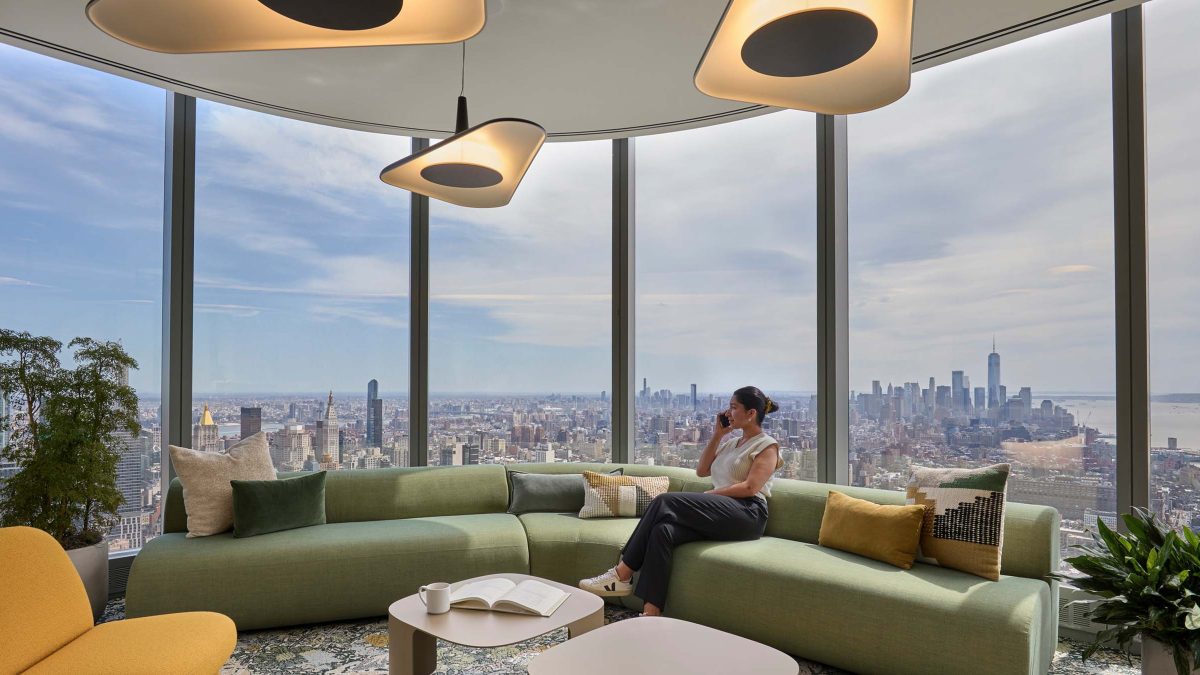
It’s less about removing technology and more about owning our relationship with it. It’s the power to opt in and out, and workplaces that enable this kind of autonomy will offer something more valuable than efficiency – relief.
Sam Farhang, Director, M Moser AssociatesLet’s talk about good tech. The type of tech that doesn’t scream for your attention. The type that fades into the background and makes your experience smoother without stealing focus.
Workplace design should support presence, and it is important to remember that a frictionless experience isn’t always a human one. Think, invisible-by-default design. This could be a door that opens when you’re nearby because your phone carries your access credentials, not a retinal scan to prove you belong. Tactile dimmers instead of app-based controls. VC systems that ‘just work.’ Because at the end of the day, you never thank the Wi-Fi when it works, but it defines your experience when it doesn’t.
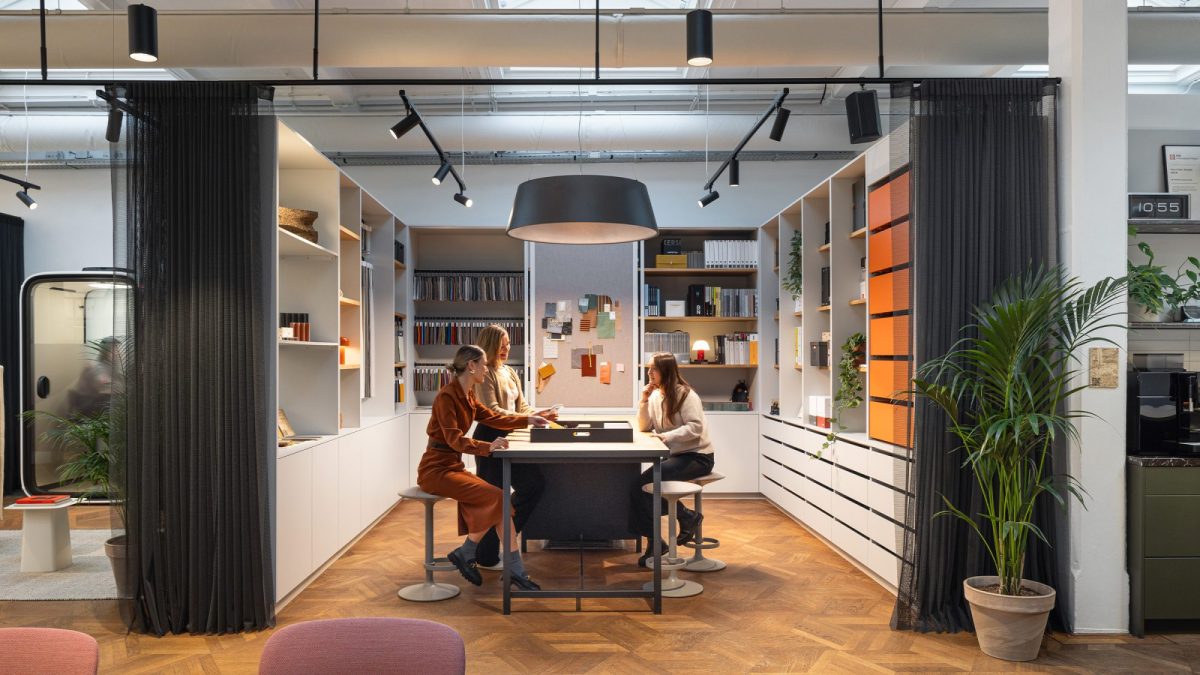
We’re not asking people to leave their devices at the door. We’re asking how space can help them pause.
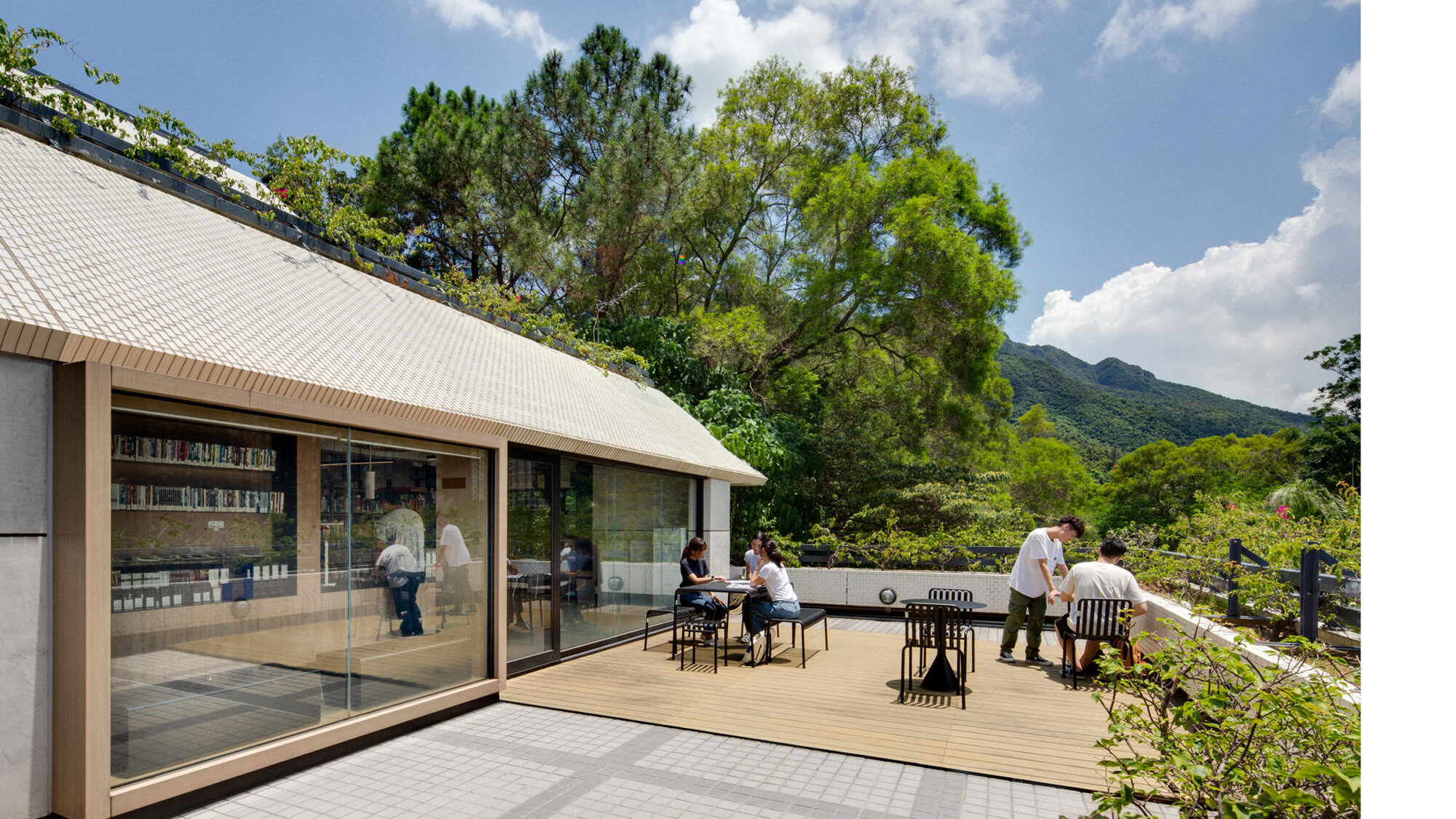
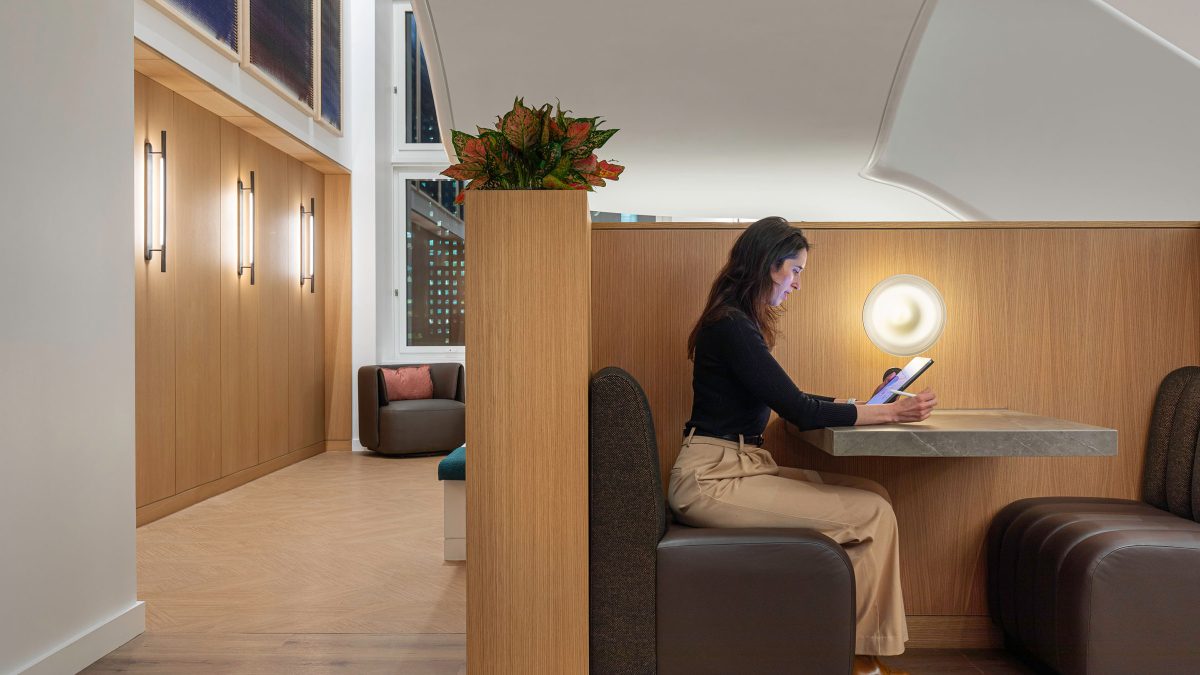
Take a recent space we designed within a library. No Zoom, no calls, no digital buzz, just a quiet zone for deep, focused work. A tech-optional zone. A screen-optional zone. A distraction-optional zone. Designing these spaces requires intention. When elements within these spaces are curated mindfully (light, sound and sensory), the mind follows.
But presence doesn’t only thrive in solitude, it’s also sparked in shared moments.
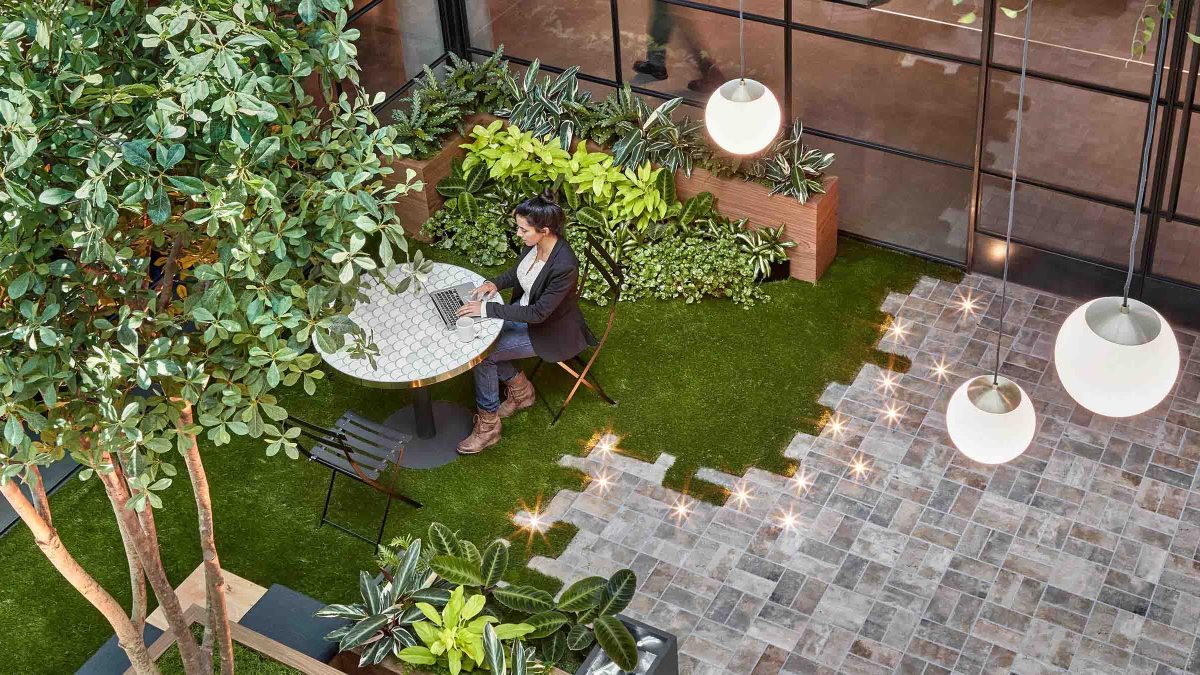
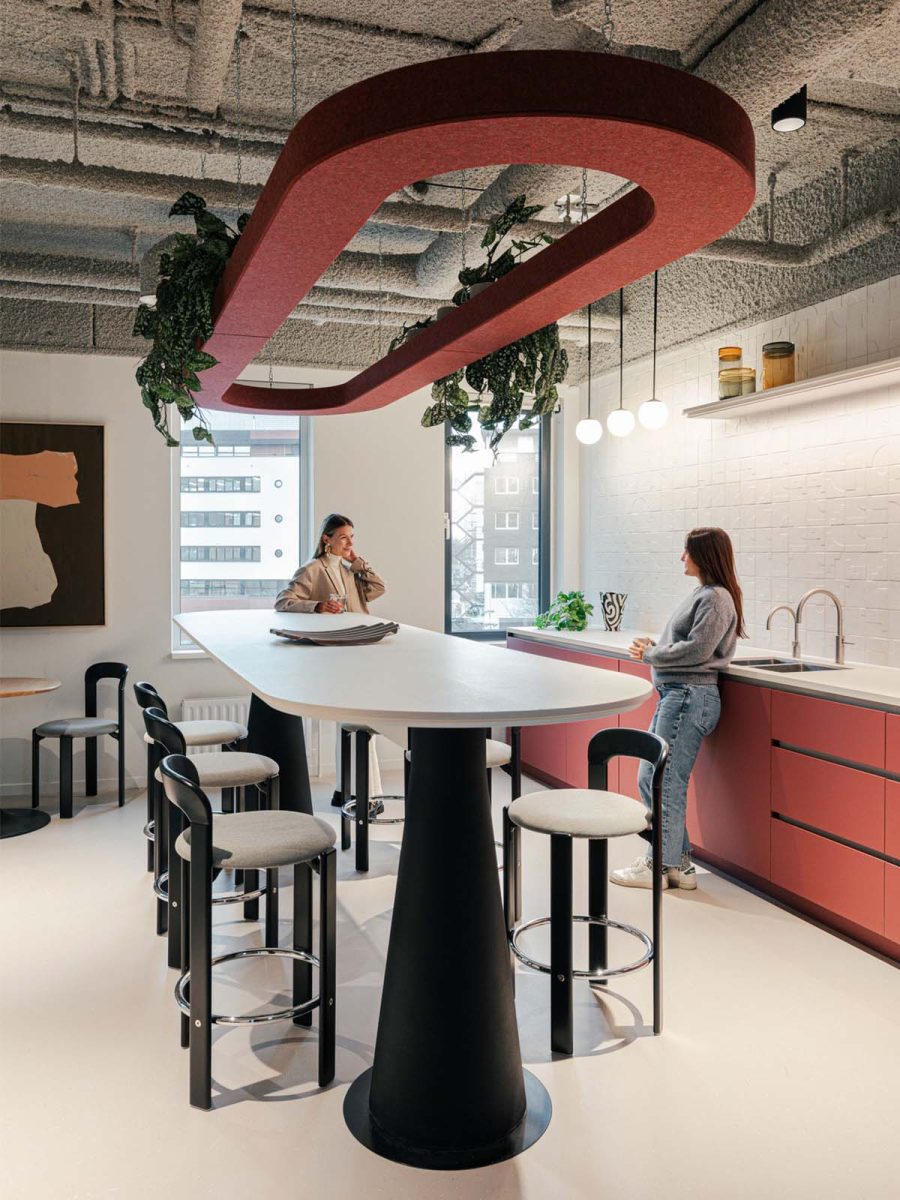
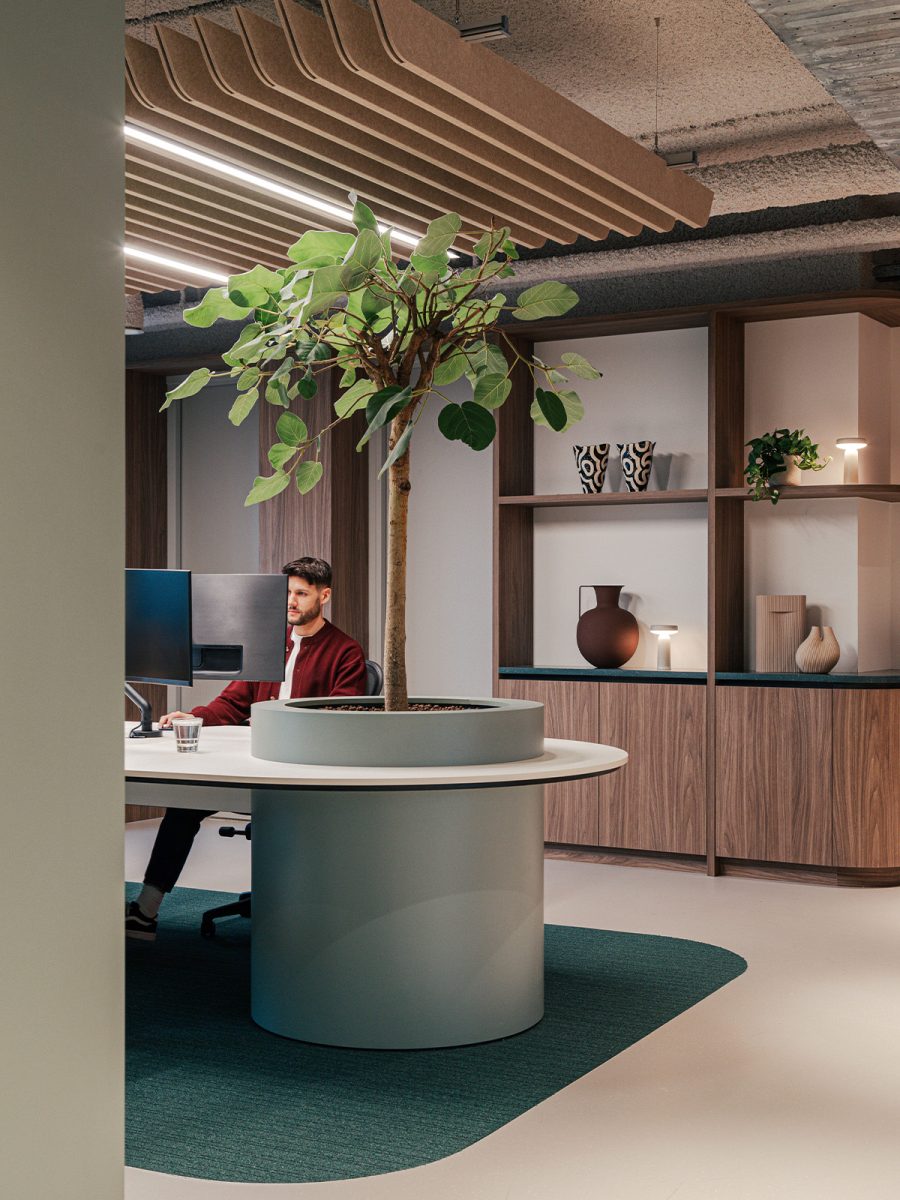
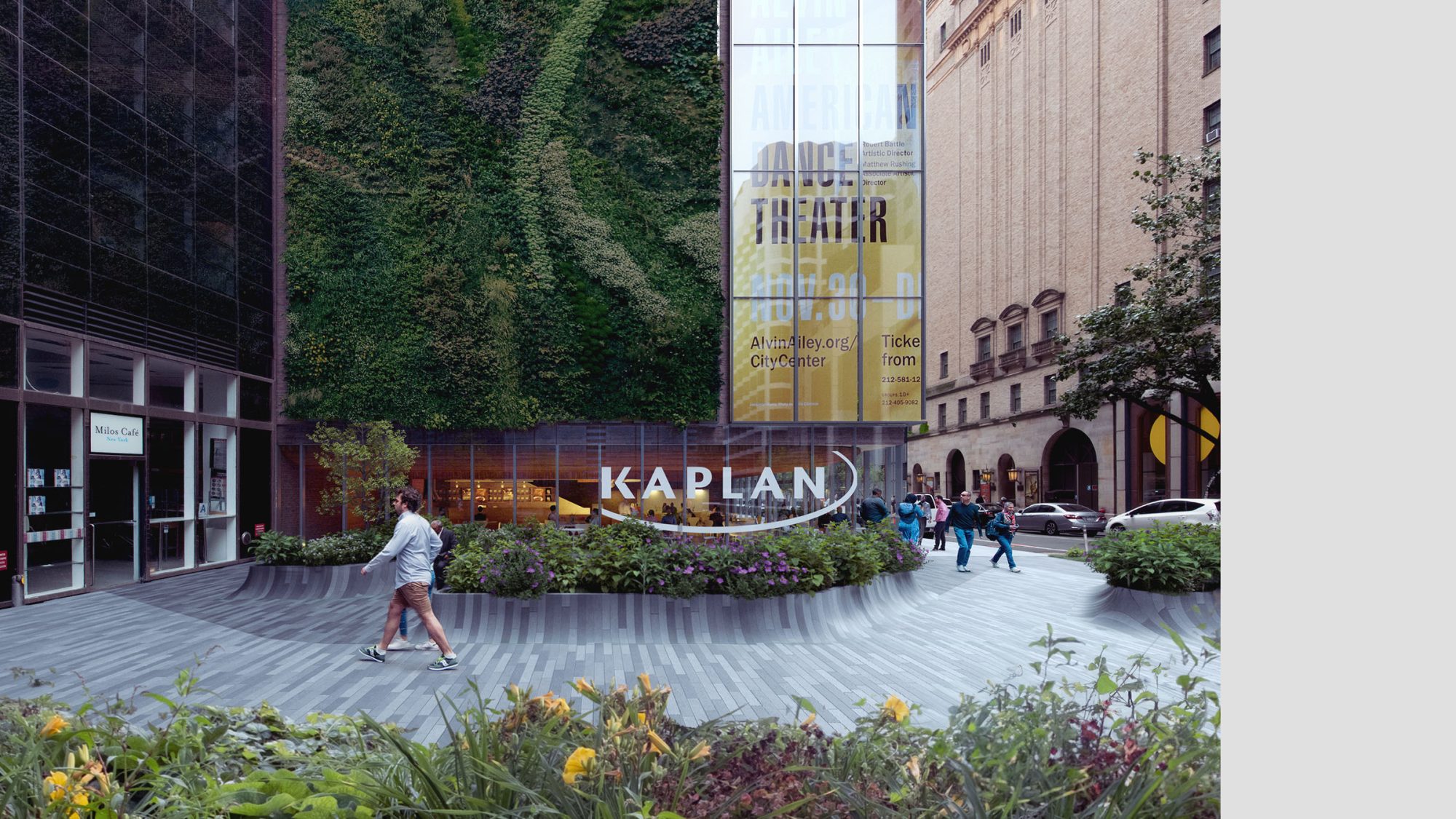
We know the first space (home). The second (work). The third (cafés, community hubs). But what’s the fourth?
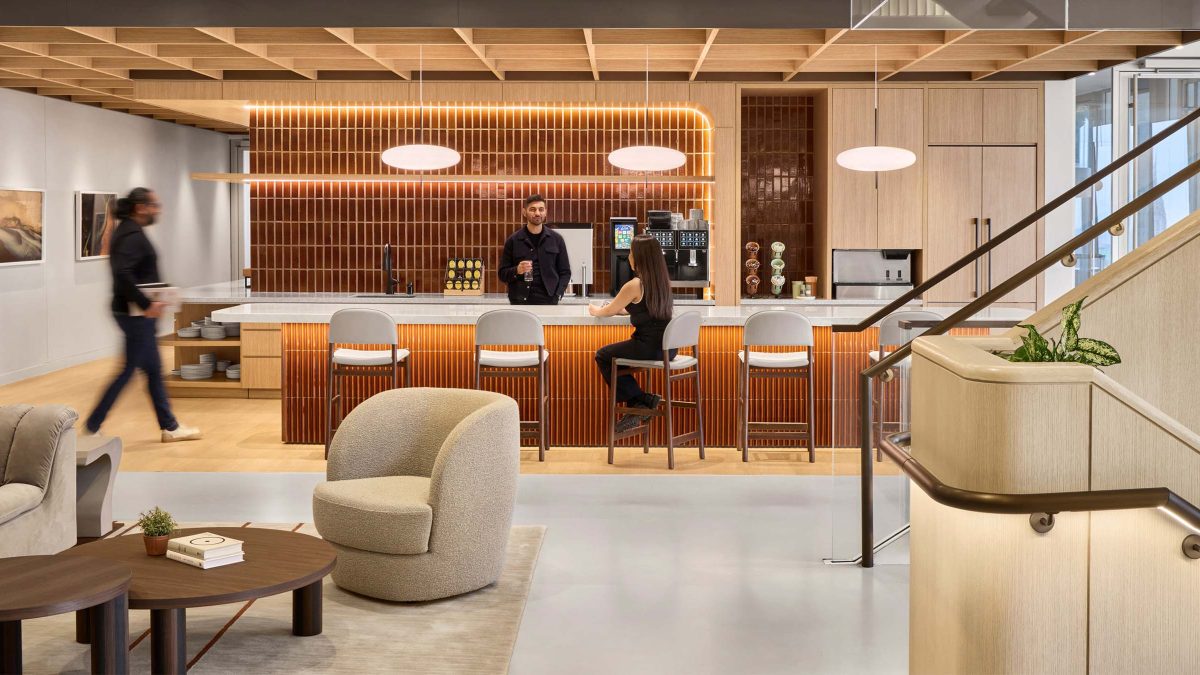
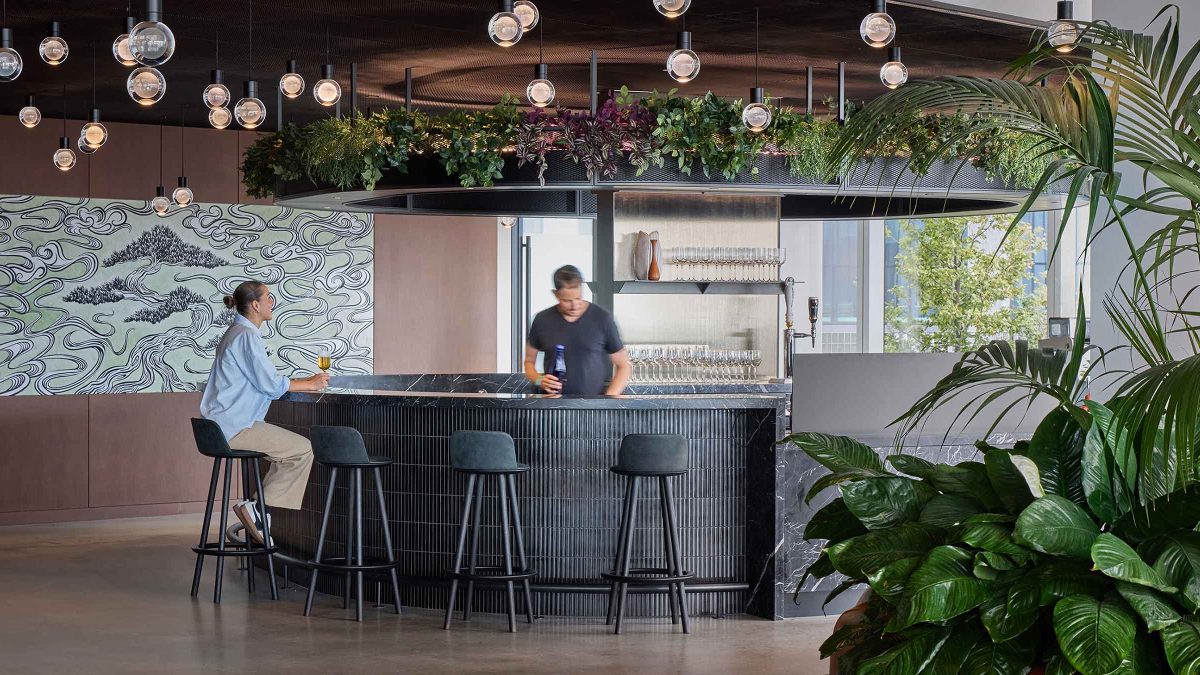
These spaces are part social, part sacred. Purpose-built for IRL micro-communities. Think cooking classes. Music rooms. Maker spaces. Not just amenities, but rituals, and aside from programming, they foster presence.
We’ve seen these types of spaces succeed firsthand in our living labs and client work. When we give people reasons to engage beyond task-based interactions, connection flourishes. People learn how to collaborate beyond coexisting.
Shared experience builds real culture. No swipe needed. And, just like connection, the environments that support it need to be real, tactile, sensory and grounded. The more digitally saturated our lives become, the more we’re drawn to spaces that feel human by design.
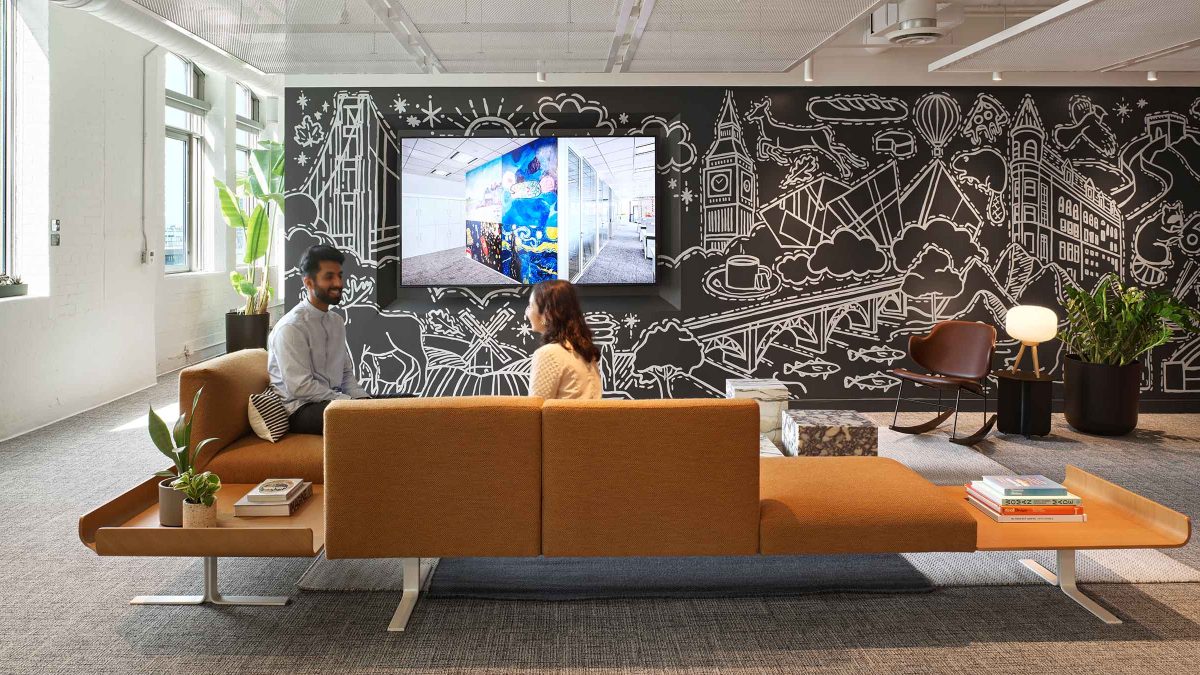
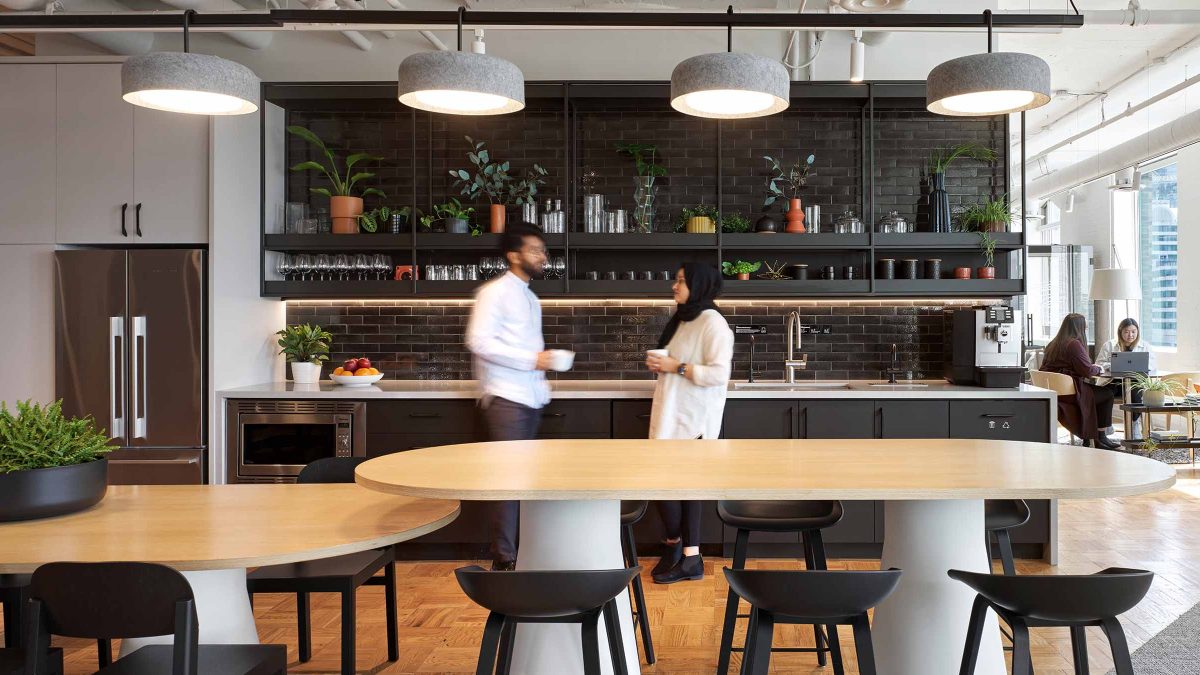
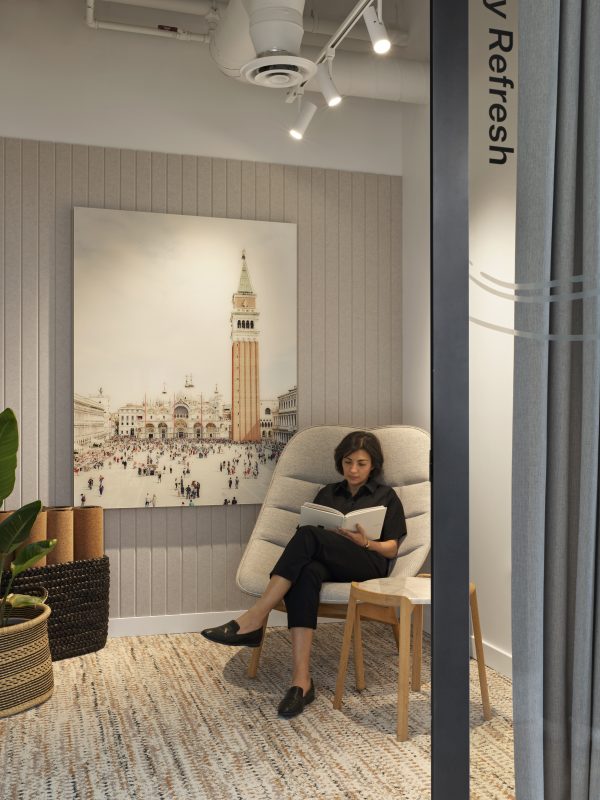 M Moser Associates
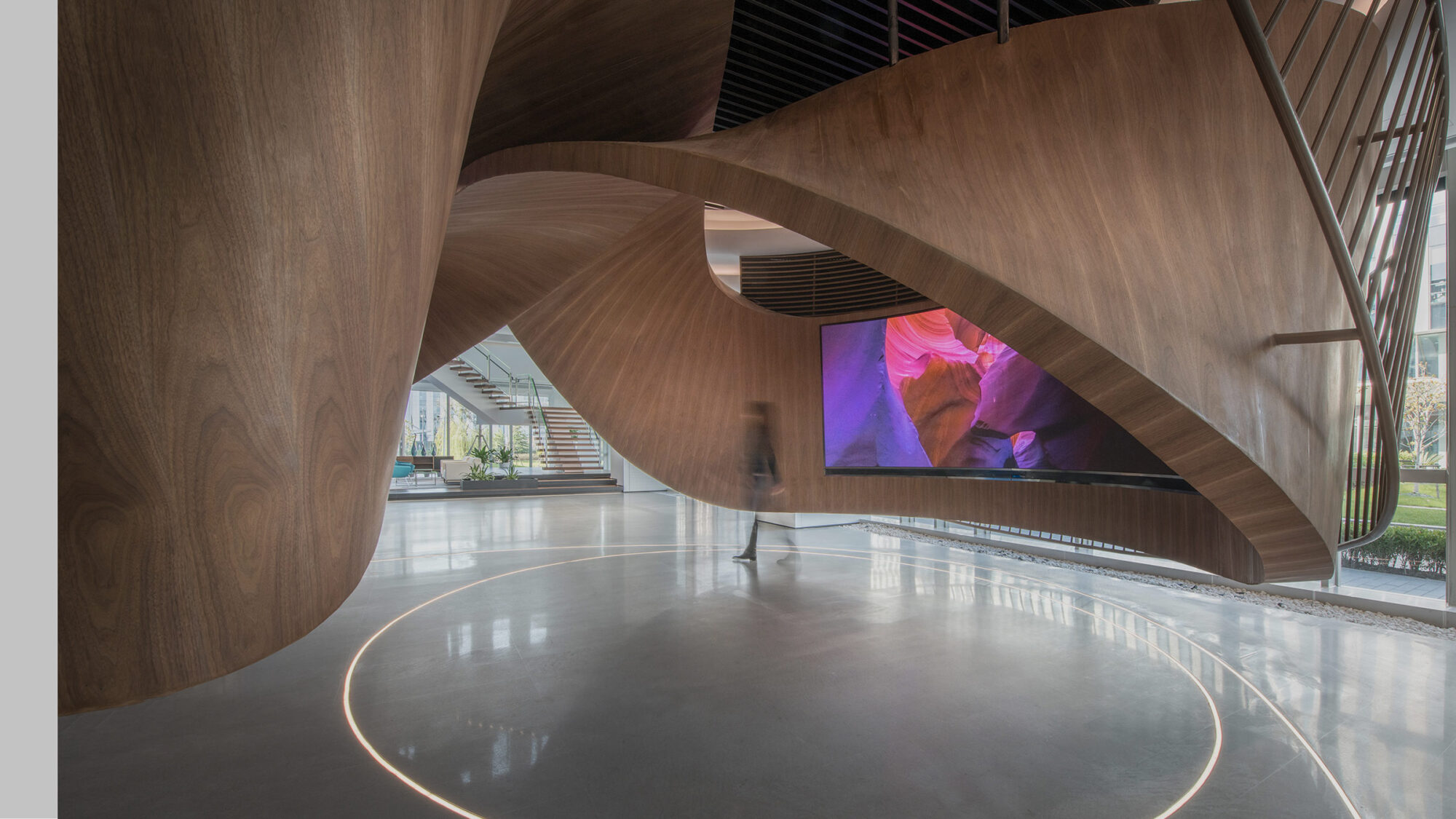
 In an era of automation, turning a dial can feel revolutionary (and I’m talking about a physical dial).
We’ve designed conference rooms where screens stay off by default for the first few minutes, so conversation starts between people instead of pixels. We’ve brought back writable walls, textured surfaces and furniture that invites touch, not just use.
This is part nostalgia, but it’s mostly neuroscience. Patina, imperfection and warmth are qualities we crave in a world optimised for digital sameness.
It all comes back to intention. Instead of analogue design choices feeling outdated, they are becoming more and more deliberate, and in many cases, more reliable. After all, nobody ever had to reboot a doorknob. And what about how we move through space? Sometimes, the most meaningful experiences emerge not from removing friction, but from designing just the right amount of it.
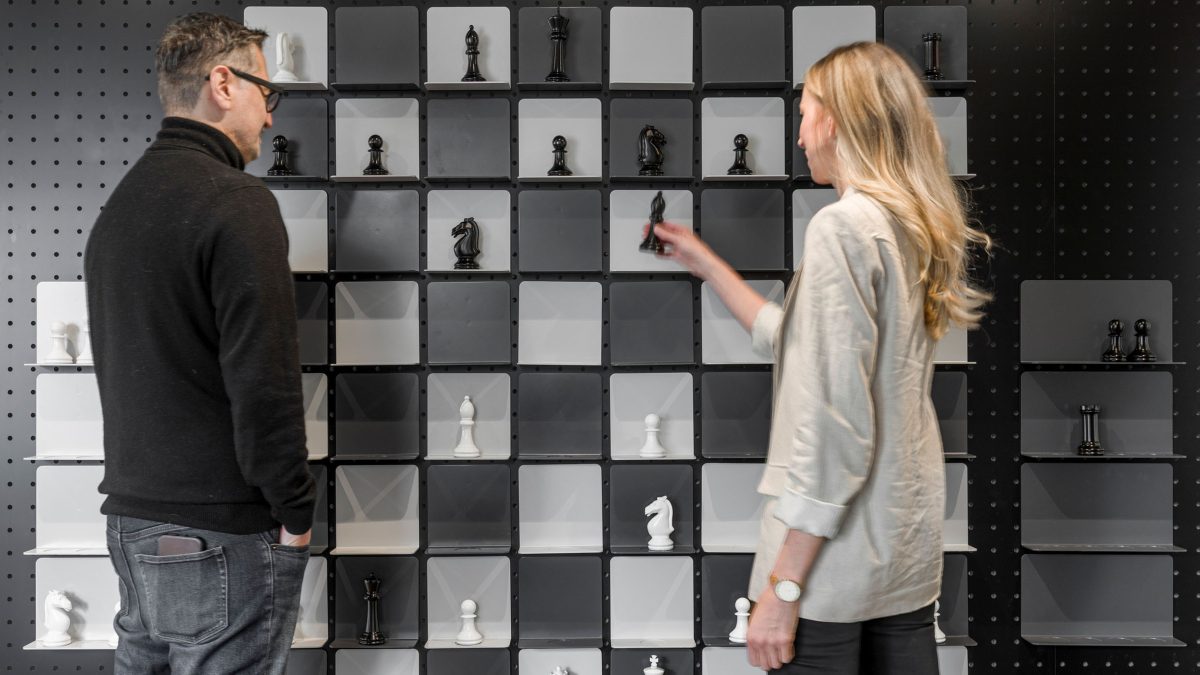
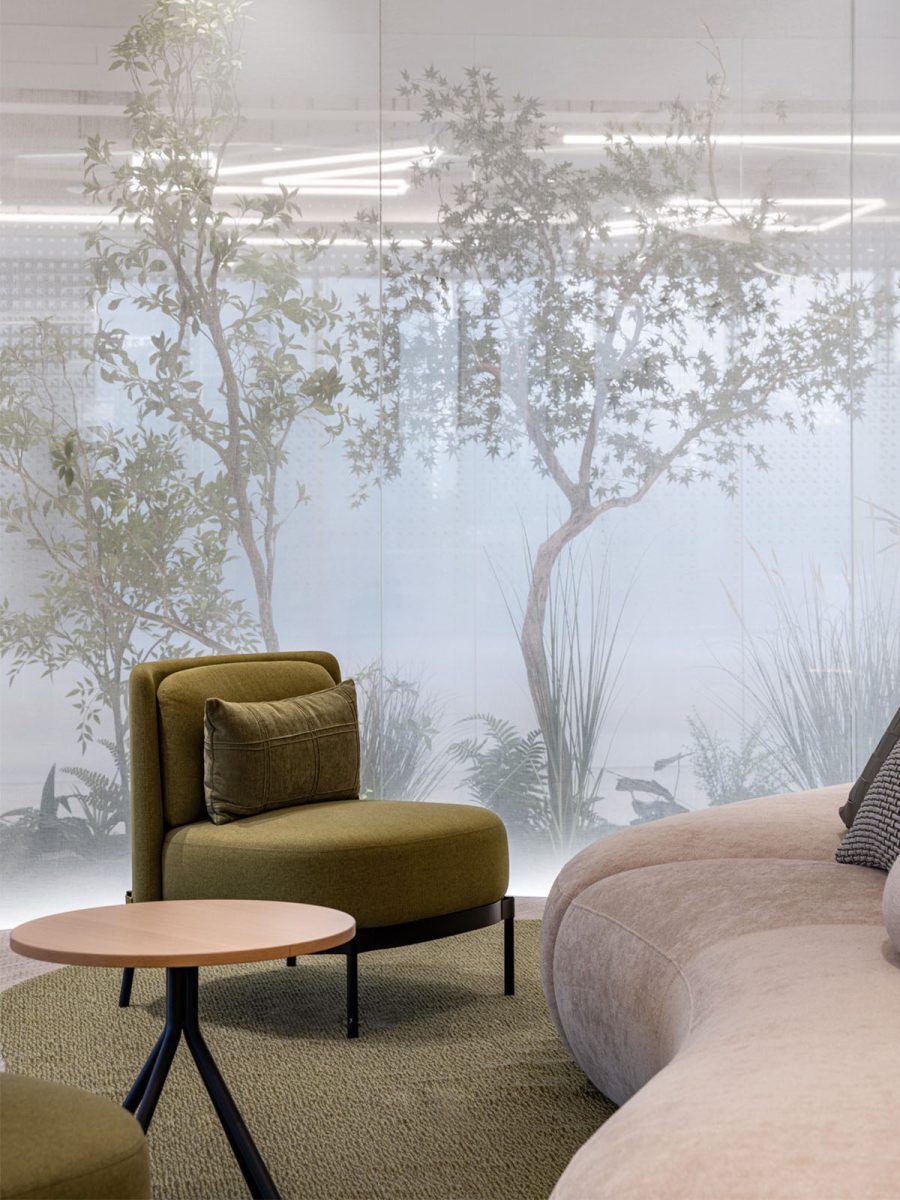
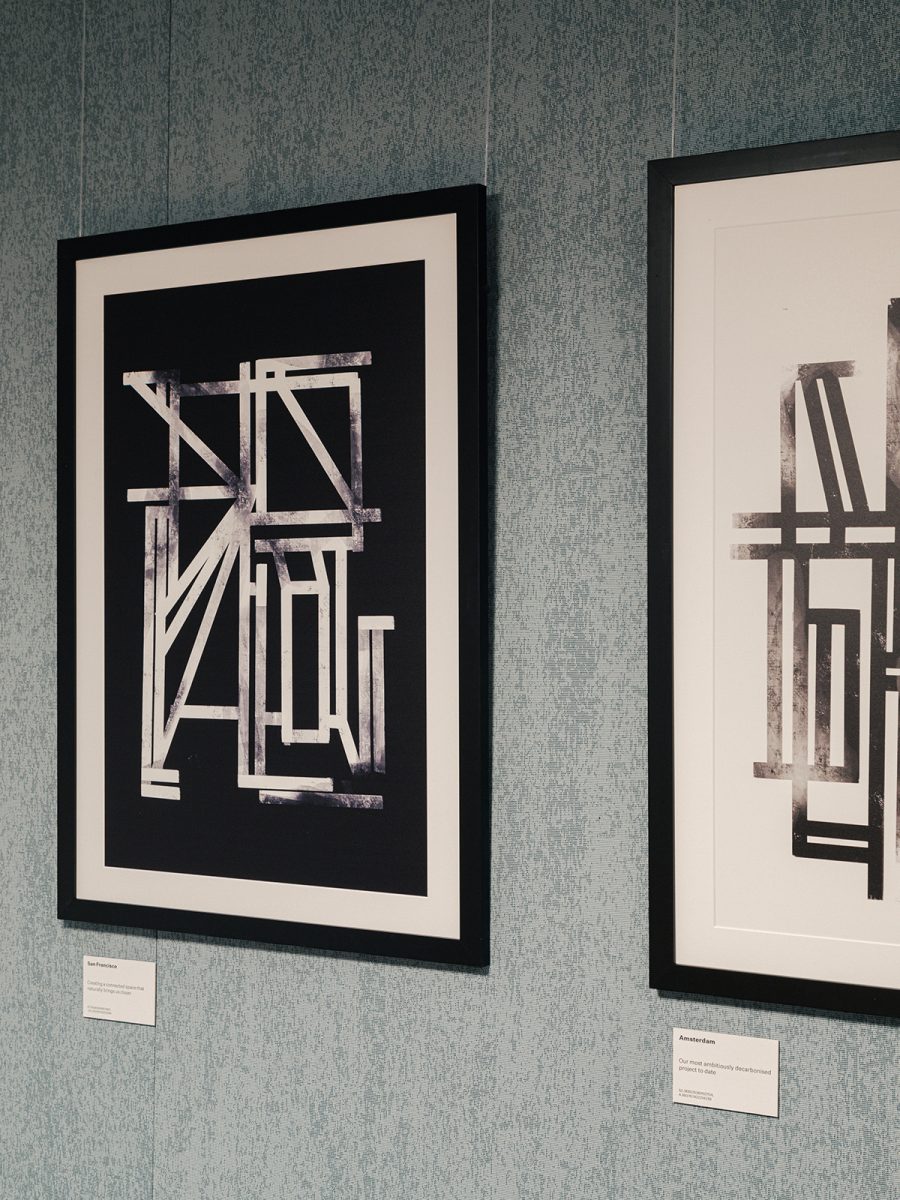
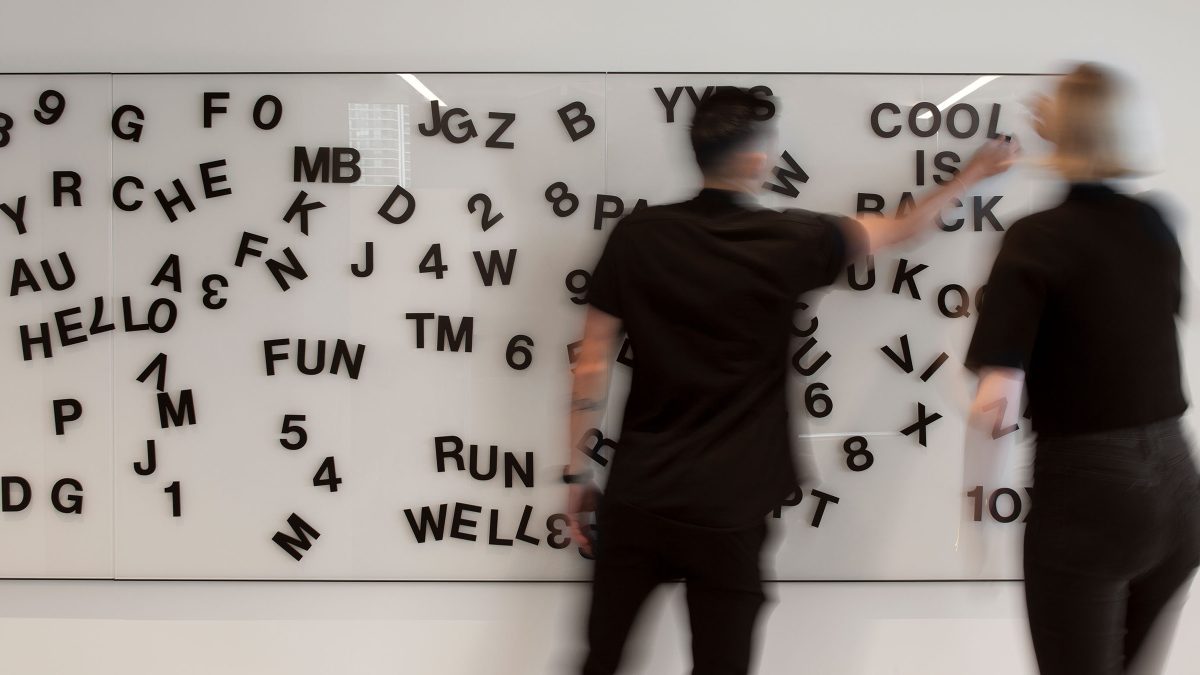
What if I said we don’t need more technology, but more thoughtful friction?
That moment waiting for your cappuccino? What if it’s not a delay but a chance to connect. The long walk to the printer? Not a design flaw, a designed opportunity for a serendipitous encounter. These micro-moments are engineered connection points and are as deliberate as any floor plan or sensor.
This is what integrated design makes possible. When architects, strategists, technologists and brand experts collaborate from the start, we can intentionally sculpt the habits, moods and behaviours that make space and people come alive.
In an AI-enabled world, that’s what makes a workplace human.
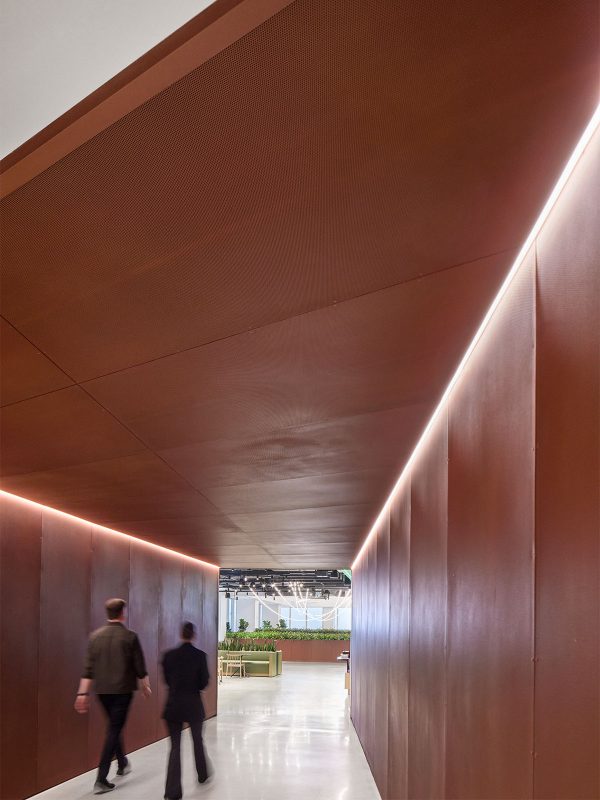
Designing for presence means doing more of what matters, on purpose. It means resisting the impulse to automate every step, and instead embedding values into material, culture into space and humanity into the everyday.
The renaissance of real is not anti-technology but a return to balance. A reminder that the most powerful experiences don’t happen on a screen, they happen between people. The most meaningful moments in the workplace aren’t streamed or simulated. They’re felt in a shared laugh while waiting for coffee, in the quiet of a focus room, in a nod across the table that says, ‘I see you.’
The true value of the workplace lies in the unrecorded, unhurried, human moments of connection, while the best technology is the kind that disappears so that people can reappear to each other. Spaces that make us aware of ourselves, of others, of the moment we’re in.
Those are the types of spaces we create.
Director