
People experience the same workplace in different ways. A busy, social area might help one person feel energised, while another finds it distracting. That difference matters when a workplace needs to support many people and ways of working.
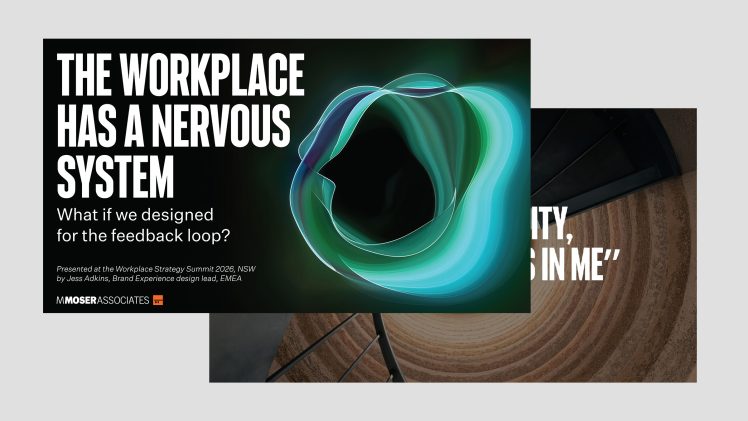
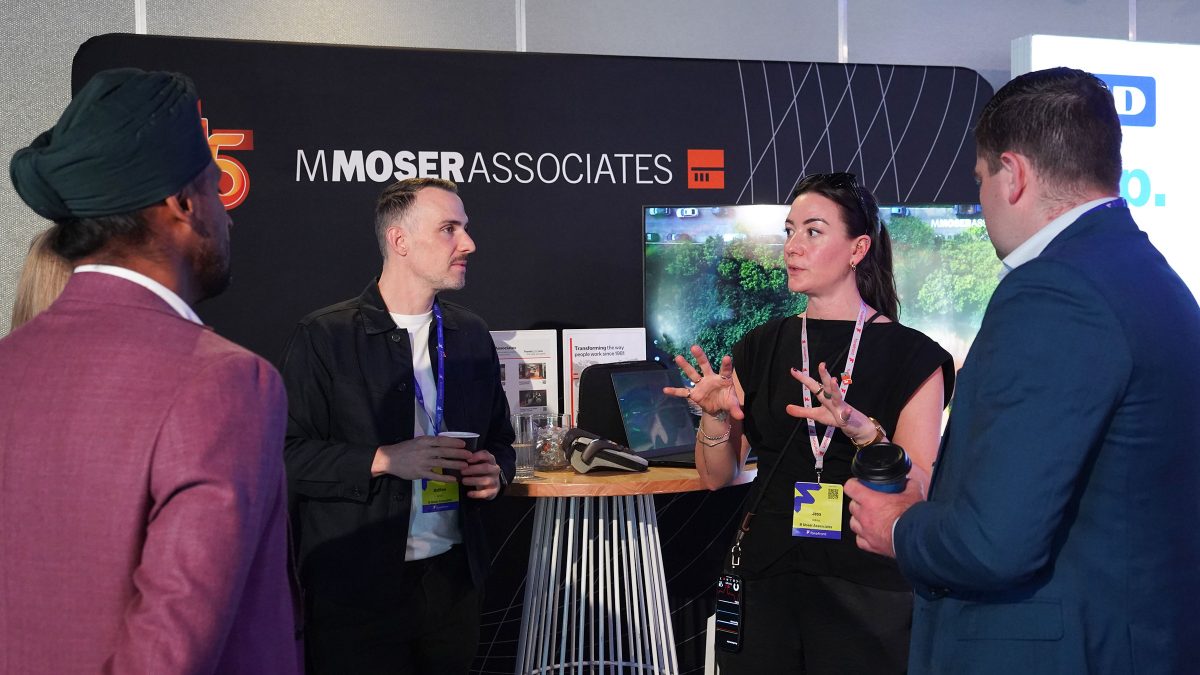
At Workplace Strategy Summit NSW, Brand Experience Design Lead for EMEA Jess Adkins explored how designers can account for these varied responses. Her presentation, “The Workplace Has a Nervous System: What if we designed for the feedback loop?”, examined how people’s experiences of a space might inform the way it is designed and used.
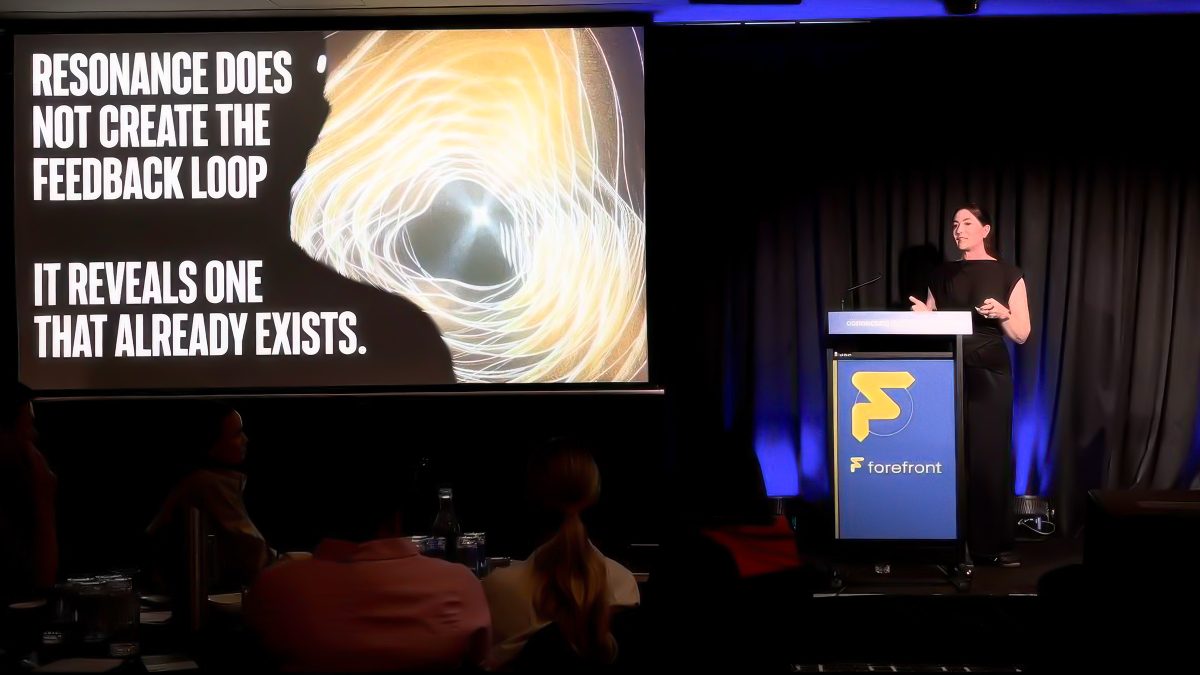
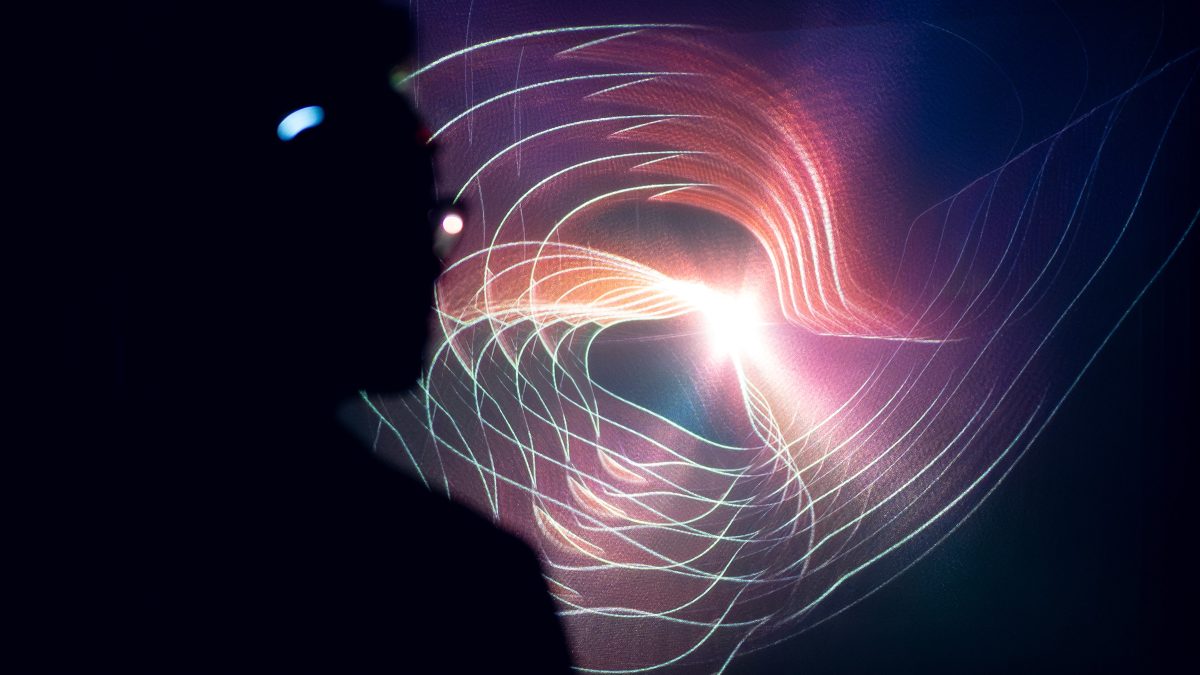
Jess introduced Resonance, an interactive installation created by M Moser. Participants wear an EEG headset that translates electrical activity in the brain into light and sound, prompting the installation to respond. It offers a way to consider how individuals respond to their surroundings and how those responses differ.
She also outlined five lenses for applying this thinking to workplace design: attention, agency, restoration, stimulation and connection. These can help teams ask more specific questions about how a space should support people: Where do they need to focus? Where can they choose how to work? Where can they pause, find stimulation or connect with others?
The answers can inform user journeys and design decisions, then help teams understand how a workplace performs once people are using it. Jess encouraged designers to consider what feelings a workplace should support, what experiences might create them and what behaviours could follow.
This thinking can also help organisations examine whether the culture and values their brand communicates are reflected in the everyday workplace experience. Our brand strategy and brand experience teams can help clients define the experience they want to create, then carry it through the workplace journey, giving organisations a clearer basis for shaping a workplace people want to return to.