

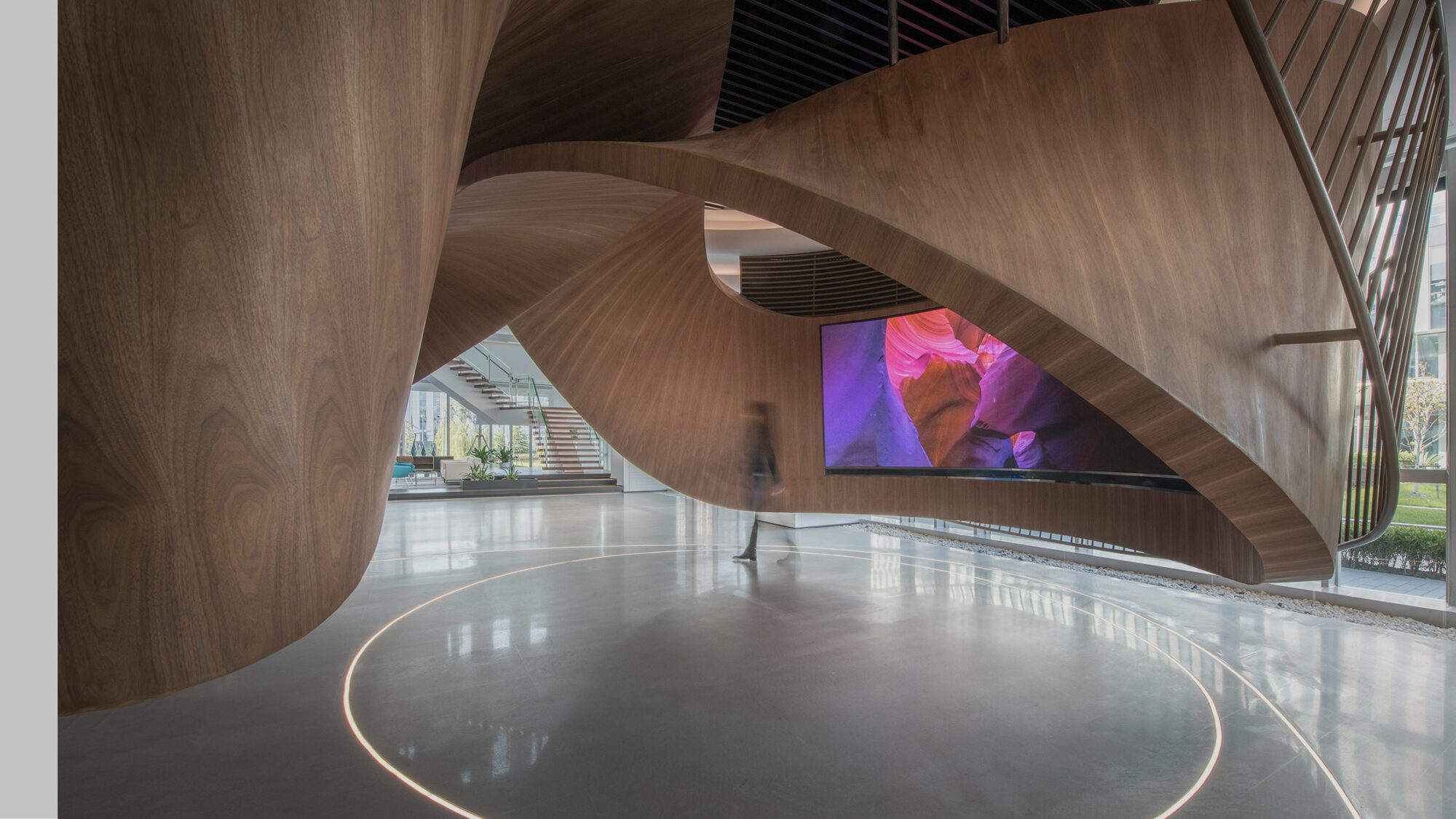
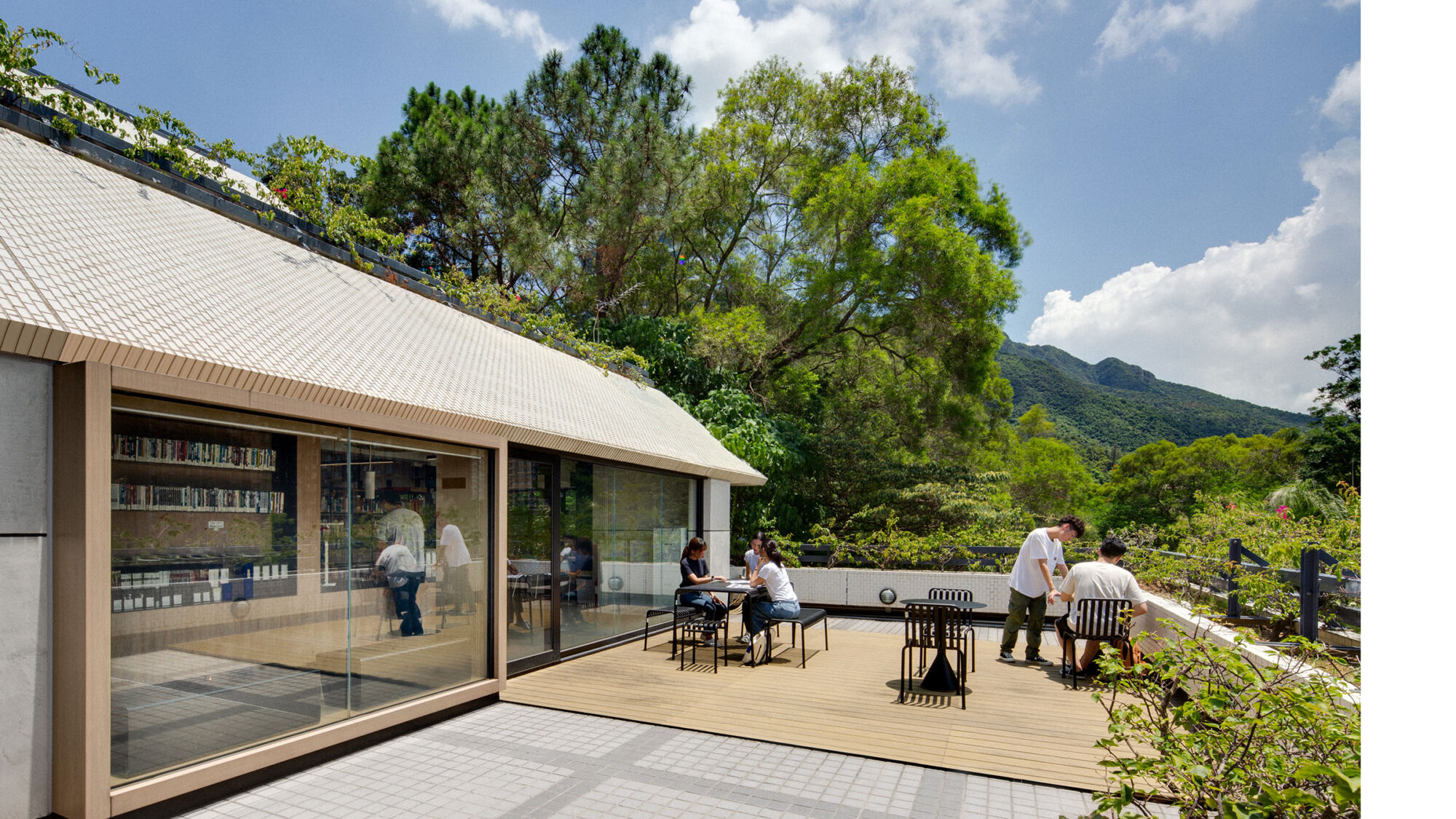
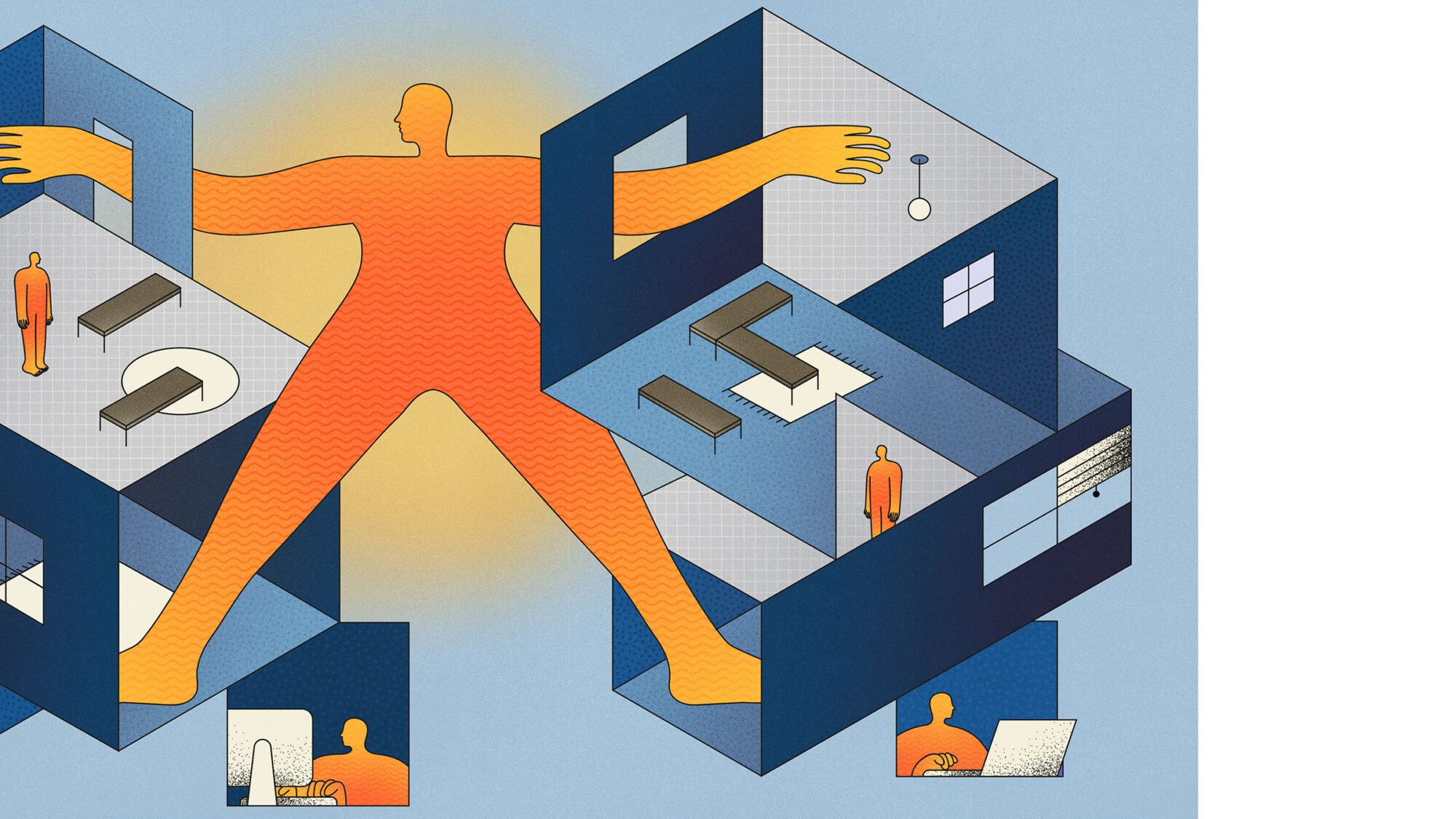
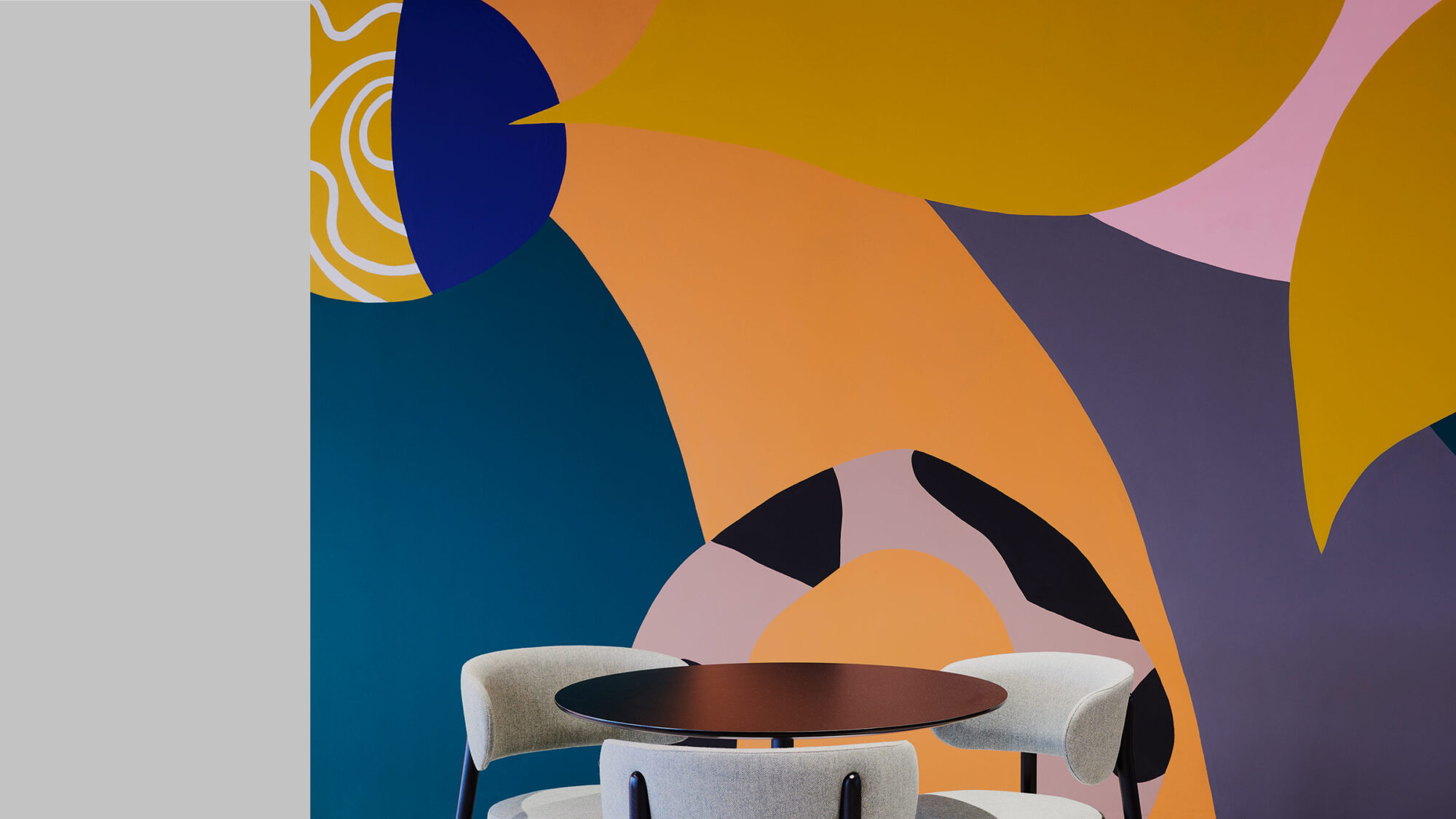
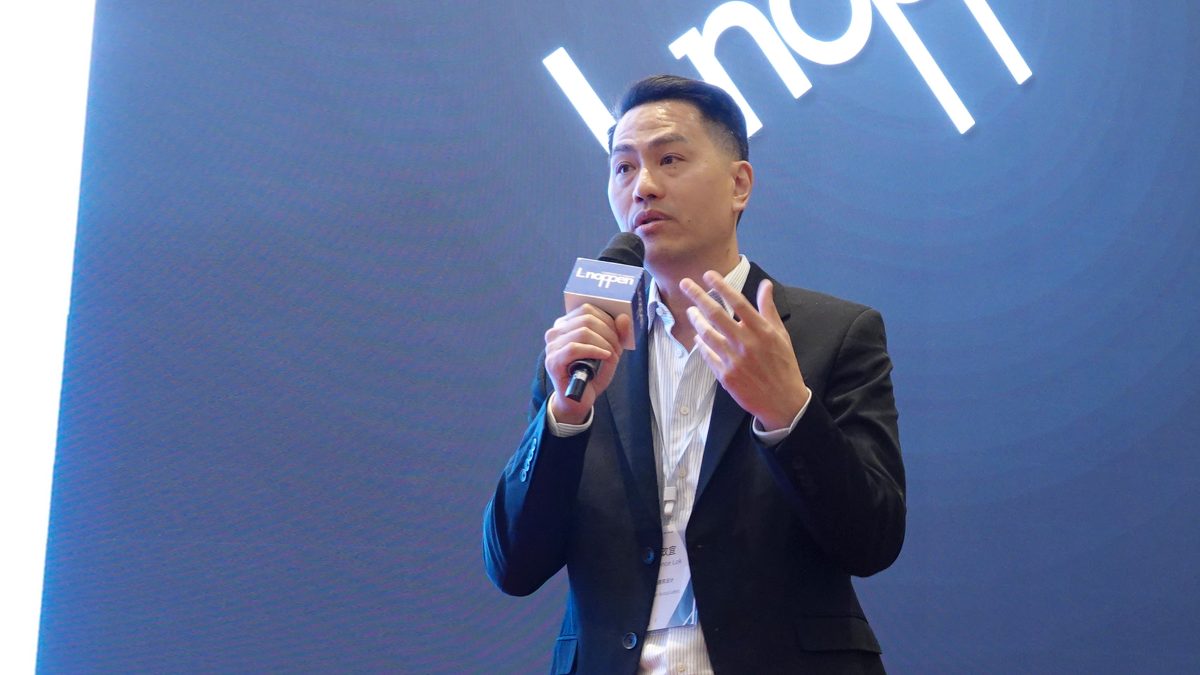
How can a headquarters advance business goals while meeting the needs of the people who use it? At the 12th Workplace+ China Summit in Shenzhen on 12 November, Director Lawrence Lok shared how our expertise across architecture, engineering, technology and project delivery helps clients address this question.
His presentation, “Headquarters for the Future: Integrating Architecture, Technology and Human Experience”, drew on international projects and our latest work in China to explore how headquarters can express business ambitions, support collaboration and adapt to change.
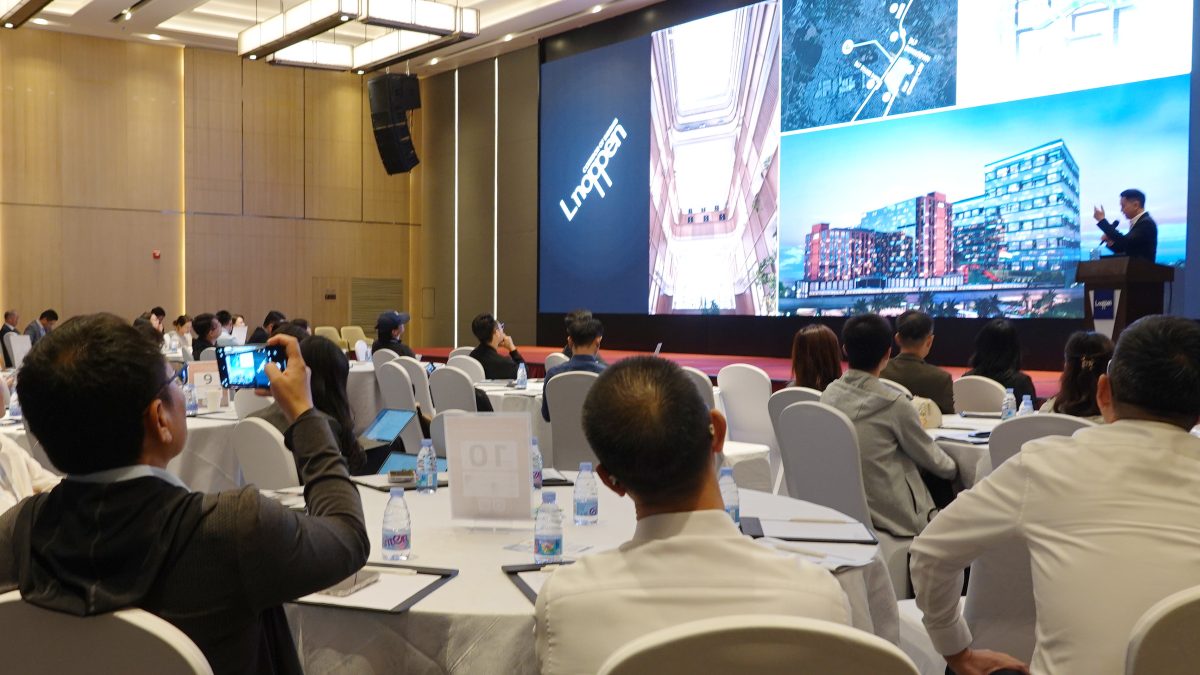
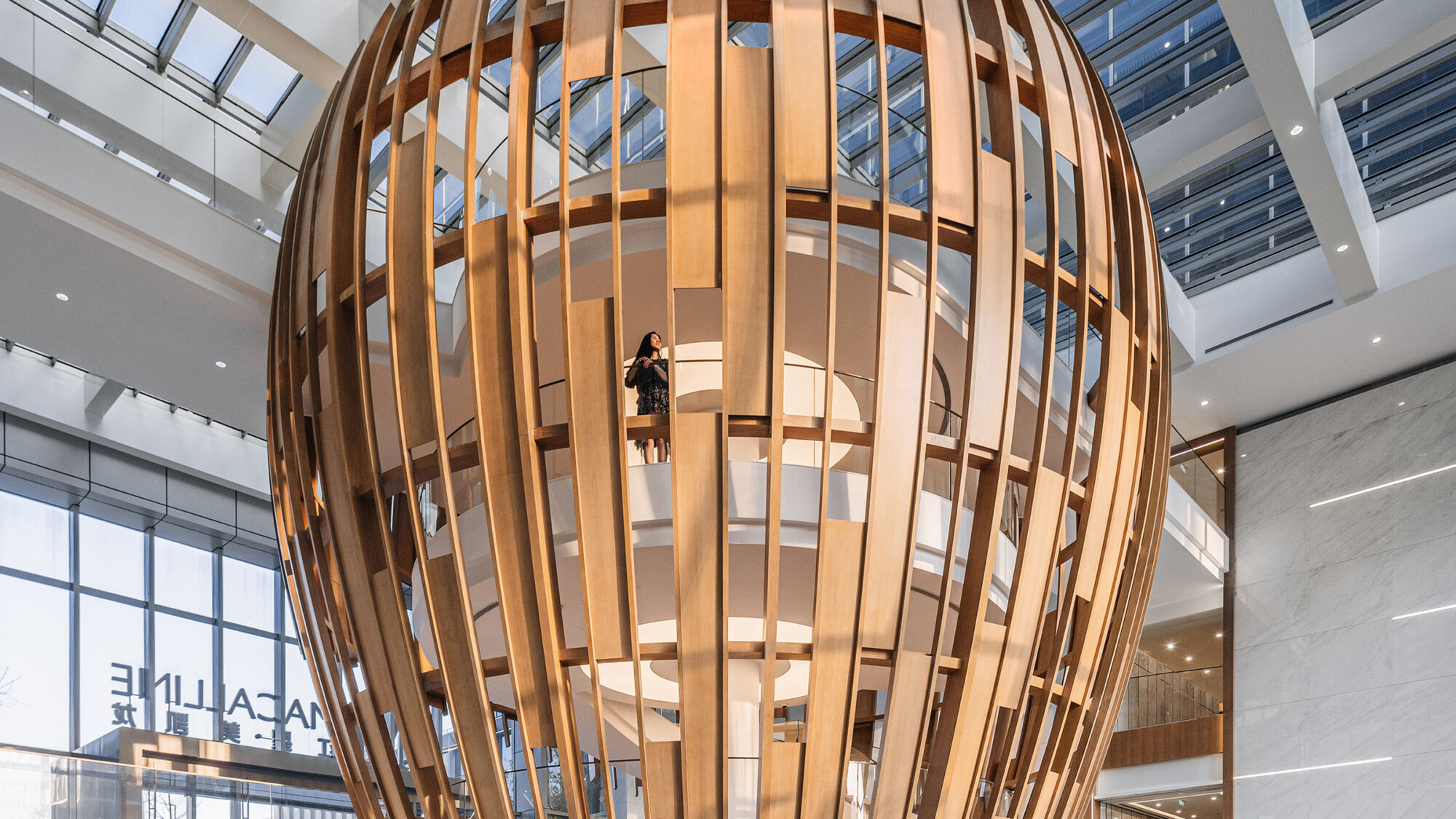
For a corporate headquarters in Cebu, Philippines, the client wanted to renew its brand image and connect with a new generation of customers. Lawrence described how discussions with the client informed the choice of a distinctive landmark over more conservative architectural options, giving physical expression to the organisation’s direction and commitment to its customers.
Our role brought that ambition into practical design decisions. Working with structural and building services consultants, we coordinated building form, functional requirements, spatial flexibility and environmental performance. An approach that balances brand identity with operational needs, helping the client create a headquarters with both an immediate presence and lasting value.

Large headquarters projects require decisions across departments, building systems and construction phases. Our multidisciplinary expertise helps clients understand these dependencies early, assess trade-offs and align design ambitions with operational priorities.
Lawrence discussed how we use AI and building information modelling (BIM) to support option evaluation and coordination, helping teams identify conflicts between spatial layouts and engineering systems before construction. Connecting this work with construction planning helps reduce rework risk and supports phased delivery around business needs.
At HSBC’s New York headquarters, our expertise spans workplace design, building services engineering, smart technology, systems integration and commissioning. Bringing these disciplines together connects employee experience with the systems that support it.
Employees can use temperature, lighting and noise information to choose suitable work settings. The digital twin and environmental data help operations teams understand space and system performance, informing energy management and future adjustments. For the client, this provides a basis for managing and improving the workplace beyond handover.

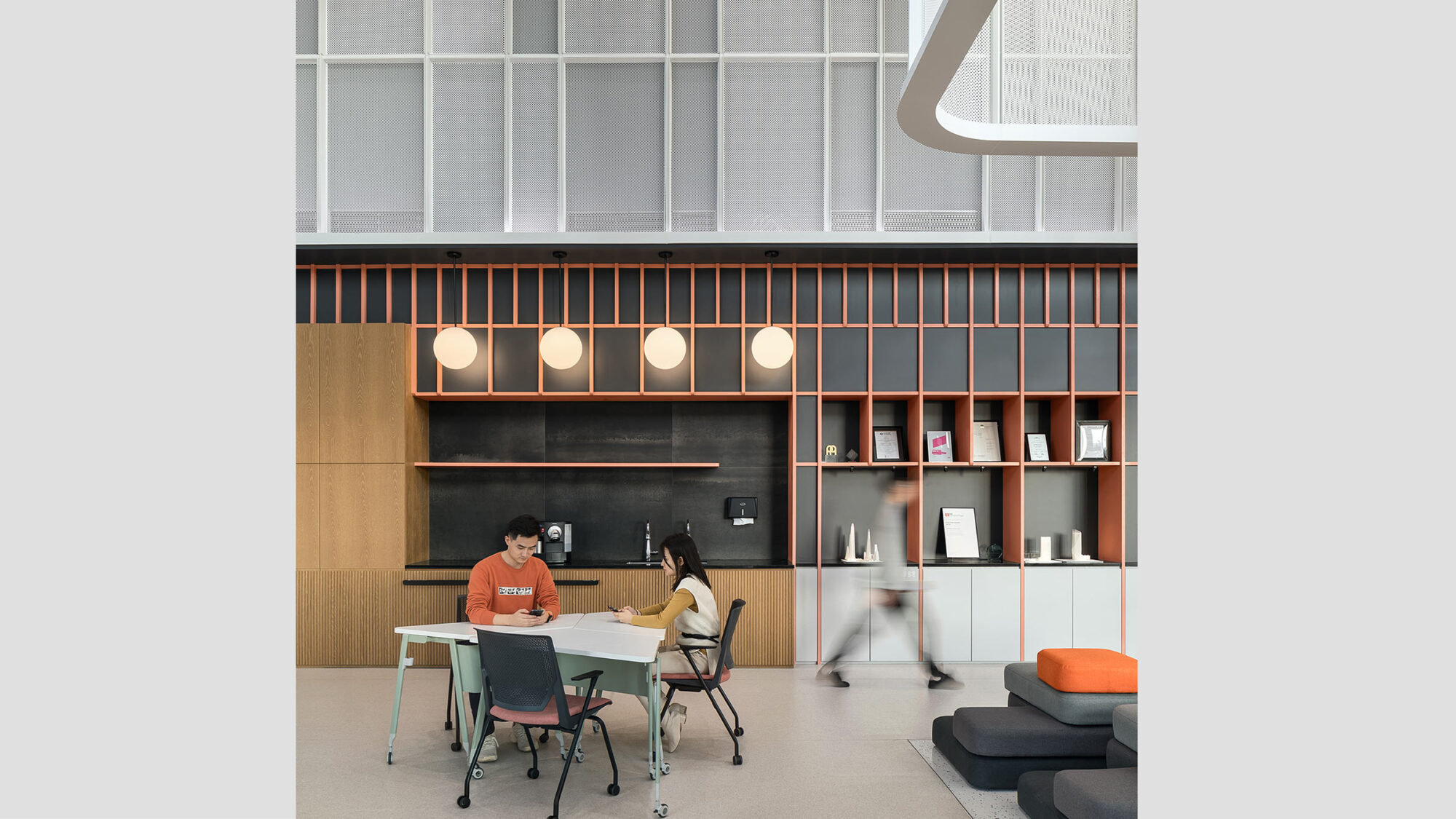
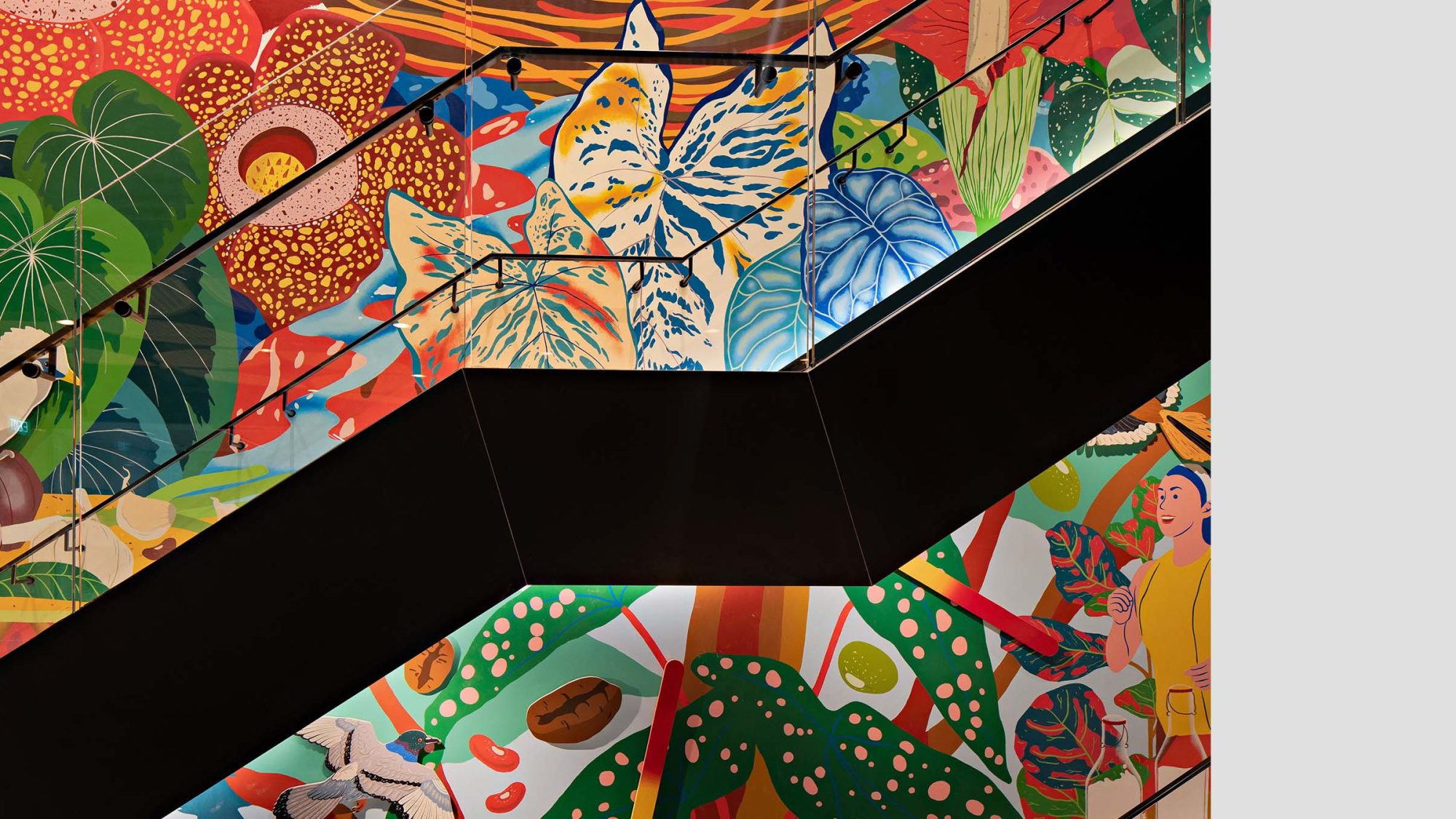
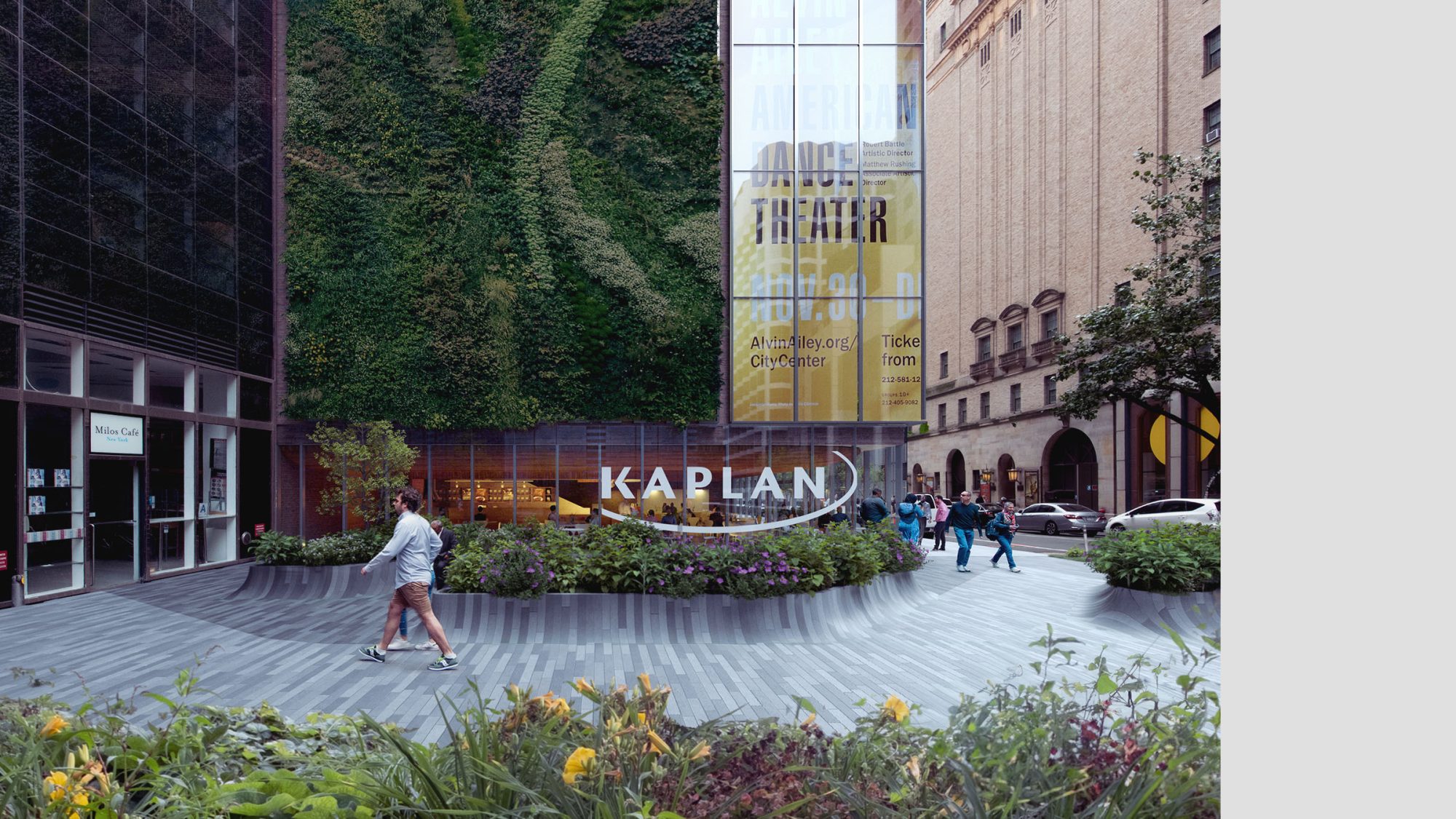
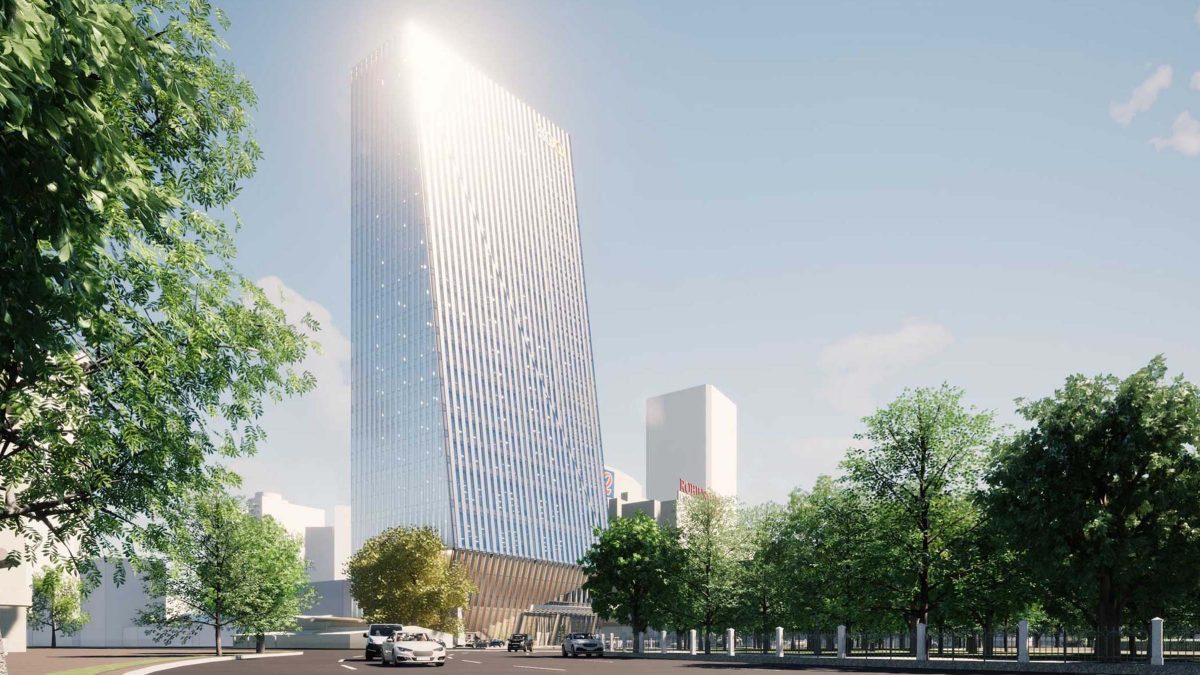
Lawrence also presented our latest headquarters work in China, particularly in Shenzhen, exploring how business direction, brand identity and innovation ambitions shape spatial planning and everyday experience. Across these projects, M Moser helps clients connect strategic goals with design and delivery decisions, creating headquarters that support people, operations and long-term business development.
