




In our latest Place of Work podcast episode, Suzanne Ries, Senior Sustainability Strategist, sits down with Samantha Allen, Associate Director of Engineering Technology and Sustainability, to discuss: how do you lead on sustainability without breaking the bank?
Certifications like LEED, BREEAM and WELL are widely recognised benchmarks for sustainable design. But are they always essential?
Sam acknowledges the value certifications bring, from international recognition to structured benchmarks, but she emphasises they are not the only path.
“You don’t need a plaque on the wall to be sustainable,” she explains. “What’s most important is defining what sustainability means for your organisation, then we can help translate that into the design, engineering and operational solutions.”
Instead of chasing credits, businesses can redirect investment into tangible outcomes: reducing energy use, improving wellbeing, or adopting circular design practices. These measures often deliver greater long-term value and are easier to communicate to stakeholders.
A key theme is the growing focus on carbon. The built environment is one of the largest contributors to climate change, with both operational and embodied carbon emissions requiring attention.
Operational carbon, which comes from heating, cooling, lighting and daily building use, makes up the majority. Sam emphasises that tackling this first is essential.
Embodied carbon, though a smaller share, is often overlooked, especially in fit-outs. Better data and technology are helping to close this gap and provide businesses with clearer insights into their environmental impact.
We’re not going to reach net zero without addressing operational carbon. It’s the largest contributor and it continues throughout a building’s life.
Sam Allen, Associate Director in Engineering, Technology and Sustainability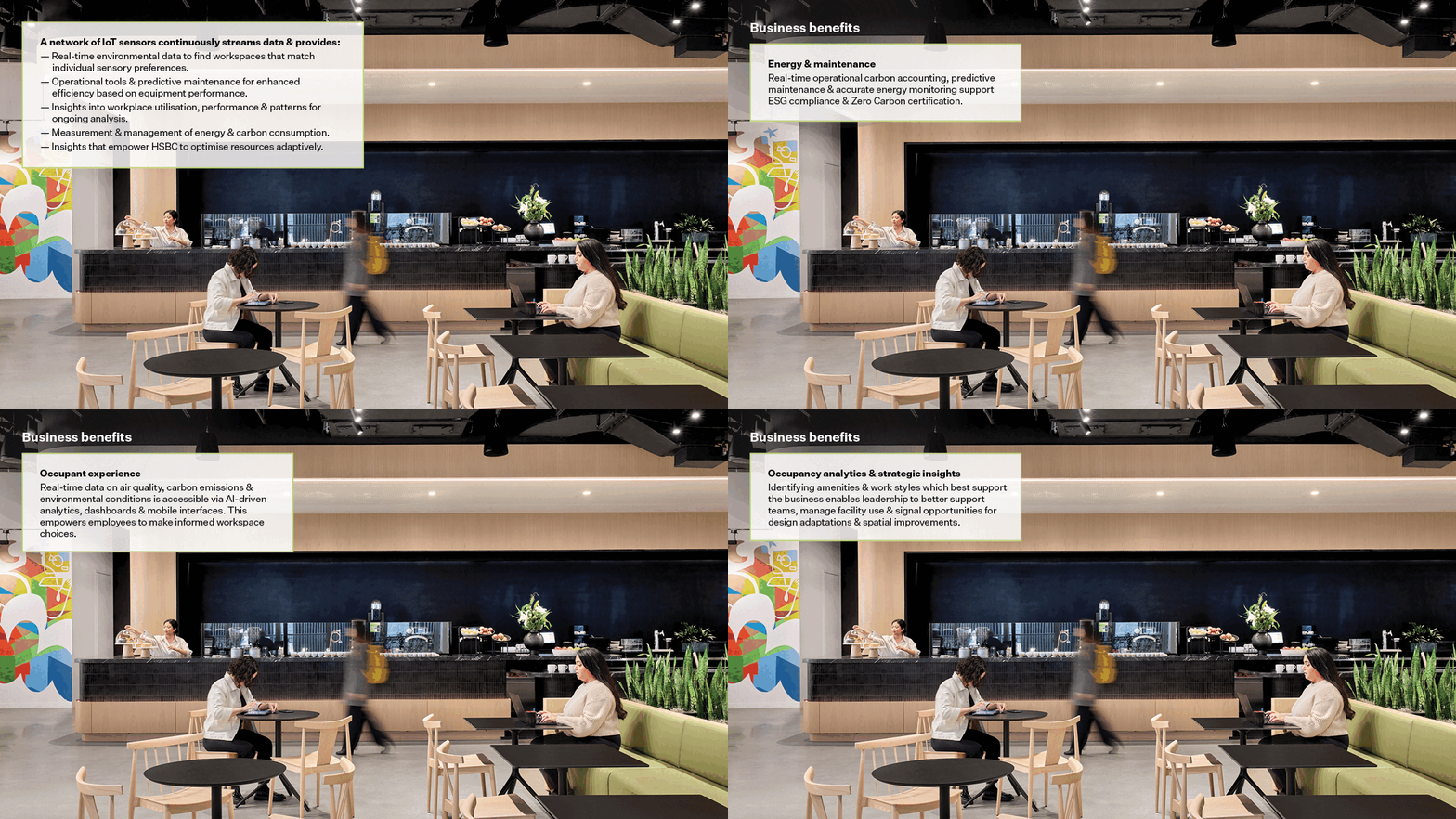 We developed a digital twin system for HSBC New York that touches all business areas and ensures its headquarters remains at the forefront of innovation.
 The cost of monitoring technology has dropped, making it more accessible. Circuit-level monitoring, occupancy sensors and predictive maintenance tools now offer detailed insights into building performance.
At HSBC’s New York headquarters, these tools identified unexpected energy hotspots and underused areas. This enabled both carbon and cost savings. The takeaway is that certification is not a requirement for impact. Data-led strategies work when they are transparent and consistently tracked.
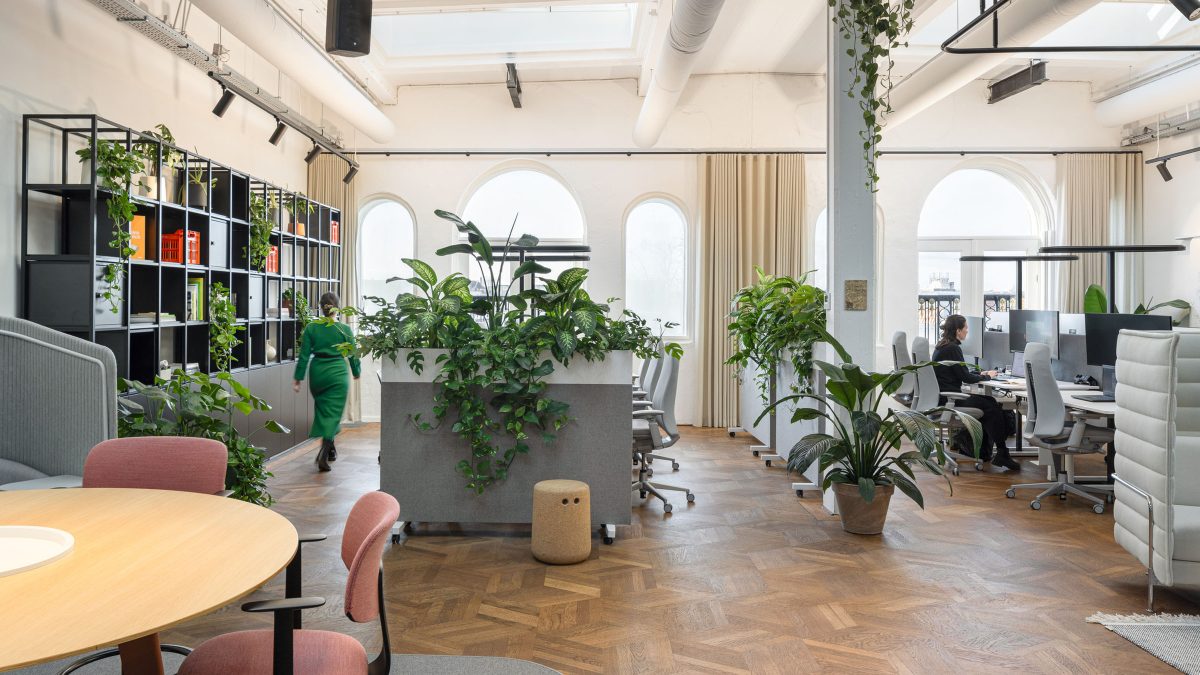
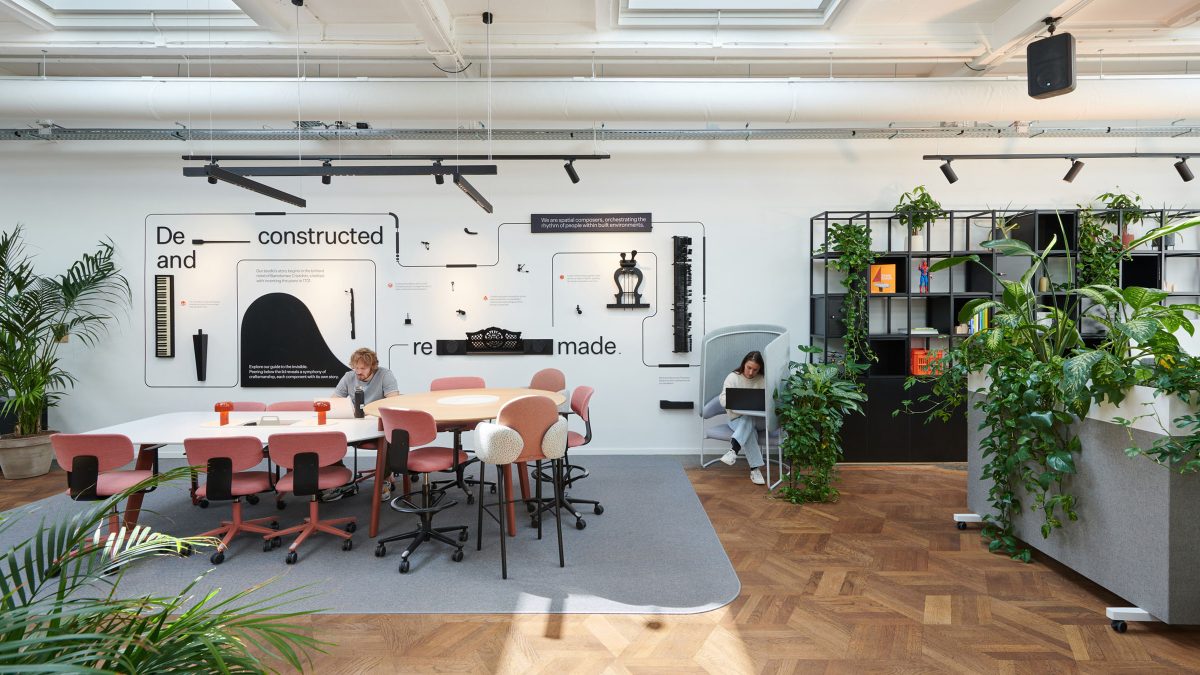
Circular design is often perceived as costly or time-consuming, but Sam challenges that view. By reusing furniture, sourcing second-hand or tapping into existing resources, companies can adopt circularity affordably.
M Moser’s Amsterdam living lab is a good example of this. We salvaged items from client waste and reused them in the studio. Additionally, nothing is glued down, allowing elements to remain adaptable as our team grows.
“It takes a mindset shift,” Sam explains. “Not just from design and engineering teams, but across supply chains too. Once those processes are in place, it gets faster and more effective.”
Building trust through transparency
Without third-party certification, credibility relies on trust. For Sam, honesty is key:
“Admit where you’re falling short. If your carbon footprint rises because your headcount doubles, explain it. Transparency builds trust not just with clients, but also with employees, especially younger generations who expect it.”
Embedding sustainability into the business mission, measuring progress and reporting regularly helps ensure accountability and authenticity.
When sustainability becomes part of how the business is run, everyone becomes responsible for their part in it.
Sam Allen, Associate Director in Engineering, Technology and SustainabilityStarting the journey
For businesses just beginning, Sam’s advice is simple: embed sustainability in your mission.
It doesn’t have to mean costly certifications or complex strategies. With a clear purpose, data and thoughtful design, organisations can create meaningful and measurable change cost-effectively and credibly.
Listen to the whole conversation on the Place of Work
Contact us to learn more about practical ways to embed sustainability into your workplace
Associate Director. Sustainability