




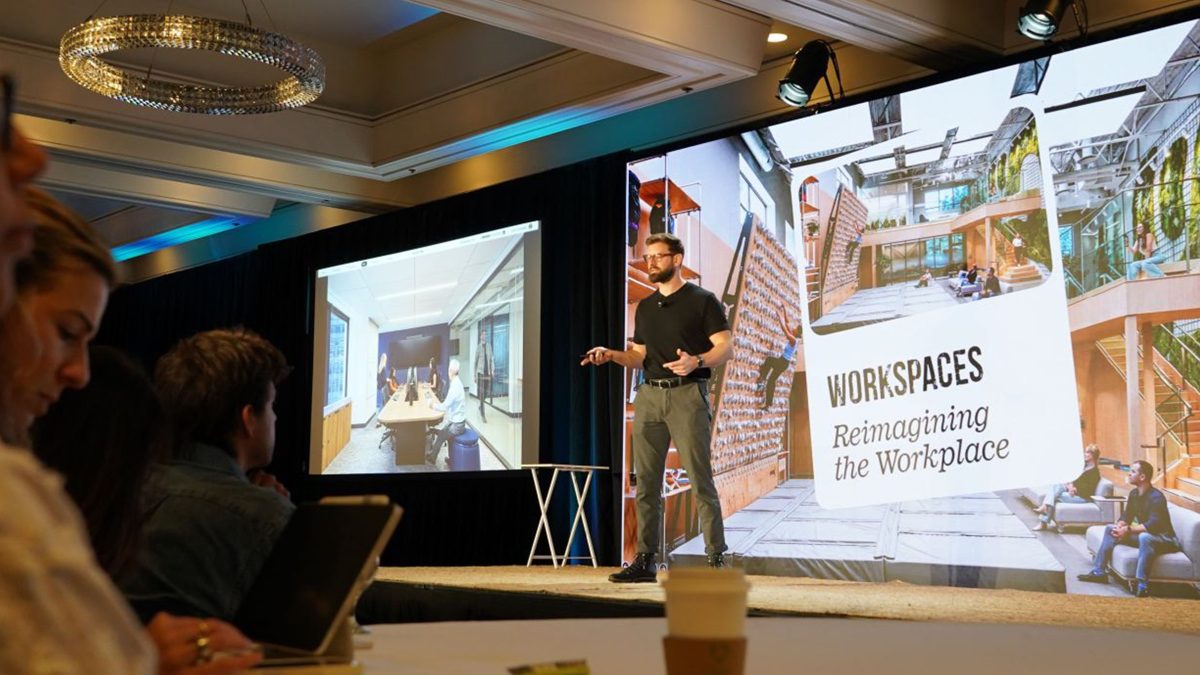
How can workplace leaders turn big ambitions into meaningful progress? At WorkSpaces 2026, Grant Christofely shared an approach grounded in business priorities, informed decisions and 90 days of focused action.
Workplace leaders face a myriad of complex demands. Their organisations need environments that support changing ways of working, demonstrate value and accommodate an uncertain future. At the same time, AI is adding new questions about the work people will do and what they will need from the workplace.
In his presentation, “Just One Thing: 90 Days with a Purpose”, Grant Christofely, Director, Strategy & Transformation, explored how leaders can move forward in this challenging environment by choosing one business problem and addressing the friction holding it back.
Drawing on M Moser’s project experiences, Grant introduced four levers of workplace transformation:
Adaptability
Complexity
ROI
Decisions
Together, they offer ways to connect workplace ambition with what a business and its people need to achieve.
Adaptability extends beyond furniture that moves or layouts that change. It depends on how effectively an organisation learns from its workplace and responds as its needs evolve.
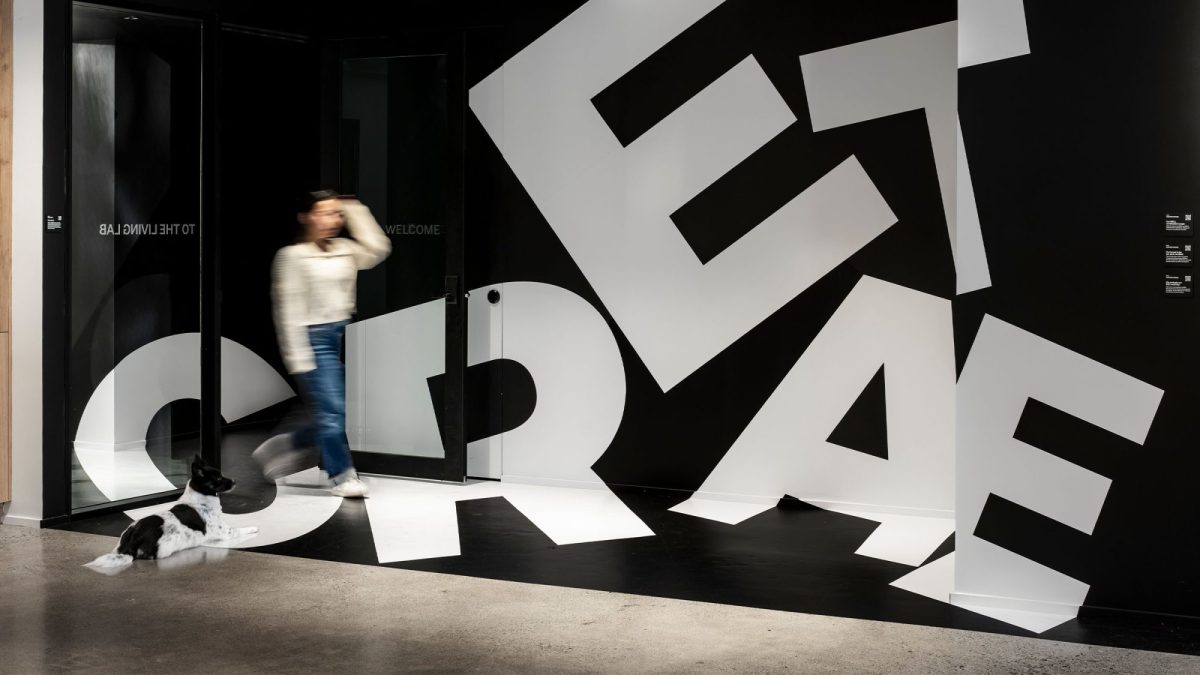
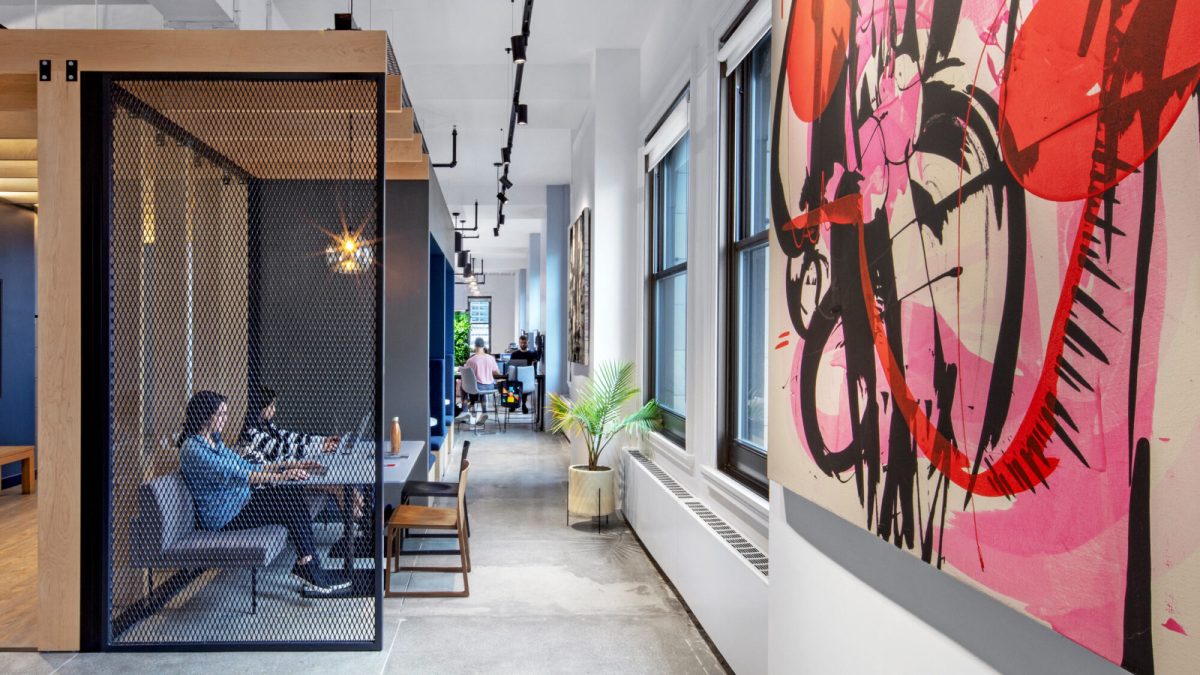
Grant illustrated this through our New York living lab, where physical flexibility works alongside technology, operations and a willingness to test new arrangements. The experience demonstrates the value of designing for continued adjustment throughout a workplace’s life.
That thinking also shapes how we approach complex projects. Strategy, design, engineering, technology and other disciplines contribute to a shared workplace experience. Aligning those contributions requires a common ambition, with the business actively involved in defining and owning the change.
A workplace investment creates value through the activities and behaviours it supports.
Through an example of a management consultancy’s New York office, Grant explored the relationship between focused teamwork and connection across the wider firm. Dedicated case-team suites supported confidential client work, while spaces beyond those suites created opportunities for mentorship, knowledge sharing and community.
Understanding both needs strengthened the investment logic. When a workplace’s success depends on how people use it, strategy and design must be informed by their ability and willingness to work in new ways.
These experiences reflect M Moser’s approach to workplace transformation and how we understand how a business creates value and connect that understanding to the environments, systems and behaviours that support its people.
For leaders making long-term real estate decisions, this means examining the consequences as carefully as the recommendations themselves. What does a choice enable? What commitments does it create? How much flexibility will the business need as its workforce and operations change?
Bringing workplace expertise together with leaders’ knowledge of their own organisations helps make those trade-offs visible and gives each decision a clearer business purpose.
“Workplace progress begins with a clear business problem and a decision people can act on,” says Grant.
Choose one thing worth moving forward, involve the people who need the result and use what you learn over the next 90 days to shape the next step.
Start one conversation, choose one business problem, target the friction that matters most and agree when to review what changed.
One question remains for workplace leaders. 90 days from now, what will your business and its people be better able to do because of the one thing you chose to move forward?
Watch Grant’s full WorkSpaces presentation to explore the four levers and consider where your next workplace decision could make the greatest difference.
