
Workplace lighting can often be reduced to a checklist. Meet code, hit lux levels, avoid glare. Done. But compliance alone doesn’t account for how light makes people feel or how it shapes culture, identity and connection.
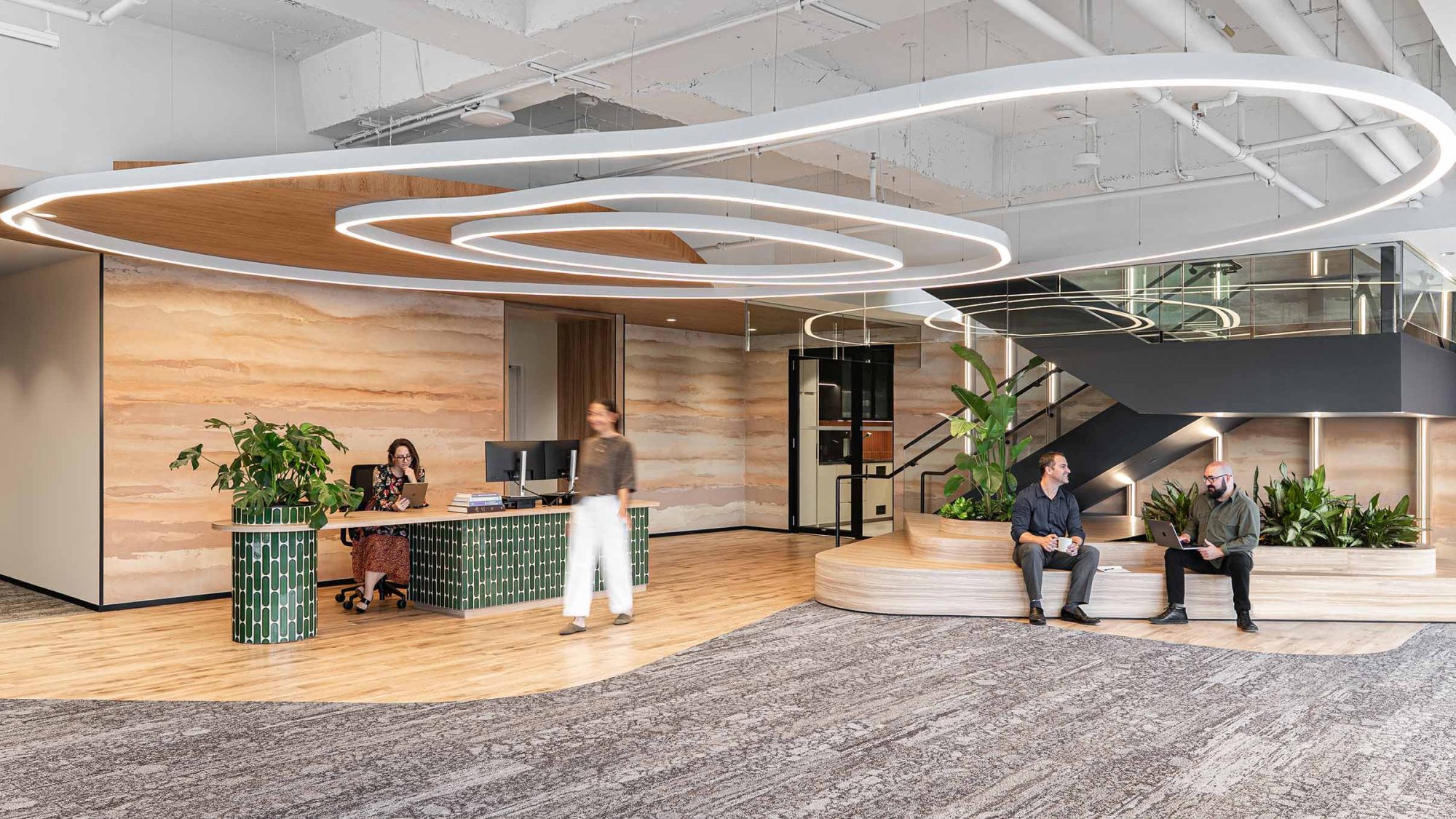
The modern workplace is a living organism, and light is one of its most powerful conductors. Layered lighting and intelligent controls allow spaces to shift with people, activities and time of day.
This article unites architectural, engineering, sustainability and lighting perspectives to reposition lighting and controls as drivers of experience rather than afterthoughts.
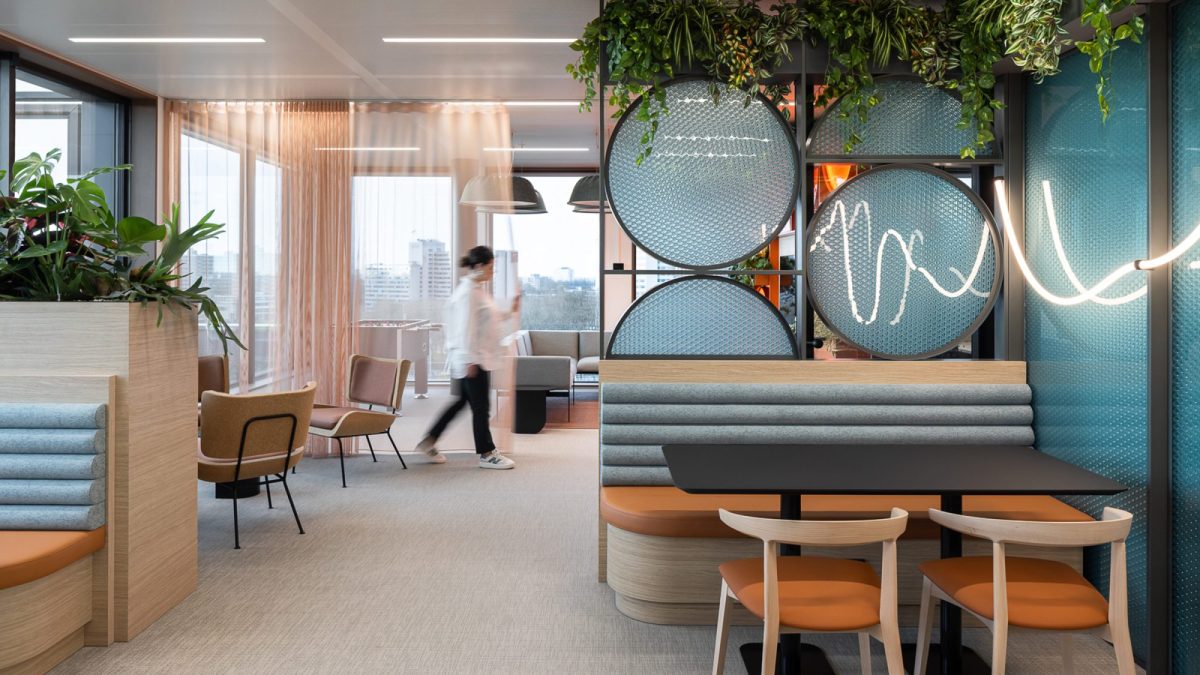
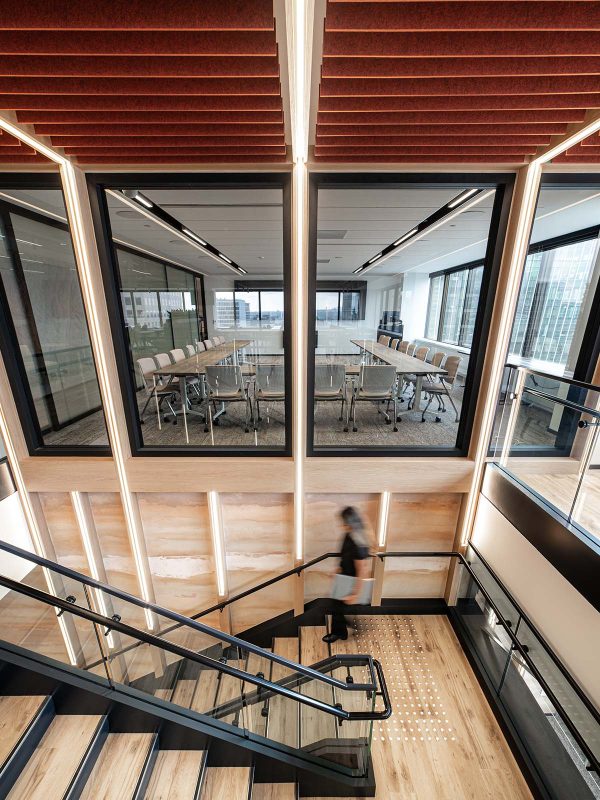
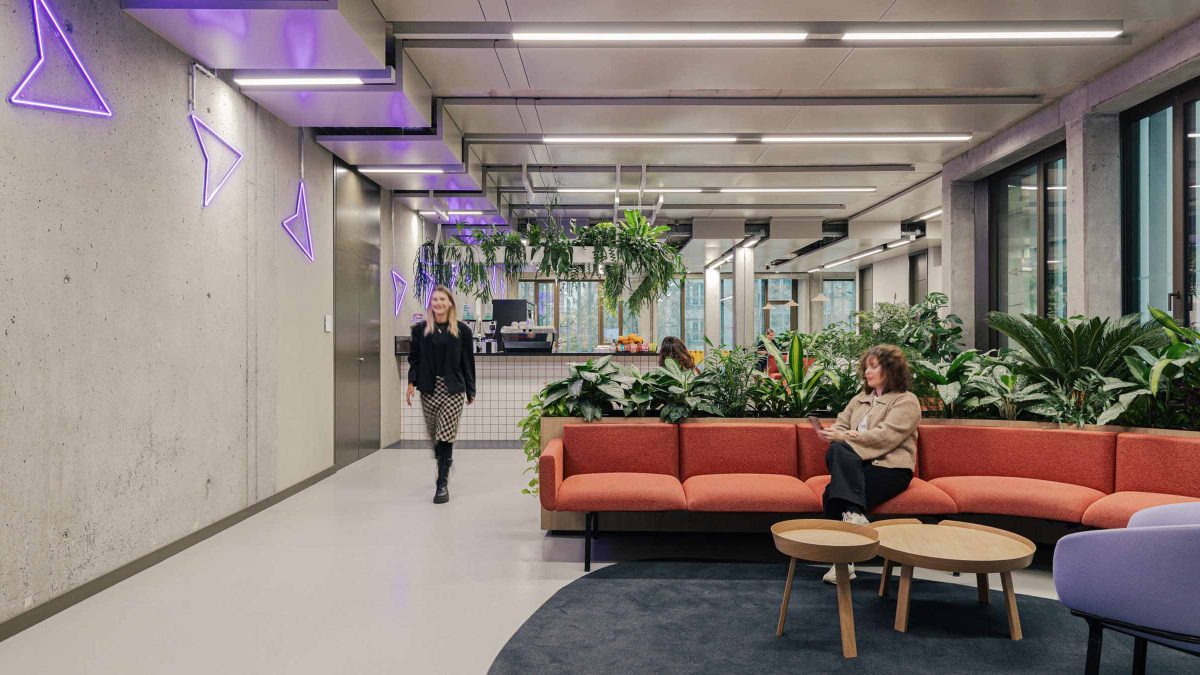
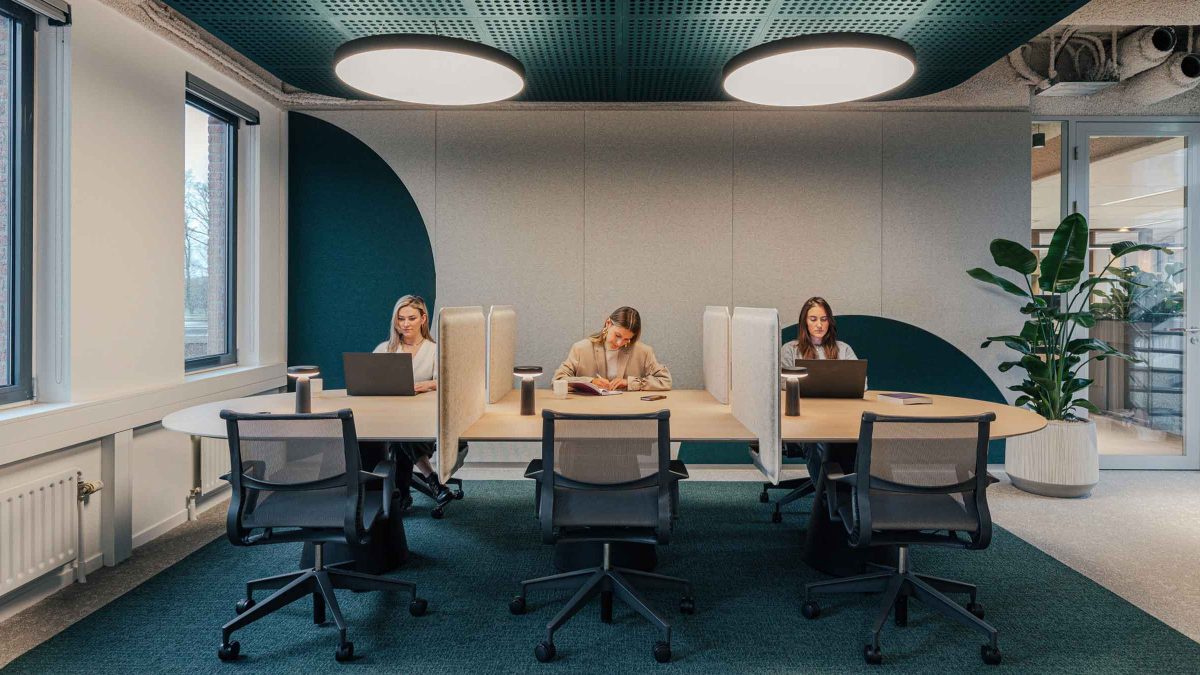
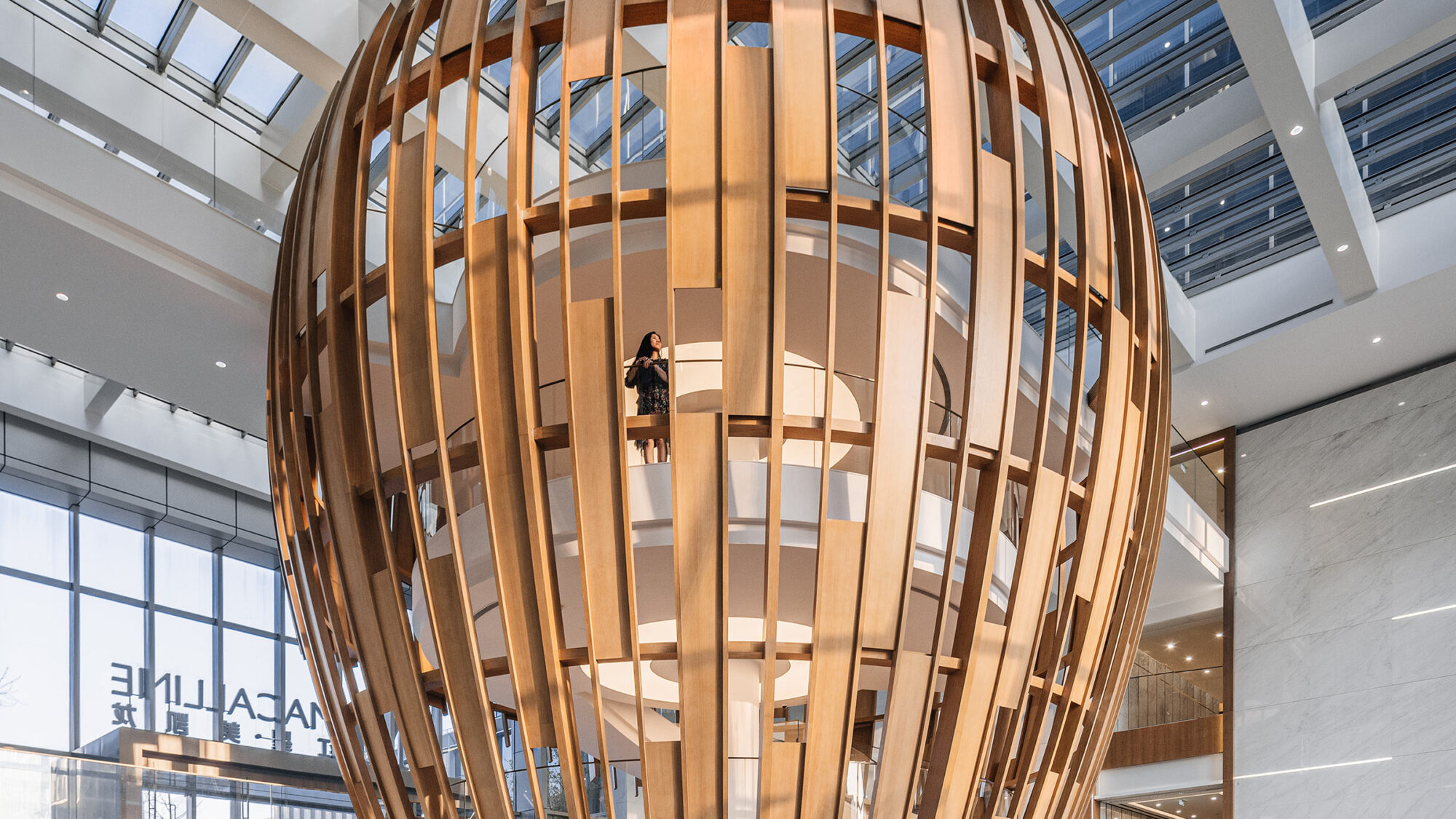
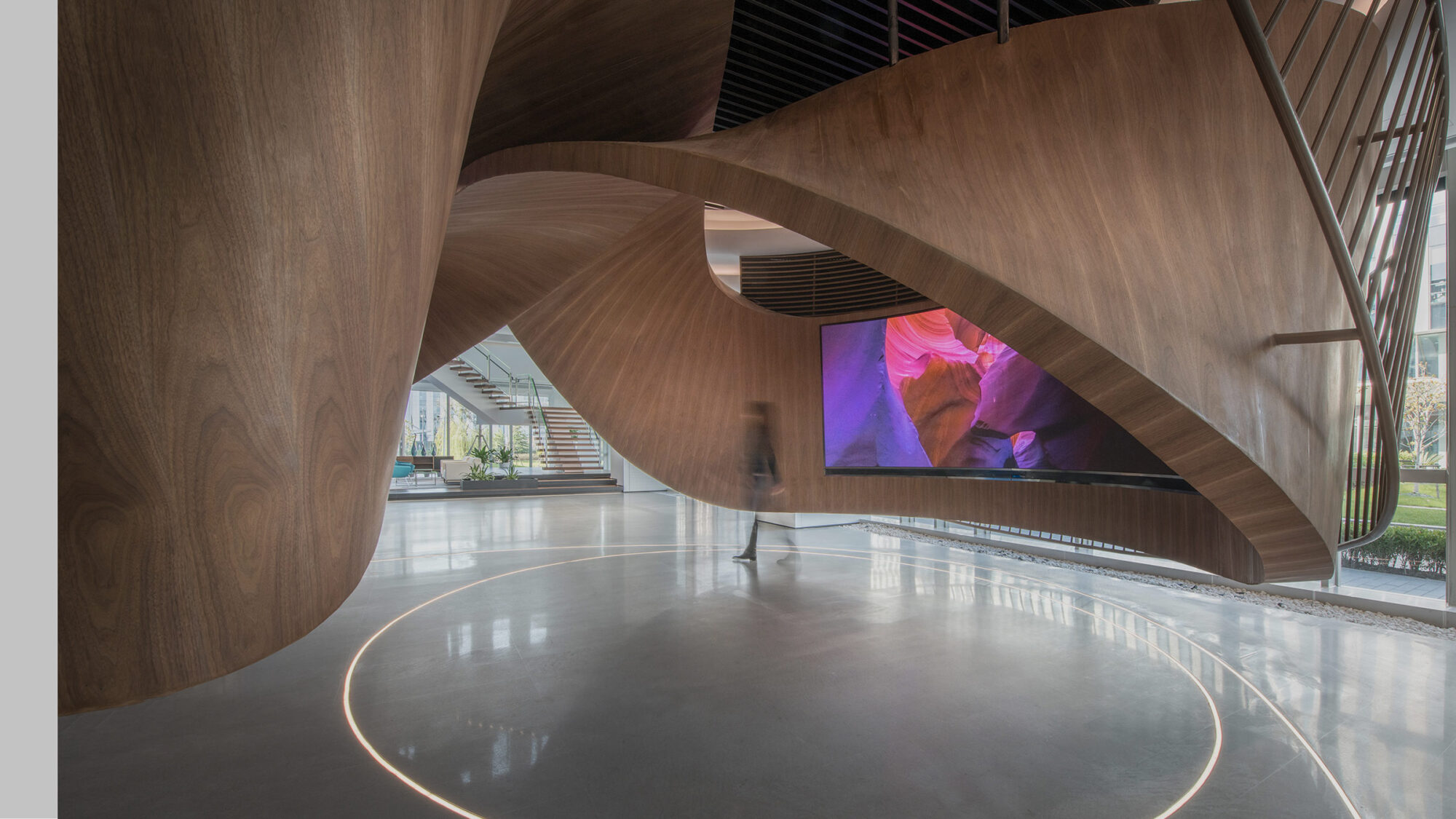
Lighting is a medium that activates material, defines spatial rhythm and influences whether people feel energised, calm or inspired.
Valentina Doro, Associate - Lighting Design, M Moser AssociatesWhy must the conversation shift from spreadsheets to spatial poetry? Because lighting is much more than technical units of measurement, it is an experience. The workplace is where brand, behaviour and wellbeing converge, and light is a strong medium that shapes how people feel in it.
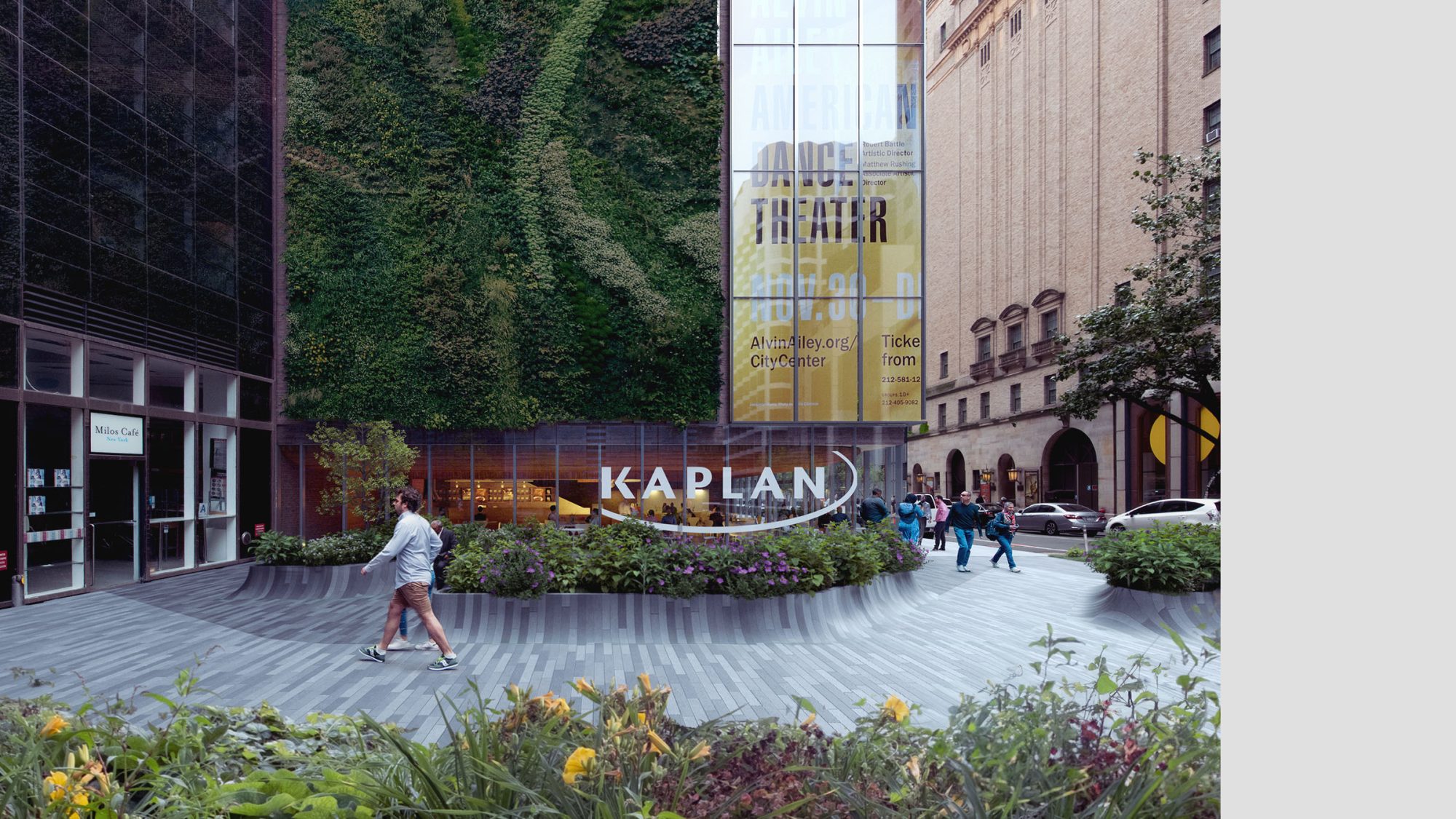
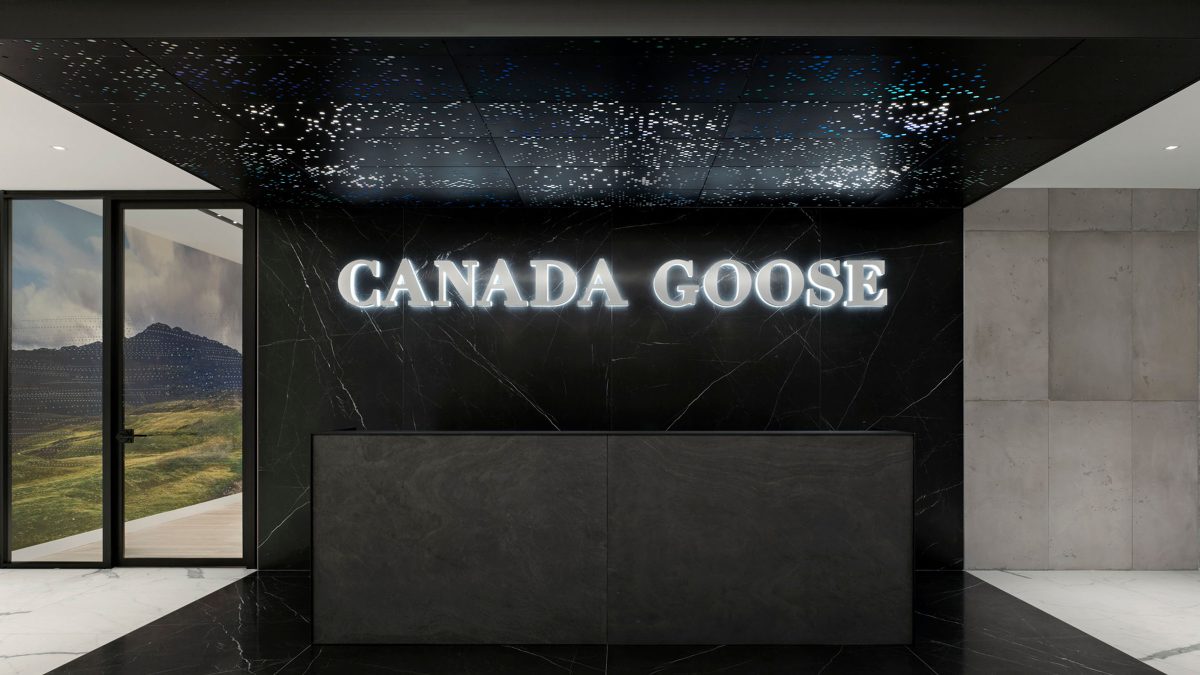
A corridor is a passage, but it can become a procession. With carefully placed downlights and grazing light along textured walls, a simple hallway transforms into an inspiring transition space.
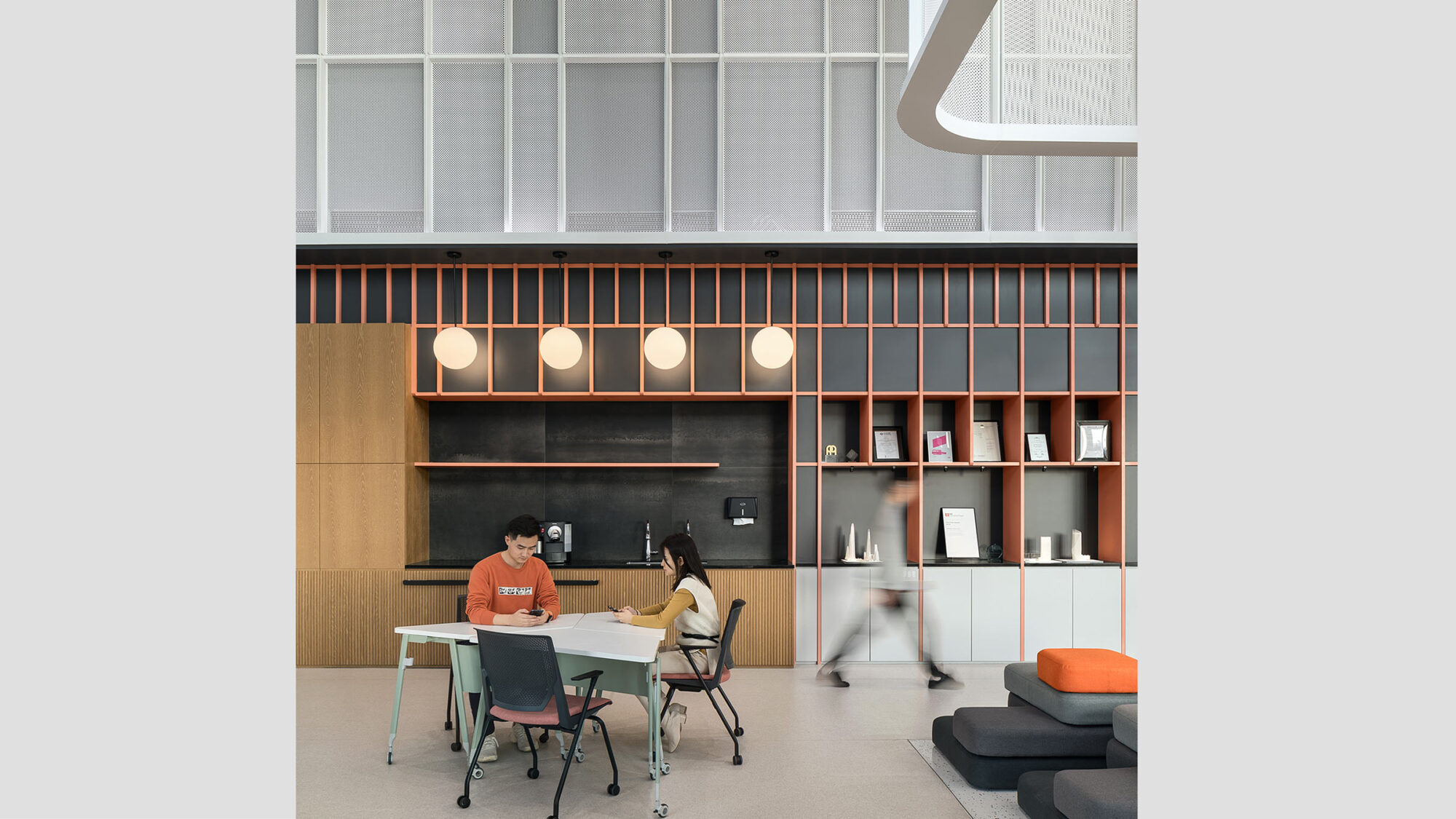
A sensor-controlled meeting room without uniform brightness can really set a stage for the contents within. Tunable lighting lets a room shift from warm, intimate light to cool, energising brightness. Workstations are zones for focus. Personal task lighting lets people adjust brightness and warmth for their own comfort.
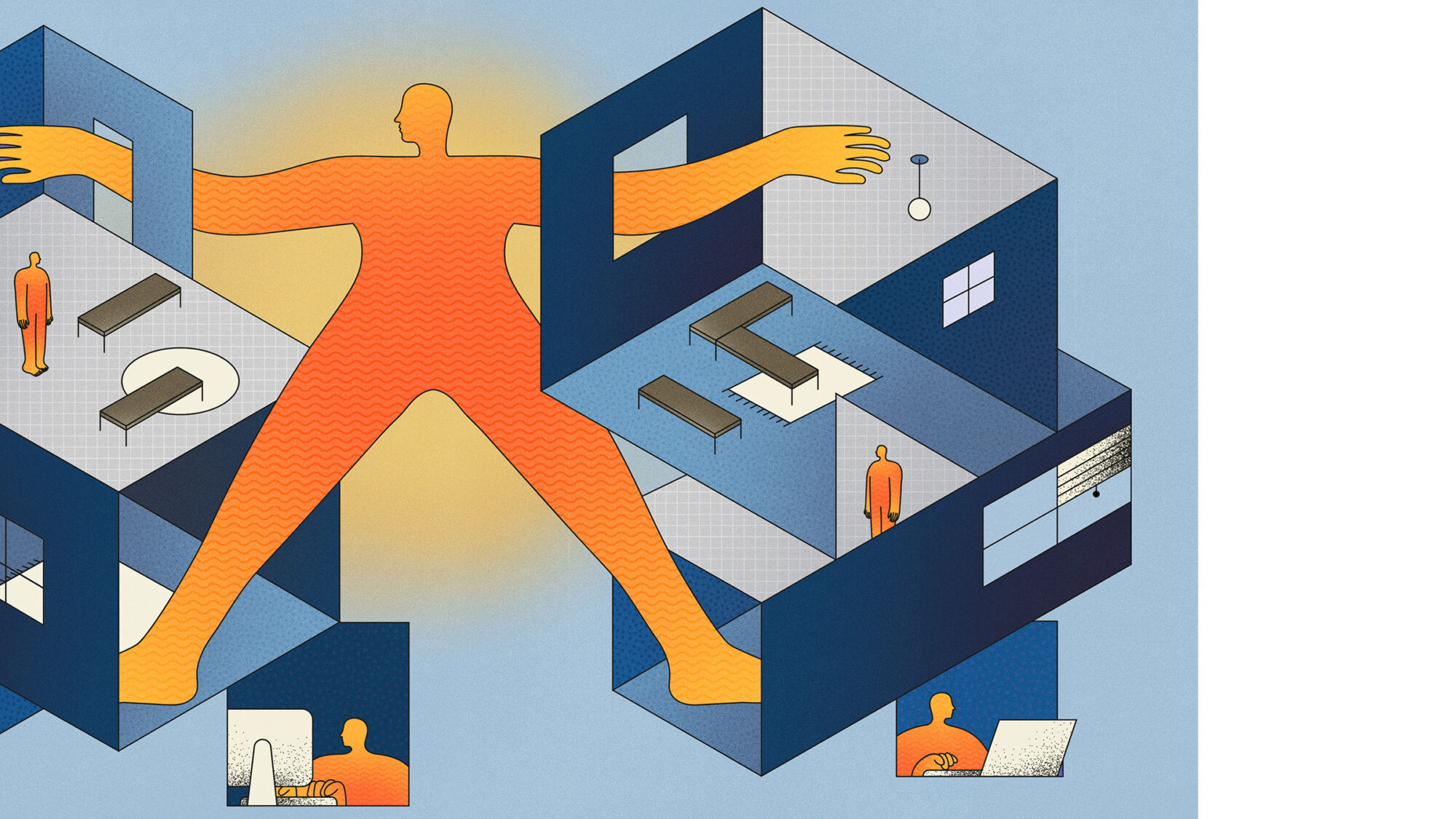
Workstations are more than desks; they are zones of focus and empowerment. Personal task lighting lets employees adjust brightness and warmth, giving them agency over their individual comfort levels.
Lighting is about designing an arc of experience.
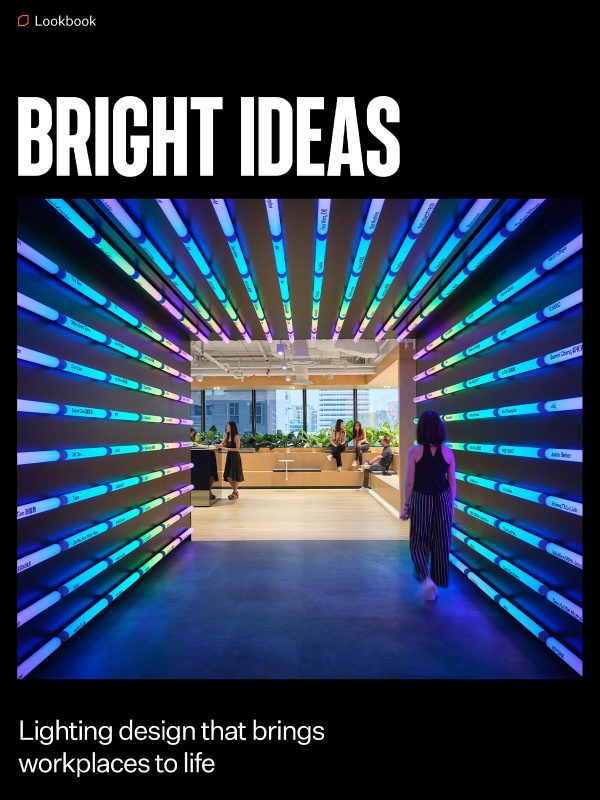
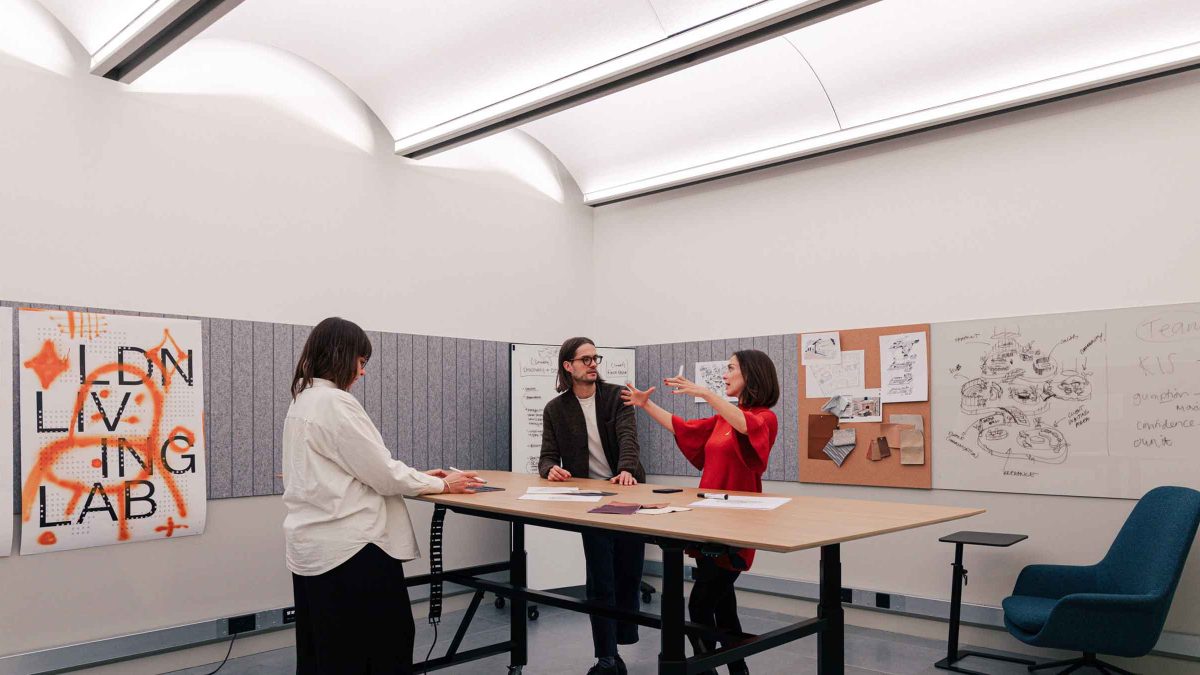
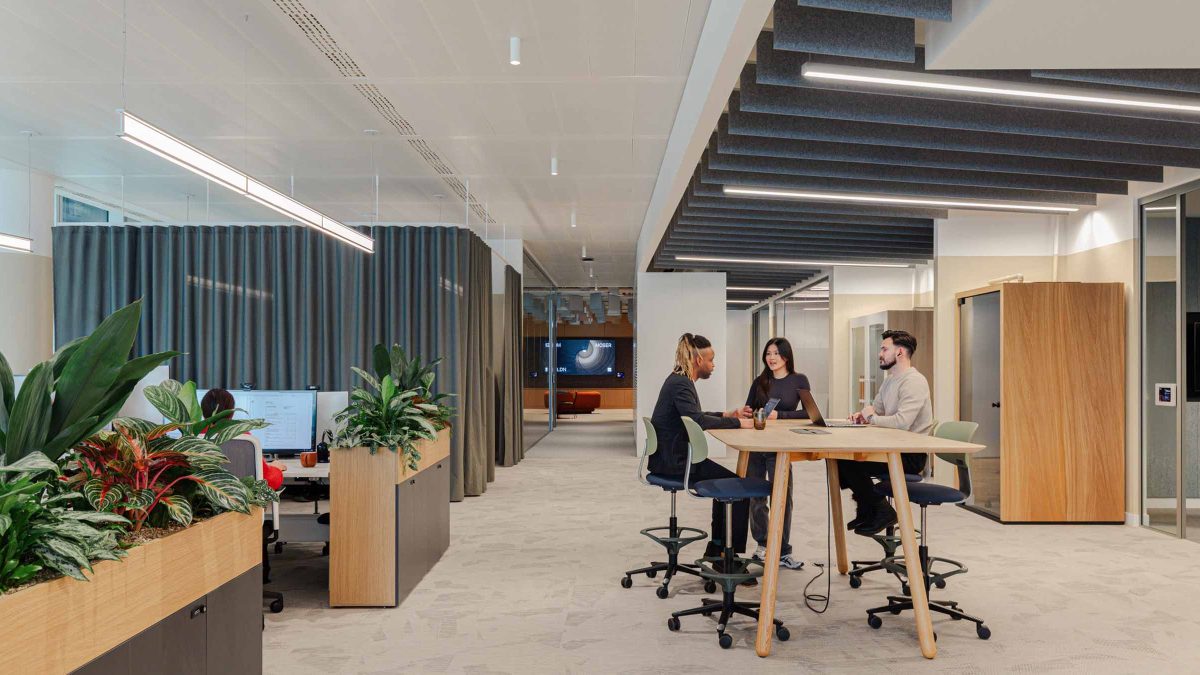
Lighting controls quietly shape how spaces change throughout the day, turning static light into a dynamic, responsive experience.
Scene setting: In a multi-purpose cafeteria, a single touch can shift the mood from bright lunchtime energy to soft, ambient light for evening events. The same space effortlessly transitions from lively to intimate, from function to experience.
Employee empowerment: Mobile and desktop controls allow individuals to fine-tune light at their workstation, adjusting brightness and warmth to match mood, task or time of day. This sense of agency enhances comfort, wellbeing and engagement.
Dynamic storytelling: Motion and daylight sensors bring natural intelligence to the built environment, adjusting illumination based on occupancy and sunlight. The result is a space that breathes with the rhythms of nature and human activity.
Without thoughtful control, even the most striking fixtures can fall flat, beautiful yet unresponsive. Engineers play a vital role in weaving control systems that are not only robust and scalable but intuitive enough to disappear into the background.
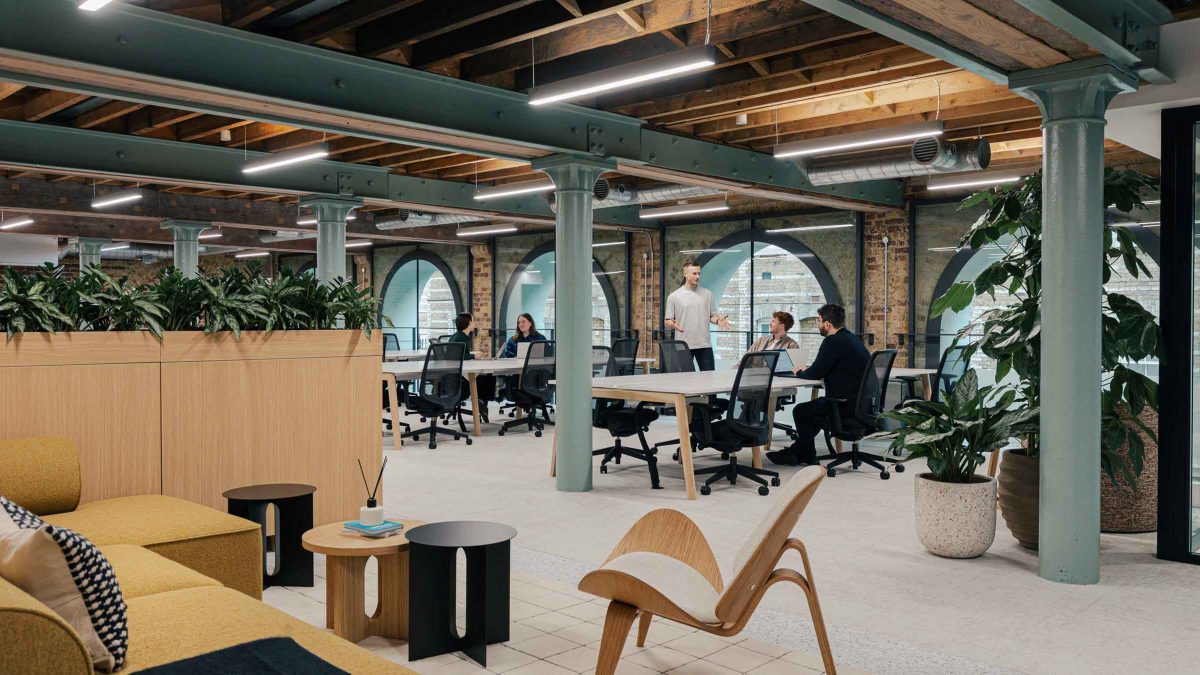
At M Moser, lighting design is collaborative. Architects, engineers, sustainability specialists and lighting designers work together to shape light that elevates space and everyday experience.
“A thoughtfully designed lighting system can reduce carbon emissions and increase operational cost savings, while boosting the wellbeing and productivity of the occupants within the space.”
Michele Passalacqua, Associate – Sustainability, M Moser Associates
Architects and designers envision how light reveals form and material. Engineers ensure systems perform and balance efficiency with emotion. Sustainability specialists guide how light interacts with daylight, energy and wellbeing. And lighting designers bring it all together, translating intent into atmosphere, precision into poetry.
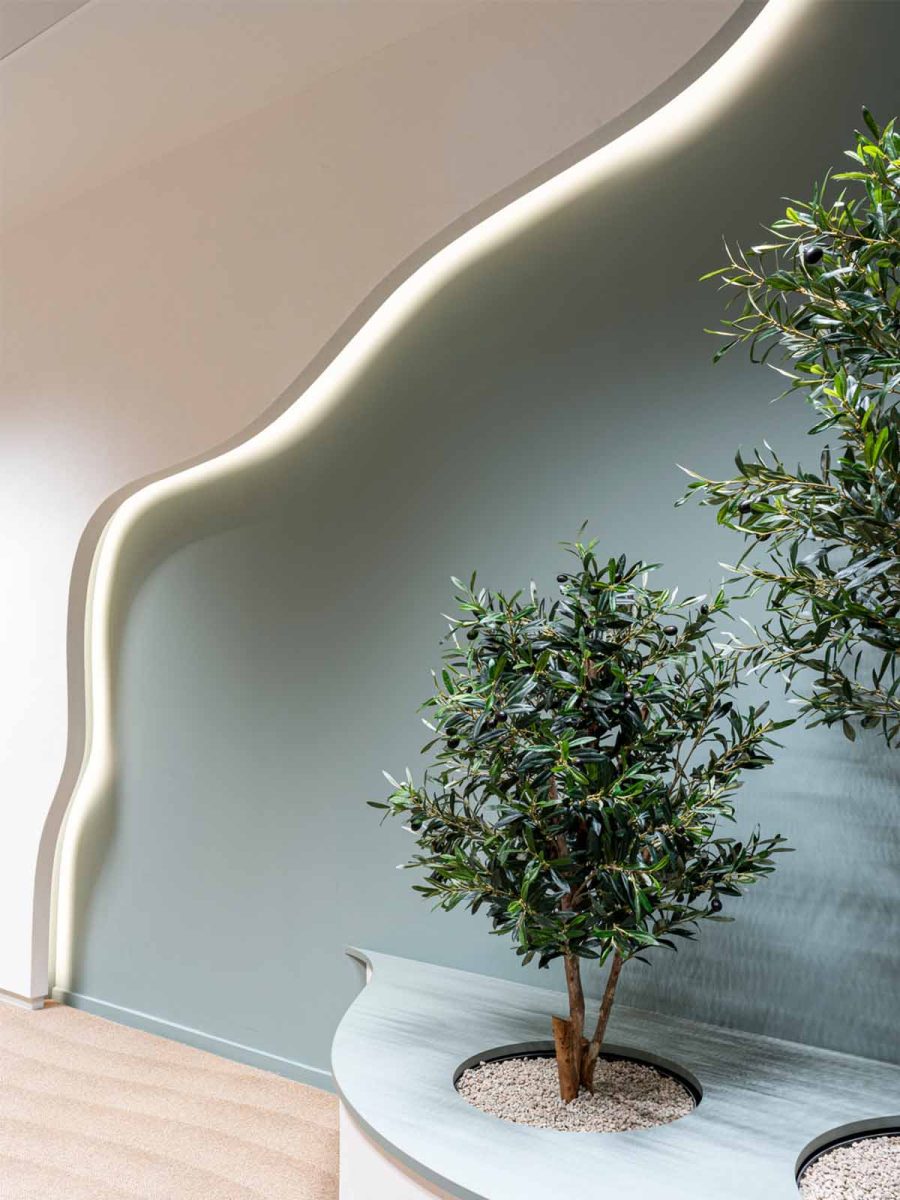
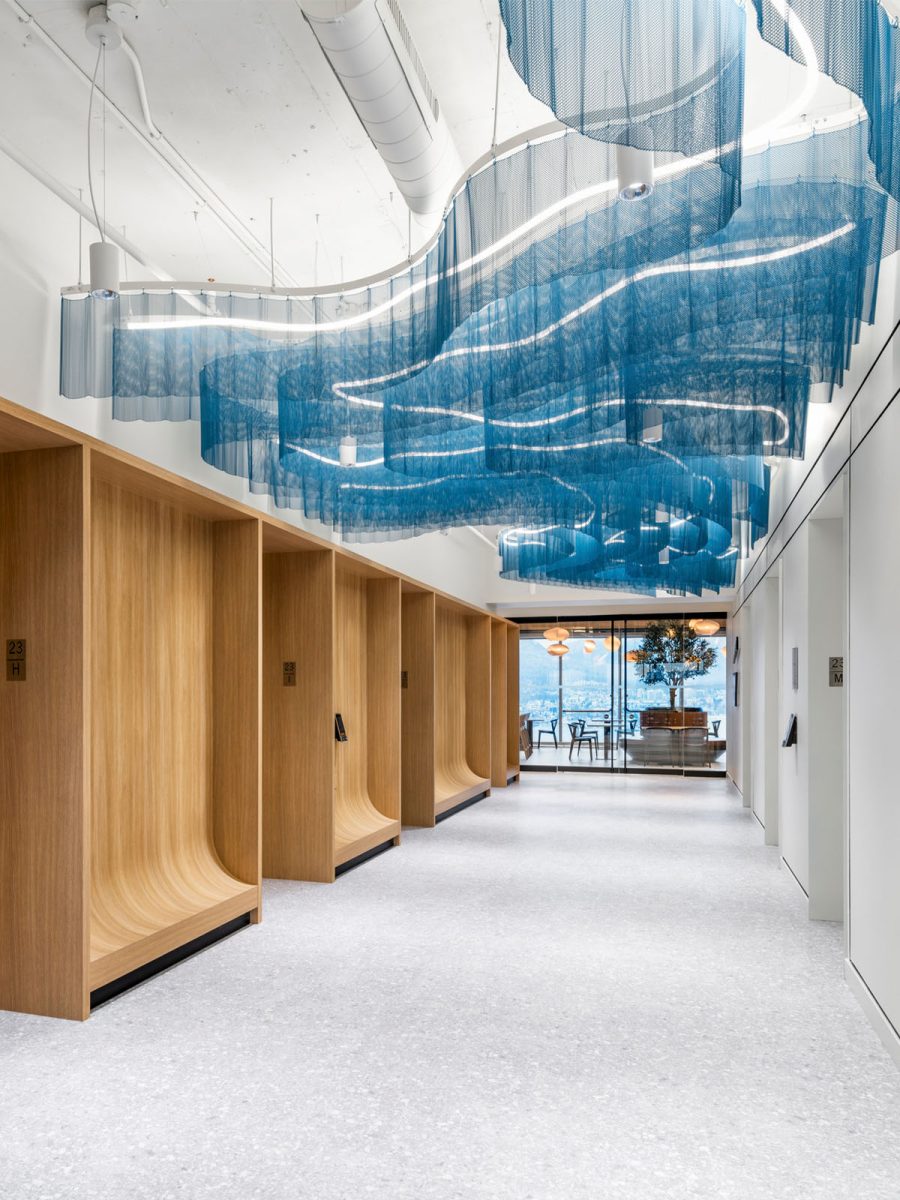
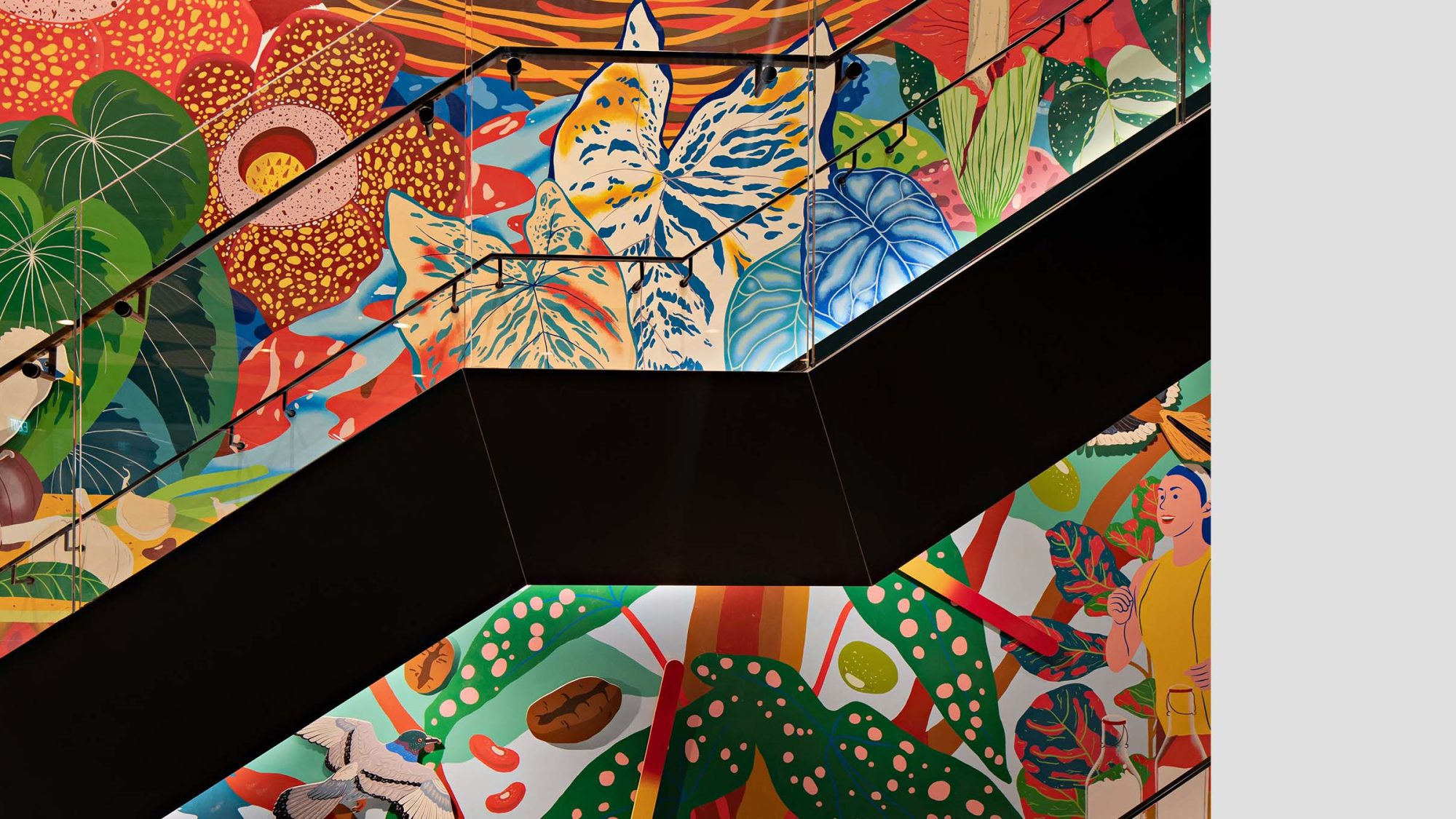
For architects, light is an invisible material that brings form to life. When thoughtfully composed, illumination becomes an active design element that reveals texture, colour and intent. It defines shape, depth and atmosphere, turning surfaces into experiences and spaces into stories.
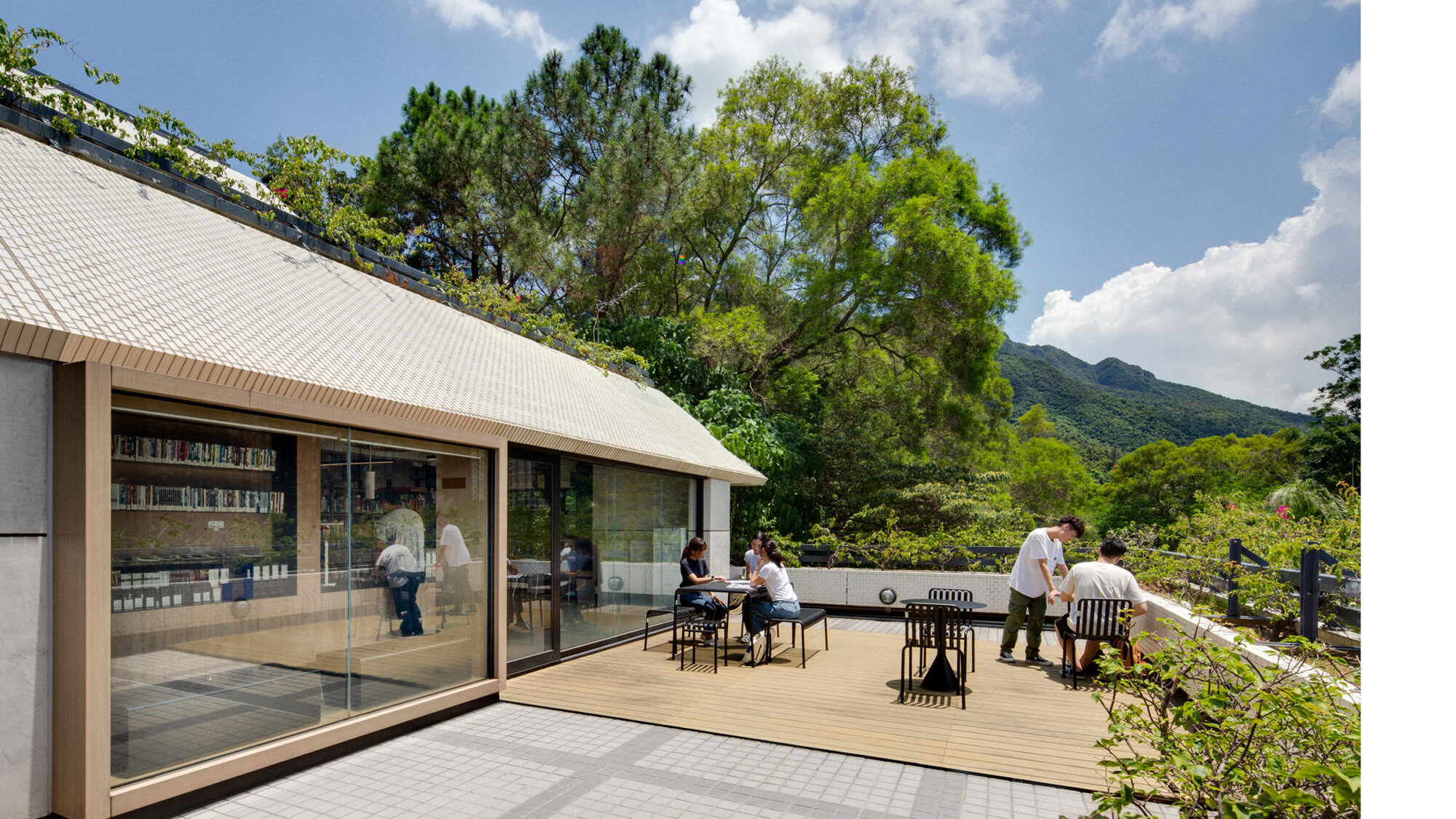
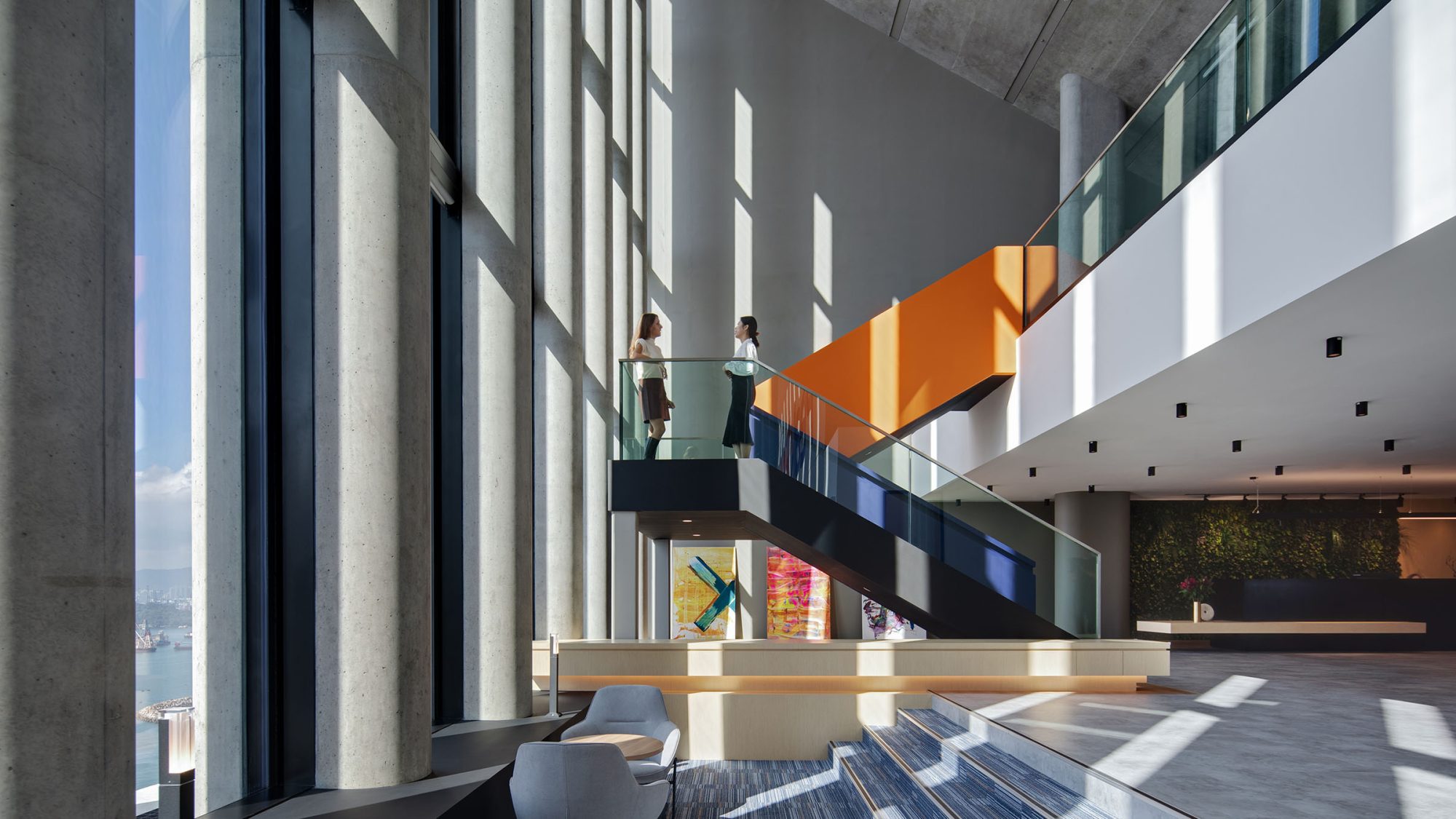 Shifting with time, light reveals new movement and layers as the day unfolds.
 For engineers, lighting is the bridge between code and people. Metrics like lux levels, glare control and energy efficiency are essential, but they’re only the foundation, not the finish line.
True engineering lies in translating numbers into nuance, customised systems that perform and feel right. When light levels, sensors and controls are tuned with care, they sustain wellbeing, enhance focus and express culture through atmosphere.
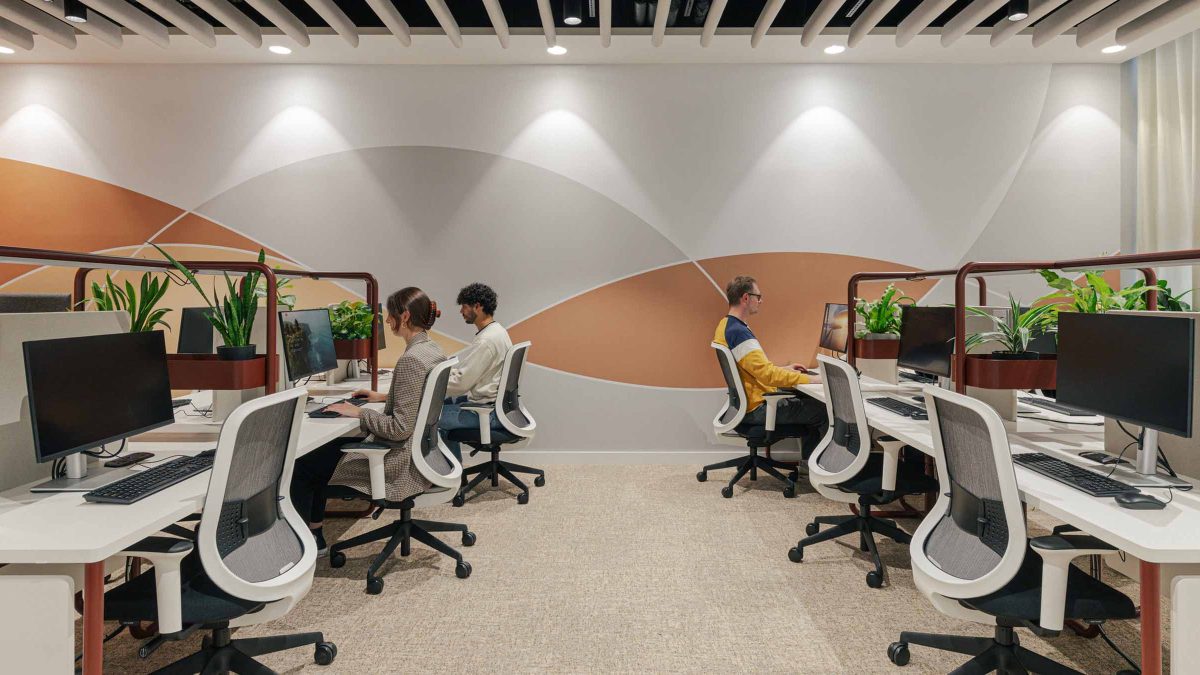
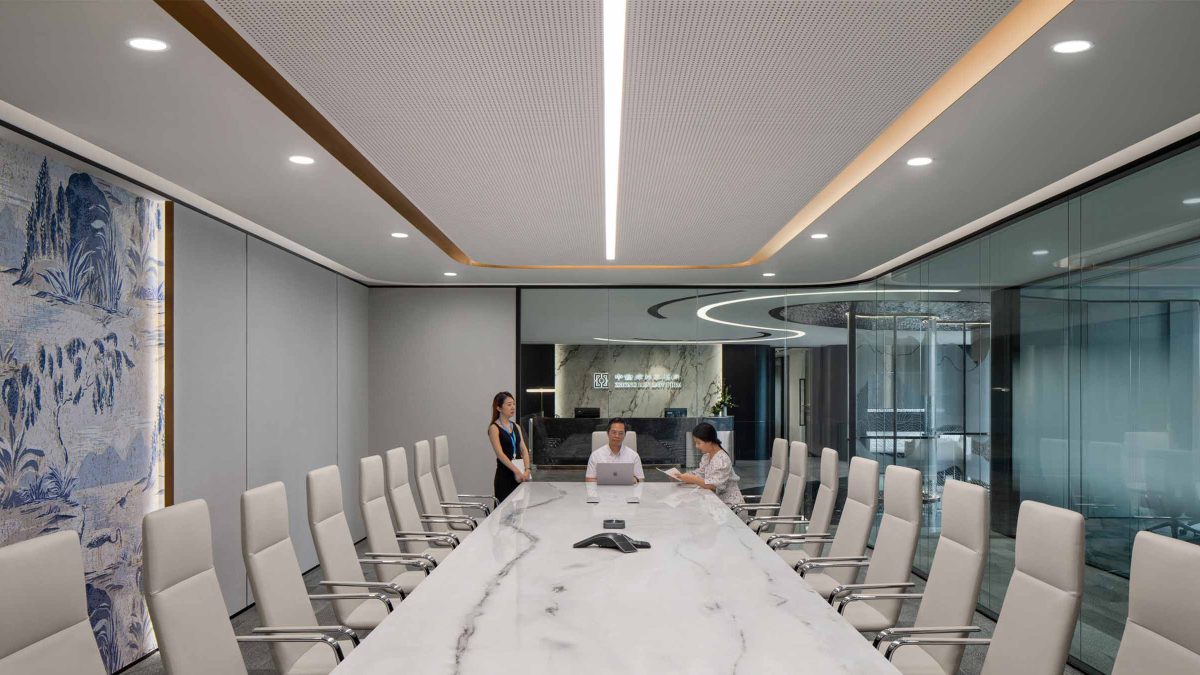
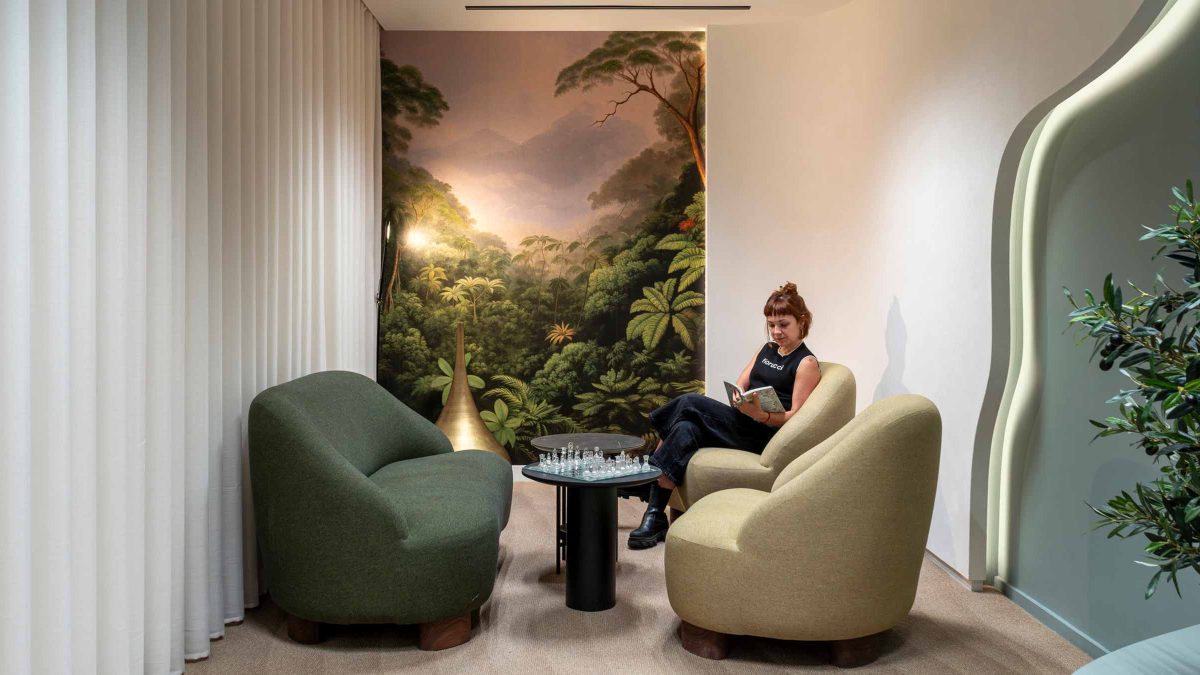
Thoughtful lighting supports culture by influencing comfort, connection and how a space is experienced. It influences everything from wellbeing to brand perception, quietly but profoundly.
Together, these outcomes build experiences that resonate and cultures that thrive.

When lighting moves beyond uniformity and into intentionality, it transforms the workplace into an experience that inspires, connects and feels alive.
At M Moser, lighting is designed as part of a living system, bringing together architecture, engineering, sustainability and human experience. Get in touch to explore how we can bring your workplace to life.
Associate - Sustainability
Associate - Lighting Designer
Senior Associate - Design
Associate Director - Engineering