


Changes made during construction are significantly more expensive than those made during planning, often requiring rework, schedule adjustments and additional labor. This is why cost certainty is largely won or lost before construction begins.
In New York City, workplace design and construction projects rarely go over budget because of a single major event. More often, they drift away from cost certainty through disconnected decisions, unclear priorities and late-stage changes that compound over time.
A project may appear on budget during the early phases, but once workplace strategy, engineering, IT, AV, furniture and construction realities collide, the gaps begin to show. Timelines stretch. Scope shifts. Redesigns happen. Budgets escalate.
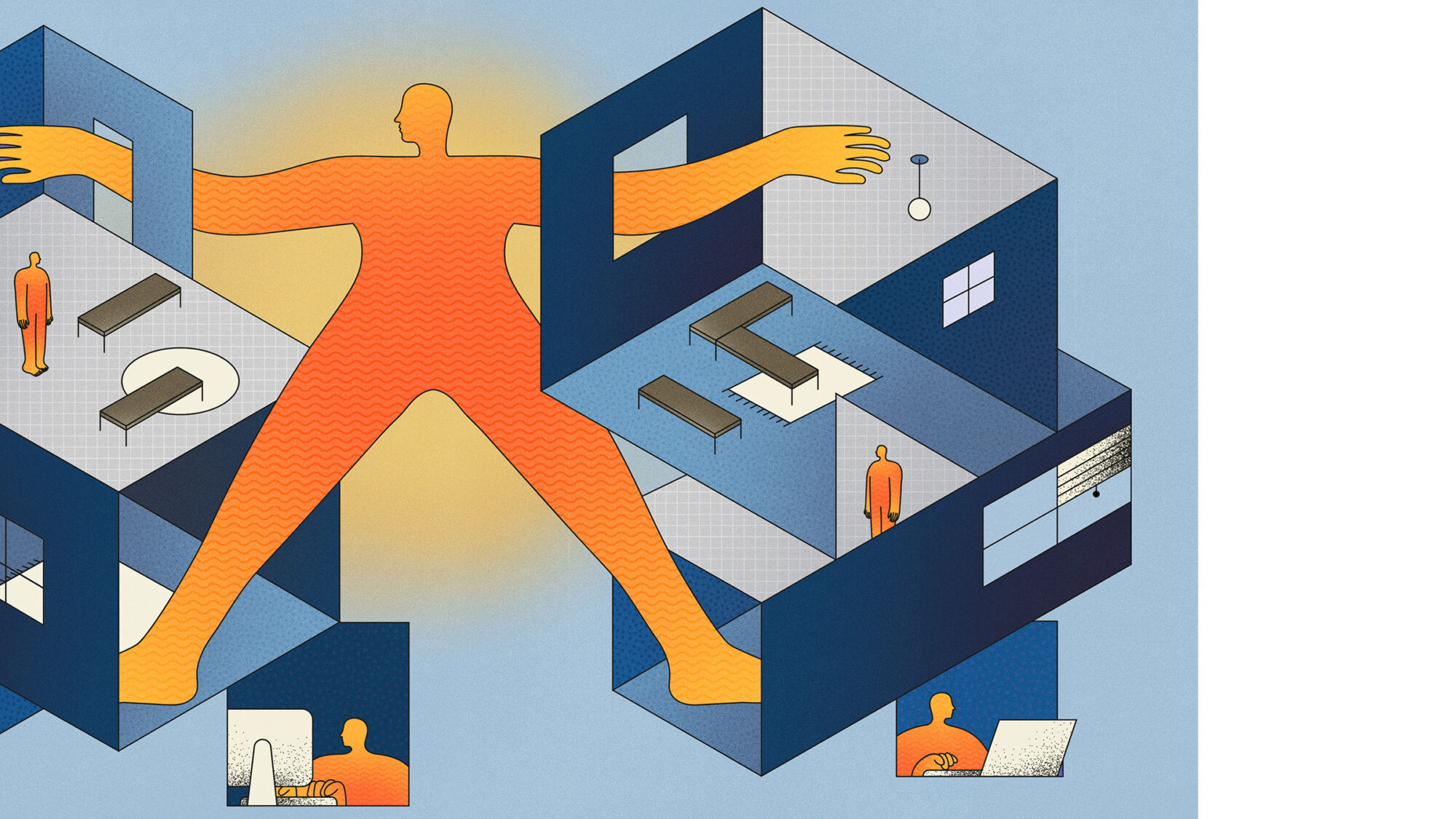
The root problem is often fragmentation. In traditional workplace delivery models, strategy, design, engineering and construction teams operate in silos. Clients may start with one leadership vision, only for new stakeholders to enter later with different priorities around technology, employee experience, branding or operational performance. Without alignment early on, every new input creates downstream disruption.
Decisions made in one stream are not always visible to another, and cost or infrastructure impacts may only surface later. Without clear governance around who owns decisions and how changes are approved, projects become reactive instead of controlled. Small misalignments quietly build into redesigns, delays and budget escalation.
For workplace projects in Manhattan and across NYC, these gaps create pressure fast. Lean internal teams are often left balancing executive expectations, competing stakeholder priorities and project momentum, all while trying to maintain cost certainty in an increasingly complex environment.
Everything is possible with time and money. The real question is what matters most? Defining that early keeps projects aligned and moving forward because everyone understands what the project is solving for.
Lydia Husni, Senior Associate – Integrated Design & Delivery, M Moser AssociatesCost certainty is won or lost long before construction begins. For workplace projects in Manhattan and across NYC, early planning is often compressed by lease pressures, return-to-office timelines or leadership expectations. But delaying workplace strategy, engineering coordination or construction input creates risk later.
Projects with strong front-end planning are significantly more likely to meet cost and schedule targets than those that begin design without clear alignment. The earlier teams align around business goals, the easier it becomes to control cost exposure, avoid rework and protect schedules.
This includes difficult but necessary conversations around priorities.
Is speed to market the priority or does the client see value in a more customized solution with additional quality control?
Is the workplace meant to prioritize employee experience, hospitality, flexibility or future growth?
Which areas deserve premium investment and which can remain more standardized?
‘Failure to plan is planning to fail’ is especially true in workplace delivery because every design decision impacts procurement, scheduling and construction feasibility.
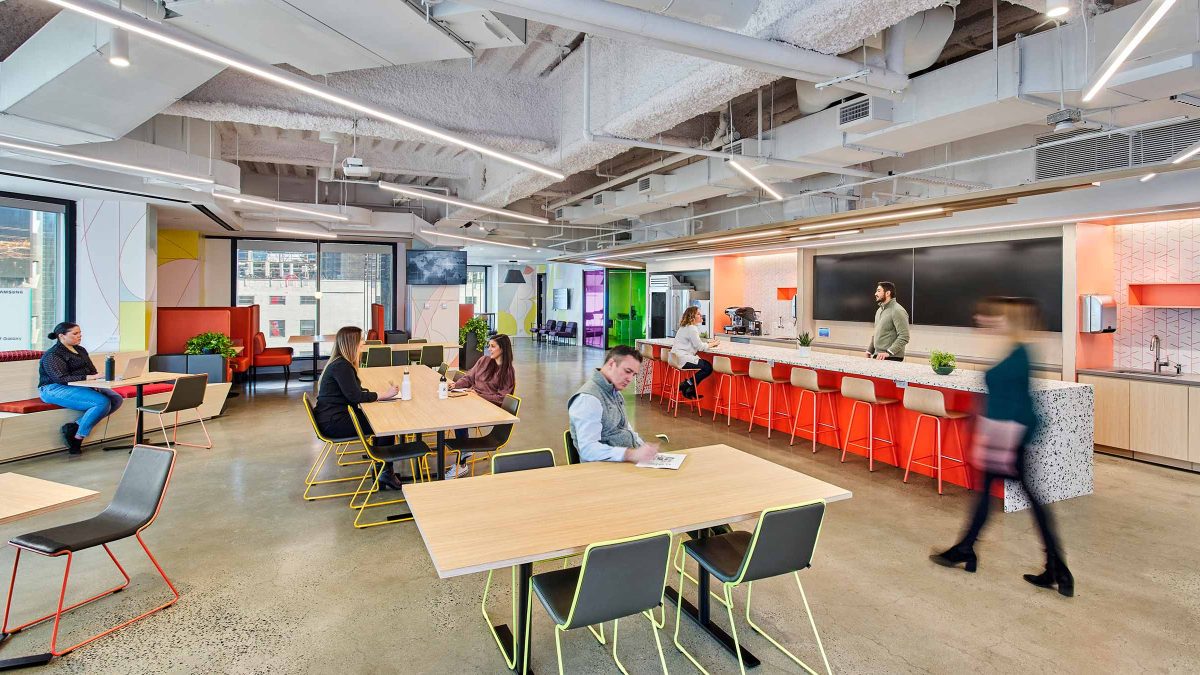
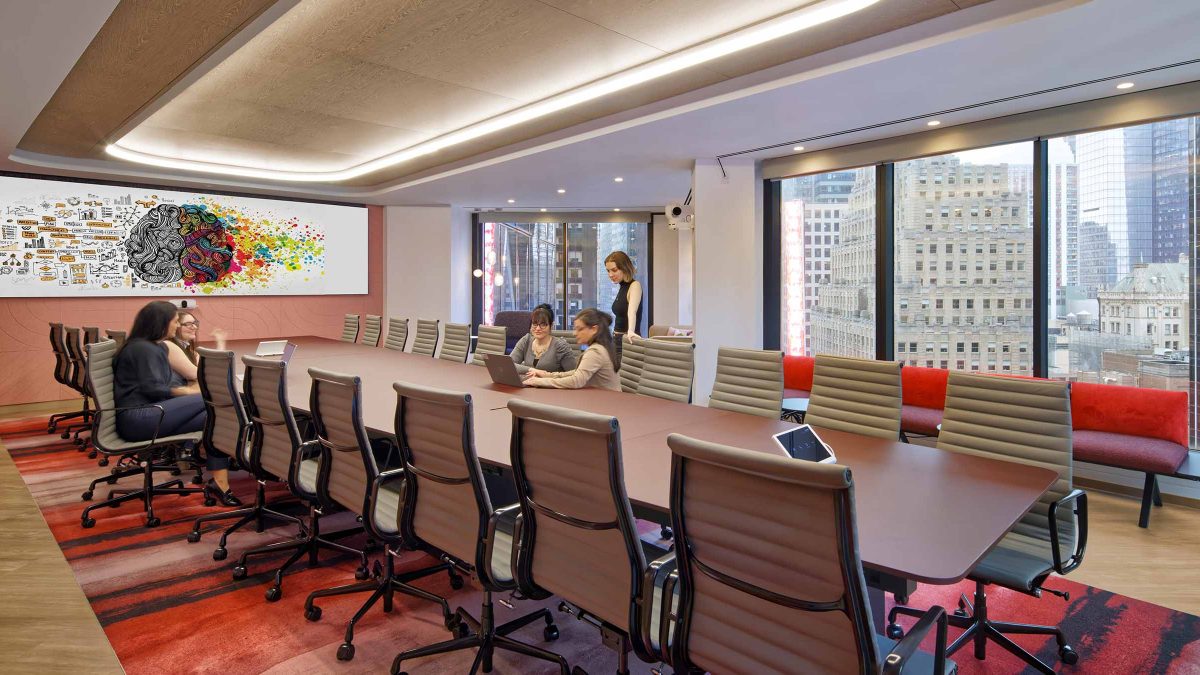
Every design choice affects budget, operations and long-term performance. In New York office design, where real estate costs remain high, even small changes can have major financial implications. Infrastructure planning, hybrid work ratios, furniture strategies, AV integration and future flexibility all influence the total project cost.
The stakes are particularly high in Manhattan. Office occupancy costs can exceed $100–$150 per square foot annually once rent, operating expenses and workplace investments are combined. When organizations are making decisions across tens or hundreds of thousands of square feet, even small planning mistakes can create significant financial consequences over the life of the workplace. Based on recent market data, Manhattan Class A asking rents alone are often in the $80+ per square foot range, before operating costs and workplace investments are added.
A feature wall may look impressive in a rendering, but if it carries a 20-week lead time or creates installation complexity, it immediately becomes a schedule and risk discussion.
At M Moser, our integrated teams work directly with subcontractors and vendors early in the process to validate materials, pricing, detailing and constructability during the design and documentation phase. This creates options and a live feedback loop so decisions can be made with confidence and reduces the need for value engineering later on.
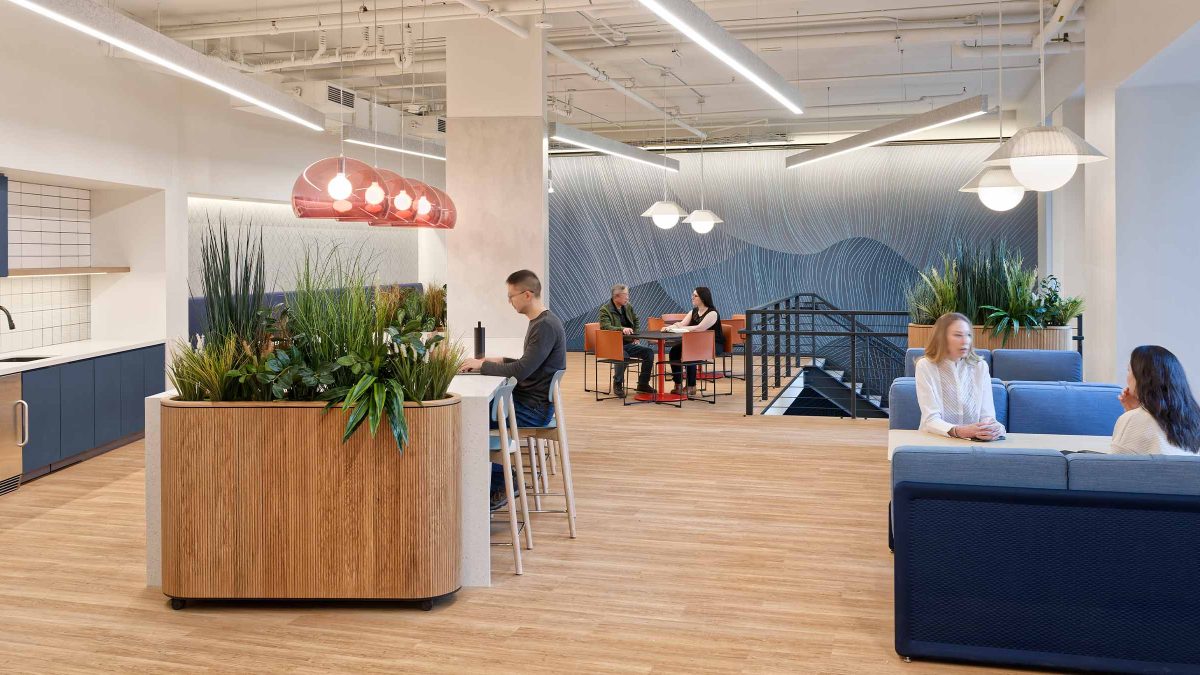
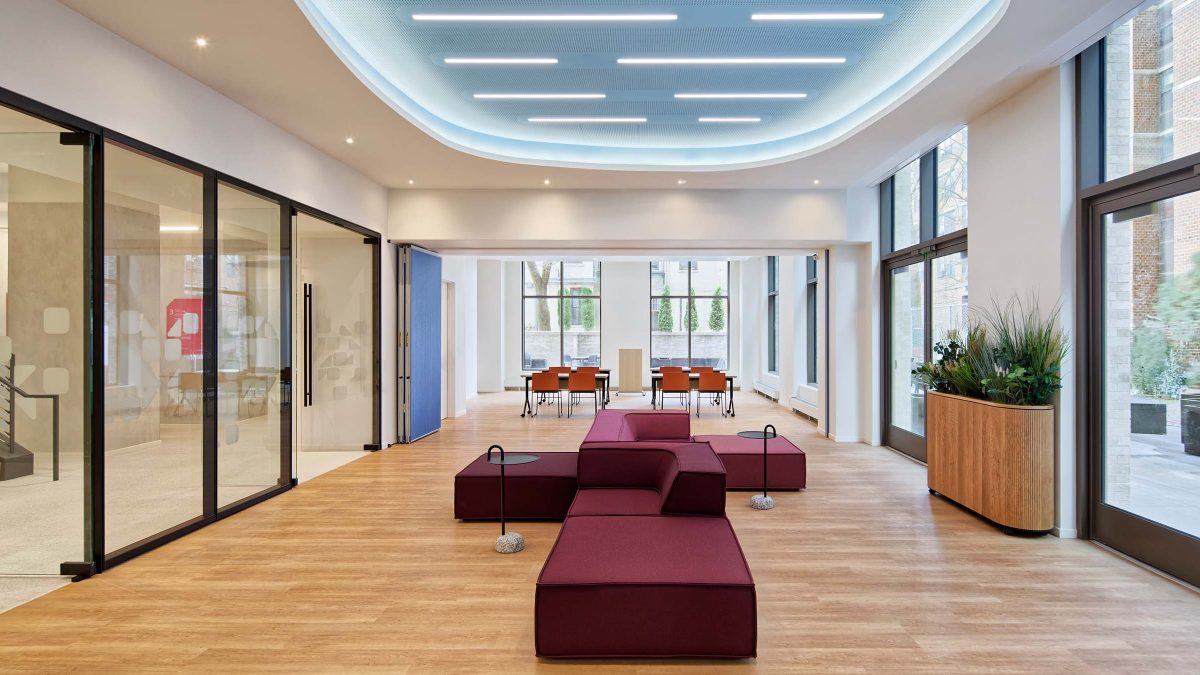
Our integrated delivery model connects workplace strategy, design, engineering and construction from day one. Instead of isolated handoffs, teams collaborate continuously throughout the project lifecycle.
This approach gives clients real-time visibility into cost impacts as decisions are being made. Rather than discovering budget issues late, teams can evaluate options proactively and make informed trade-offs earlier.
We’re proactive instead of reactive. We ensure clients can see the exposure upfront.
Integrated delivery also allows parallel workflows that compress timelines while maintaining accountability. Early coordination with trades, consultants and vendors reduces rejected submittals, redesigns and procurement delays.
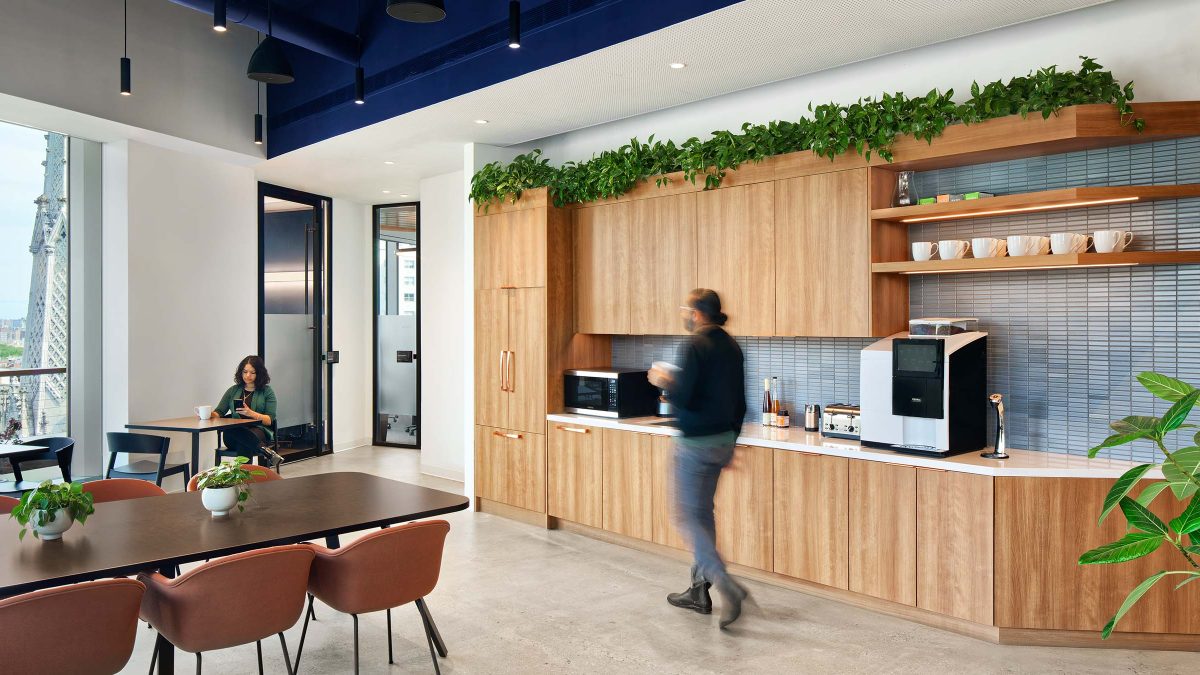
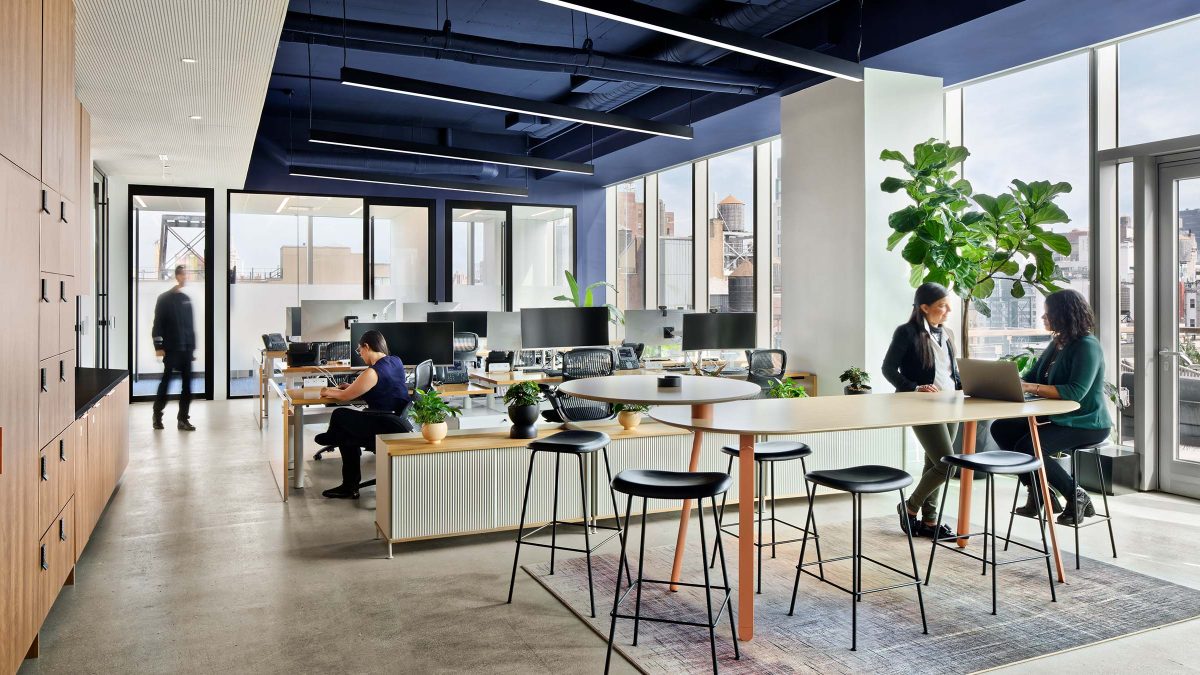
Workplace projects support hiring, culture, growth, operational efficiency and employee experience.
For companies navigating expansion, consolidation or transformation in New York City, predictability matters. Clients need workplaces that can evolve alongside the business without requiring constant reinvestment.
That is why the most successful projects solve for risk early, not late.
Associate Director, Project Delivery