
A global food & beverage company chose Expo City Dubai for its new regional headquarters. We transformed a former Expo 2020 pavilion into a 42,000 sq ft workplace, establishing a permanent base for 300 people and a hub for operations across the Middle East and North Africa.
This project continues a series of global collaborations with the client, following work in Indonesia, Switzerland and the UK. That continuity gave us a strong understanding of how the organisation thinks, makes decisions and measures success. Therefore, allowed us to move faster and with greater confidence from the outset.
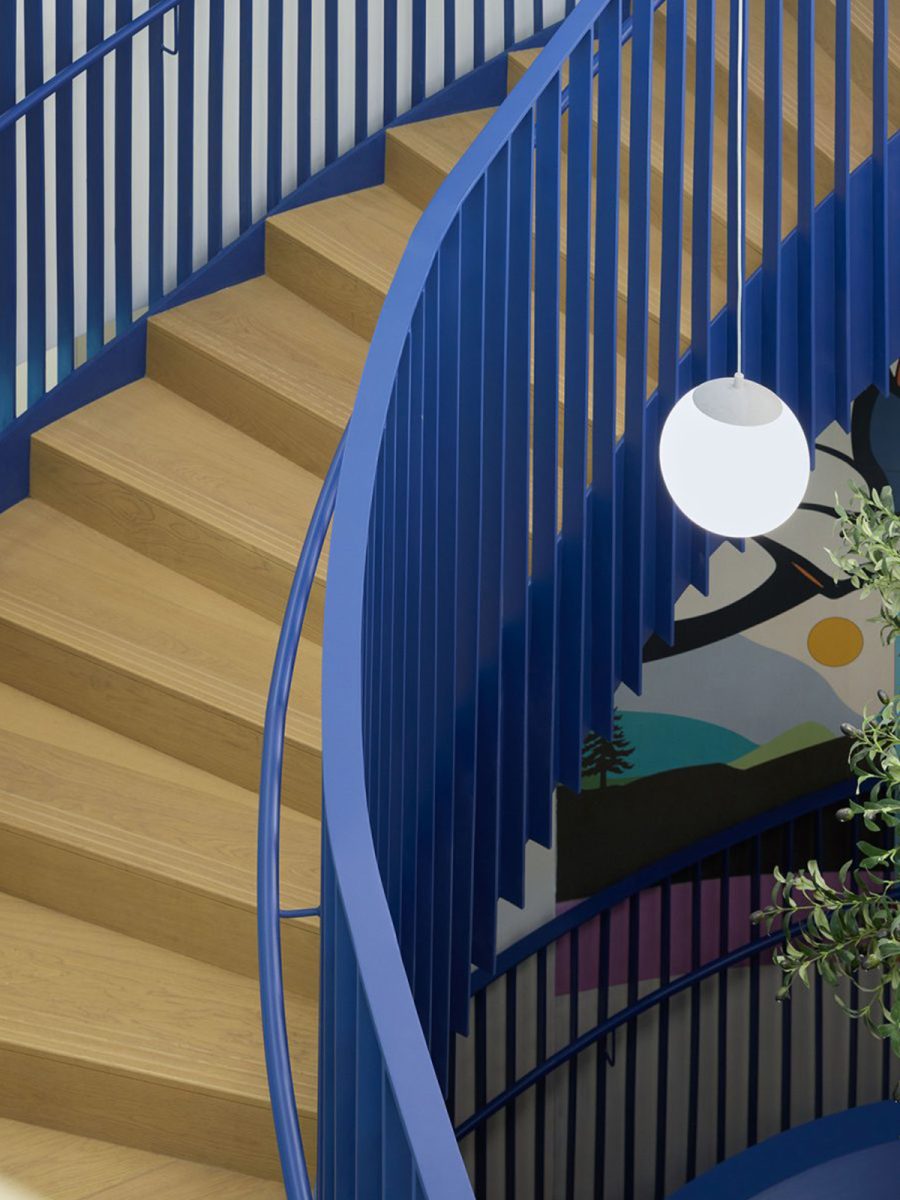
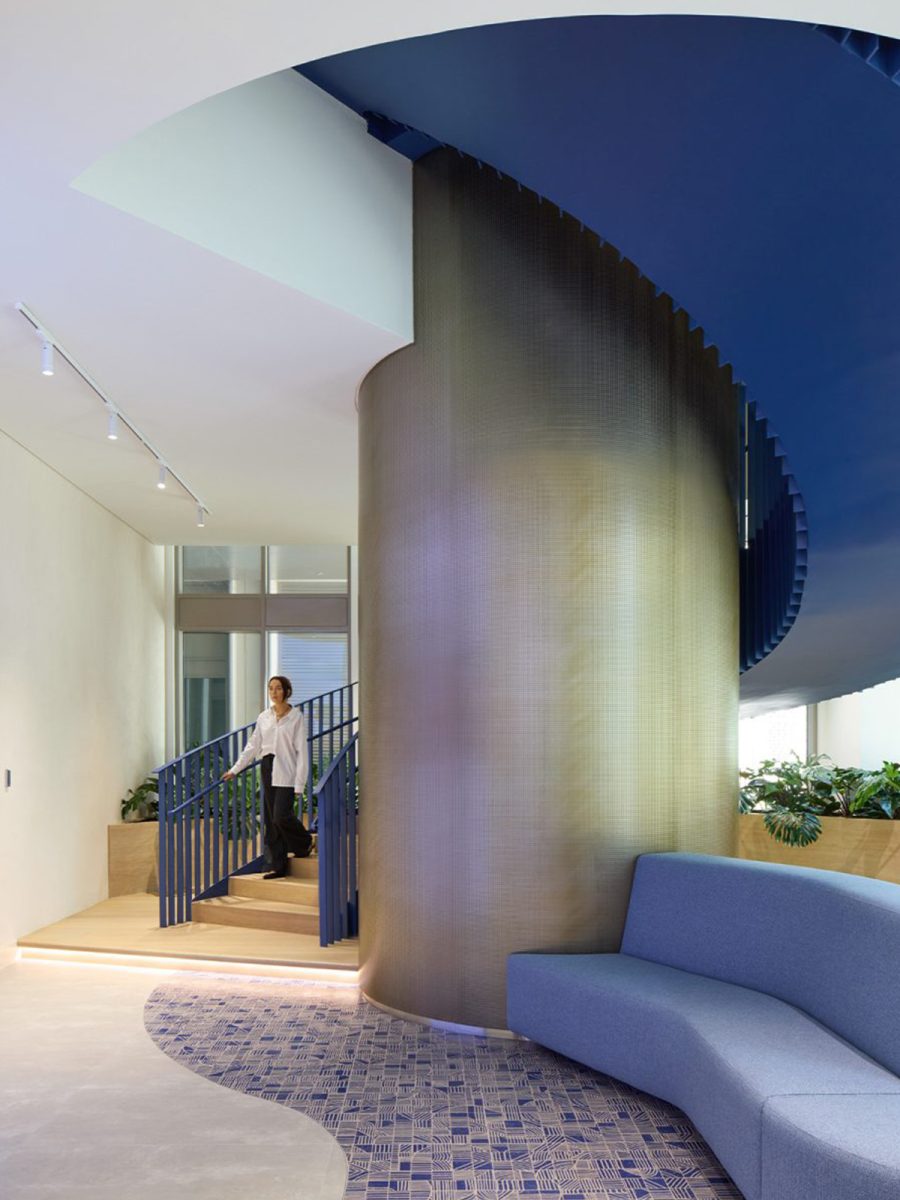
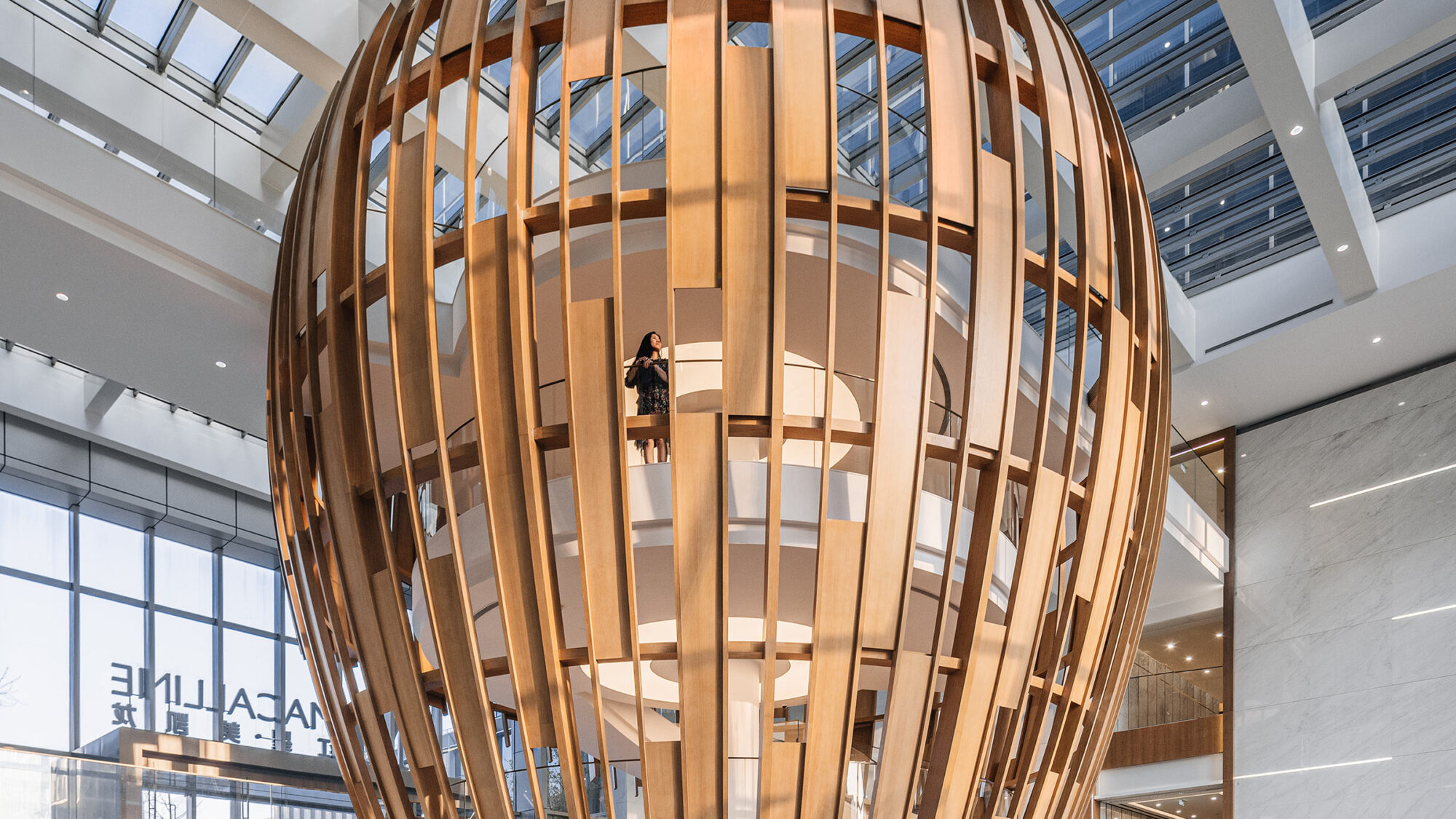
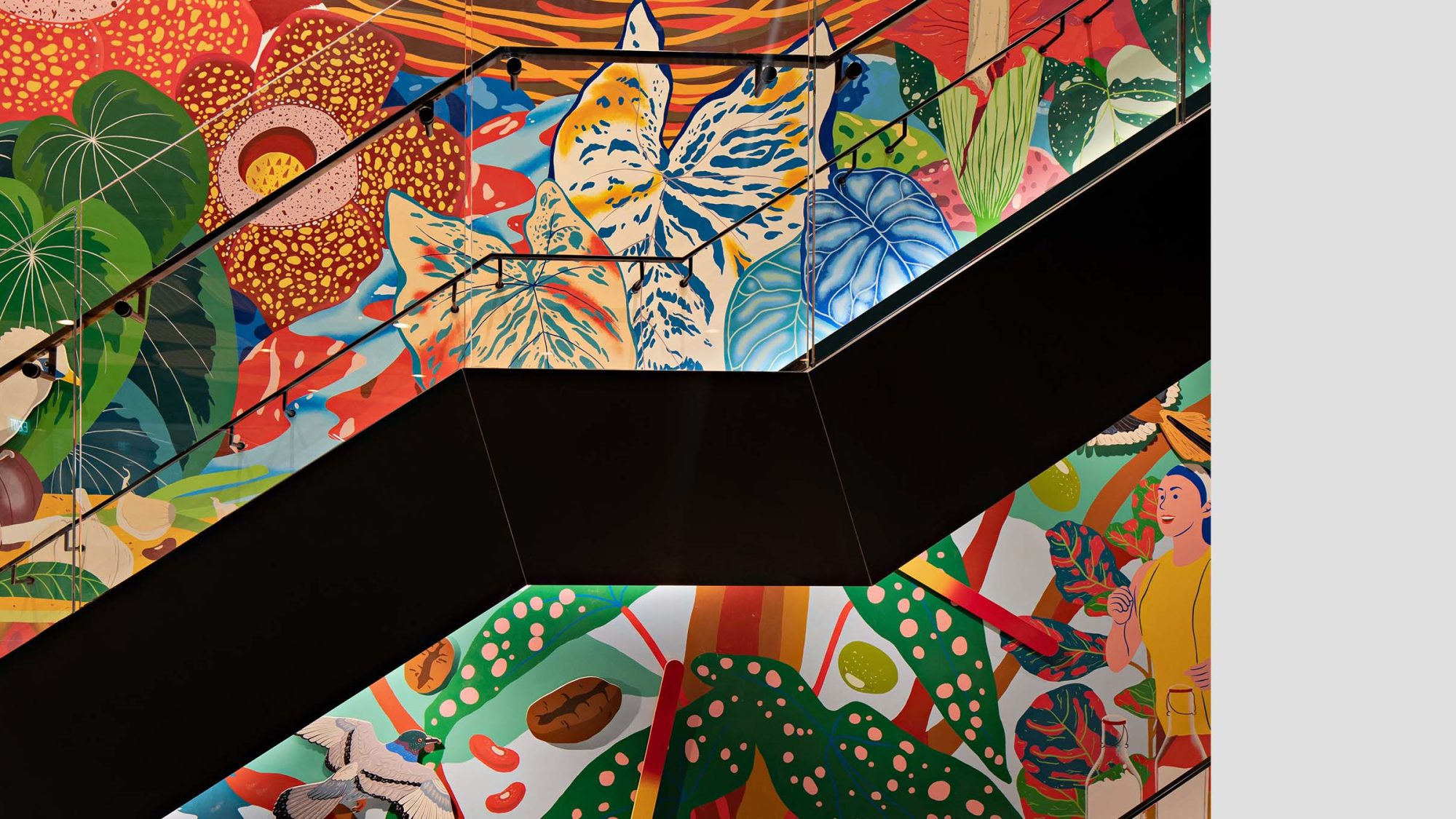
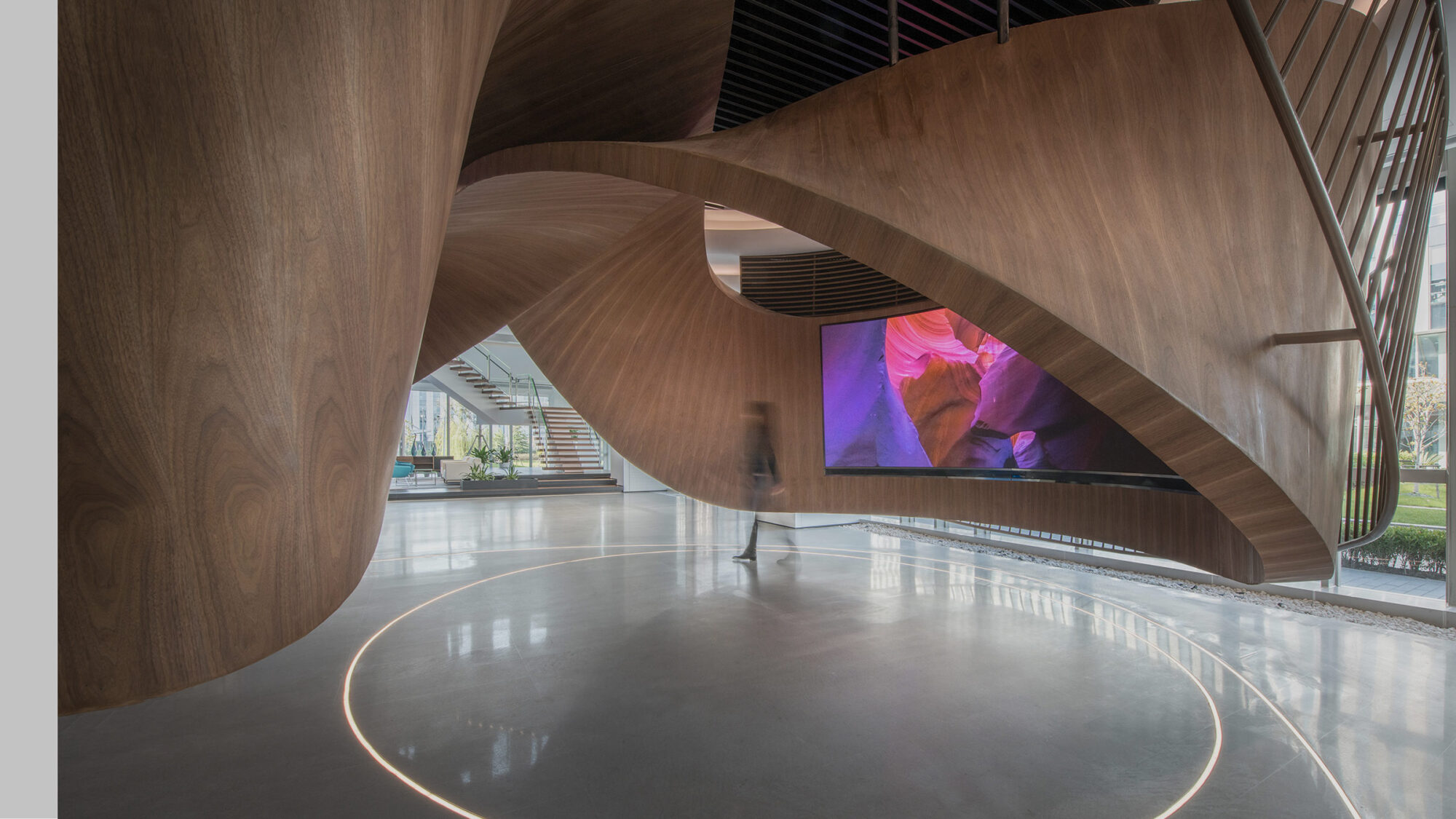
The building’s two floors originally relied on external, non-air-conditioned circulation, with no practical way to move between them as a day-to-day workplace. We cut through the structural slab to introduce an internal staircase, resolving this challenge. This intervention became the architectural spine of the project, carrying the design language from the ground floor innovation hub through to the workplace above.
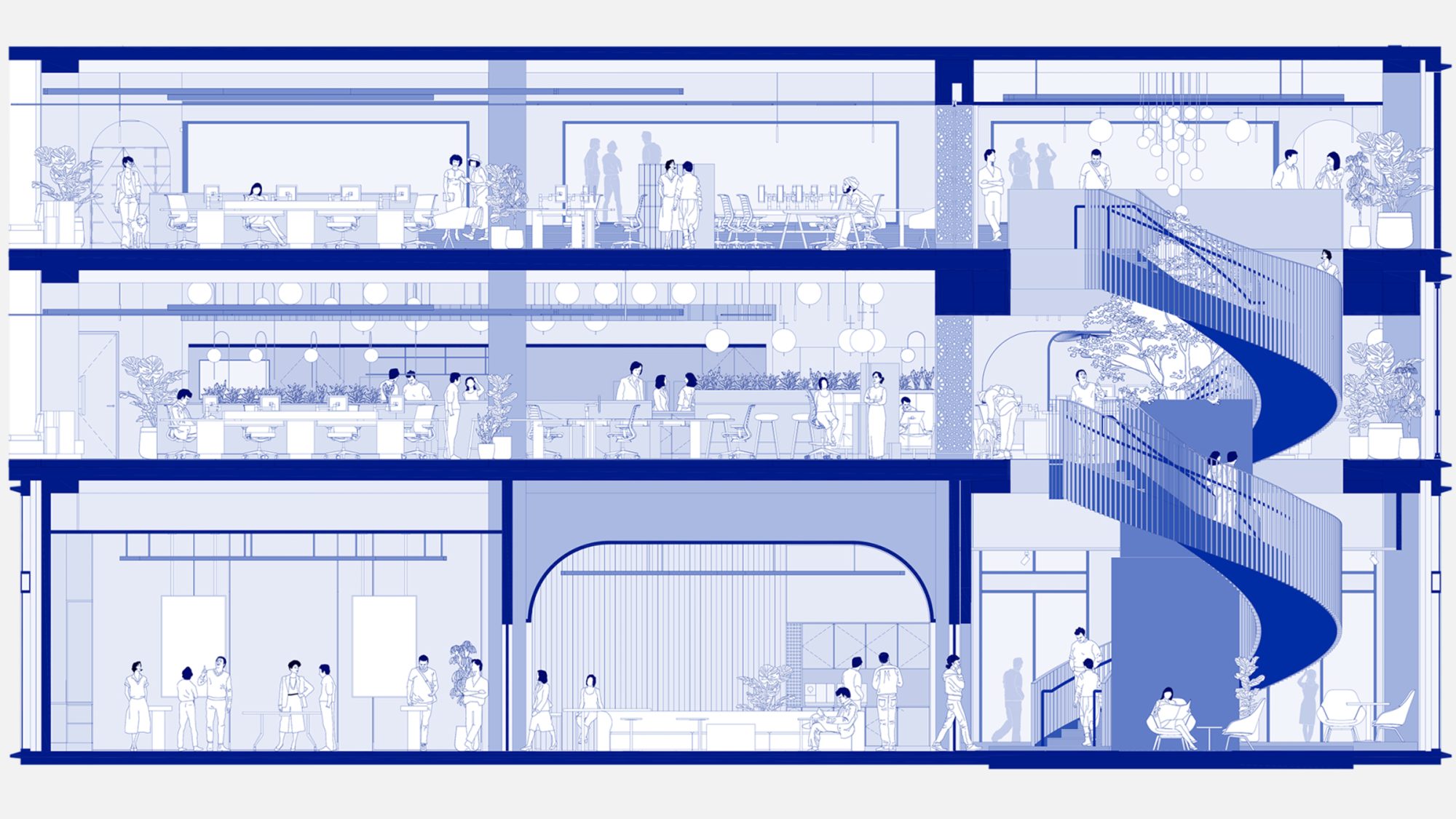
Leadership defined four priorities: stronger customer relationships, greater agility, talent attraction and a culture of innovation. The workplace brings these ambitions to life.
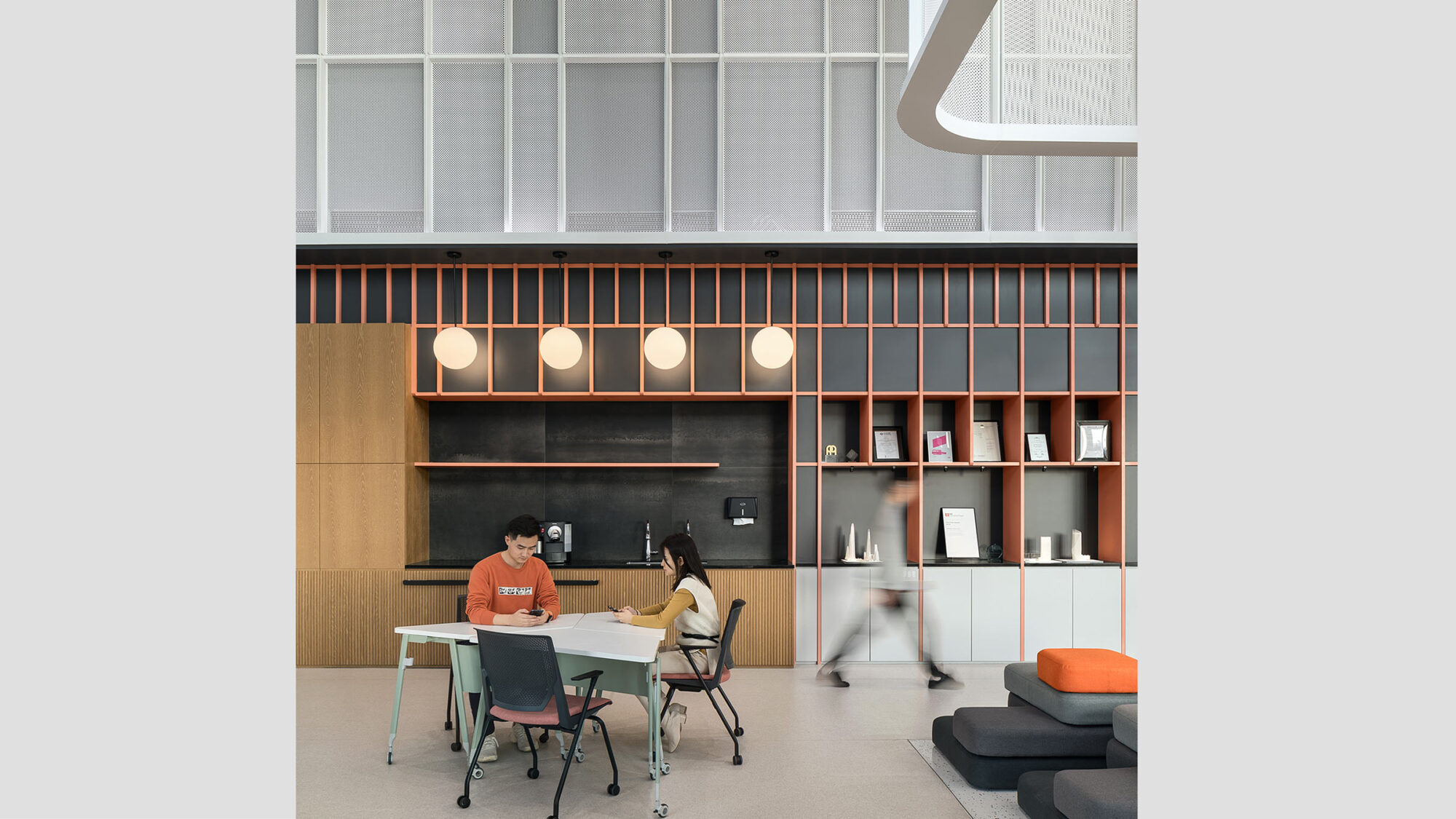
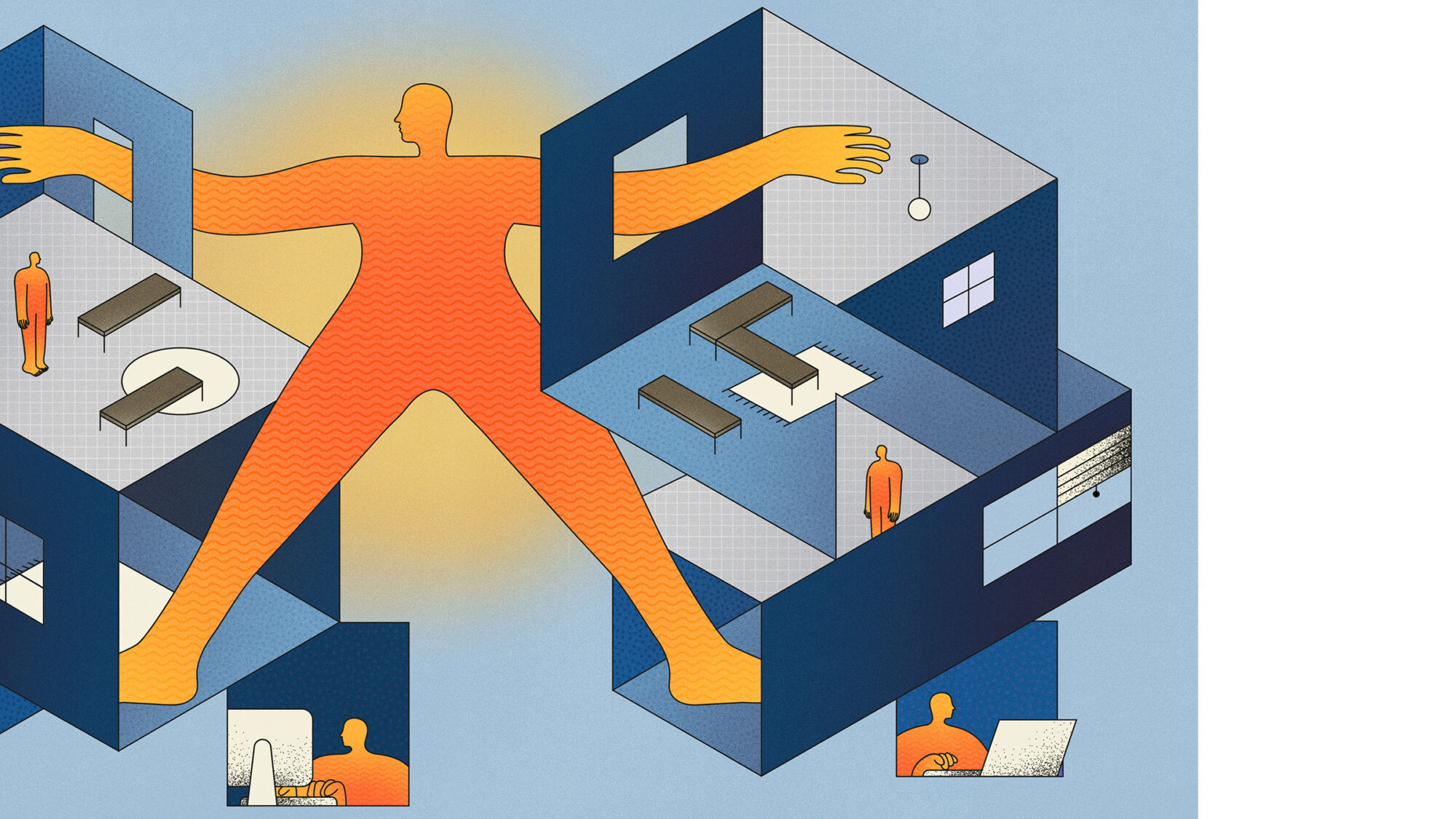
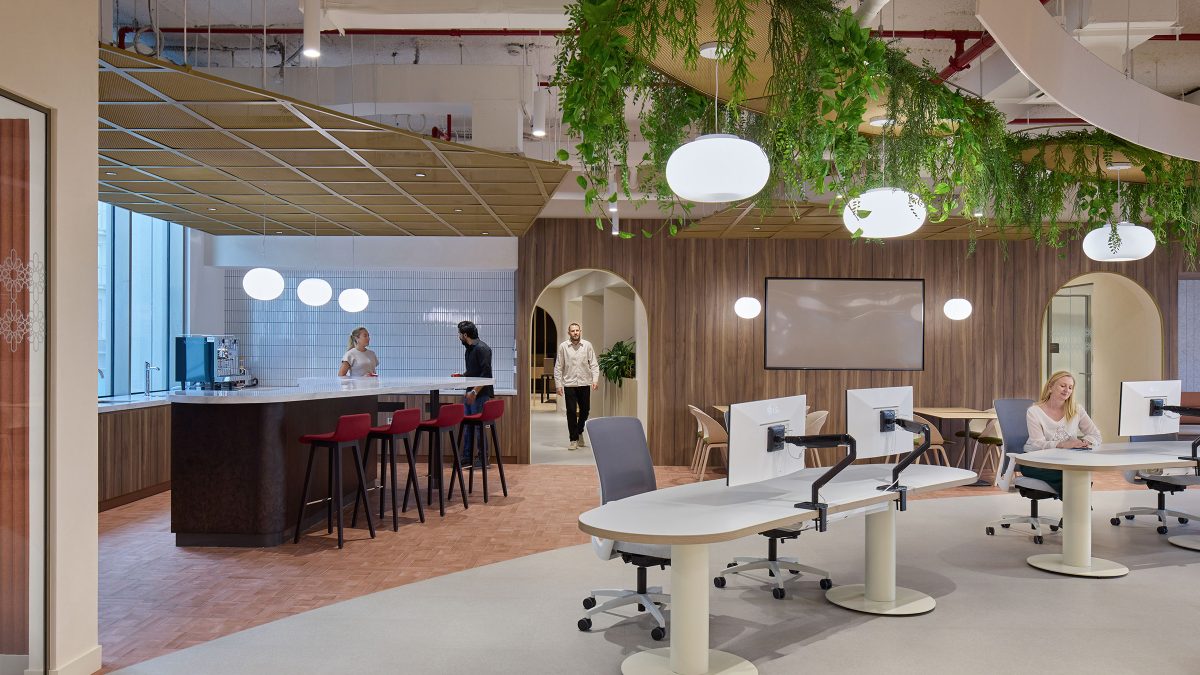
We shaped the space around an activity-based model, enabling people to choose how and where they work. A range of spatial typologies supports collaborative, social and focused activities across both floors. In addition, we embedded expectations around technology and inclusion into the brief from the outset.
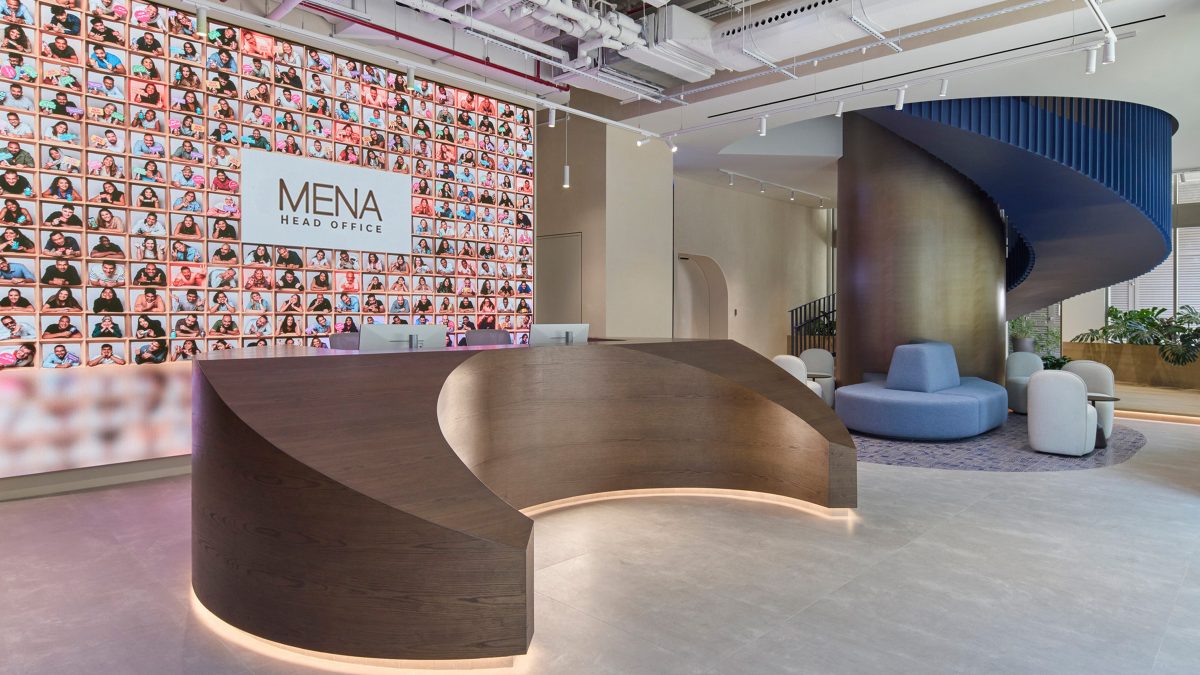
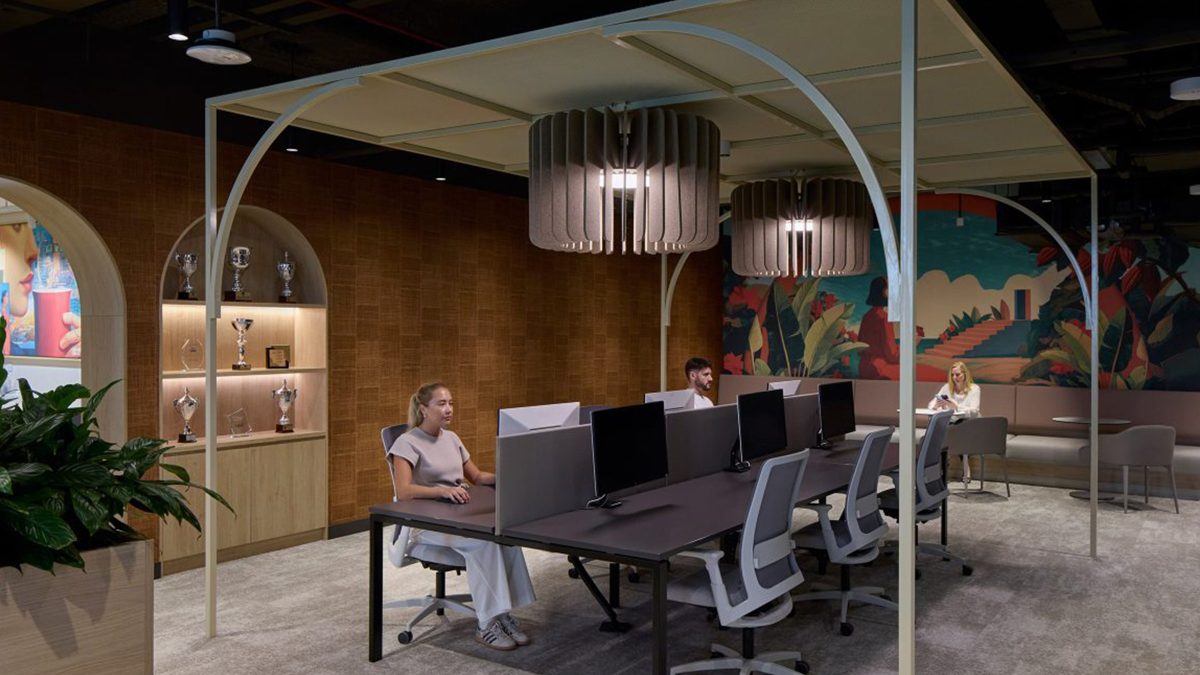
The move to Expo City Dubai marked a shift in how the organisation works. Previously, assigned desks and enclosed spaces reflected seniority. The new headquarters turns that model on its head. Teams now share an open environment, the CEO’s office is fully glazed, and only a small number of confidential roles retain fixed positions.
We carried this intent through every aspect of the design. The staircase links floors that once operated in isolation. The majlis remains open to everyone. The boardroom replaces hierarchical seating with equal sightlines. Over time, that consistency is what makes a culture stick.
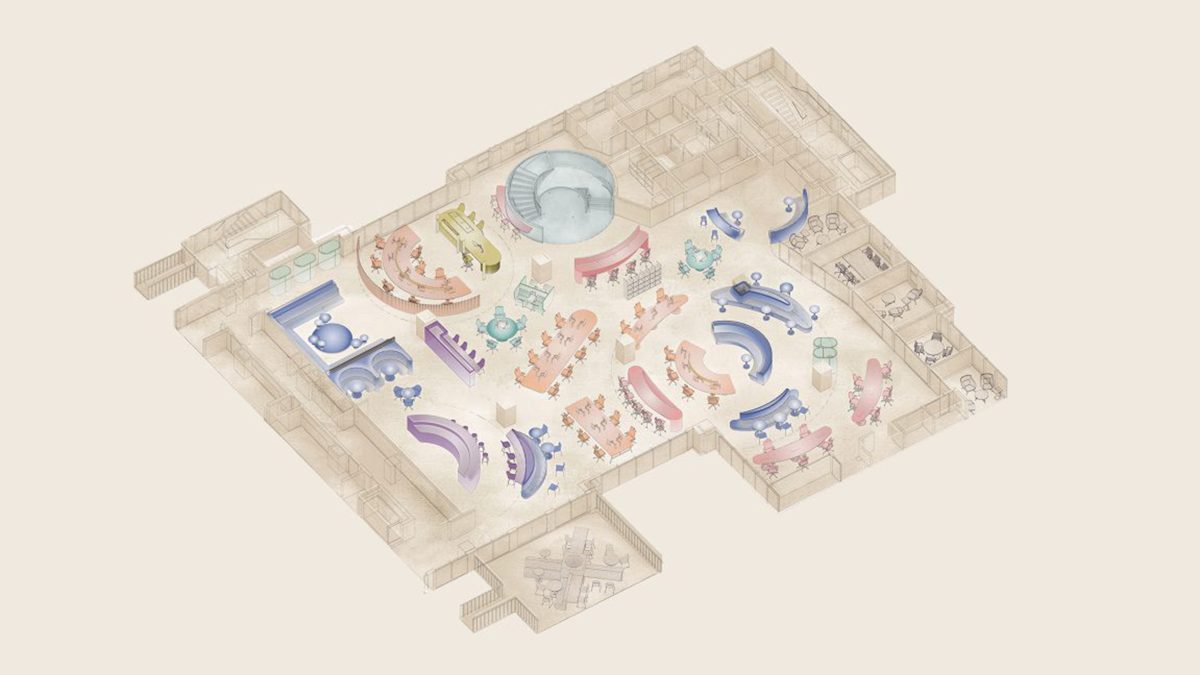 A unified spatial landscape where varied typologies blend to create a seamless flow of activity.
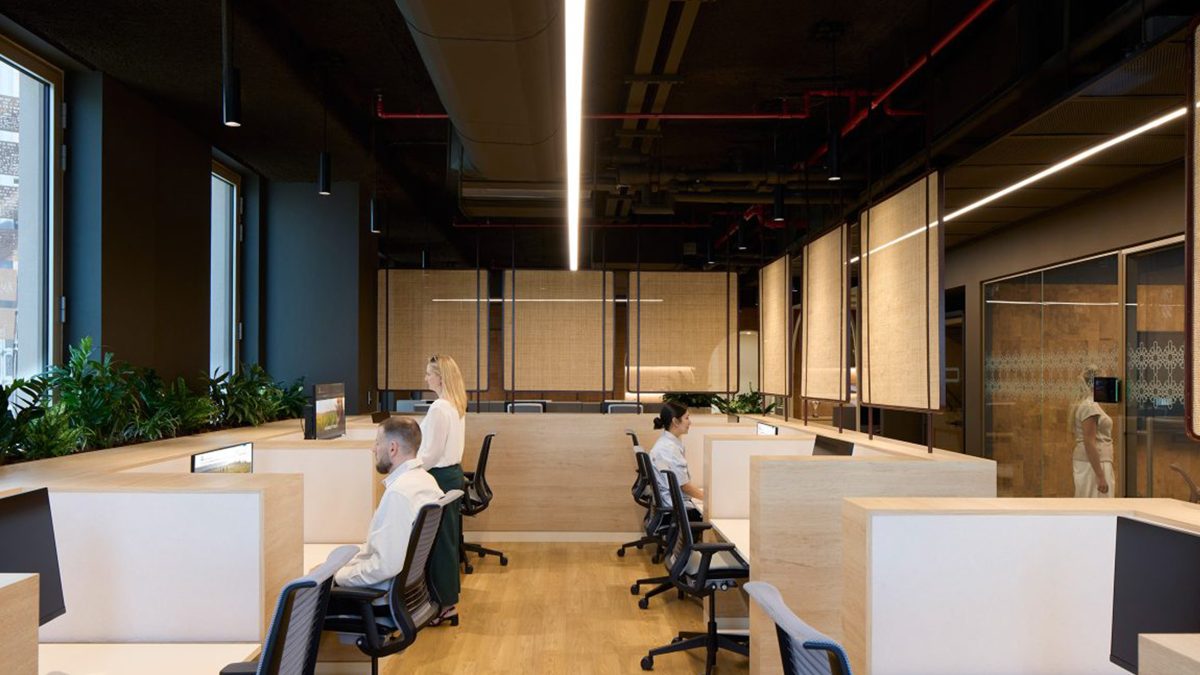
 The floor plan follows a clear progression. Each floor moves from a central, open collaborative zone through a transitional corridor of framed openings, arriving at quieter, focused areas along the perimeter.
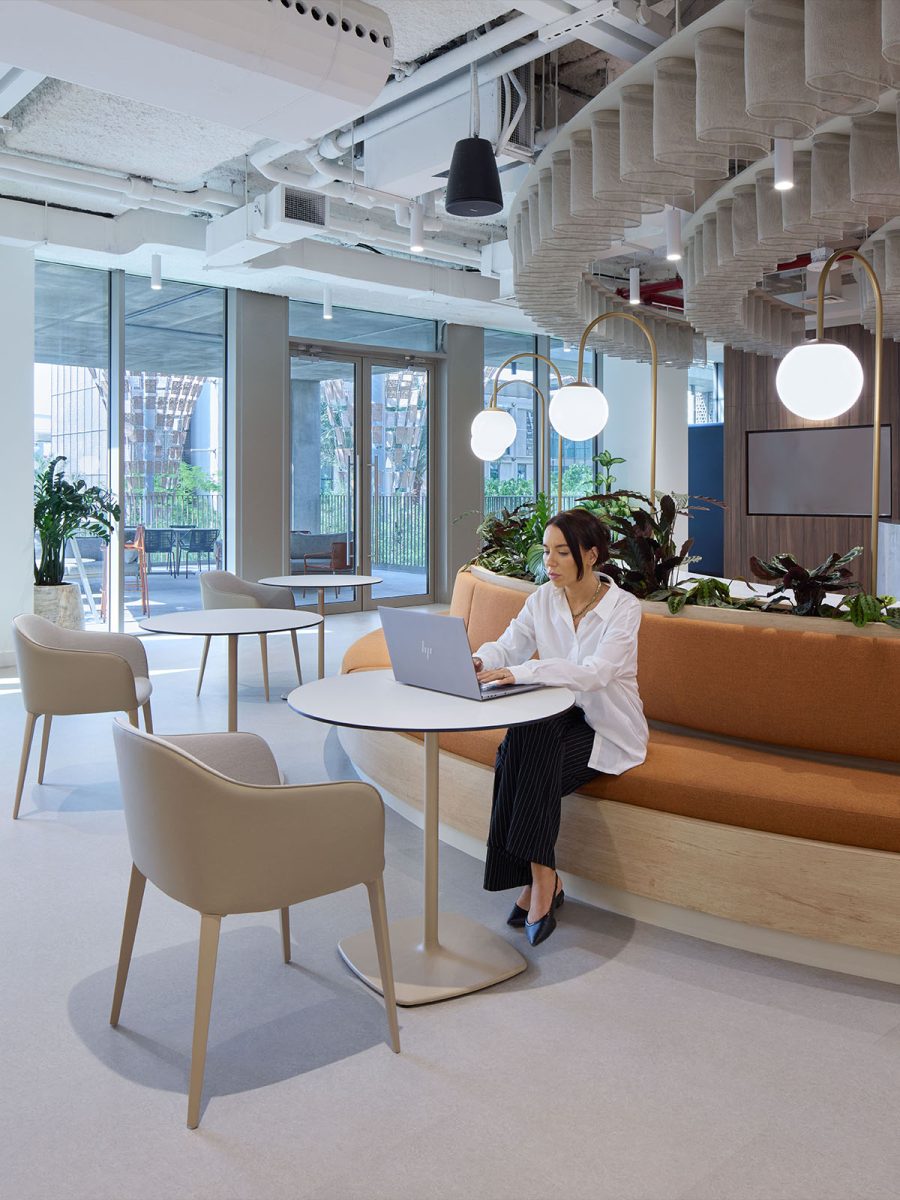
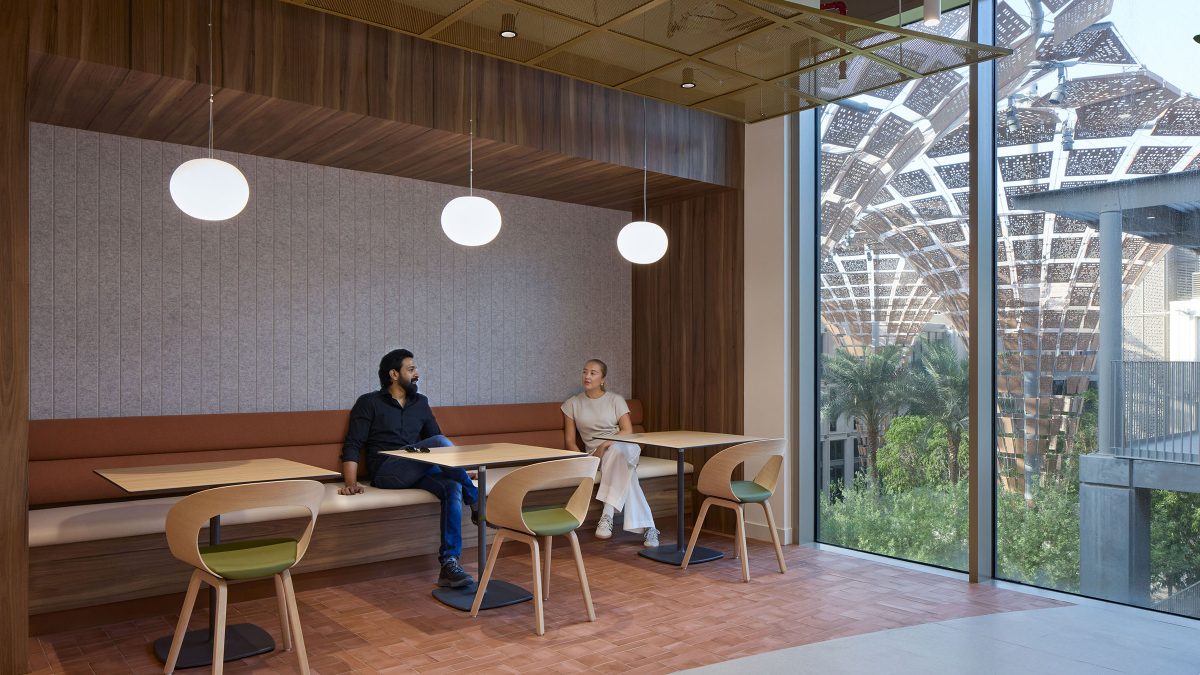
We designed the quiet zones with their own meeting rooms, finished to match, so the character remains consistent rather than simply reducing desk density. Focus nooks line the façade to make the most of natural light, while social spaces sit deliberately away from work settings, encouraging movement and pause.
The logic is spatial rather than policy-driven. The layout guides behaviour.
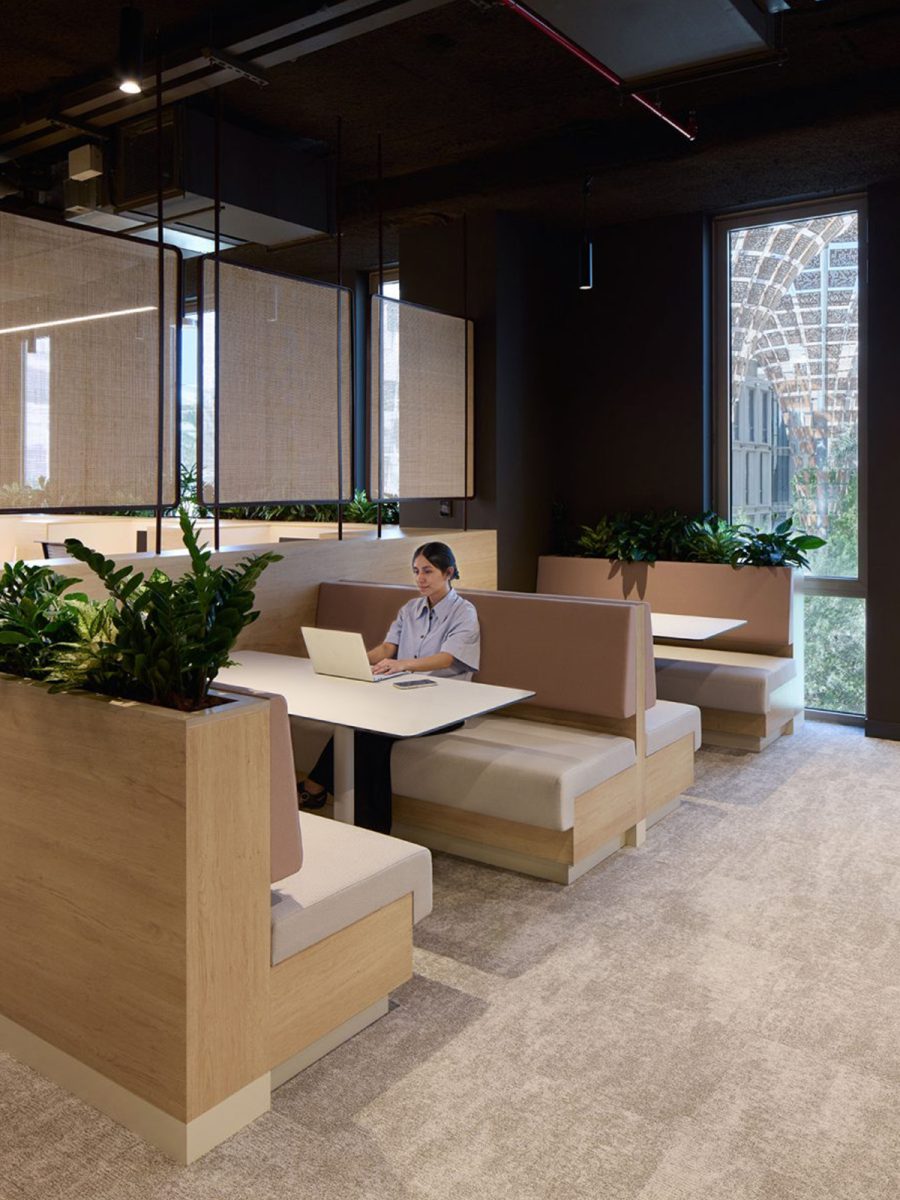
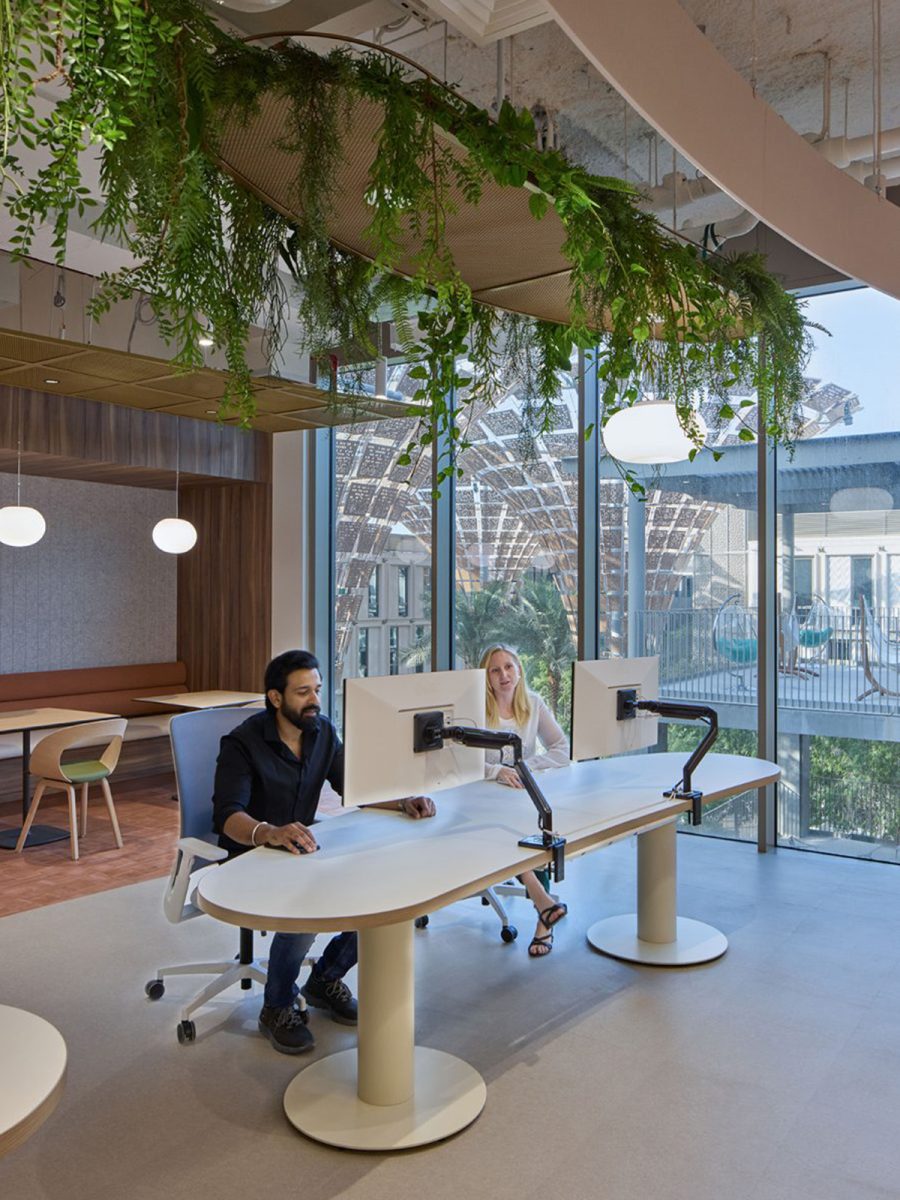
Prior experience with this client across multiple geographies accelerated decision-making at every stage.
Gurvinder Khurana, Director at M Moser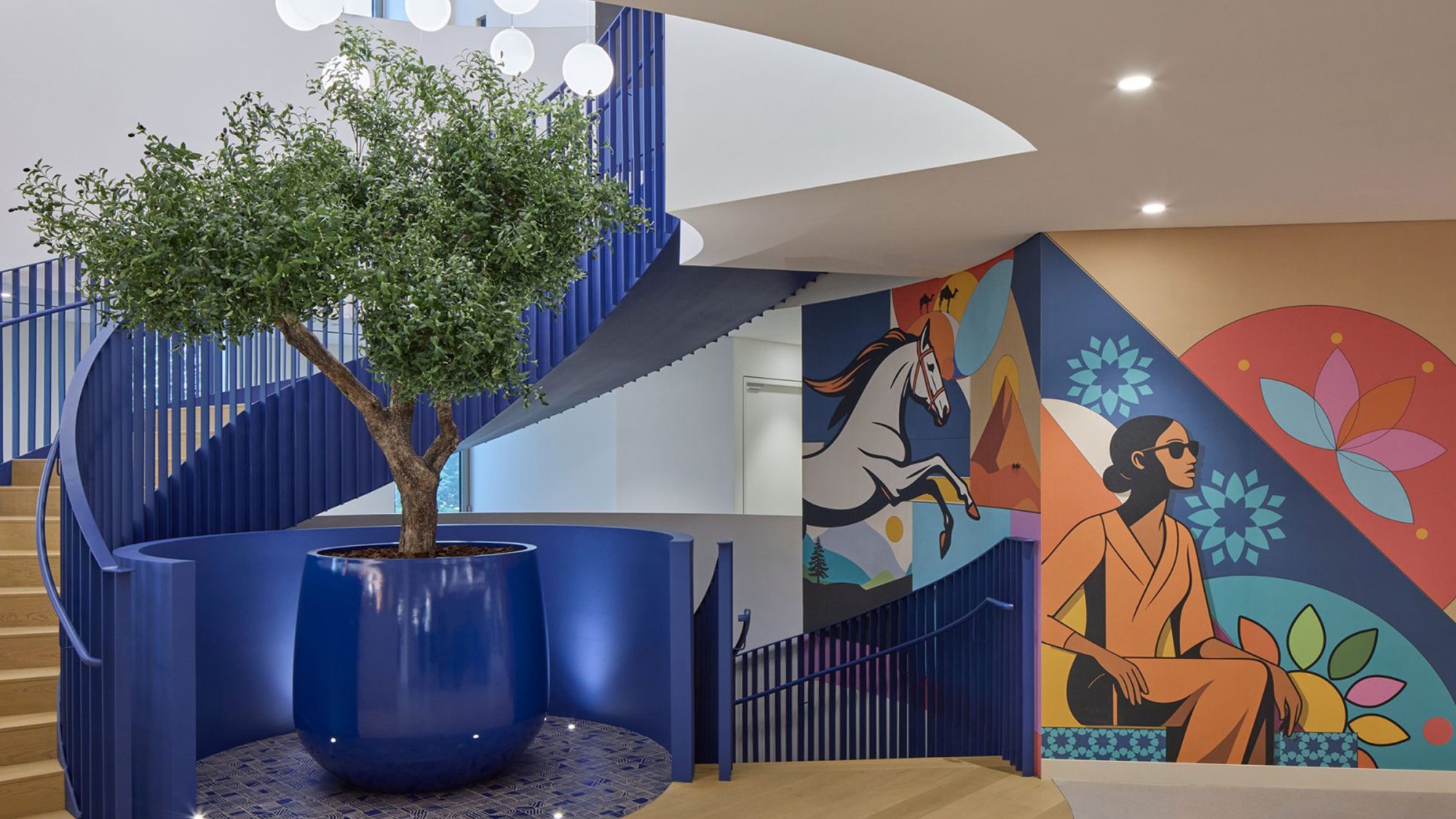
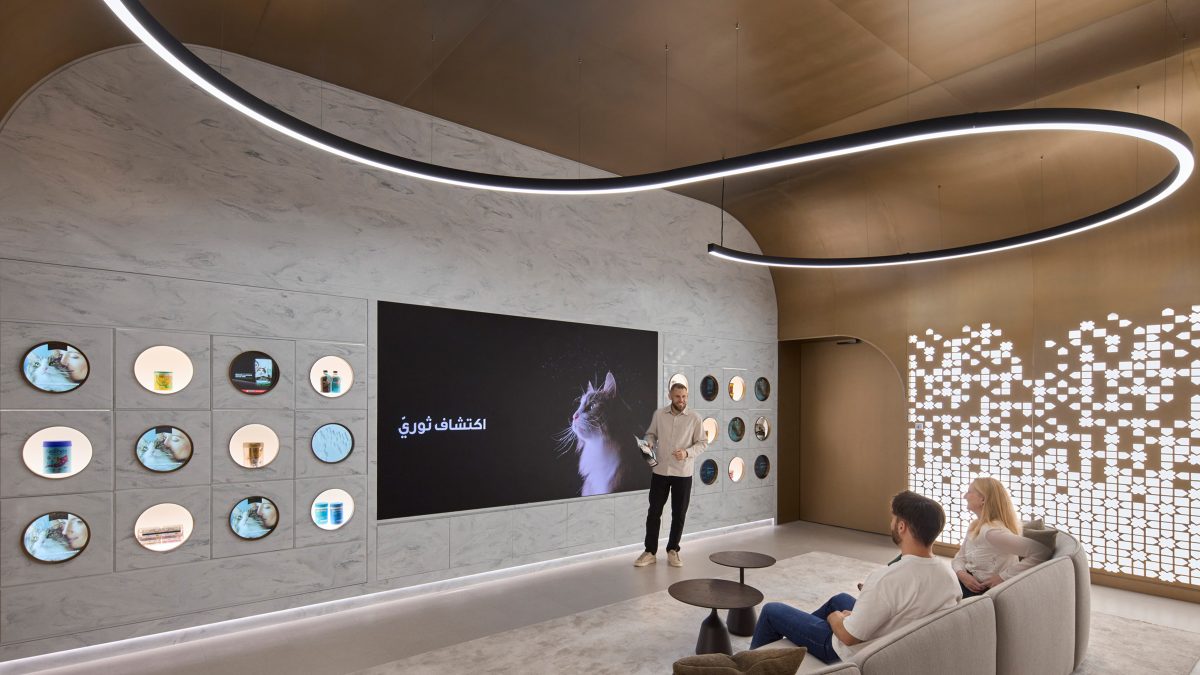
The innovation hub brings the organisation’s vision for the future to life. Visitors arrive at a reception desk backed by a dynamic LED screen that adapts to each visit. Beyond this, a sliding door marks the transition into the immersion space beyond, where the atmosphere shifts entirely.
We designed the immersion room with floor-to-ceiling curved screens and integrated object-recognition shelving that triggers product data and visualisations when items are placed on it. Projection mapping extends across floors and walls, while additional screens descend from the ceiling. The space adapts easily, supporting everything from client presentations to product tastings.
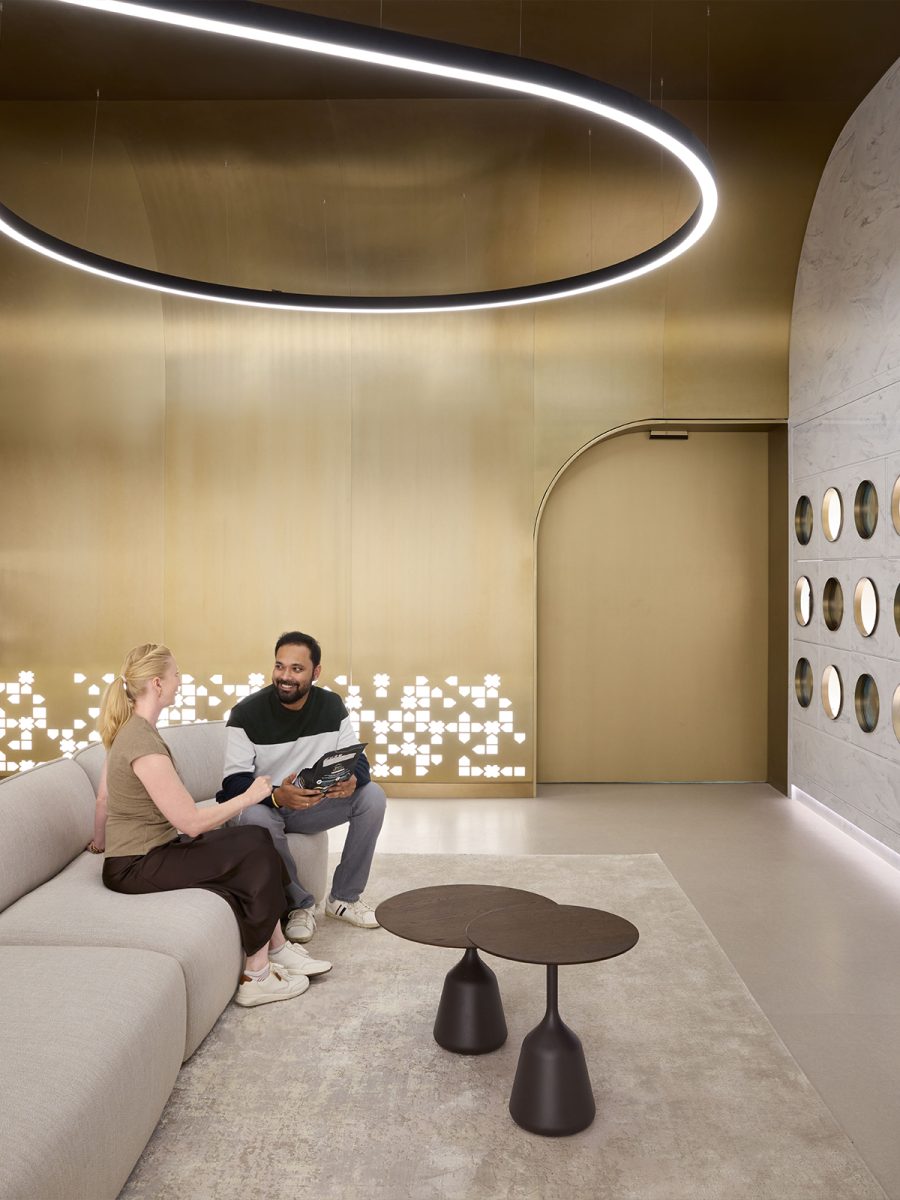
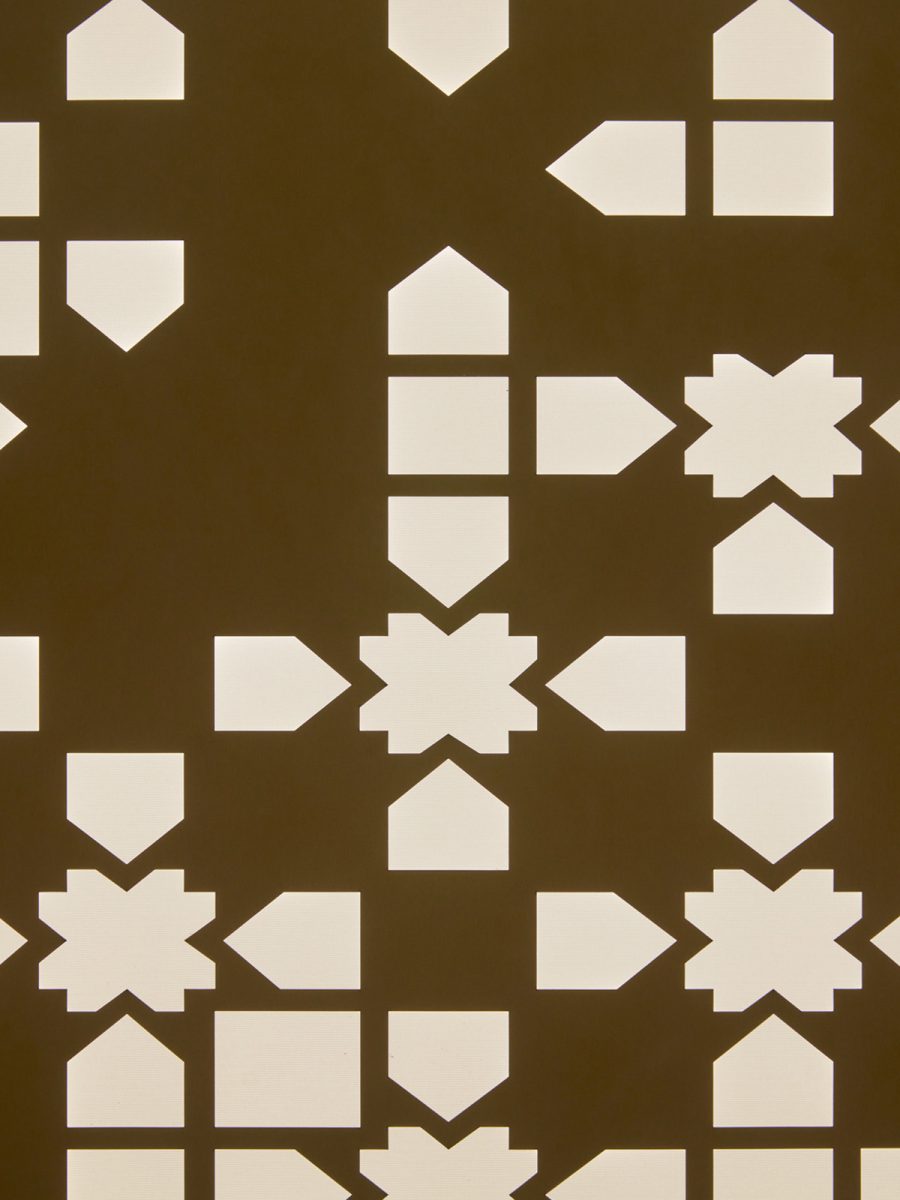
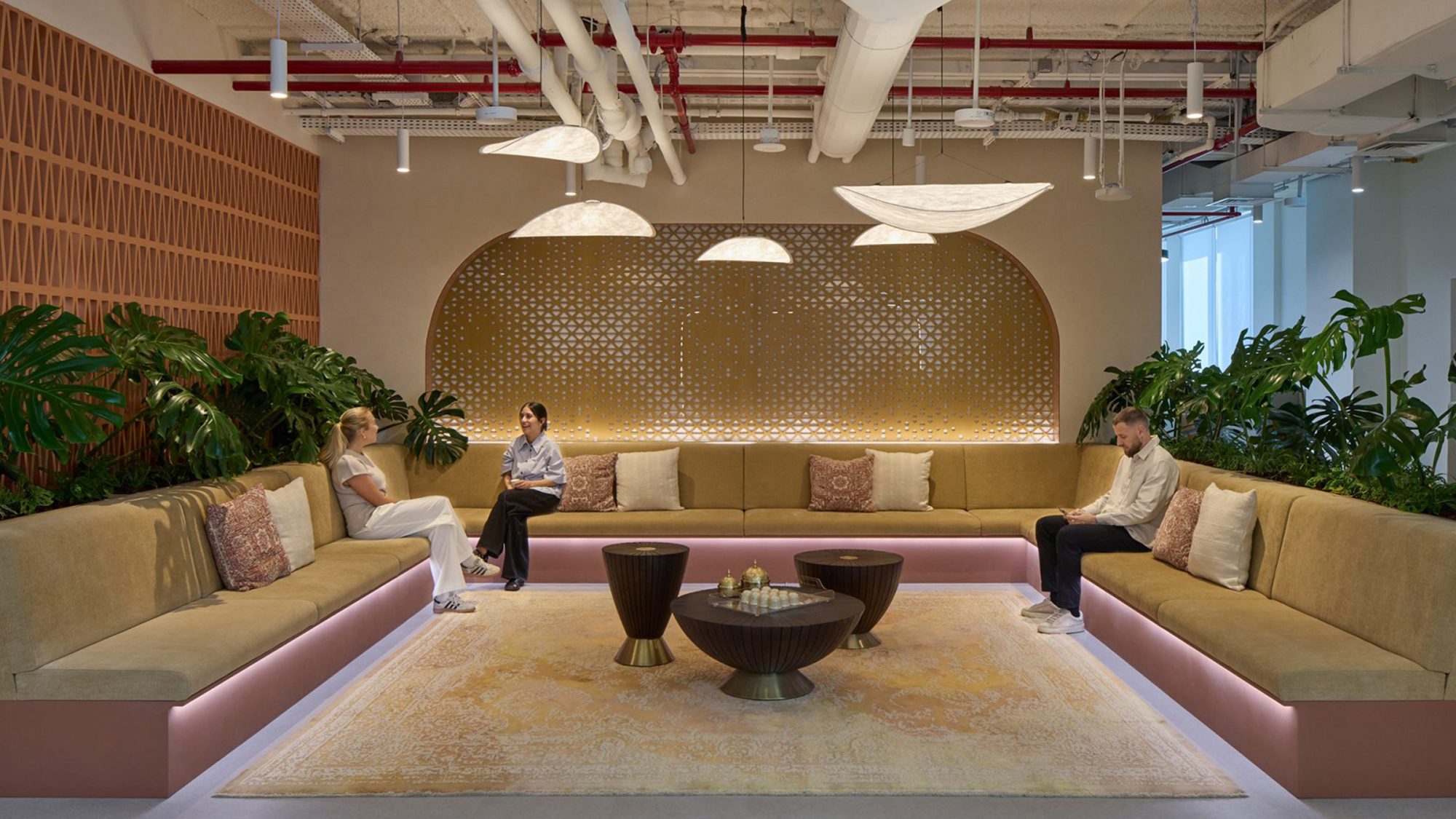
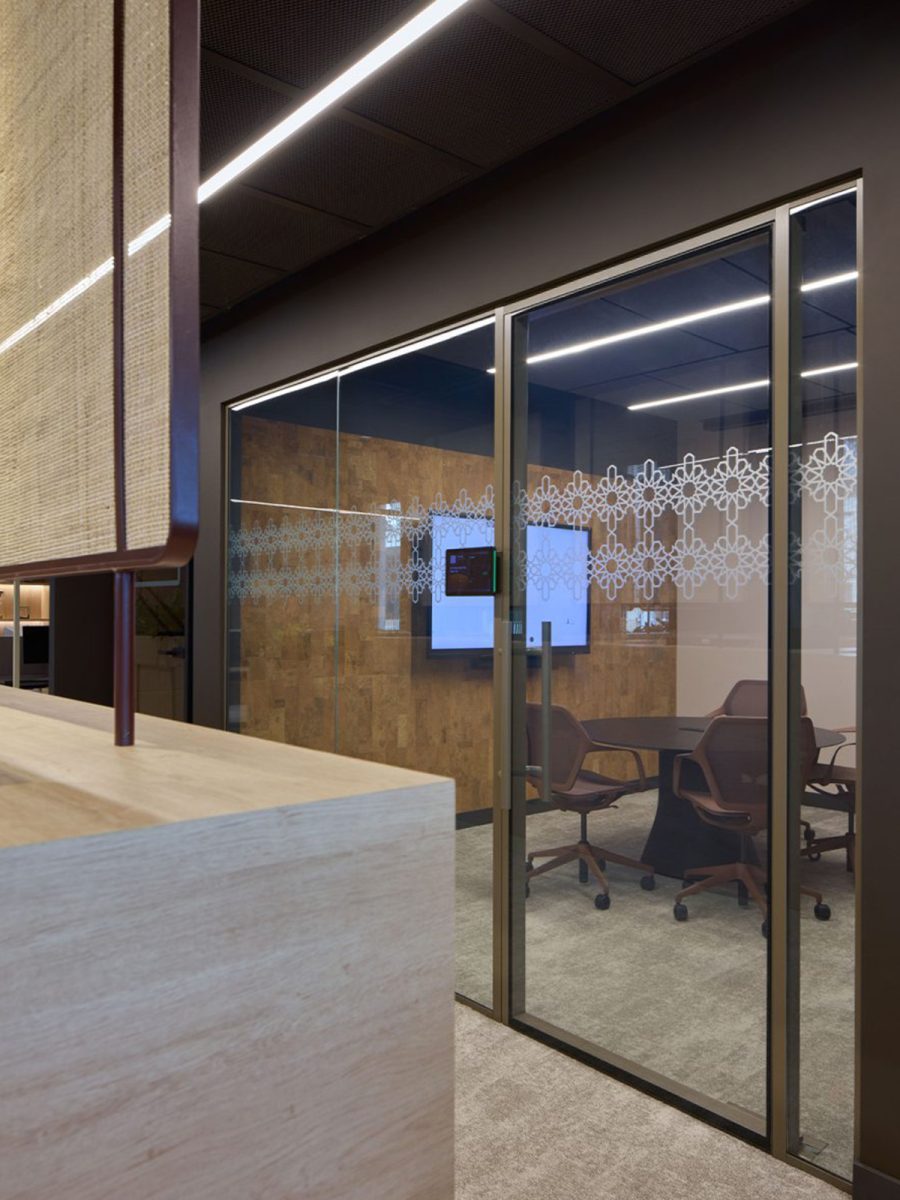
The design promotes openness and inclusivity. A majlis, traditionally a closed, formal reception space, was redesigned as an open informal meeting area accessible to everyone.
Similarly, the boardroom adopts a campfire-style layout with tiered seating to encourage participation and equal participation.
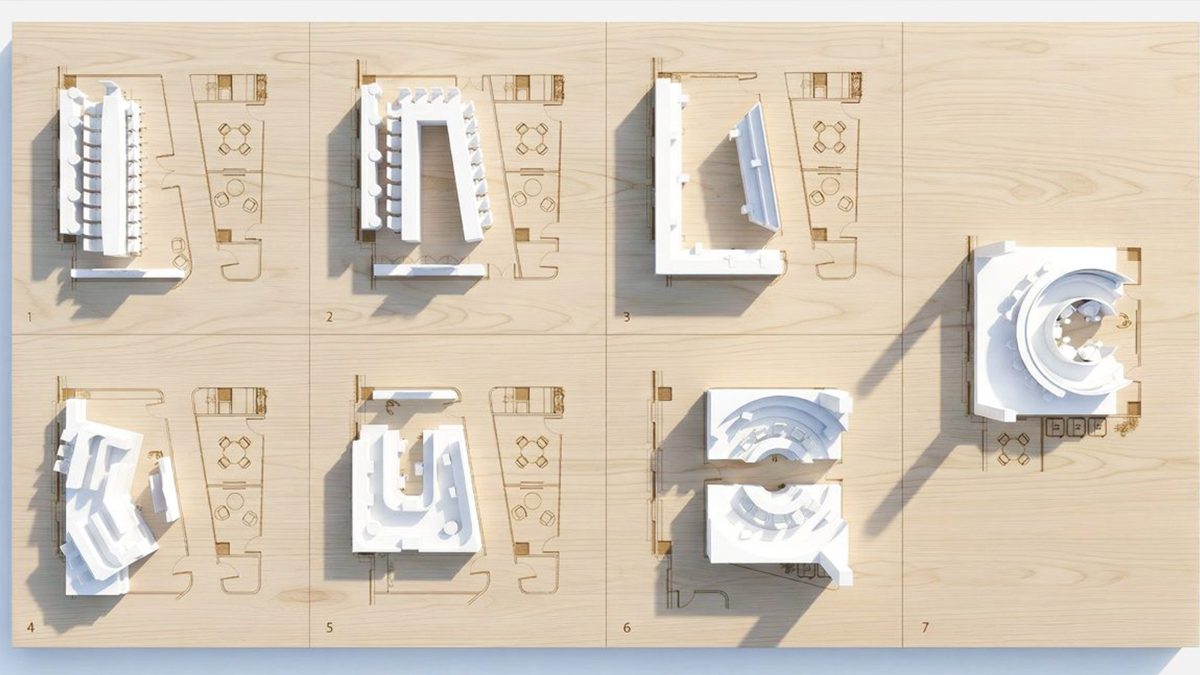 We modelled multiple boardroom configurations before confirming the final layout.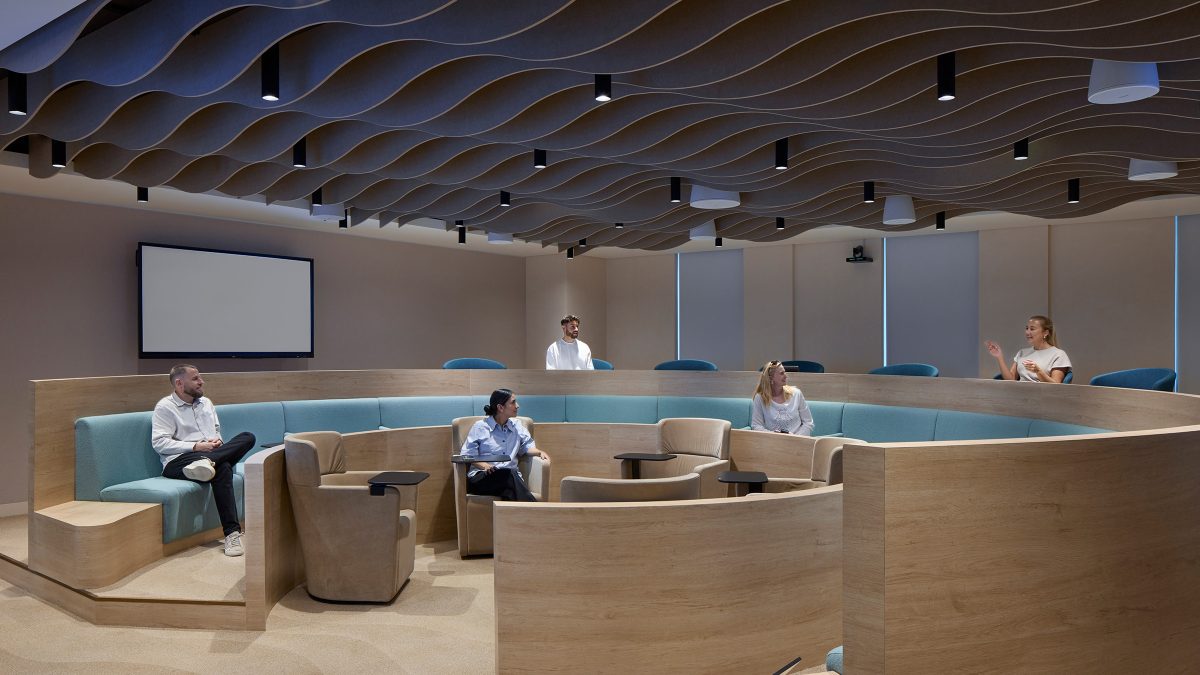
The building’s existing M&E systems could not support long-term use, so we replaced them in full. We completed new building services, structural reinforcement and upgraded circulation before starting the fit-out.
Solar and thermal modelling informed a targeted blind strategy, with shading installed only where the analysis showed it was necessary.
Materials were sourced locally to suit desert conditions, including UV-stable coatings, durable composites and heat-tolerant flooring throughout.
The project required continuous prioritisation as the programme evolved. We worked closely with the client team to direct budget where it mattered most, protecting the ambitions set out at the brief stage. The result is a headquarters that delivers on its original intent.
Our London and Dubai studios delivered the project from concept through to completion. The project demonstrates what an integrated design and build approach can achieve within an existing structure at Expo City Dubai, a fixed budget and an extreme climate.
Completed
2025
Dubai
3,902 sq m / 42,000 sq ft
Nikola Stokanovic