


PwC Canada envisioned its 271,500 sq ft Toronto headquarters as a catalyst for a new era of workplace transformation. The goal was to bring clarity to a shifting work culture, connect their national portfolio through a unified design language and cultivate a place where people feel autonomy, comfort and belonging.
As the firm’s largest Canadian office, Toronto holds a dual responsibility of both cultural anchor and national prototype. Its success would share the model for the portfolio-wide rollout. Delivering on this promise went far beyond aesthetics. It required rethinking the fundamentals of privacy, presence, collaboration, identity, accessibility and long-term adaptability.
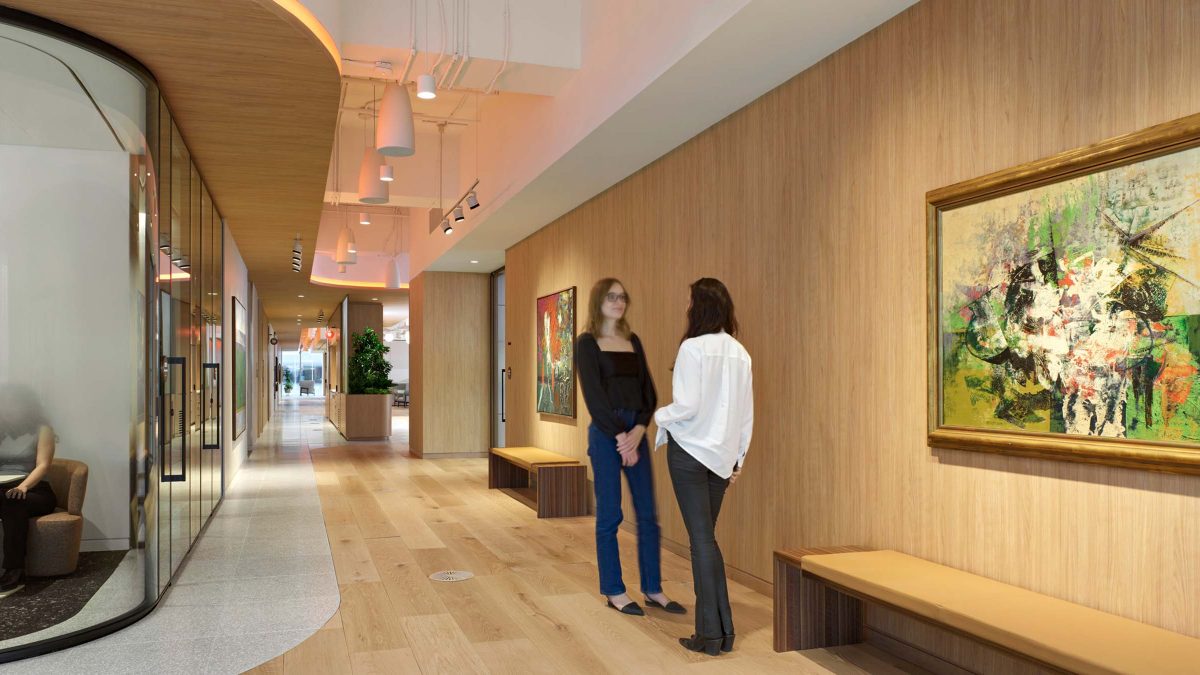
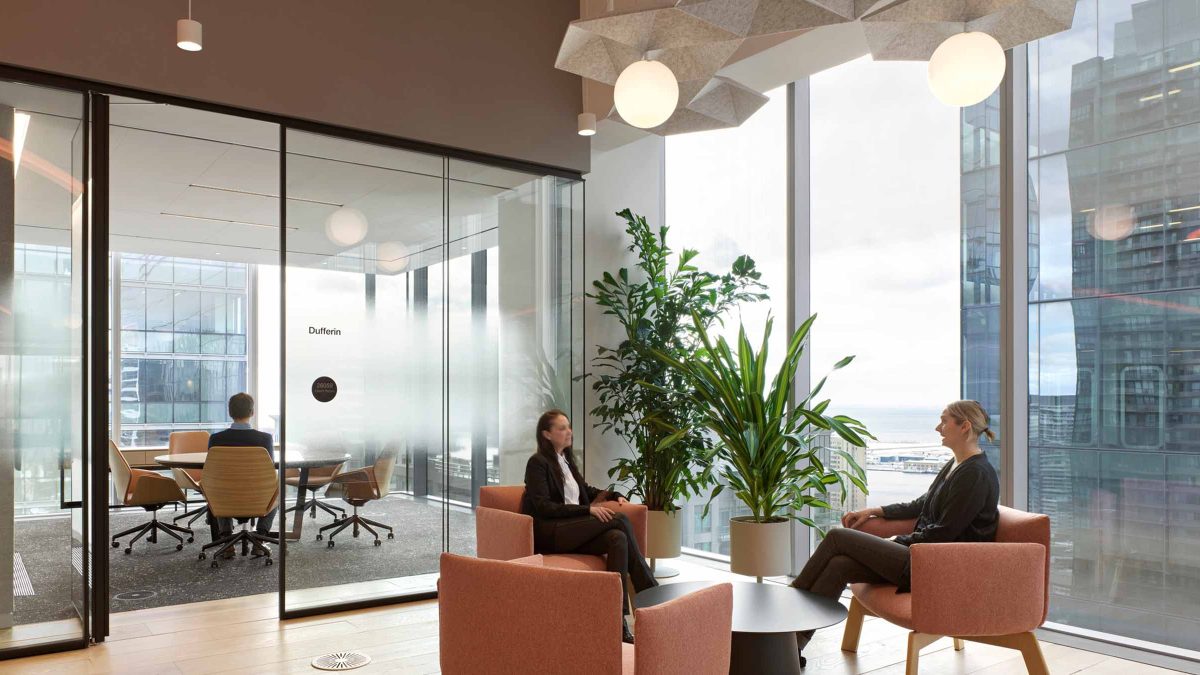
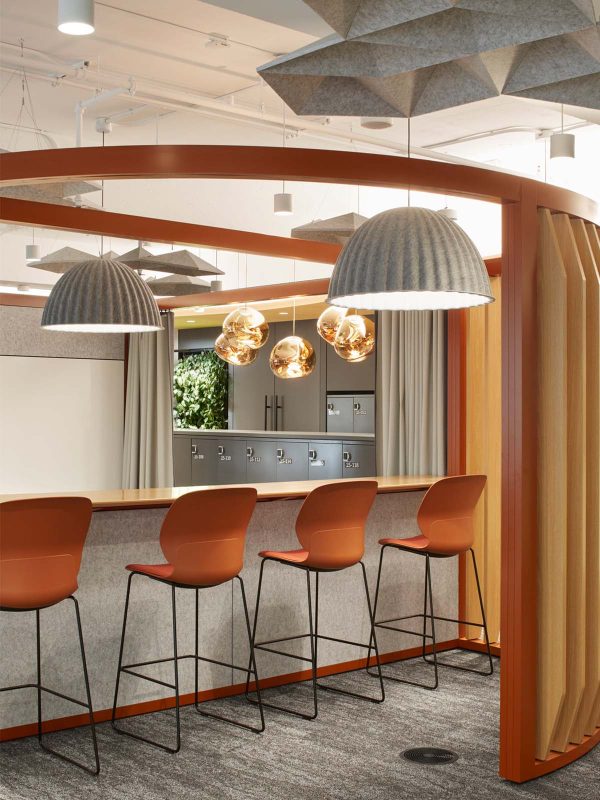
The project began with deep engagement across PwC Canada’s locations. Data analysis, user interviews, observation studies and co-creation workshops revealed the gaps between how people worked and how they wanted to work. The message was clear. People wanted choice and control. They needed environments that supported focus without retreat, collaboration without noise and technologies that didn’t slow them down.
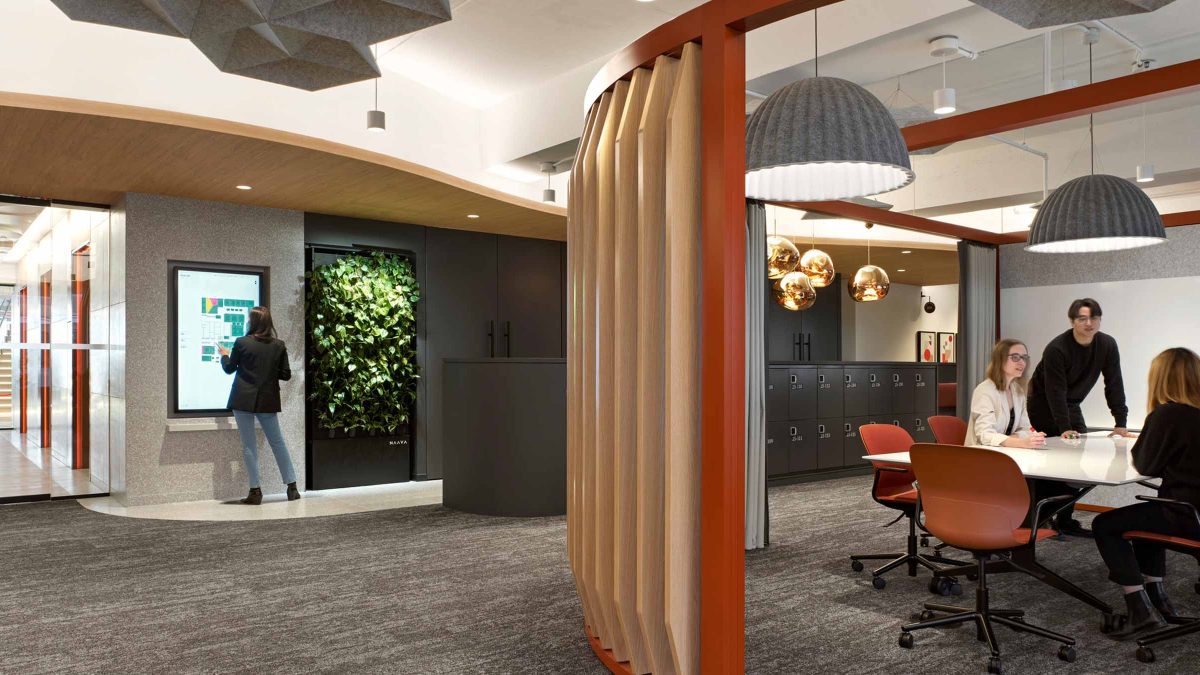
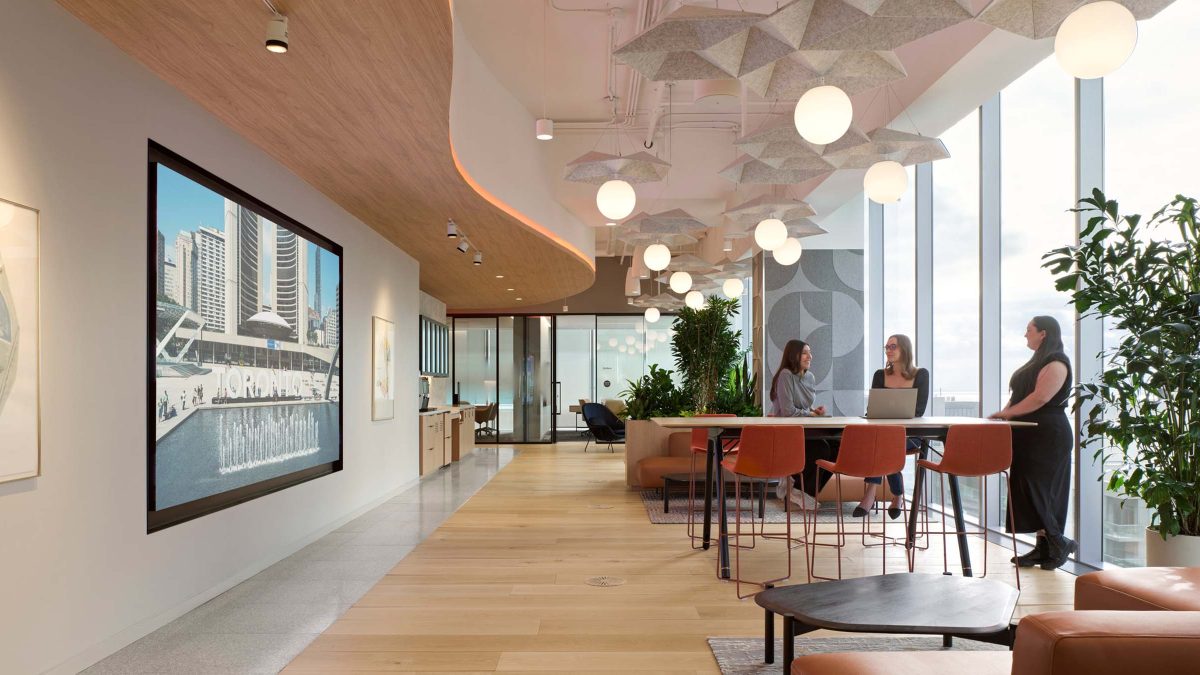
Accessibility was also non-negotiable. PwC Canada was committed to a workplace that would stand as an example of universal design and inclusivity. This meant building beyond compliance and designing for individuals with diverse sensory, physical and cognitive needs.
The brand was also another critical factor in the new workplace design. PwC Canada’s global brand team sought a shift from signage and logo placements to a more experiential expression of the brand. Toronto became the canvas for this evolution of the company’s ‘brand essence,’ resulting in an emotional, atmospheric experience, something felt rather than seen.
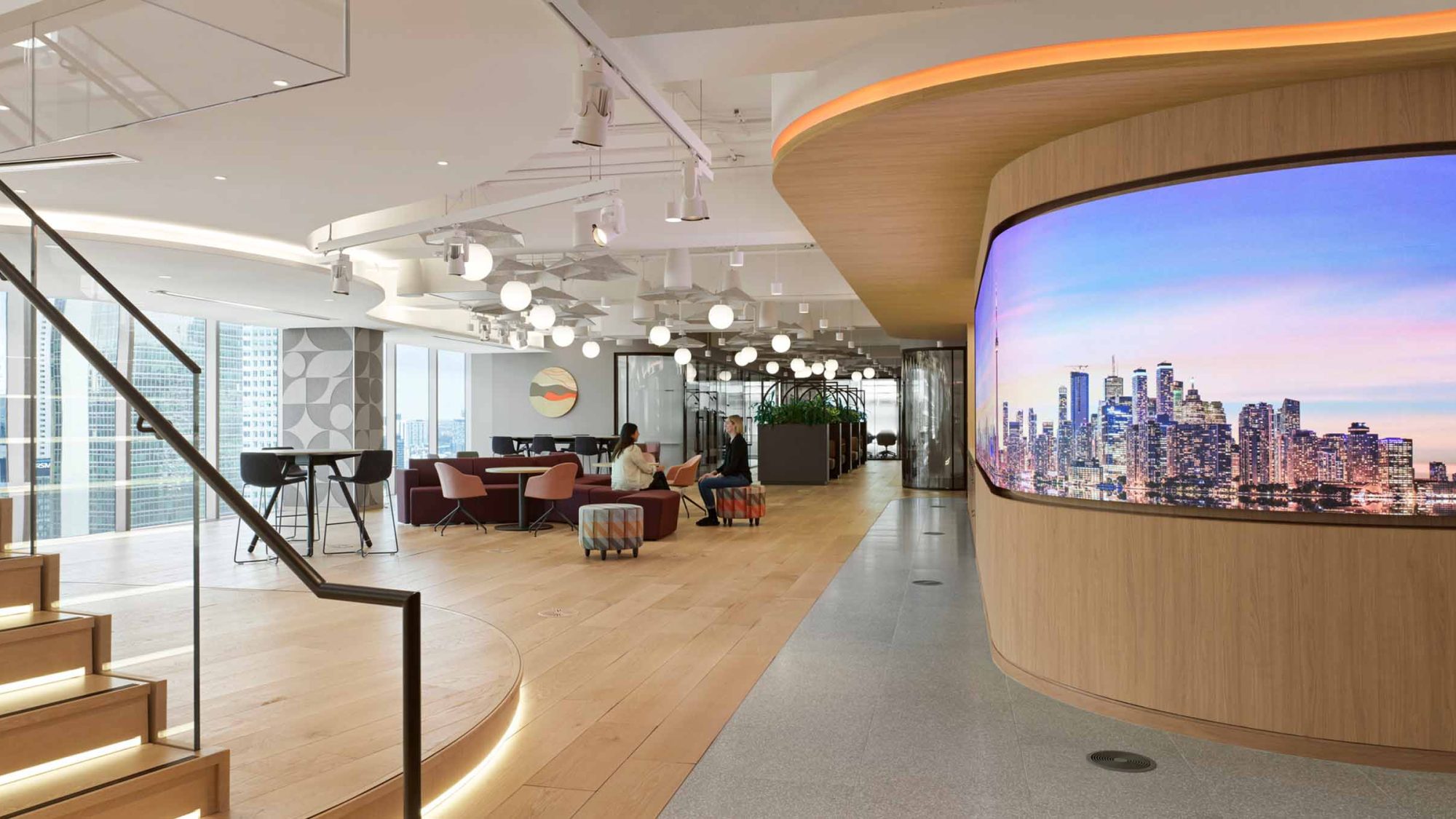
Our team developed a flexible ‘kit of parts’ to support varied workstyles and modularity. This system was tested in multiple Canadian cities before being refined for Toronto and eventually formalised in a national workplace playbook. The playbook ensures cohesion across the portfolio while allowing each location to interpret the brand in a way that feels local and relevant.
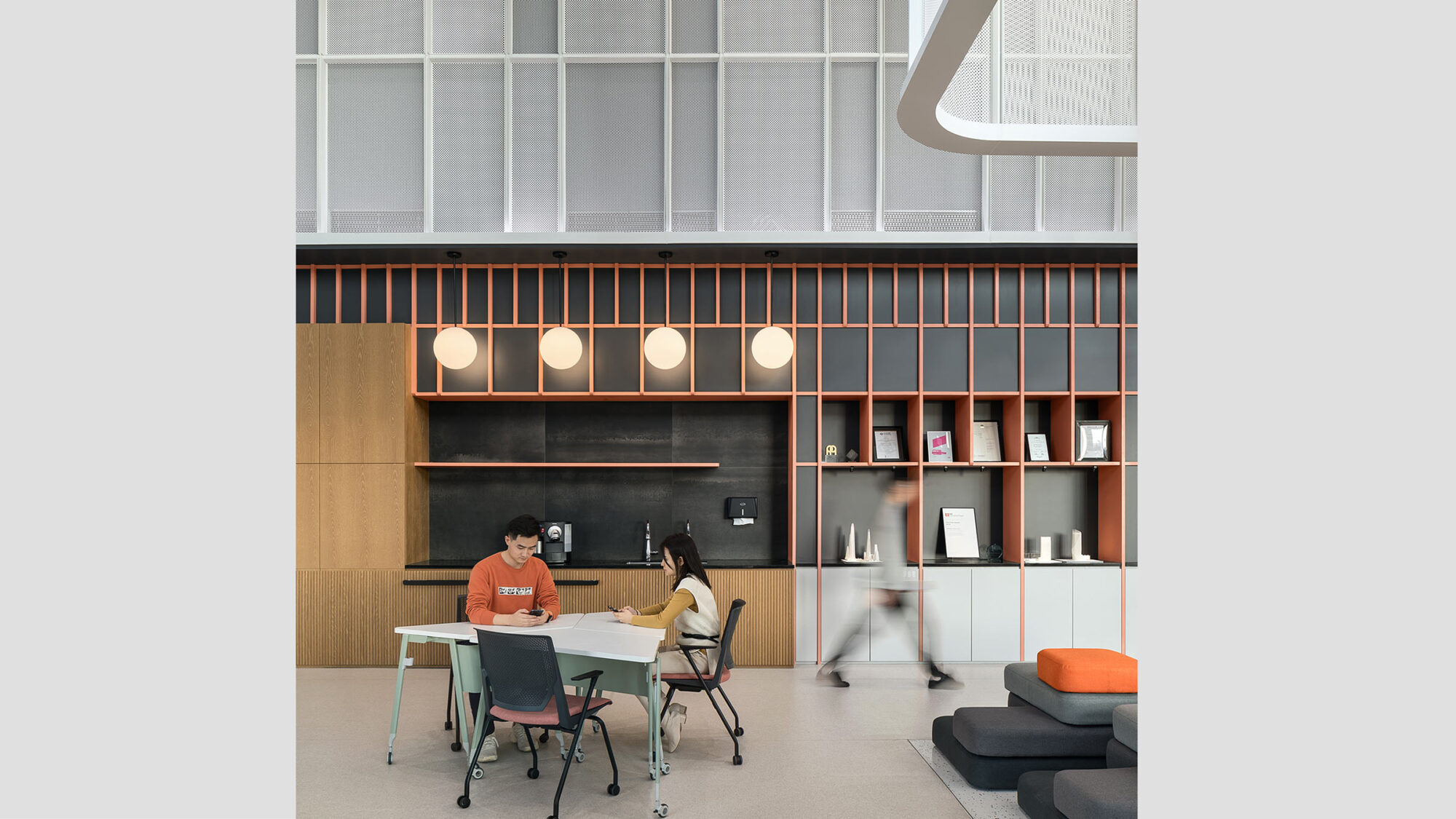
Toronto’s layout eliminates private offices and embraces non-assigned seating to encourage spontaneous collaboration. Check-in kiosks, day lockers and tech-enabled touchdown zones support the experience. Neighbourhoods balance focus, social connection and hybrid collaboration through intuitive planning and consistent ergonomic standards.
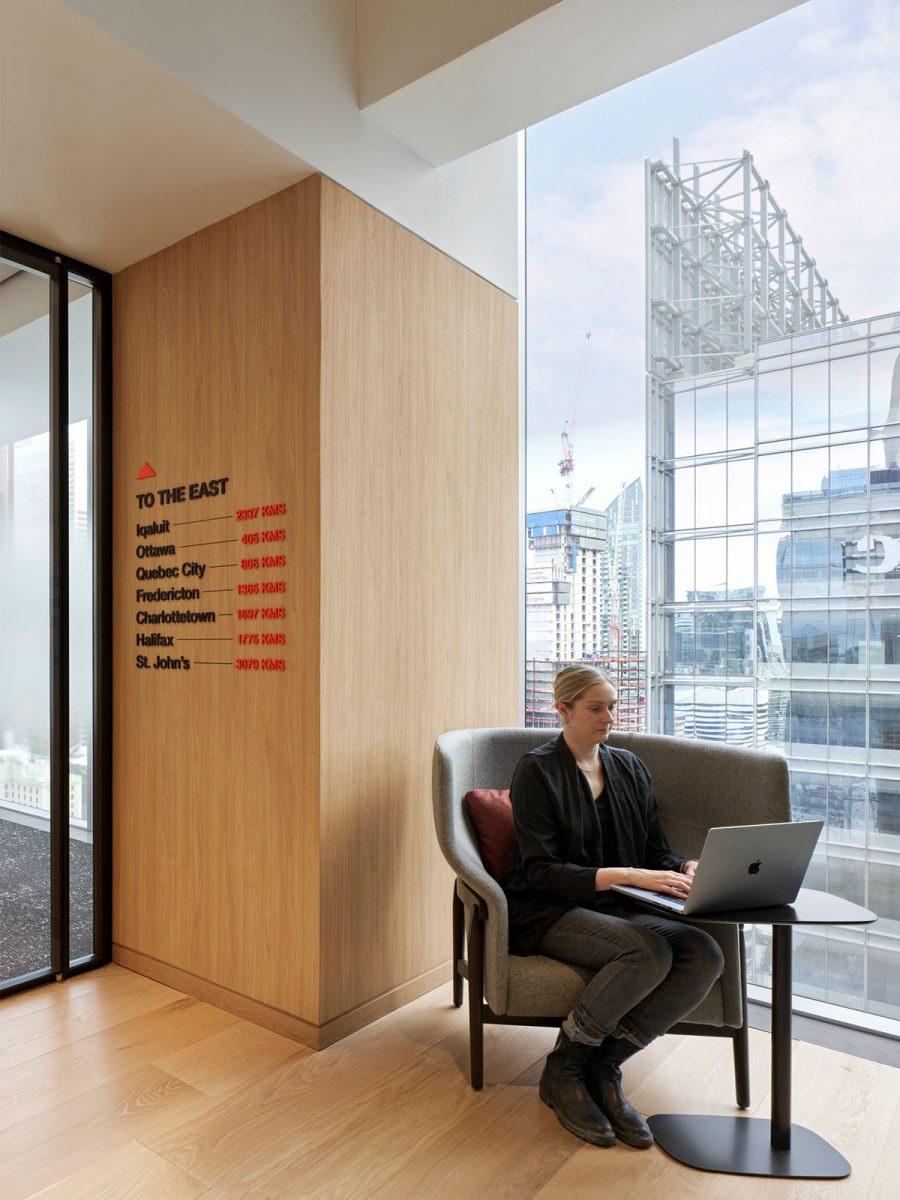

We designed every inch of the workplace with user experience in mind. In-person and hybrid collaboration is effortless thanks to camera-aligned sightlines, intuitive furniture layouts and fully integrated AV systems. Power lives inside the architecture and furniture, supporting mobility across all zones.
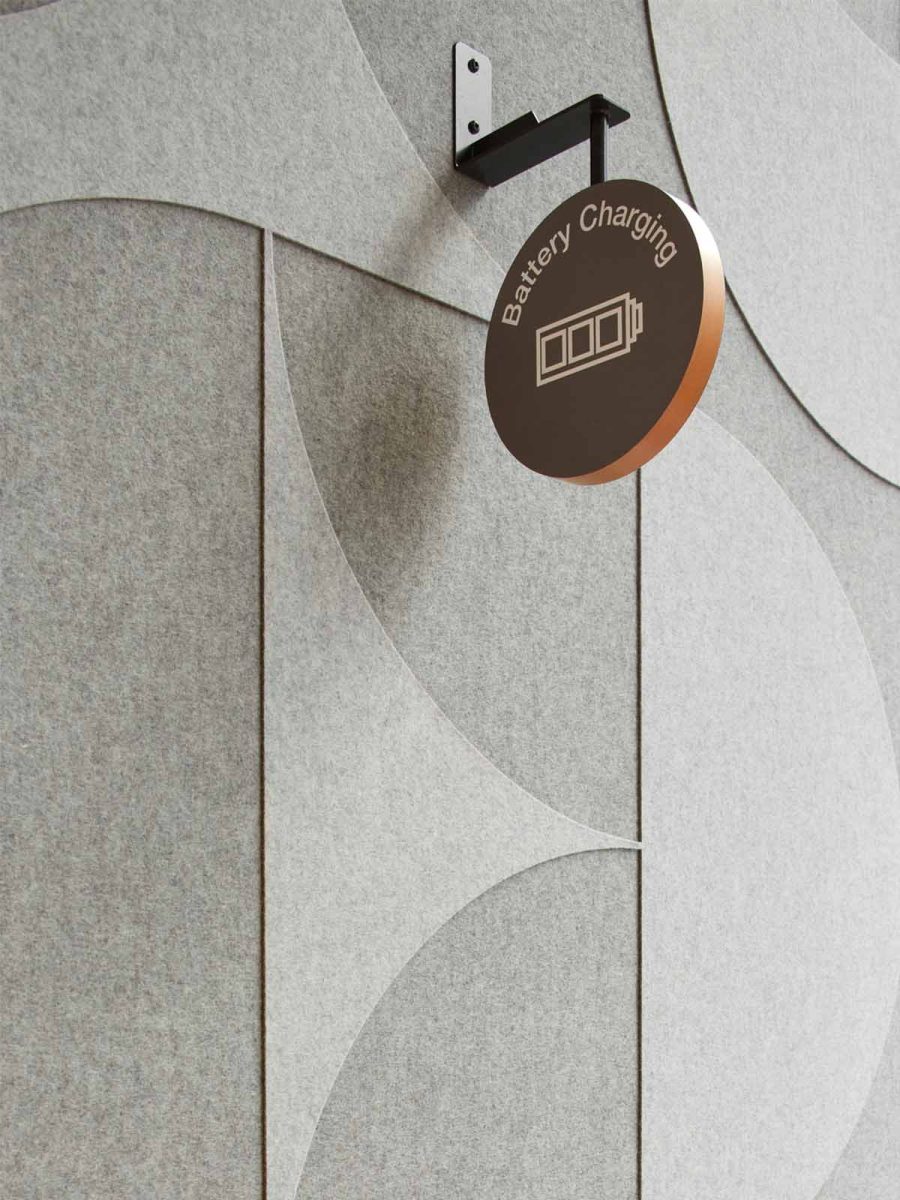
Acoustic performance is a signature feature of the design. High-performing materials wrap ceilings, furniture, columns and walls, some embedding PwC’s geometric brand language into acoustic fabric. The result is a workplace so acoustically controlled that you can ‘hear a pin drop’ even at full occupancy.
Inclusivity permeates the environment. Working with the Rick Hansen Foundation, we co-developed a custom visual-contrast film and prototyped it at full scale in three variations. Barrier-free washrooms, accessible signage, equitable technology access and thoughtful wayfinding elevate the experience for people with disabilities. These solutions set a new internal standard across PwC’s Canadian portfolio.
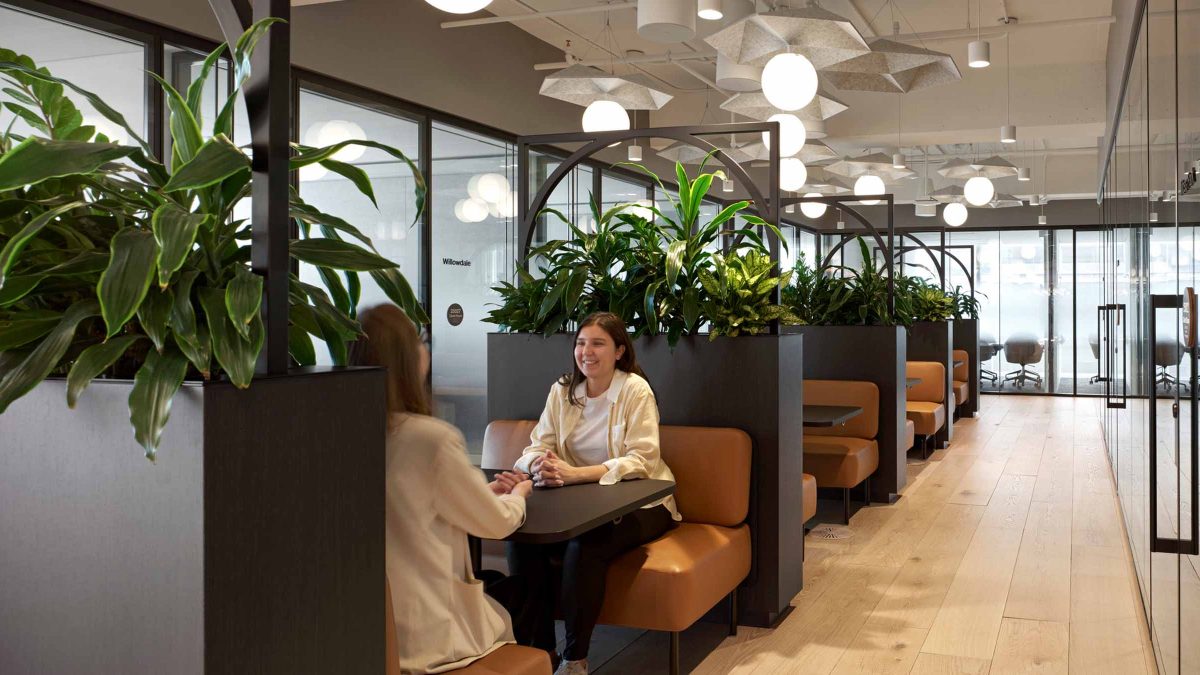
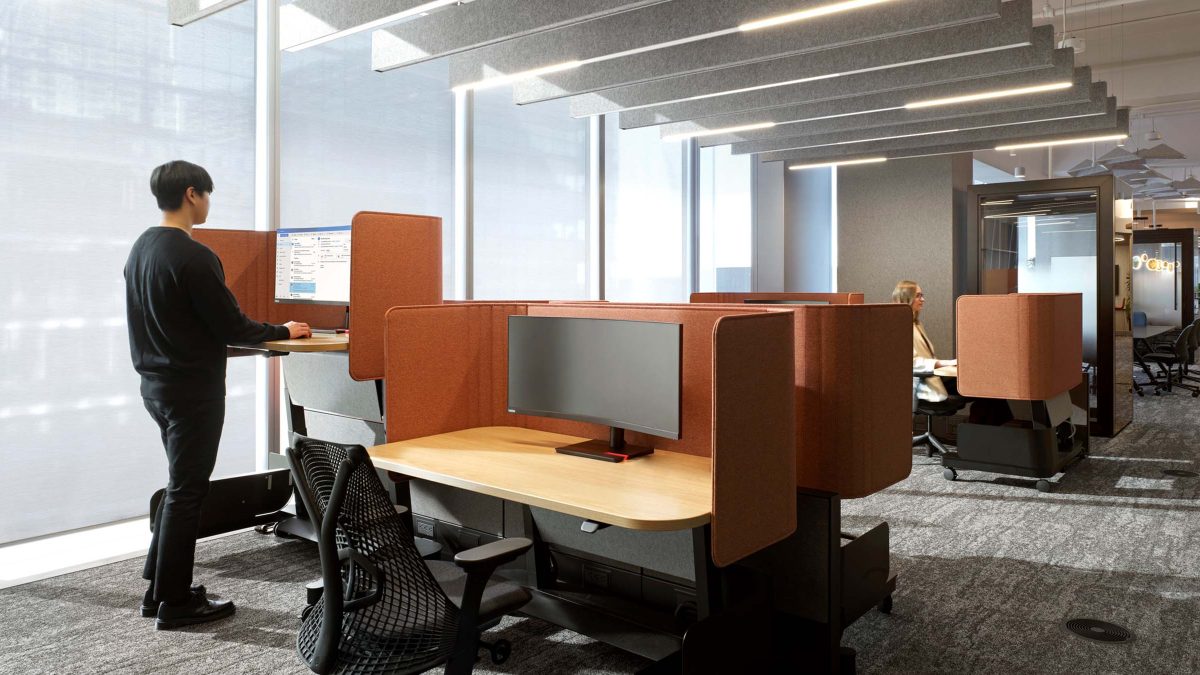
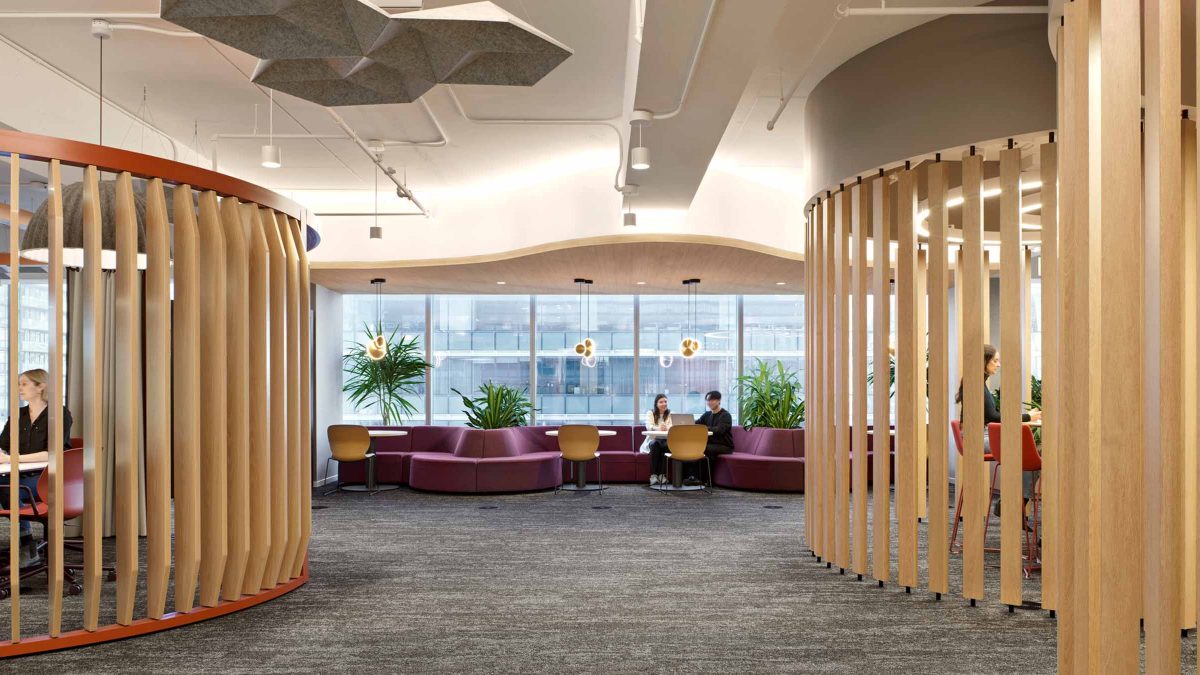
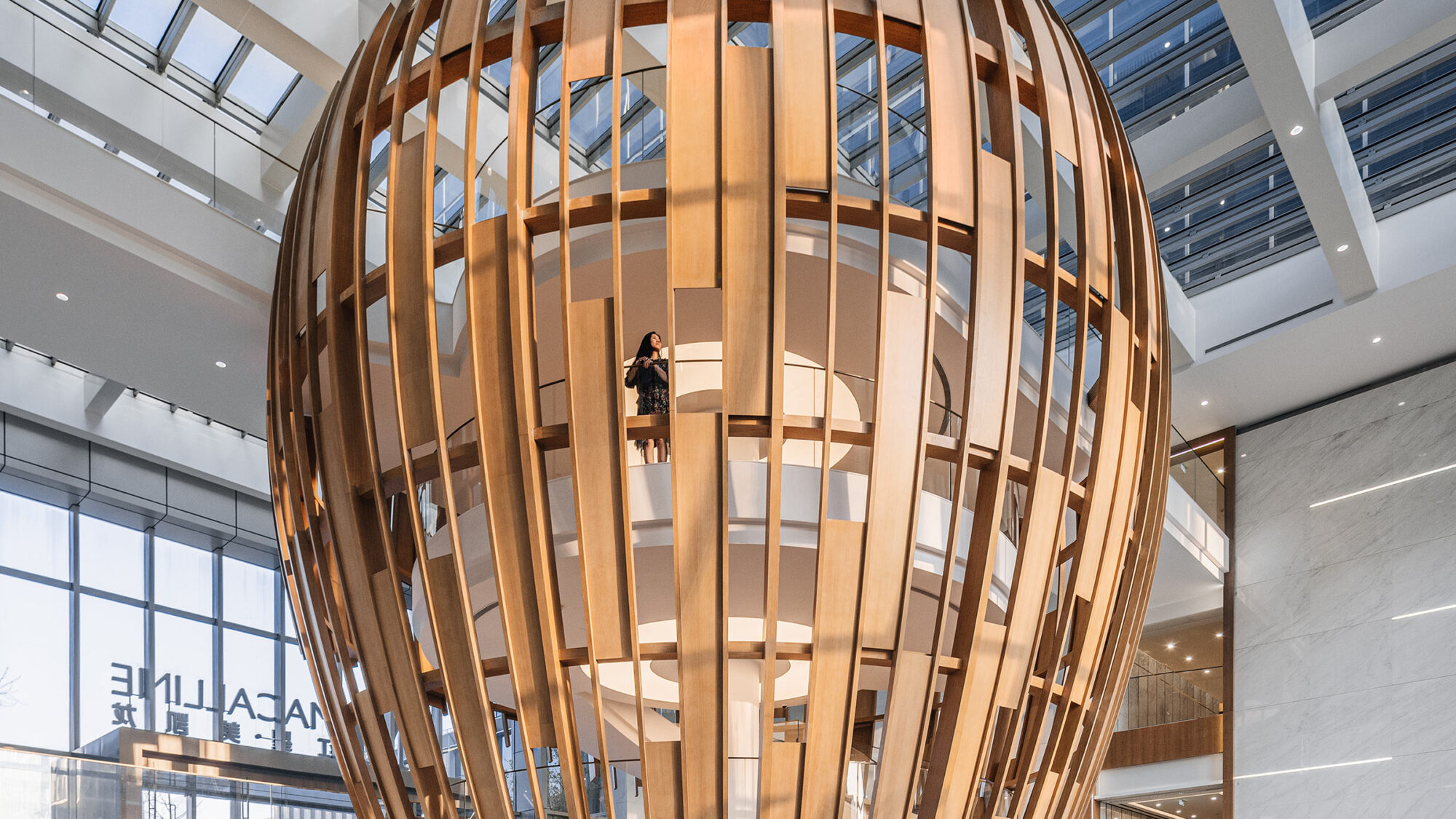
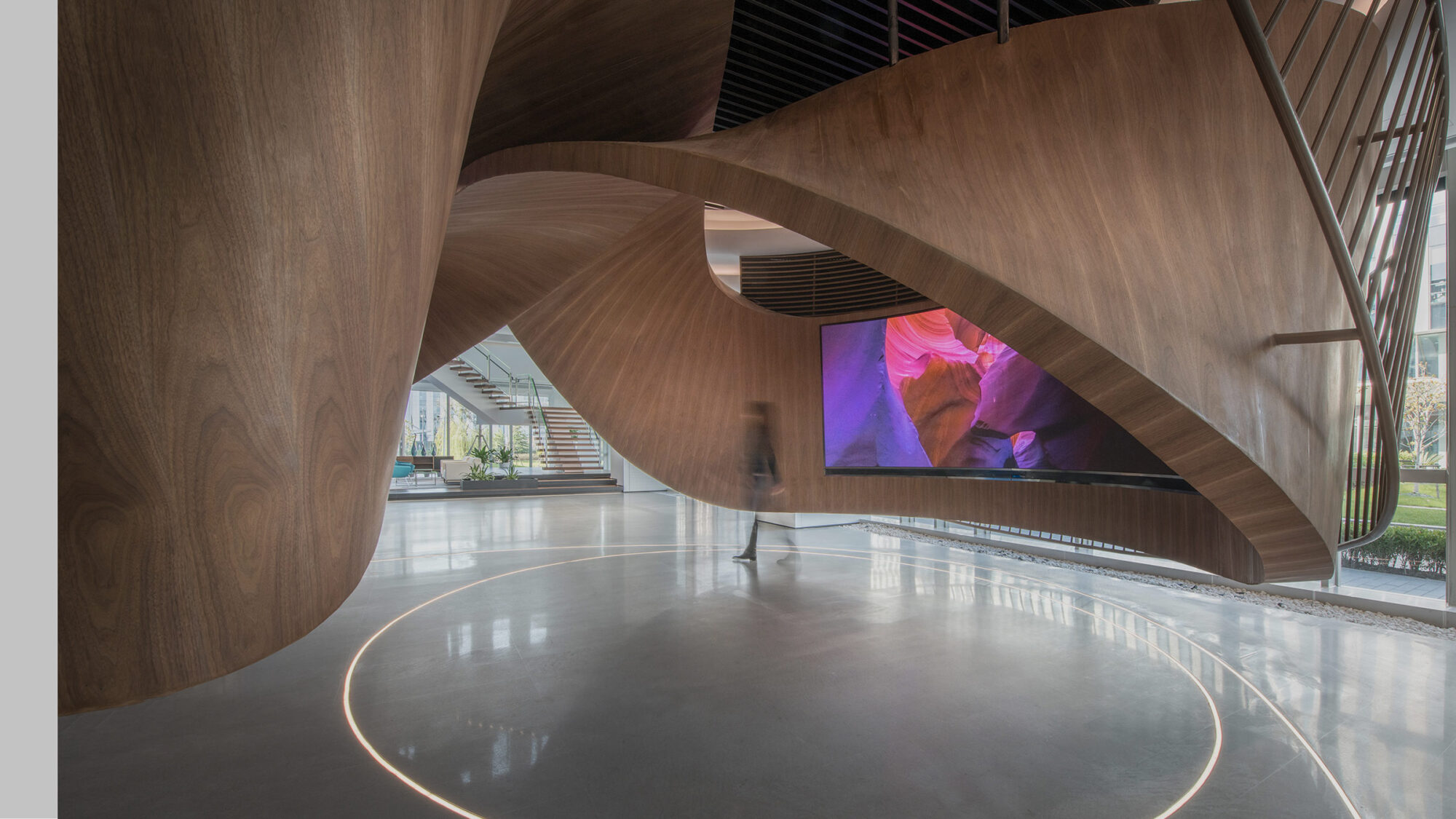
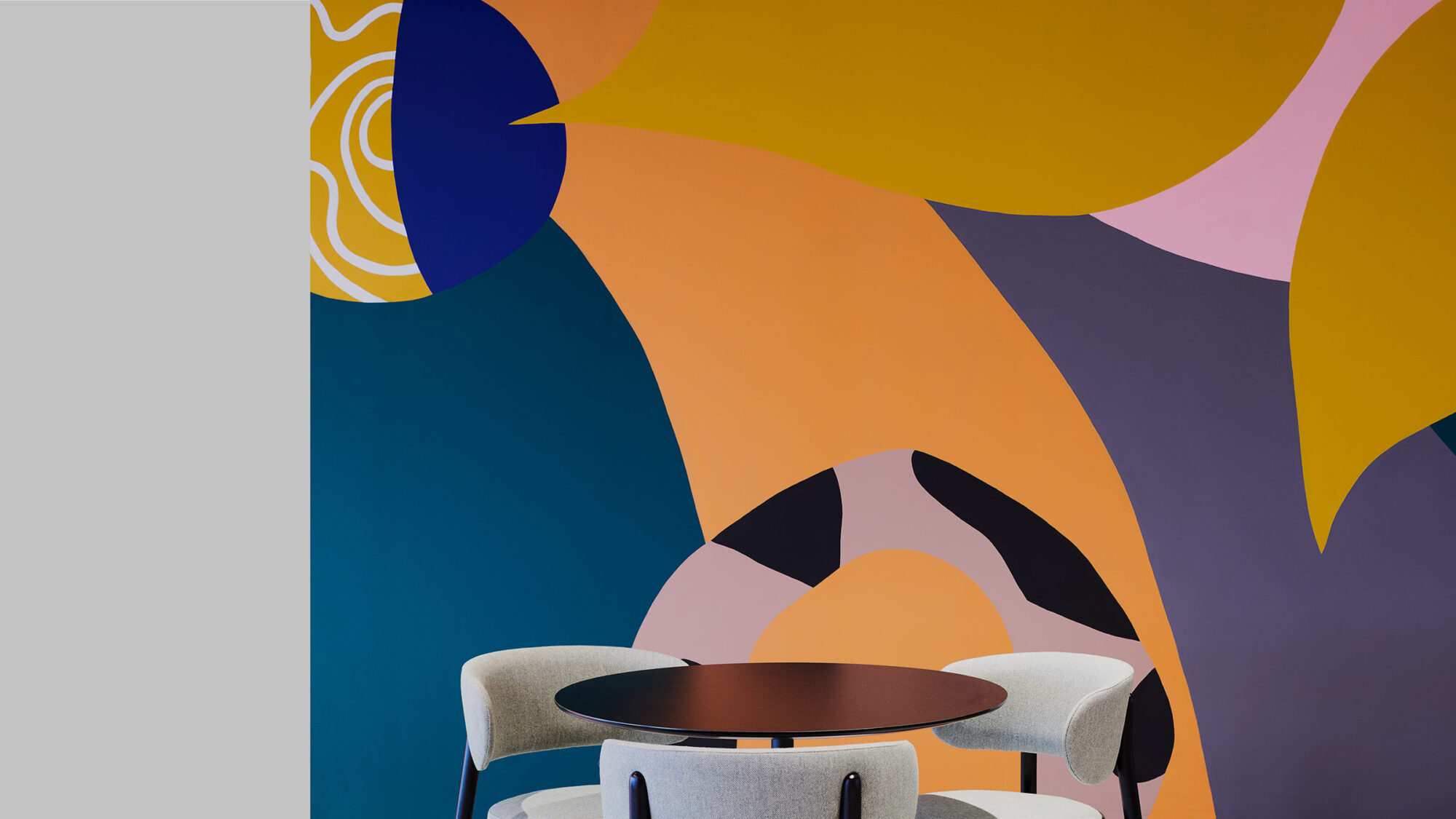
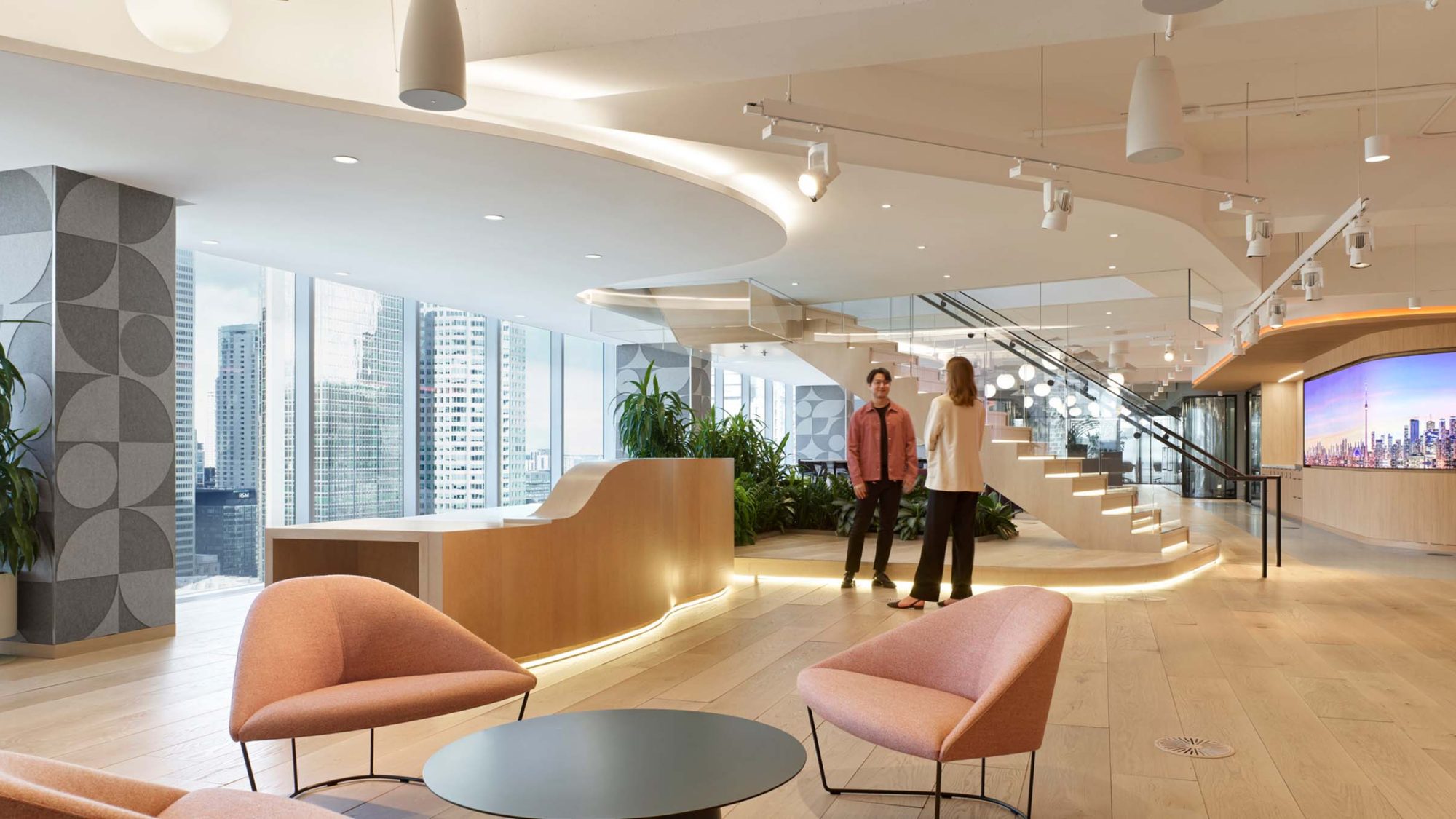
The Toronto location introduced the “Golden Thread,” an experiential branding concept that ties the Canadian portfolio together. Instead of logos, the identity emerges through layered lighting, FSC-certified woods, regional colour palettes, biophilic cues and textural storytelling.
In Toronto, this thread reflects the city’s warmth and cultural depth while still feeling unmistakably PwC.
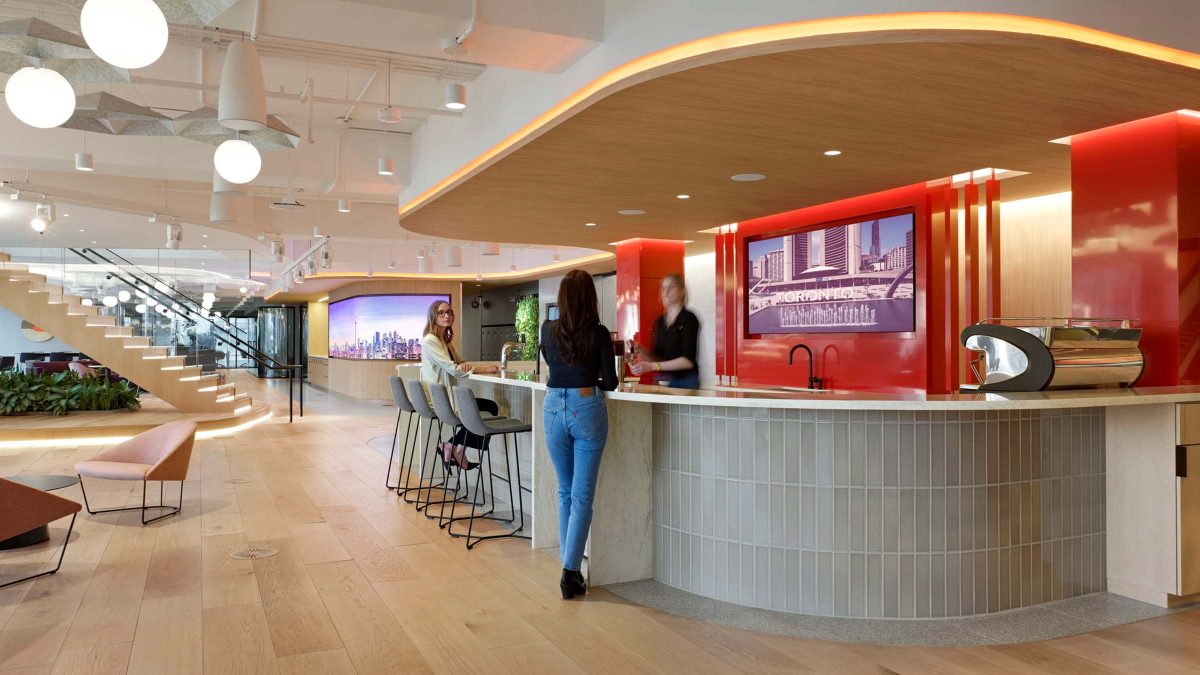
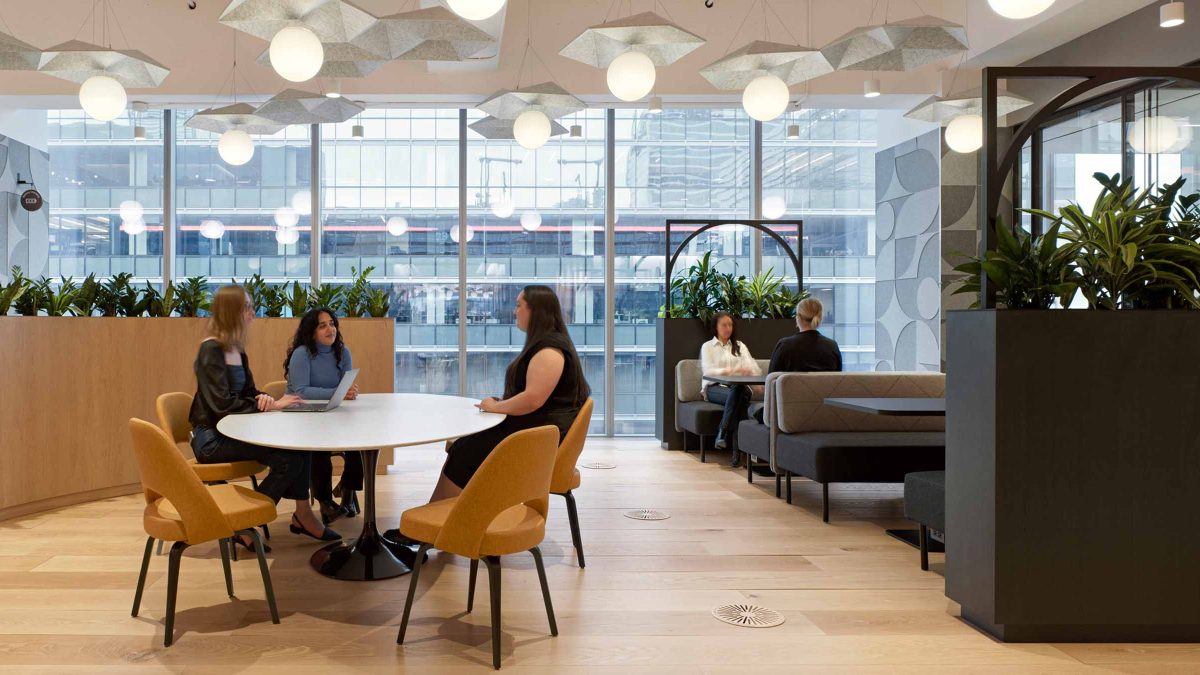
The Golden Thread gave us a way to tell a national story without losing what makes each city unique. In Toronto, that meant creating a space that feels unmistakably PwC but also deeply connected to the people who use it every day. It’s not branding on a wall, it’s an experience woven through light, materiality and movement. That level of intention is what makes the design meaningful.
Jaymie Cooper, Associate Director - Design, M Moser AssociatesThe new office is a hub for client engagement and team culture. A barista bar, flexible lounges, a fully AV-integrated event space and an internal stair with a built-in presentation platform support everything from casual meetups to firmwide town halls. These hospitality-forward settings transform the workplace into a space people want to use, not just one they need to visit.
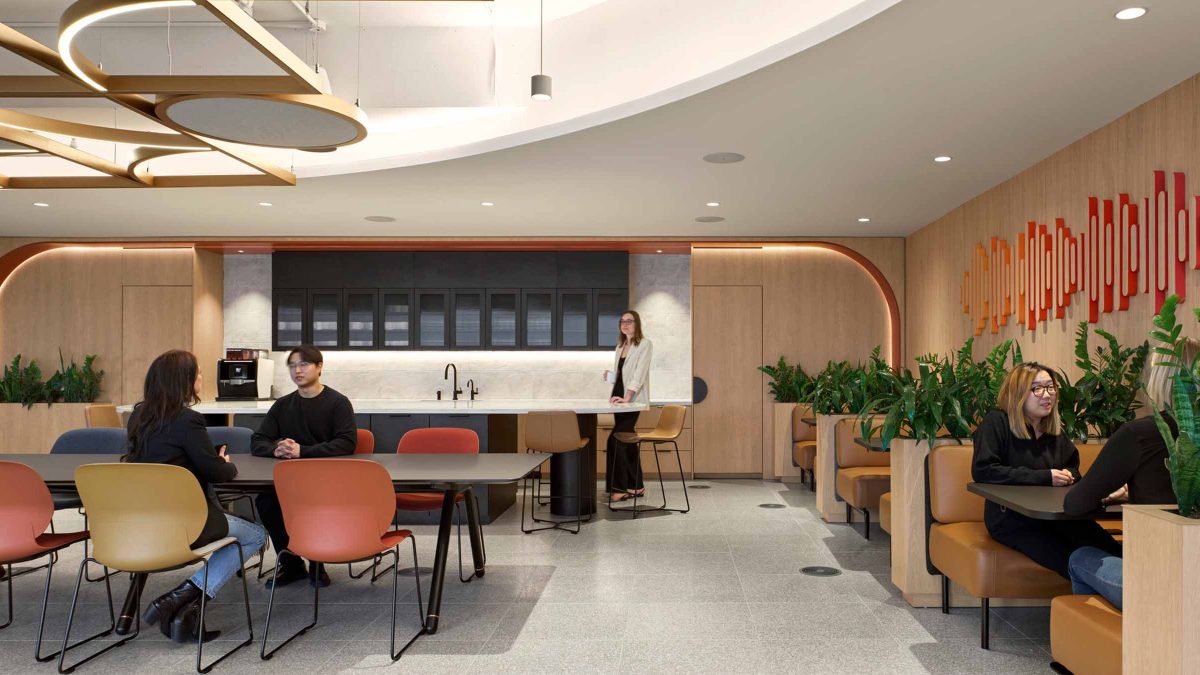
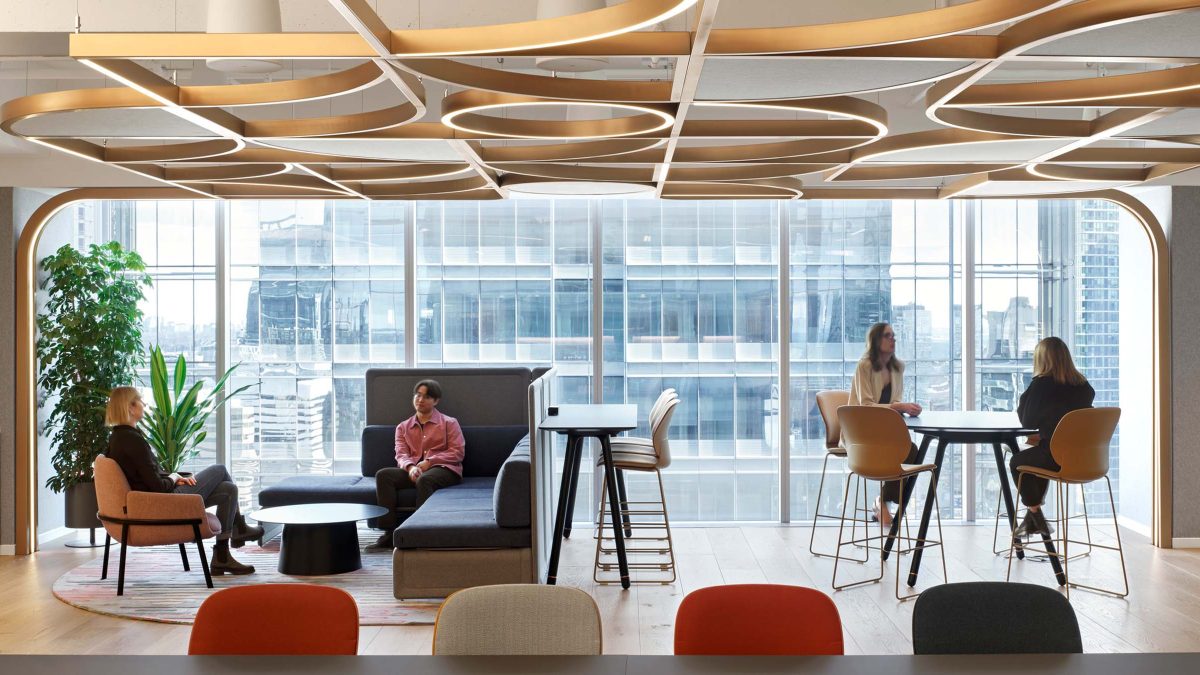
The design was prioritised for adaptability, longevity and sustainability. The team reused carpet tiles, lighting fixtures and equipment, repurposing materials for new use. Existing modular partitions were reintegrated and refreshed with new brand-aligned finishes. The infrastructure is built to flex with changing needs, protecting PwC Canada’s long-term investment.
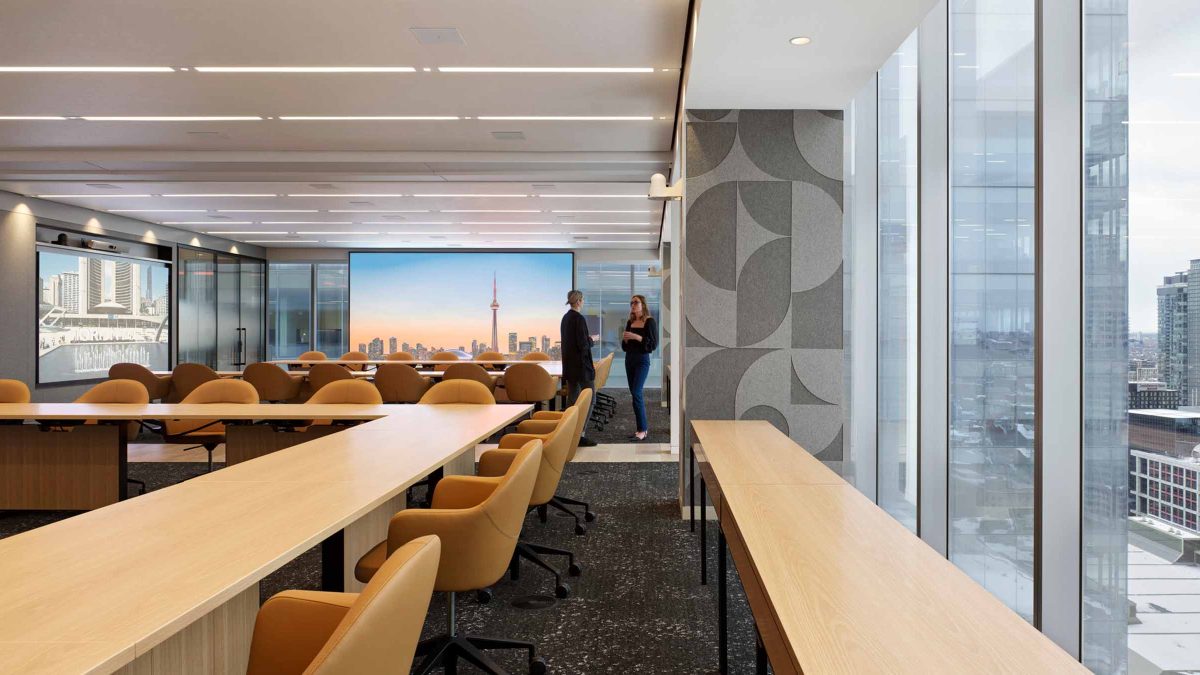
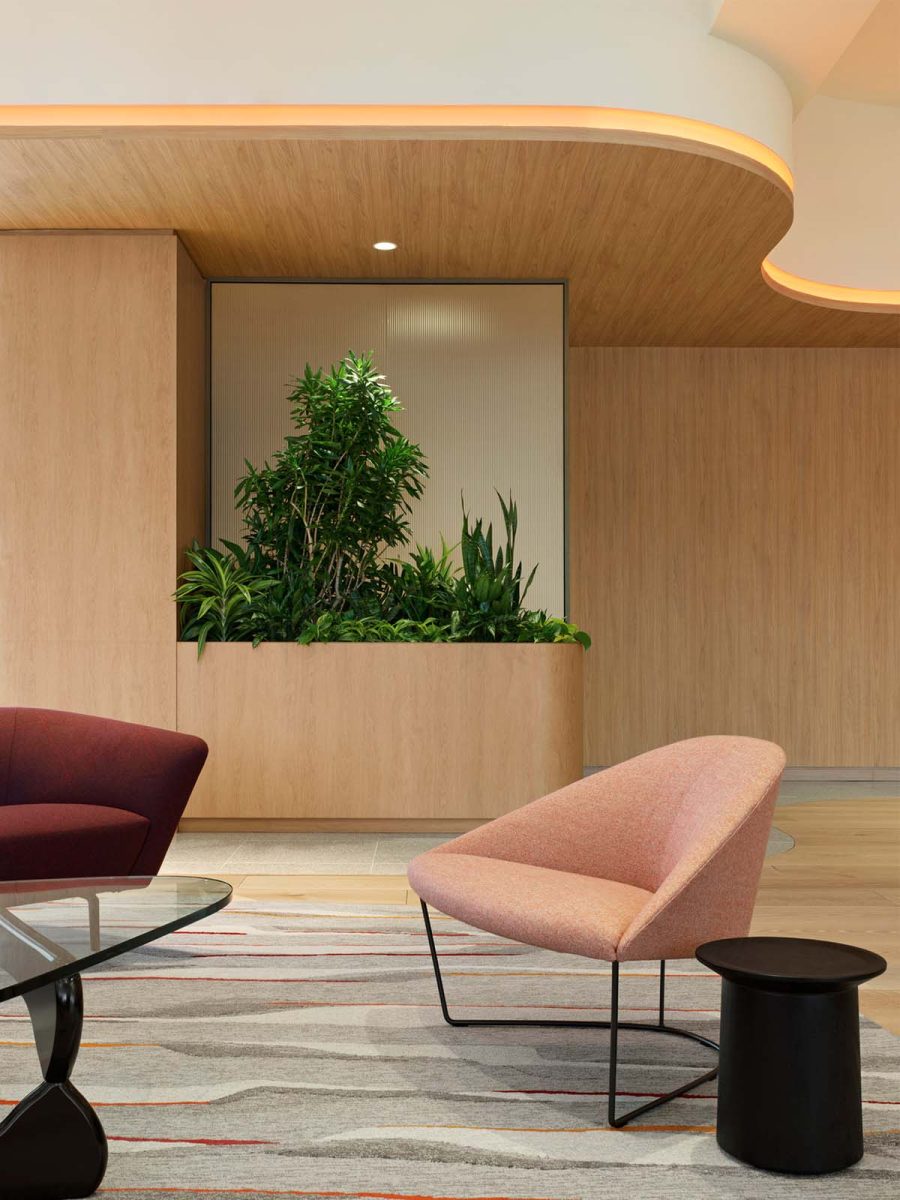
Today, PwC Canada’s Toronto location is a flagship space that reflects the firm’s values: human-centred design, innovation, flexibility and inclusive culture.
Utilisation is up. Employee presence is more consistent. Client areas buzz with activity. The workplace is activated as a strategic asset, a place where people connect, feel supported and see themselves reflected in the space.
As PwC continues transforming locations across Canada, Toronto stands as the blueprint, a living demonstration of what future-ready work can be.
20262025 IIDA Global Excellence Awards - Corporate Space
2025Association of Registered Interior Designers of Ontario (ARIDO) Awards - WORK category
Completed
2025
Toronto, Ontario
25,223 sq m / 271,500 sq ft
Ben Rahn & A-Frame Photography