

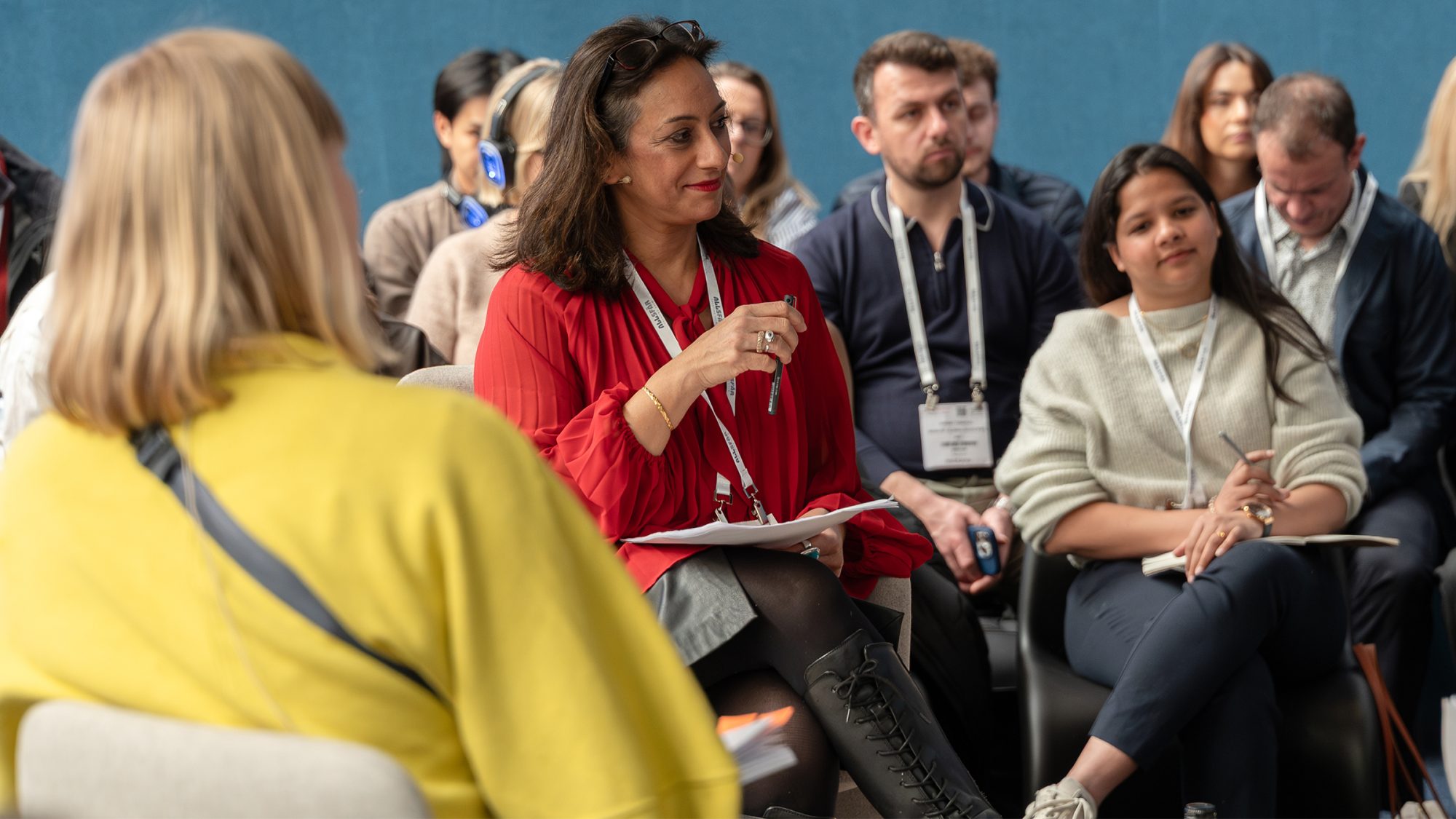
At Workspace Design Show London, Director, Gurvinder Khurana, spoke on “The workplace social contract: Aligning space, culture and employee expectations” panel. As part of the discussion, she explored how the spaces we work in support culture, but also help shape it, influencing how people behave, connect and contribute from day one.
The workplace social contract is the unspoken agreement between organisations and employees about how work happens, what’s expected and what people receive in return. The spaces people experience every day play an important role in shaping that.
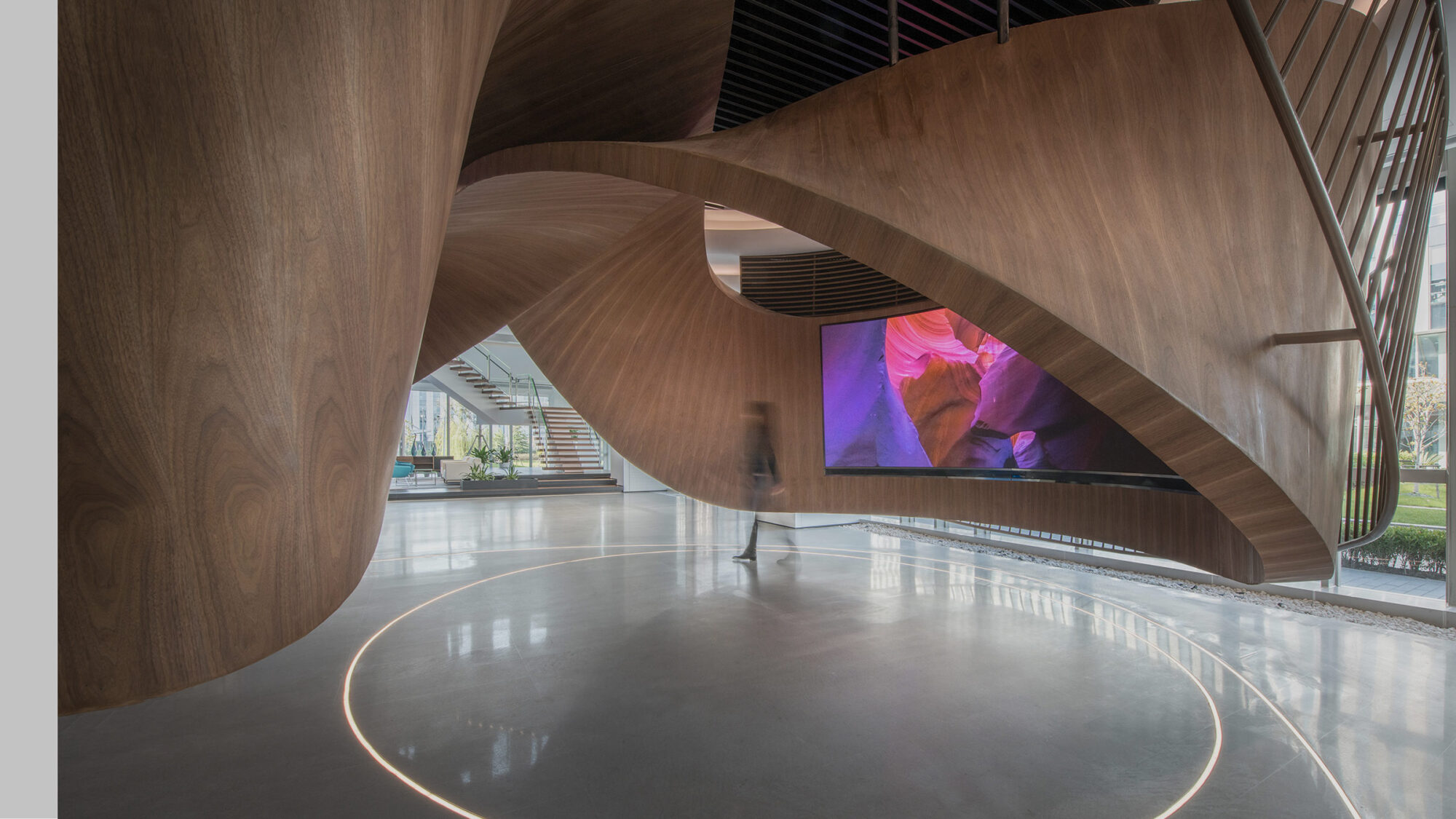
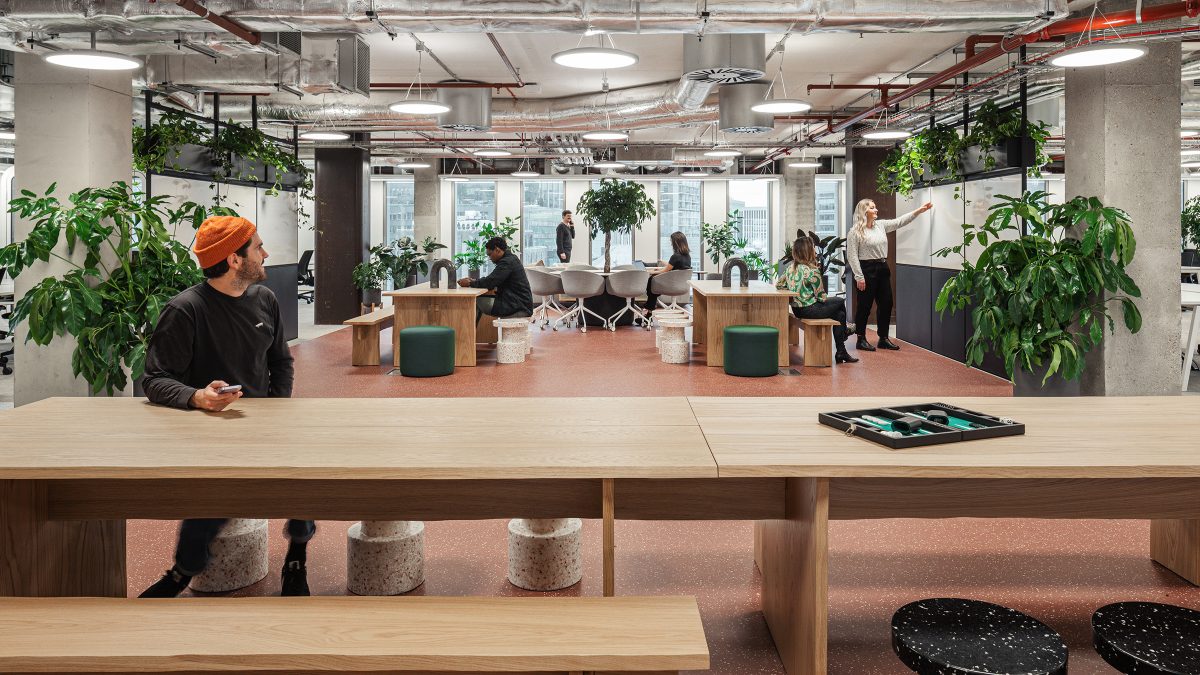 Knotel Hylo, London
 When someone joins an organisation, the office is often the first thing that tells them what they’ve signed up for, not the job spec or the onboarding deck. As Gurvinder puts it:
When people join a business, they’re stepping into an office culture first and a job second, trying to understand if the environment will amplify their strengths and whether they can see themselves adding value from within.
Gurvinder Khurana, Director, M Moser Associates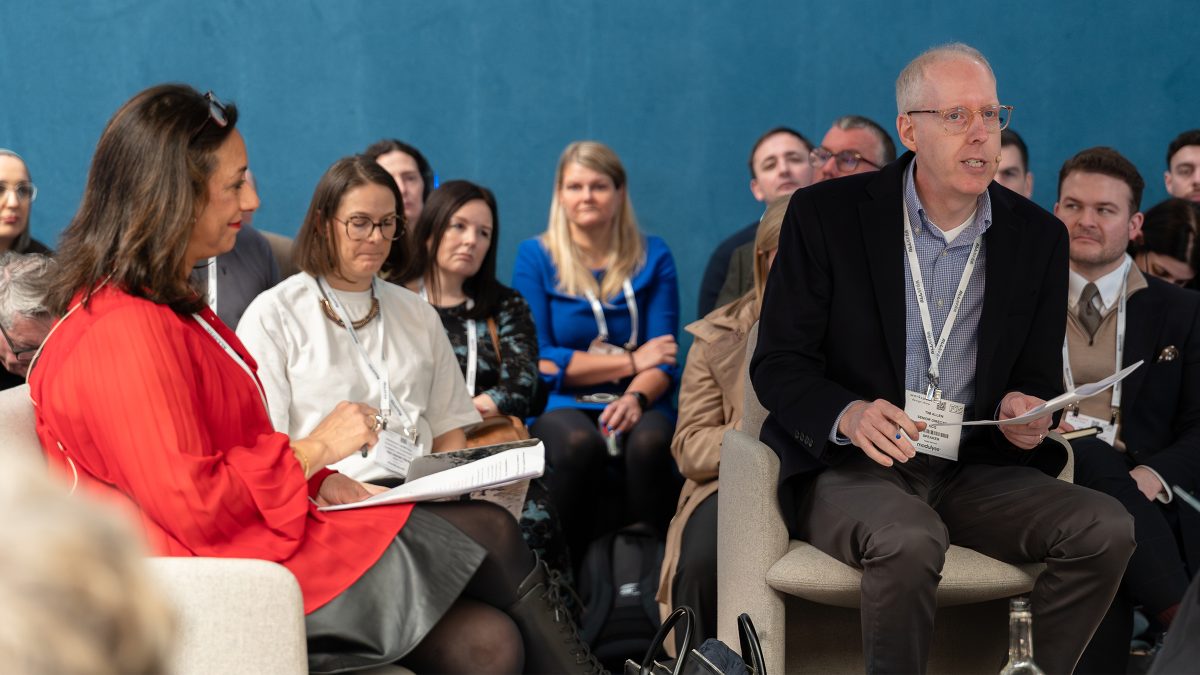
The design of a workplace signals which behaviours are valued, whether that’s deep focus, spontaneous collaboration, or both. Organisations that make this visible through their spaces, rather than just their employer branding, are more likely to attract and retain people who genuinely fit.
When M Moser relocated its London office in January 2025, the team used it as an opportunity to test this thinking first-hand. Acting as our own clients, we consulted our people to understand what they actually needed day to day.
The result was a refined mix of settings and natural movement. Places that support focused work without isolation and collaboration without overstimulation. The impact was measurable: occupancy increased by 20% and 82% of our people reported feeling more productive in the new space. One of the clearest lessons was that people didn’t need more space, they needed better choice in how to use it.
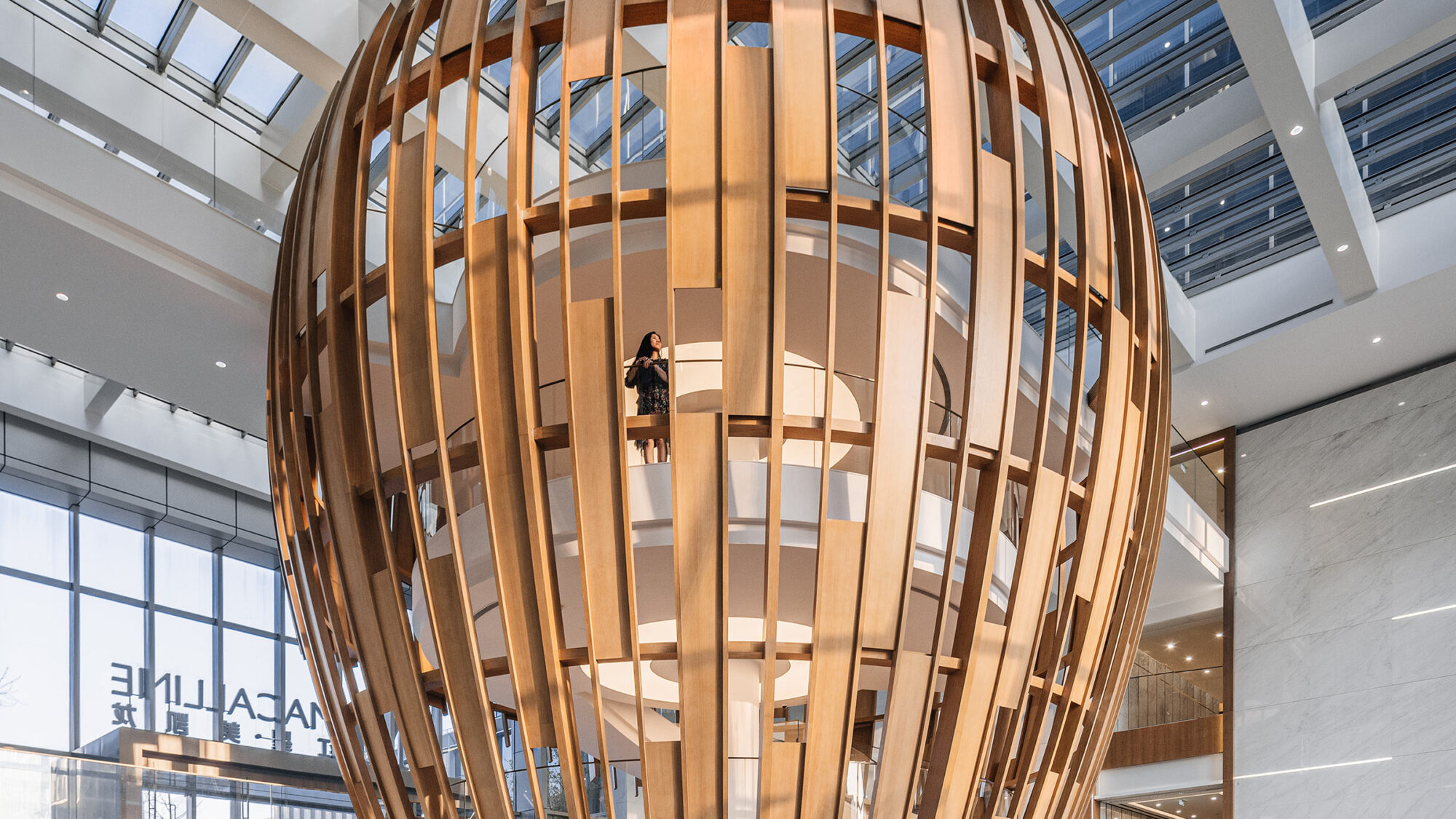
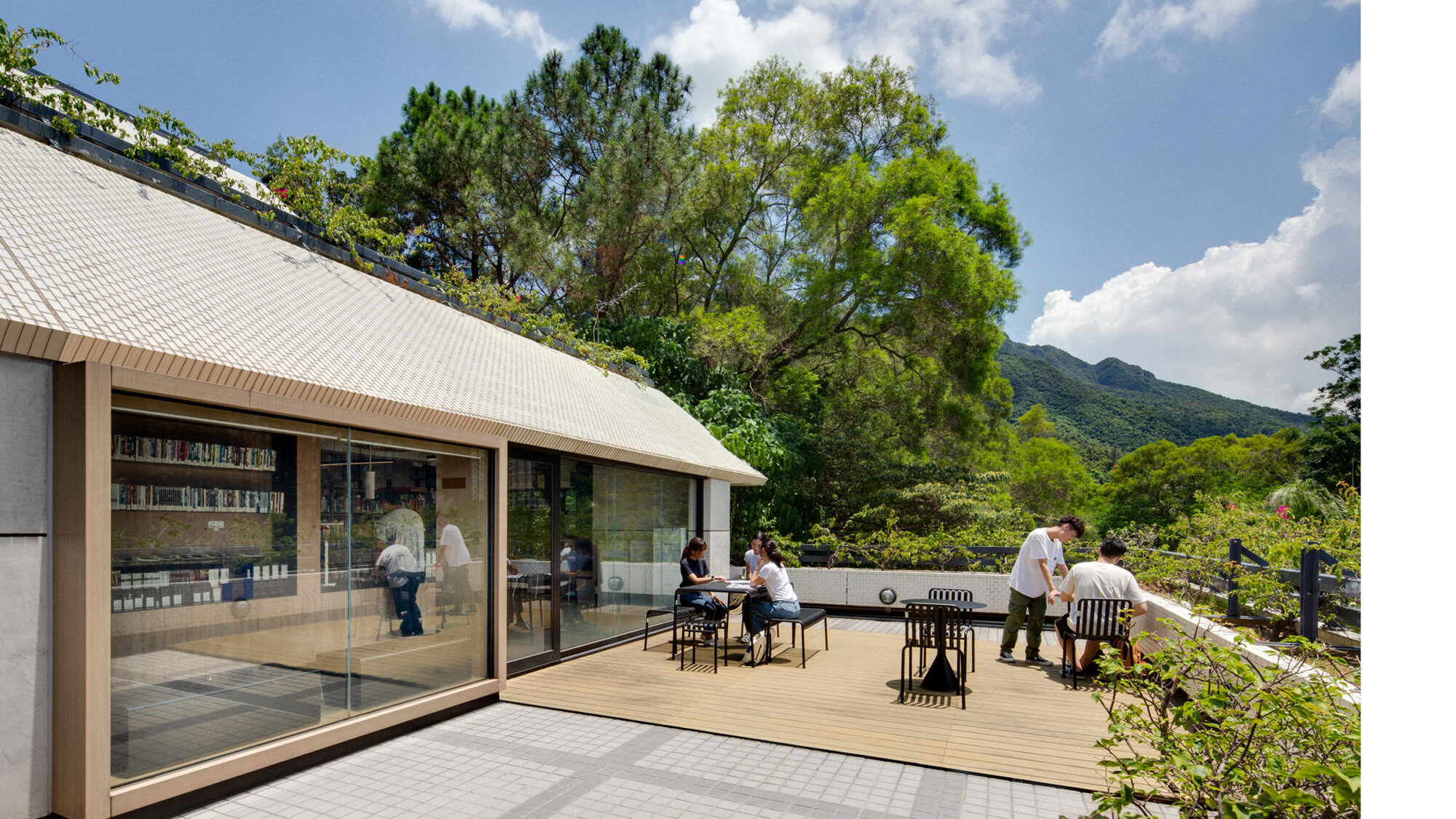
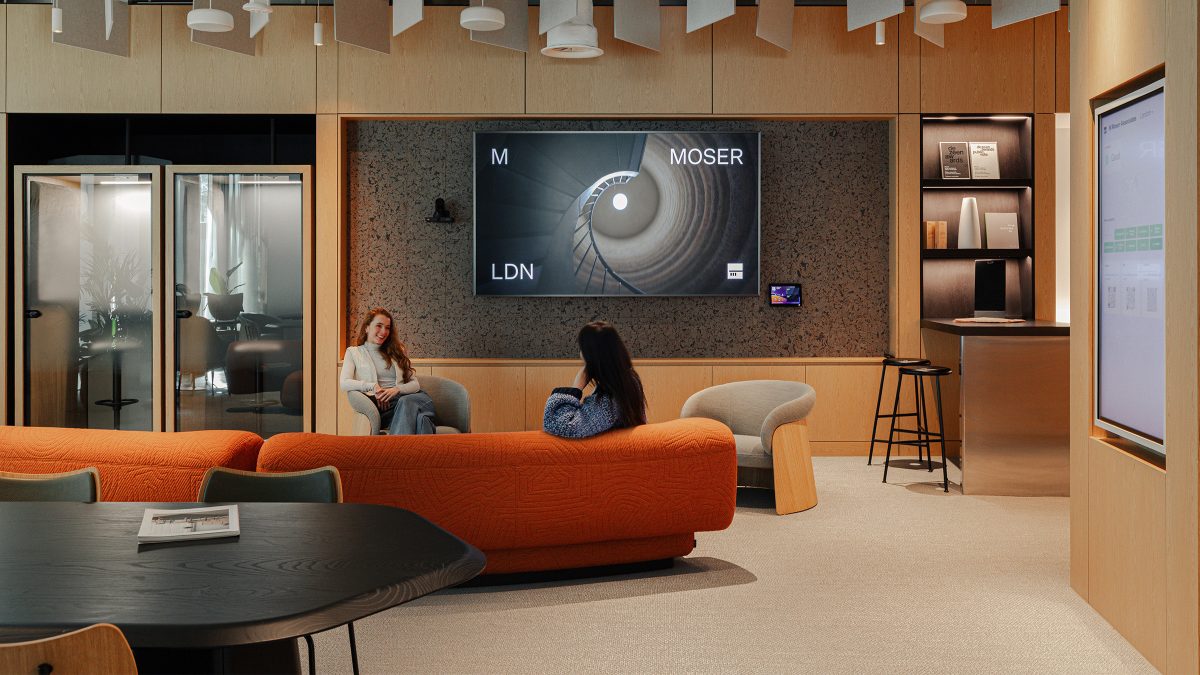 M Moser, London
 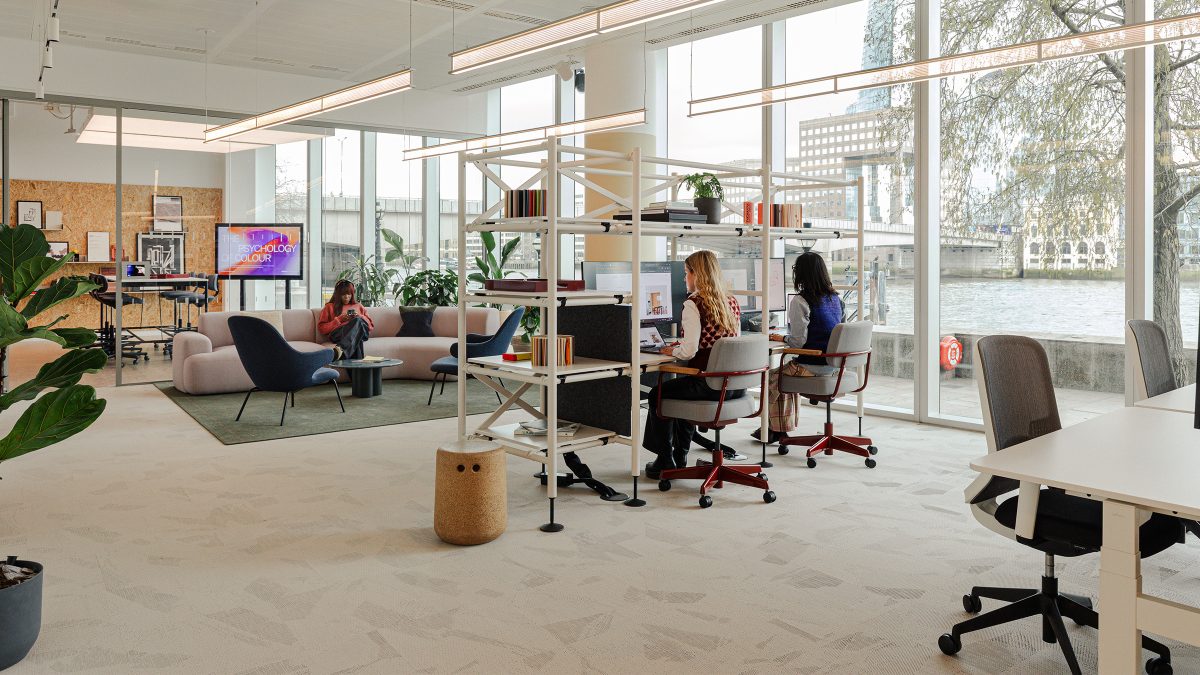 M Moser, London
 Design for the behaviours you want to encourage. If that means spontaneous connection, lounges, breakout areas and shared spaces can help people come together naturally. If it means focused work, quiet areas and private spaces give people room to concentrate. In many workplaces, it’s about supporting both and making it easy for people to move between them.
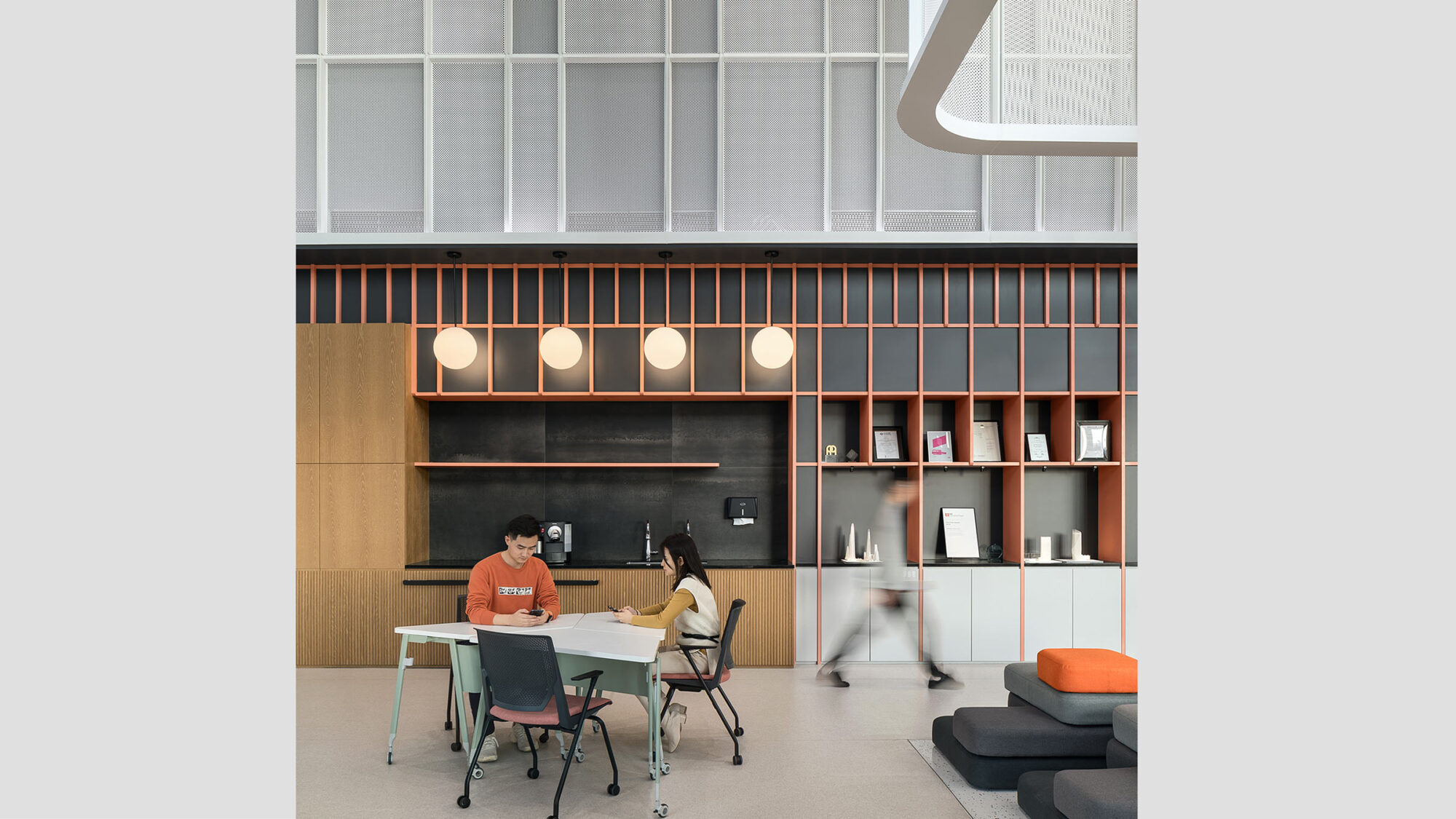
For Wipro’s London office, we designed a hospitality-led space that integrates a variety of settings, from relaxed lounge spaces to quieter, more considered areas. Café-style lounges and breakout spaces encourage conversation, while private rooms and focus booths support concentrated work. Together, they create a workplace that supports different needs without pushing people into one way of working.
Give people control over how they work. Flexible, adaptable spaces reinforce a culture of trust and ownership.
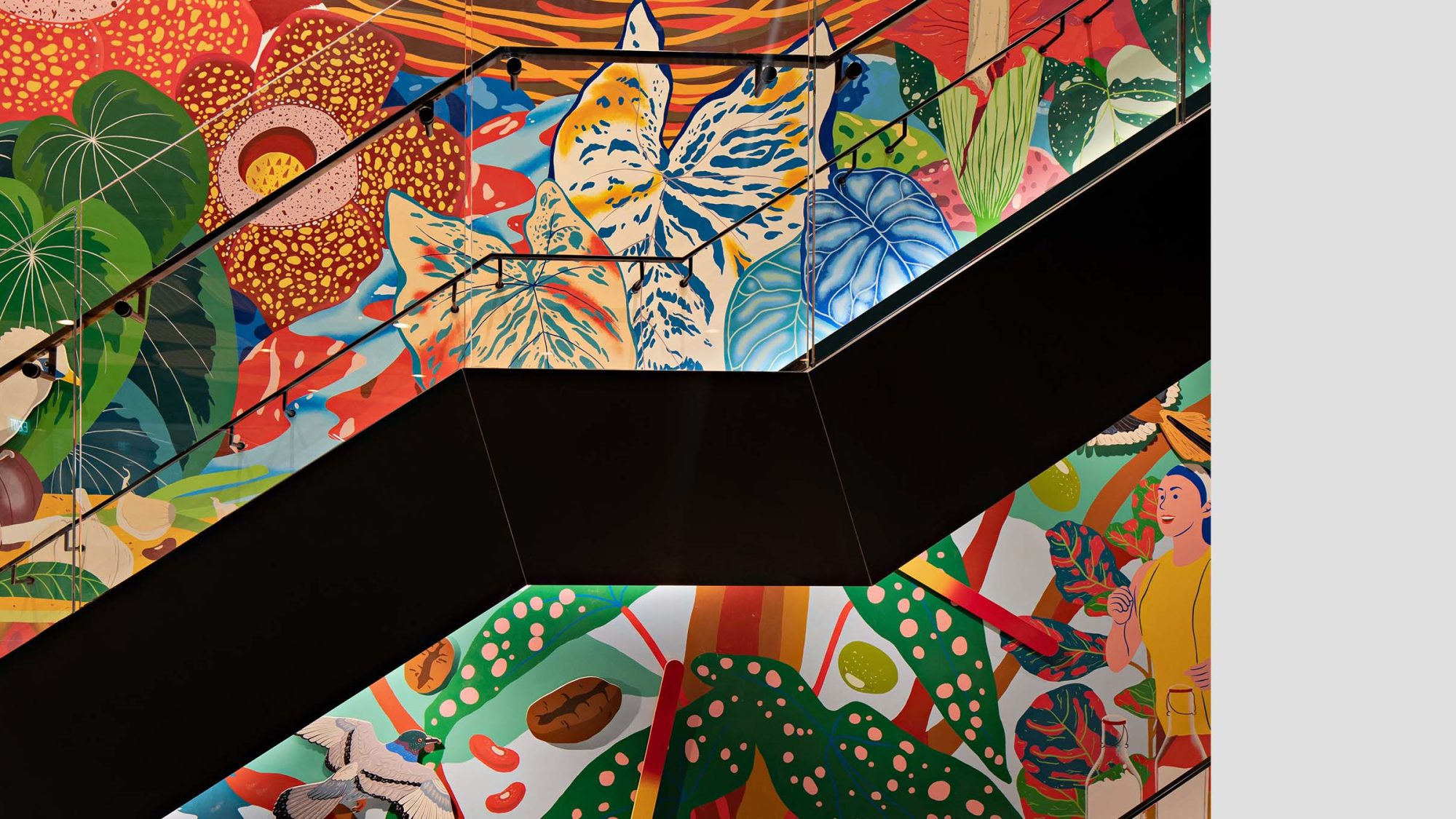
Working with Okta in Sydney, we incorporated technology-enabled tools including moveable smartboards, mobile video conferencing stands, booths with screens. This means people can choose where they work and adapt settings to suit the task at hand.
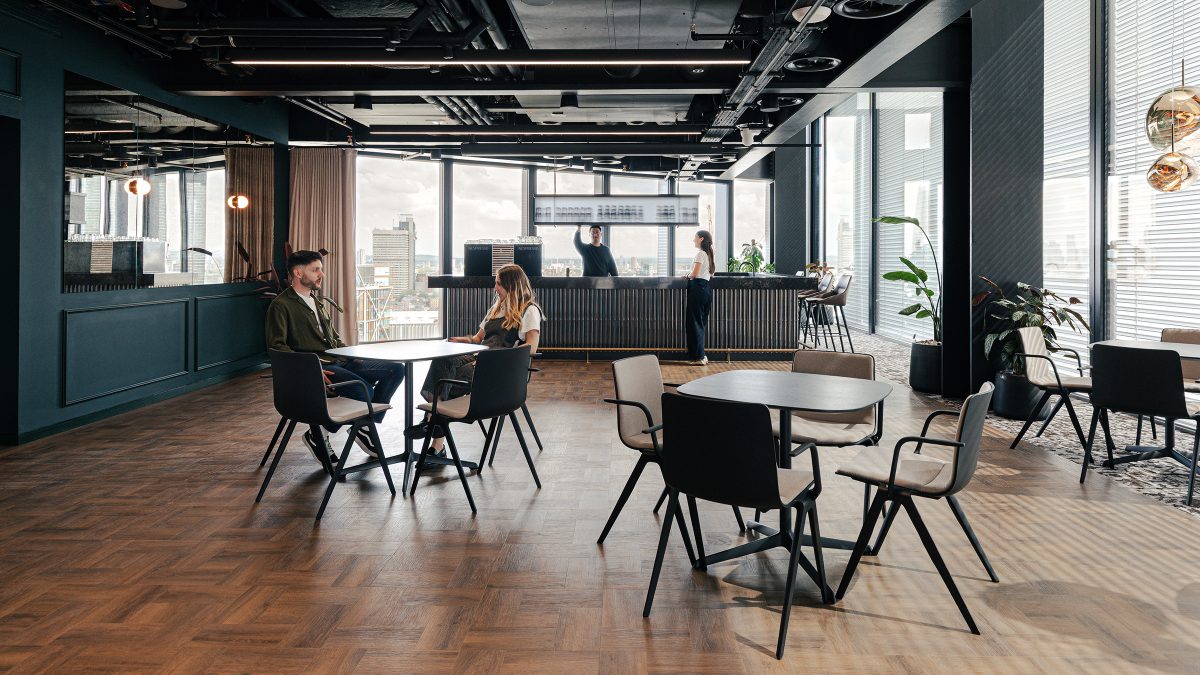 Wipro, London
 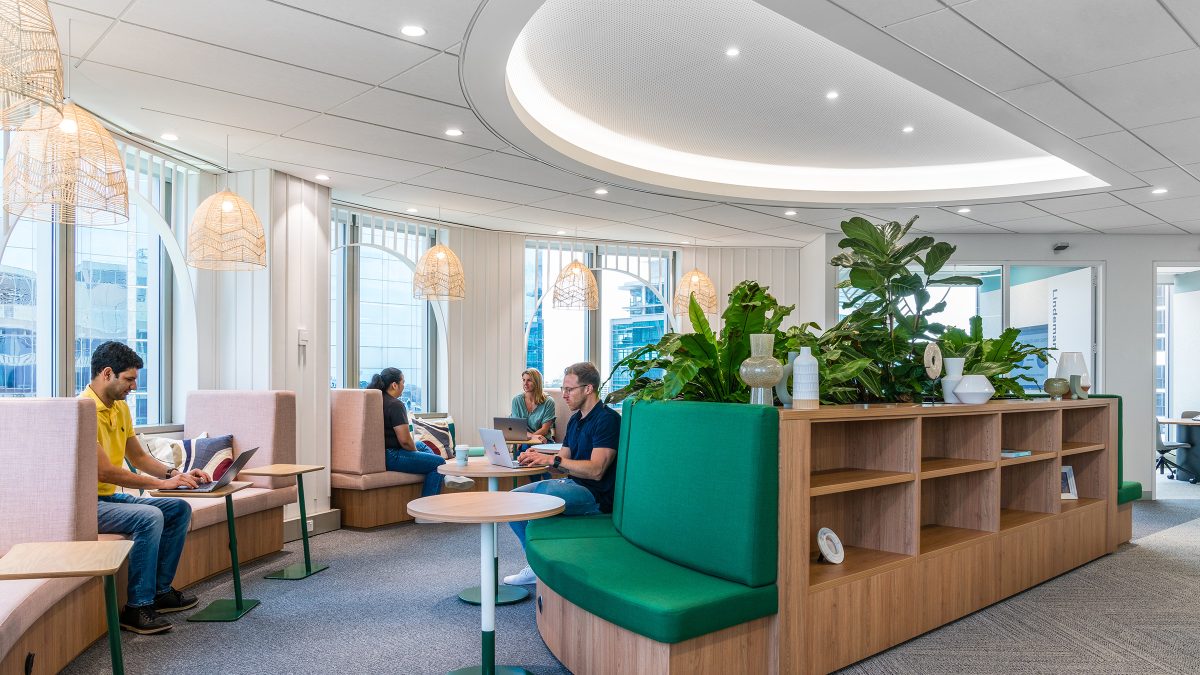 Okta, Sydney
 Organisations that go beyond the job description and show what everyday life is really like, through culture and workplace design, help people understand the employee experience they’re stepping into.
Making culture visible is one part of the picture. For people to really engage with it, they need to feel safe contributing. When people feel confident to speak up and share ideas, accountability and leadership naturally follow. Gurvinder emphasised that trust sits at the heart of any successful team:
There’s an unwritten understanding that teams will naturally work towards pulling in the same direction. This shared sense of purpose allows people to lead, contribute and challenge ideas openly.
Gurvinder Khurana, Director, M Moser Associates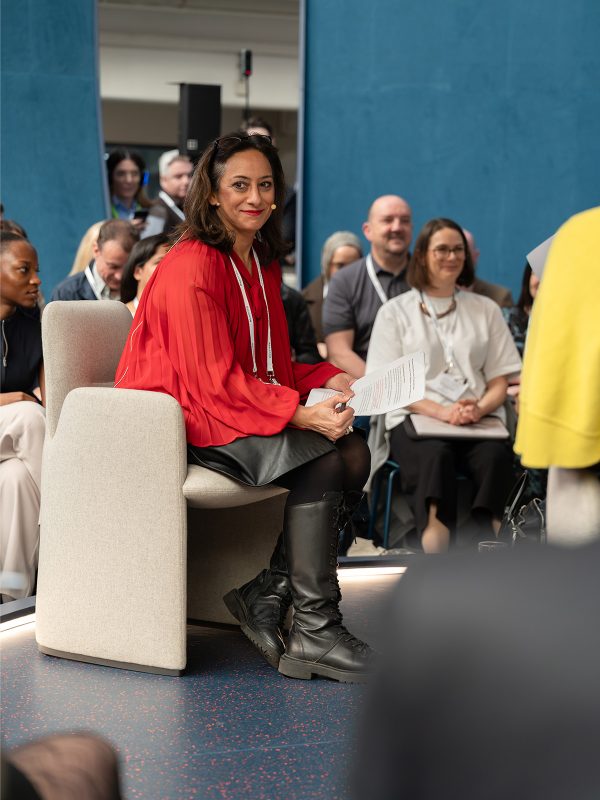
when people can see a clear link between what they contribute and its influence on their workplace culture, confidence builds and they feel more invested in the direction of the business.
Design to balance openness and privacy. People should be able to feel connected to their colleagues without that impacting their ability to focus
For PwC Canada in Toronto, we created a combination of open collaborative zones, semi-enclosed workspaces and quiet booths that create a balance of visibility and privacy. Employees can see and connect with colleagues without feeling exposed, while thoughtful design and acoustic interventions in the right places ensure conversations don’t disturb focused work. This helps create trust and mutual respect, encouraging collaboration and shared ownership of work.
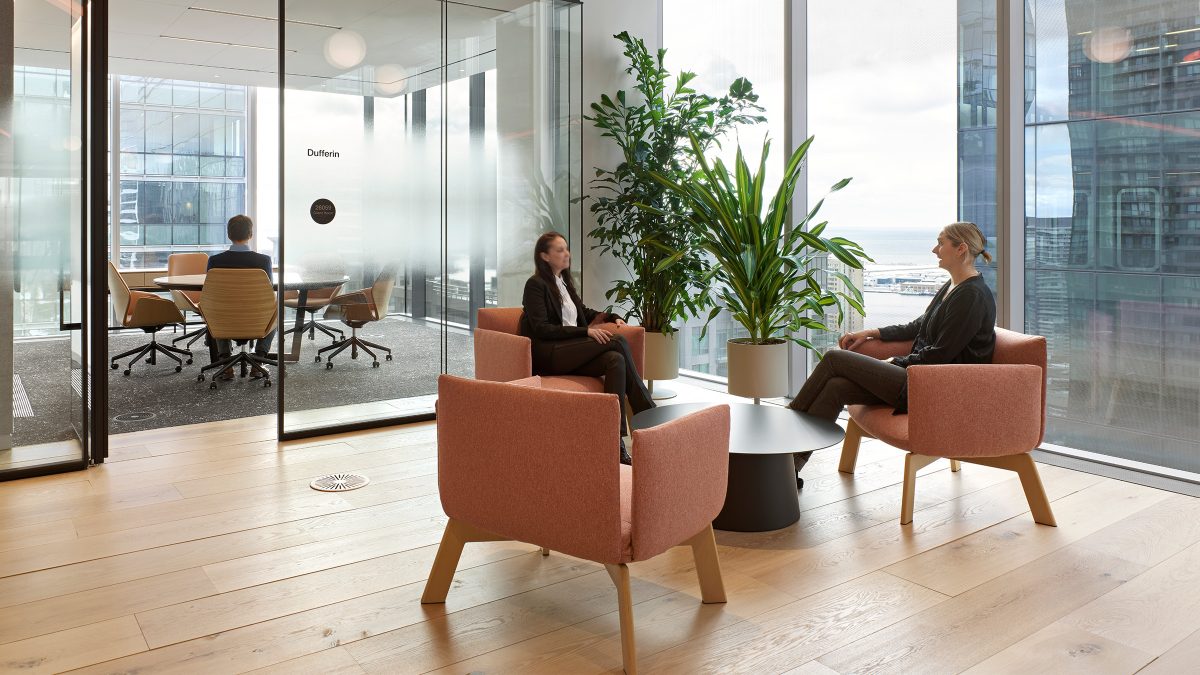 PwC Canada, Toronto
 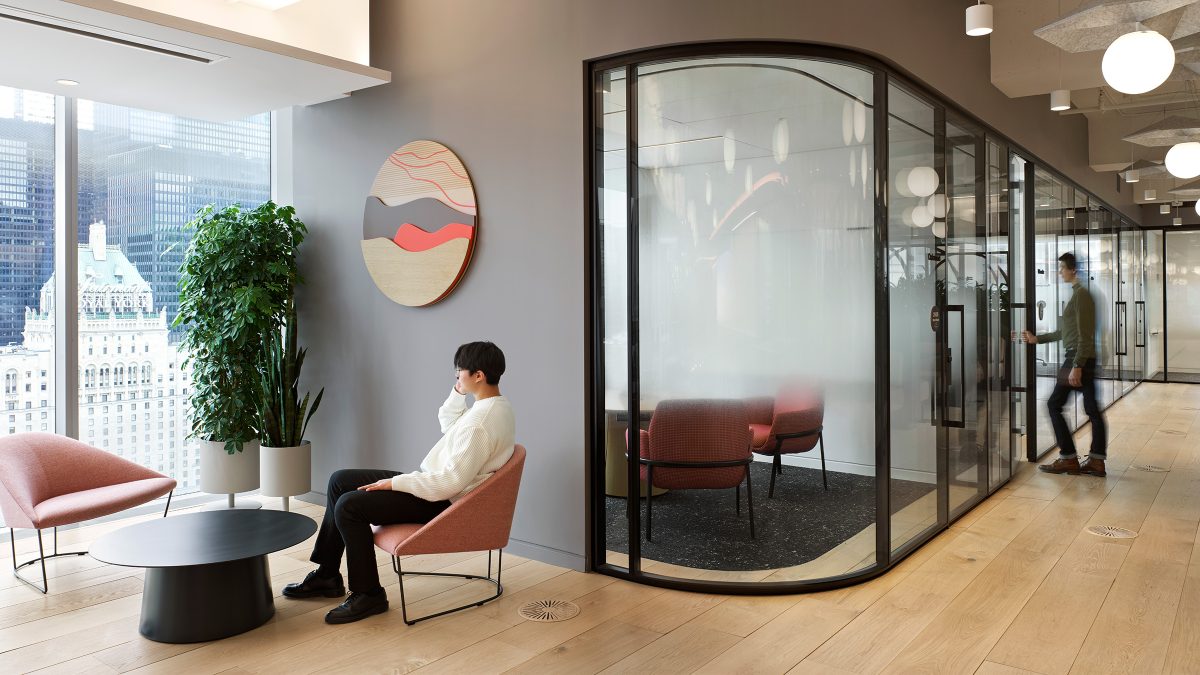 PwC Canada, Toronto
 Flexible working is now a reality for many organisations, the challenge is making sure everyone feels included, wherever they are working from.
Incorporate digital workflows, tools and systems to support accessibility for everyone. Beyond keeping people connected, it’s about helping them contribute on equal footing, whether they’re in the room or joining remotely.
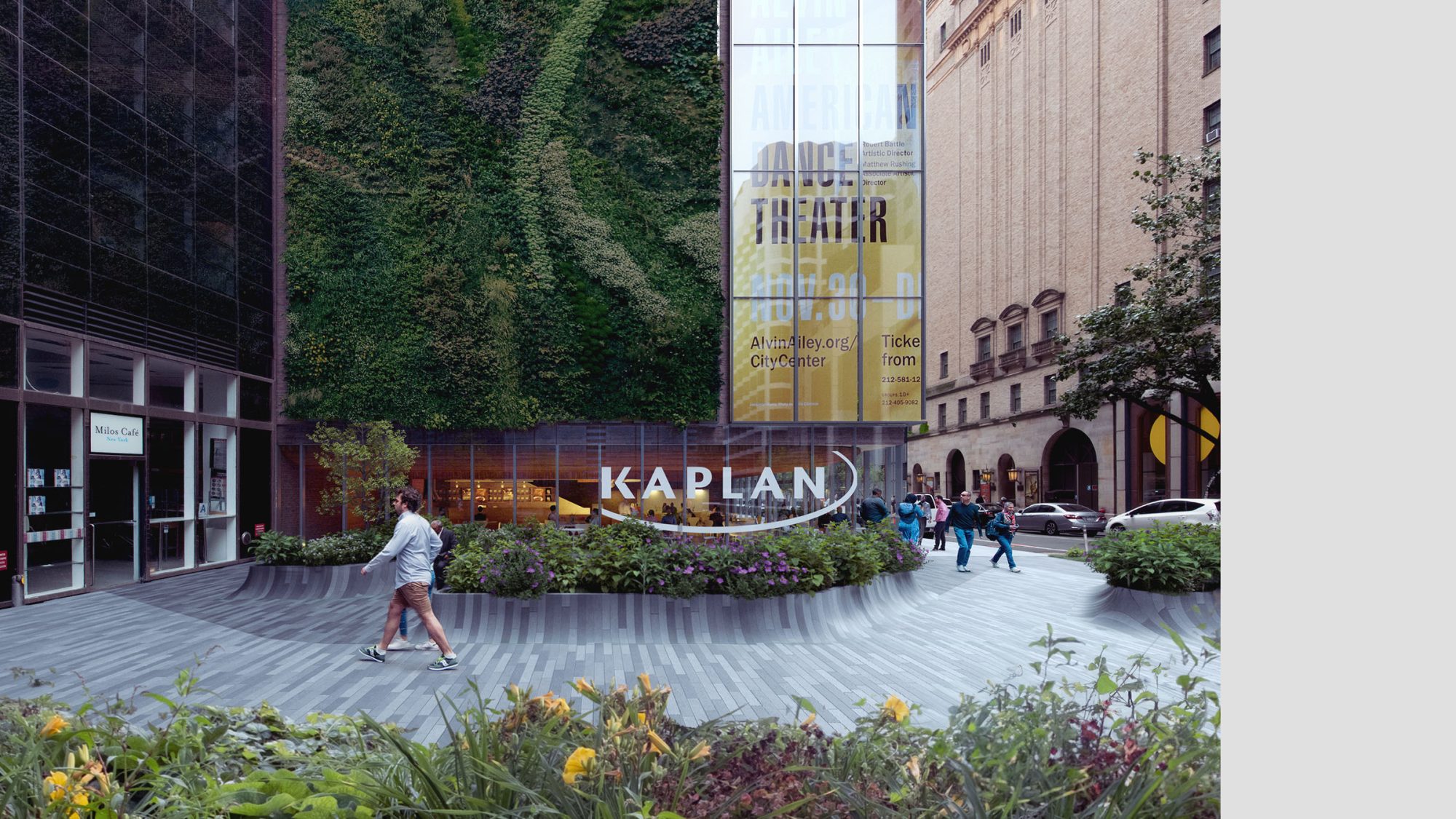
Partnering with EY in London, we created a workplace that supports hybrid working with technology integrated into various zones so teams can stay connected regardless of location. State-of-the-art systems enable virtual collaboration, making it easier for remote and in-office participants to engage equally in meetings. This helps create a more joined-up experience across locations, strengthening connection between teams.
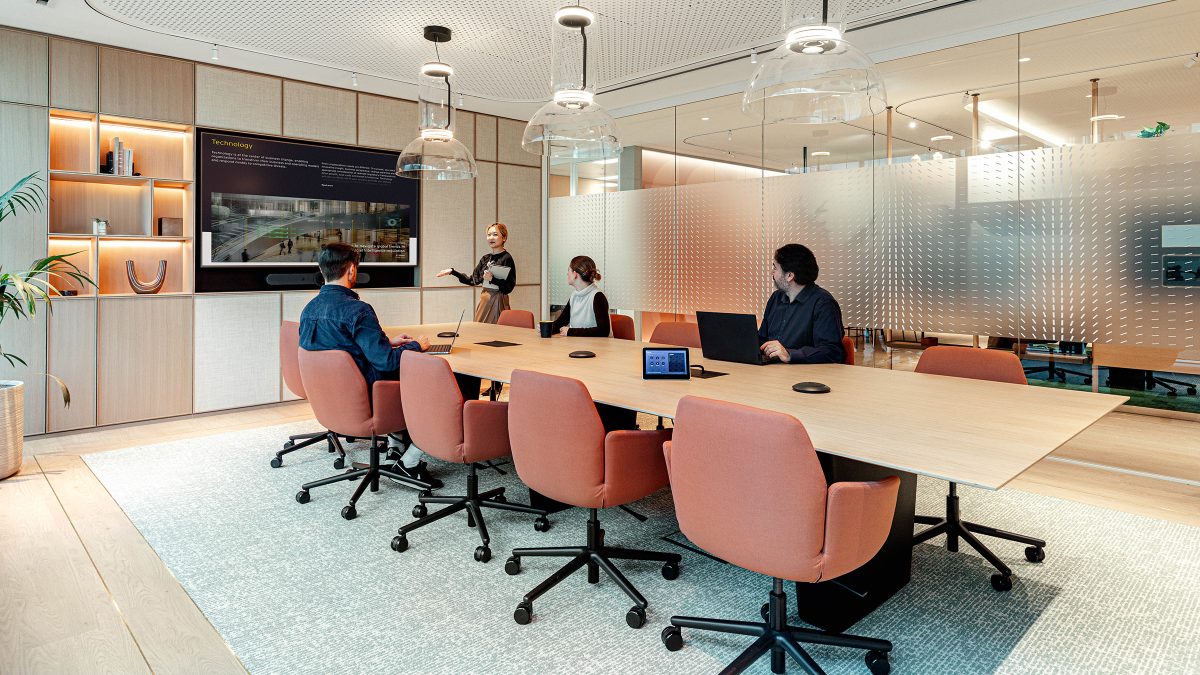 EY, London
 Striking a balance helps maintain the social contract at work, keeping people connected, respected and engaged, while still supporting the flexibility that they expect.
Gurvinder Khurana, Director, M Moser AssociatesLooking to better support your office culture? Find out more about our workplace strategy service.
Director