
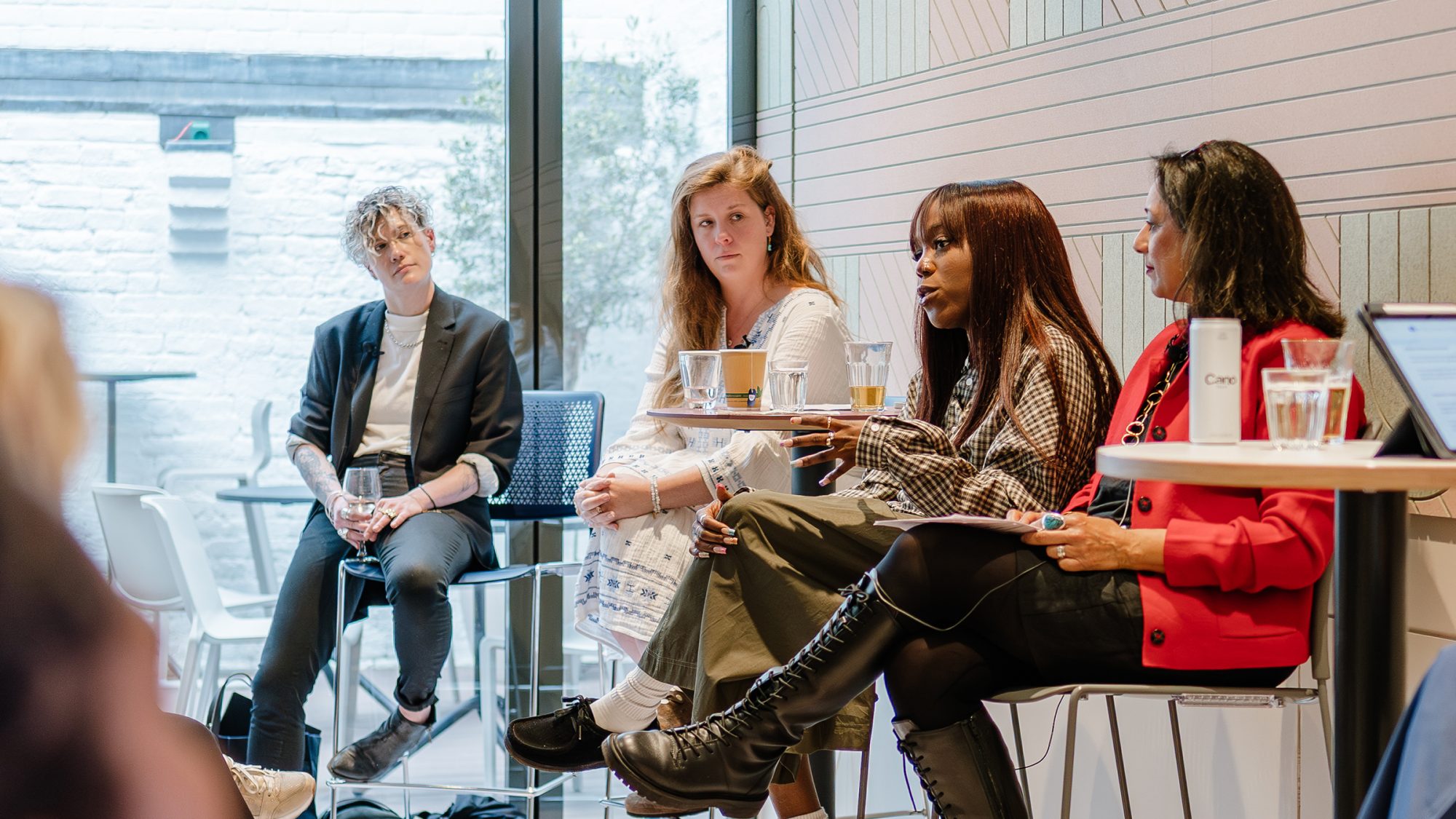
At Clerkenwell Design Week 2026, Director, Gurvinder Khurana and Senior Workplace Strategist, Zoe Yakubu-Sam spoke on the “Designing for Neuroinclusion and Neuroaesthetics” panel.
As part of the discussion, they explored how inclusive design can help businesses achieve their objectives by better supporting a wide range of sensory and cognitive needs.
The panel conversation returned to a simple but important idea: workplaces need to be designed to support people who think, work and experience space differently.
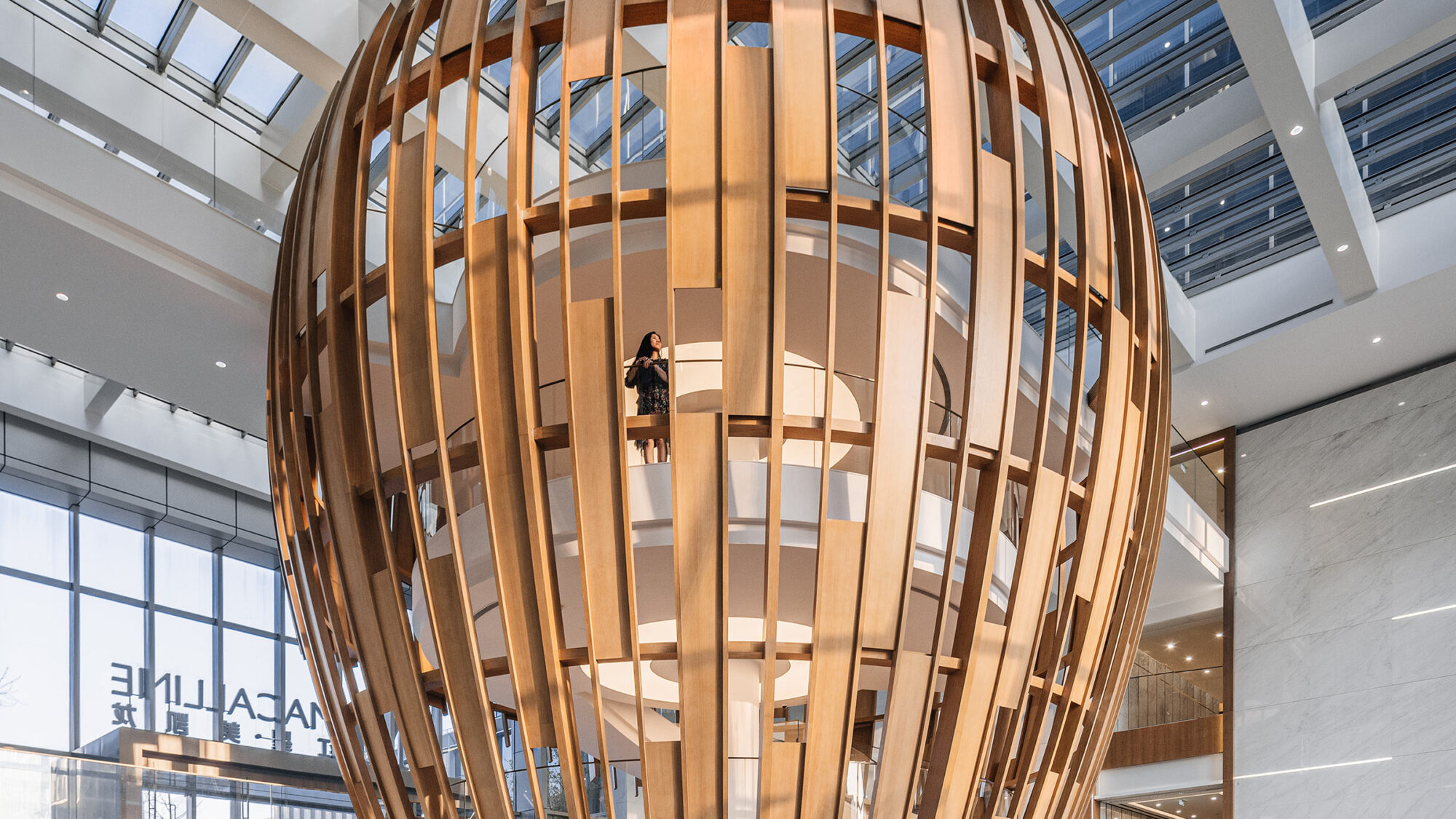
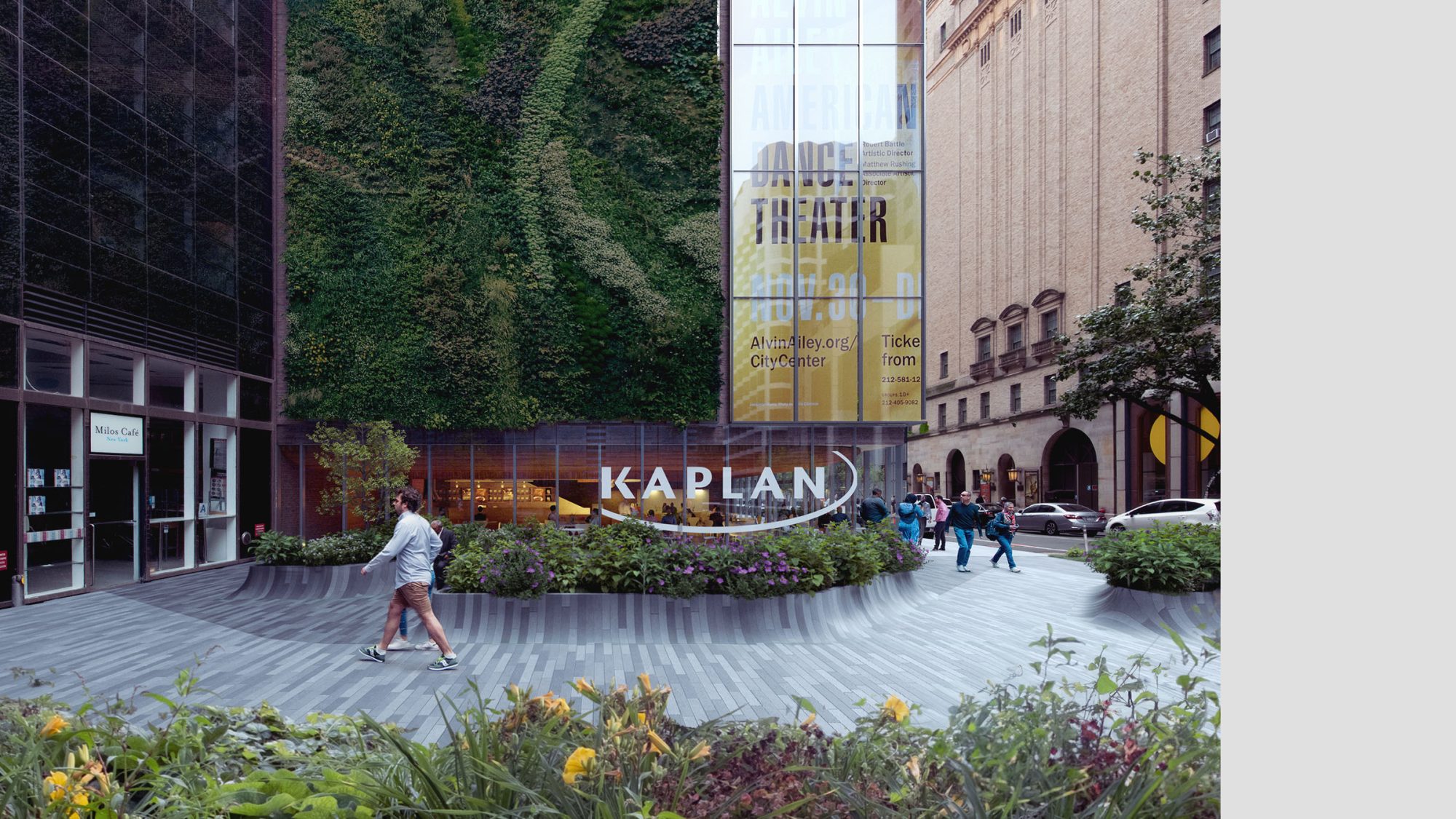
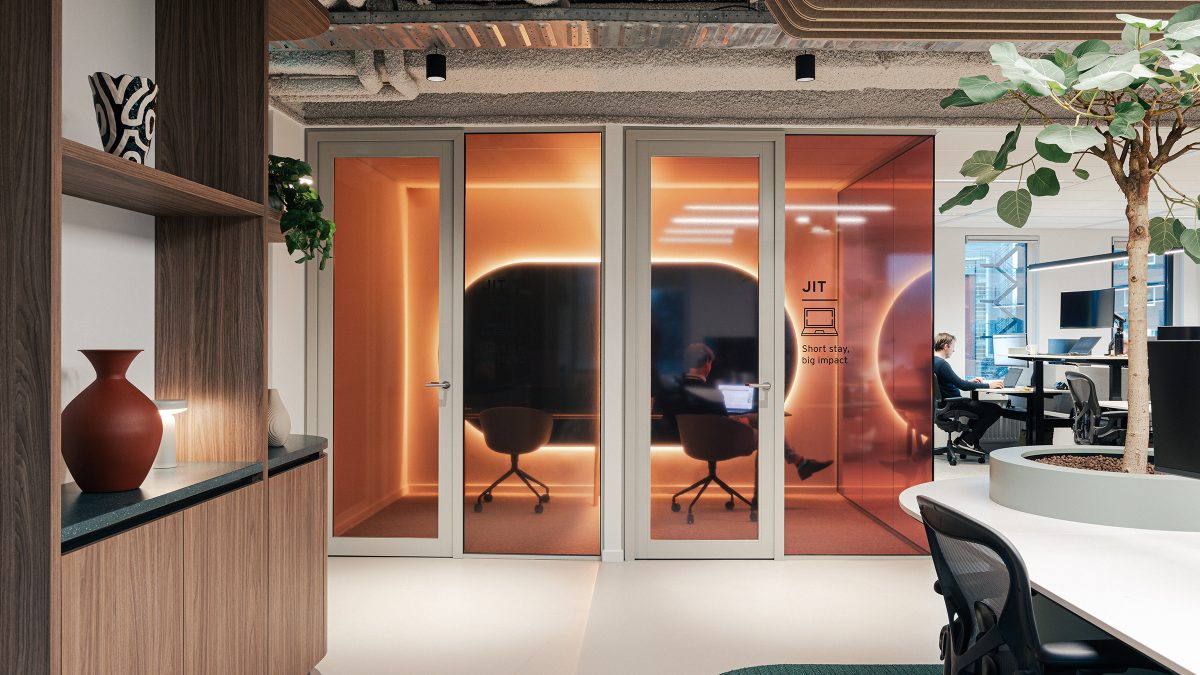 EY, Groningen
 When you stop assuming people experience the world in the same way, you start designing for how individuals see, feel and navigate space. That’s when workplaces start to make sense for everyone.
Gurvinder Khurana, Director, M Moser Associates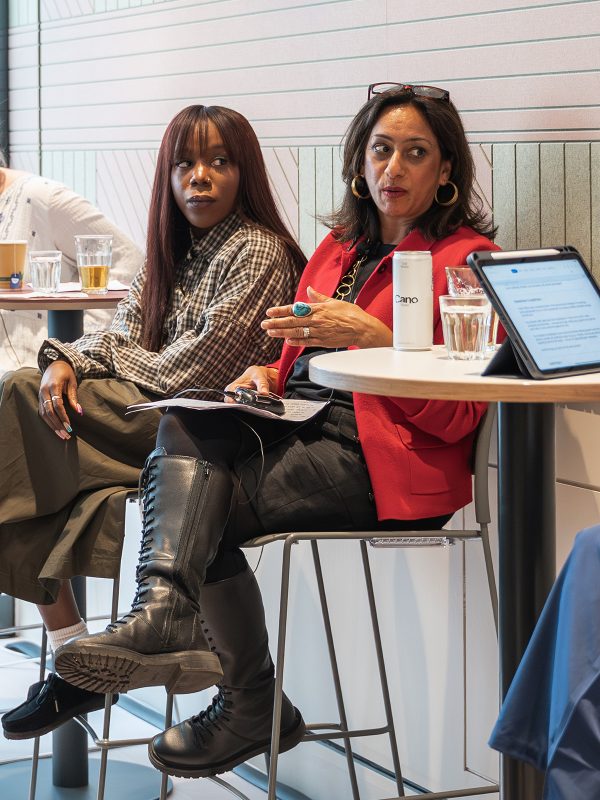
When we start designing for variation, it creates better outcomes for individuals, performance and engagement.
When working with EY in Groningen, we built the space around activity-based working. Instead of assigning people to a fixed desk or a single type of space, the environment offers a flexible workplace design with a range of settings. These support different ways of working throughout the day, from focused work to collaboration and everything in between.
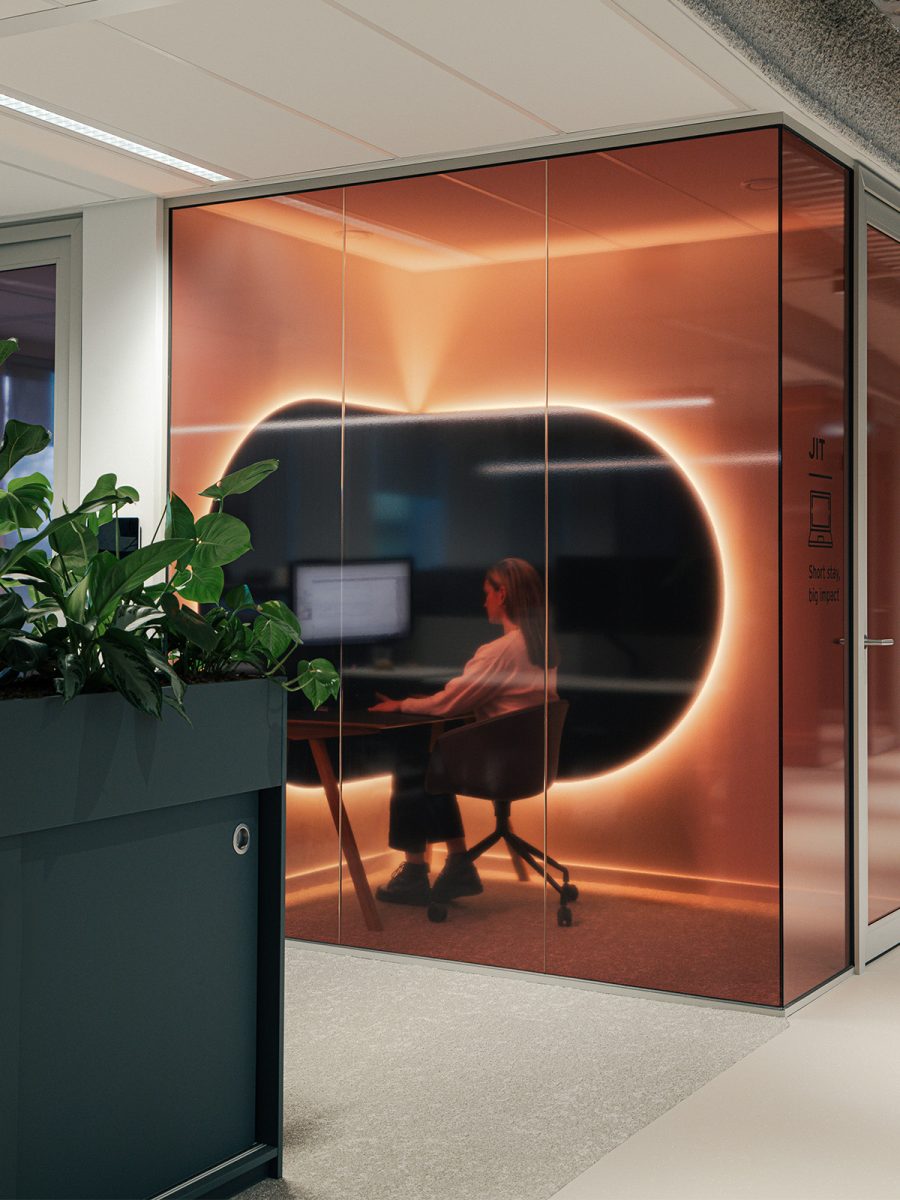 EY, Groningen
 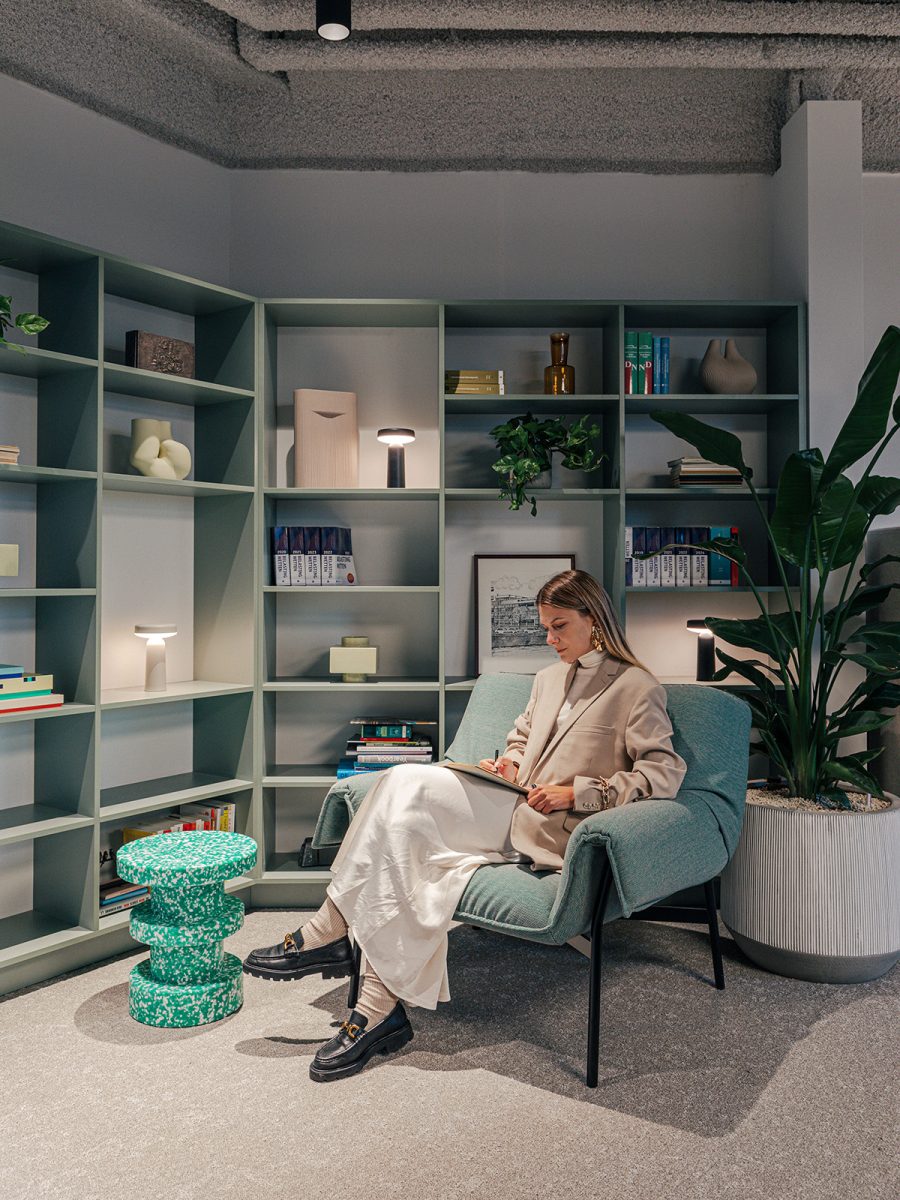 EY, Groningen
 Design with inclusion and neurodiversity in mind from the outset. People won’t use space in the same way and that difference should be supported rather than standardised. When that happens, people naturally find environments where they can do their best work.
Neuroinclusive design doesn’t need to be complicated. In fact, it works best when it isn’t. If a space isn’t immediately understood, it risks being ignored, regardless of how well designed it appears to be.
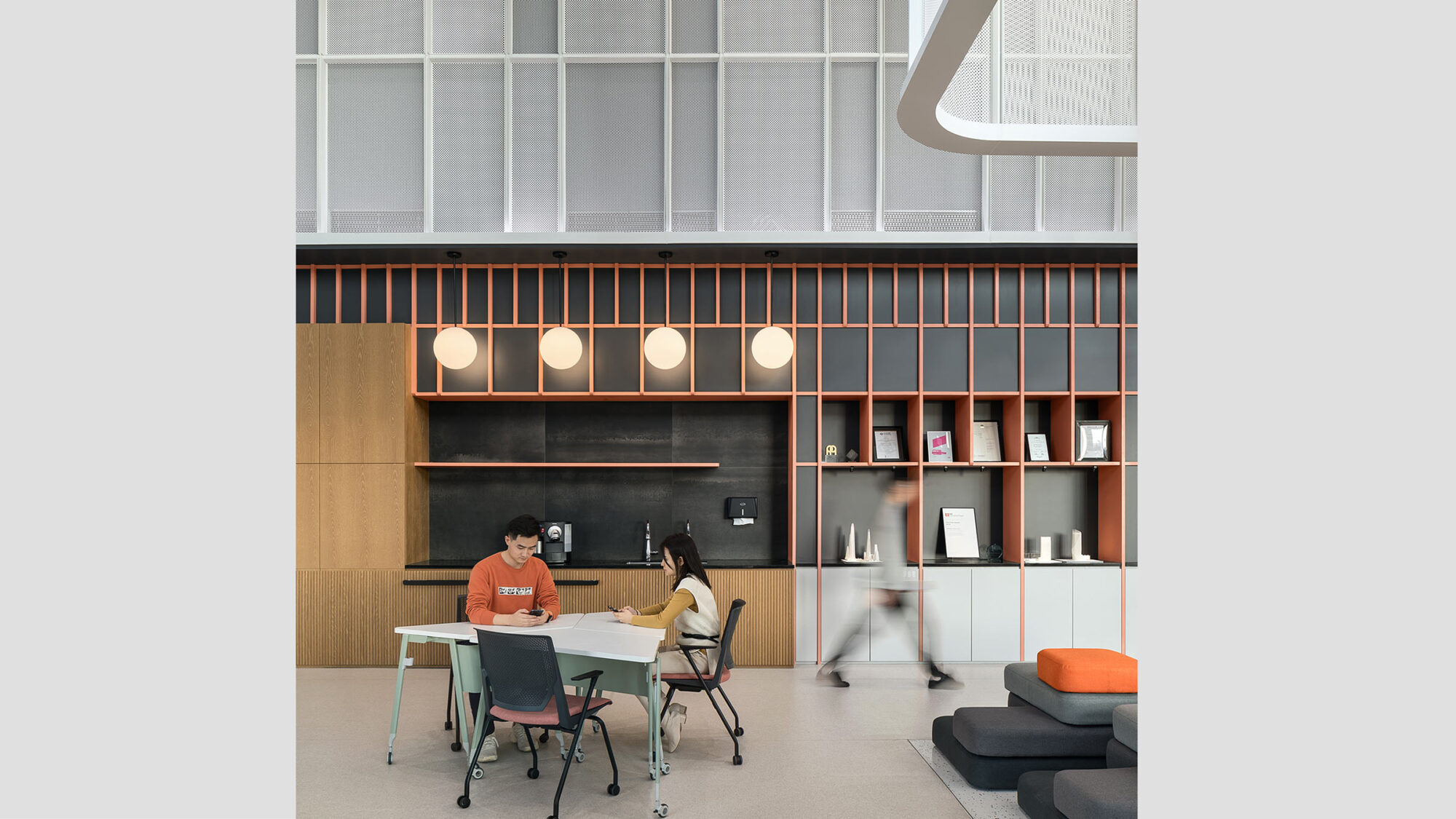
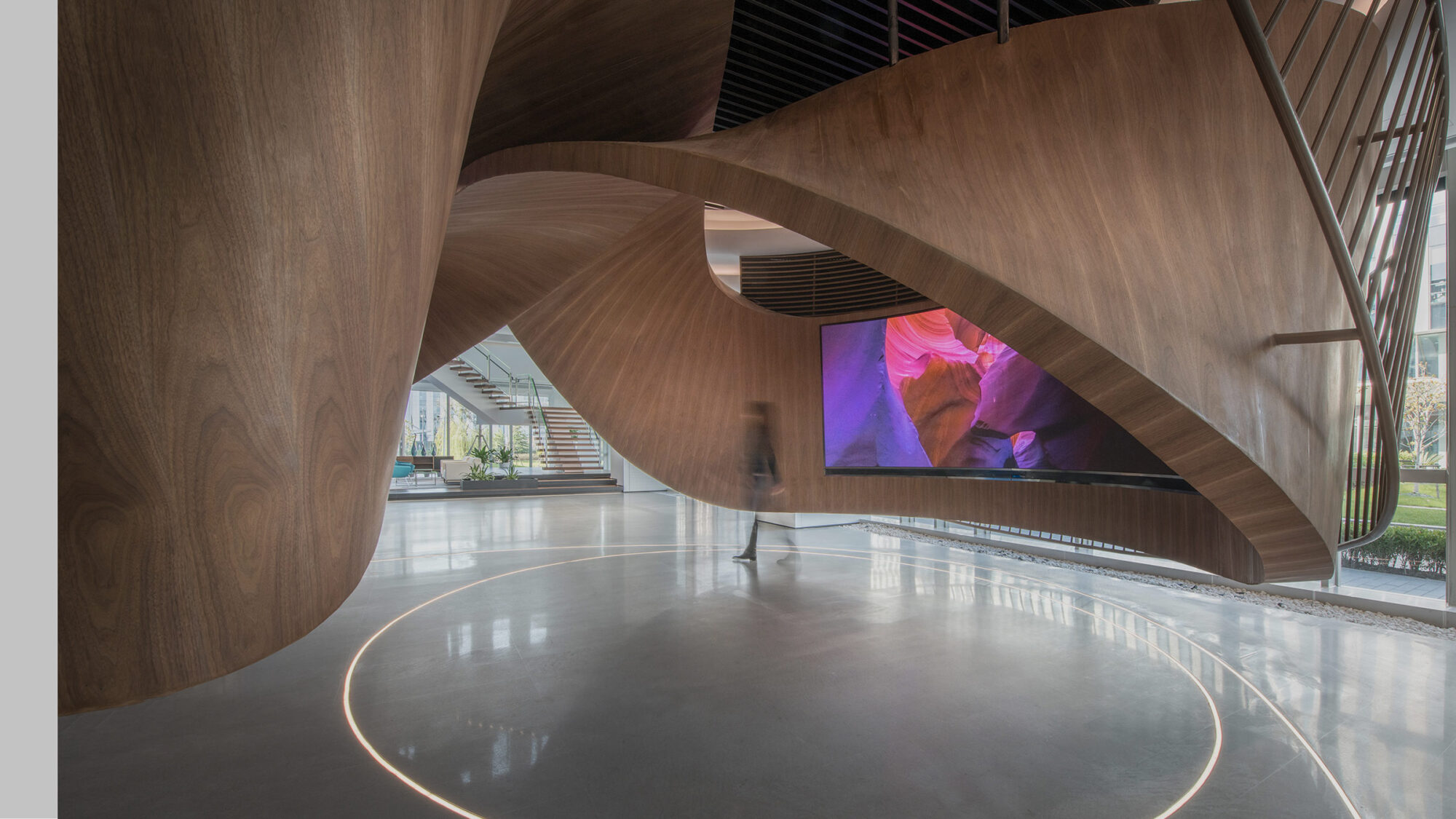
This is evident in our work with Miro in Berlin, where we designed a clear, intuitive layout enabling different work modes that are easy to recognise and move between.
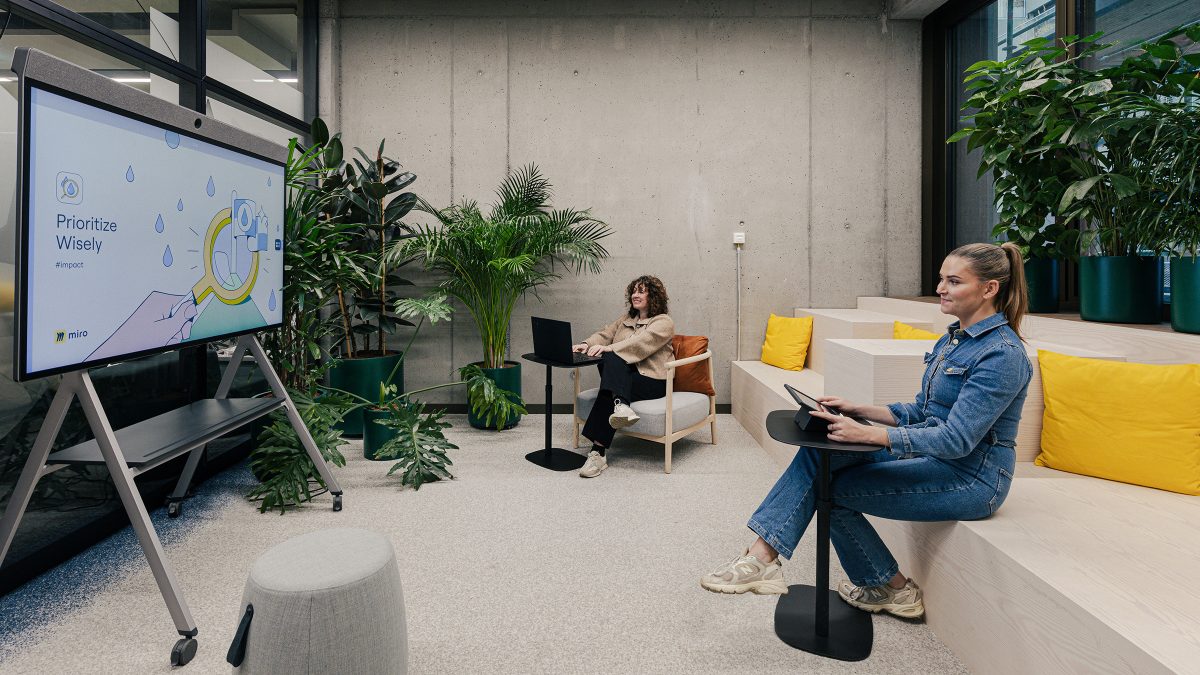 Miro, Berlin
 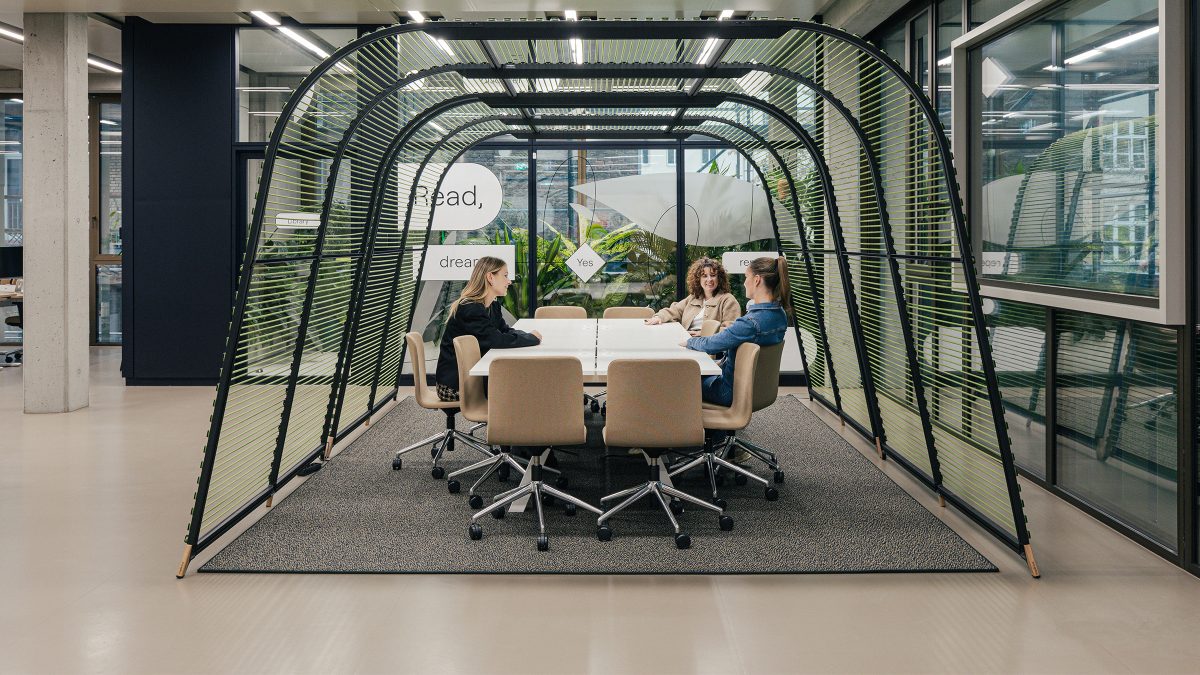 Miro, Berlin
 In reality, if people can’t immediately understand how a space supports the way they want to work, they won’t pause to figure it out, they’ll move to somewhere that already does.
Zoe Yakubu-Sam, Senior Workplace Strategist, M Moser Associates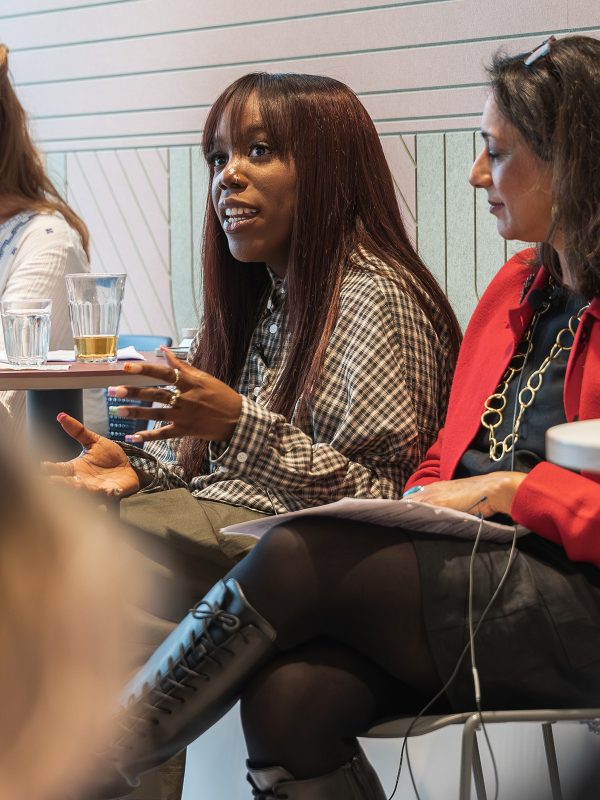
People don’t need to learn how to use space, it needs to make sense the moment they enter it.
Make spaces self-explanatory. People don’t explore environments where the function is unclear, they avoid them. The less effort it takes to understand a space, the more likely it is to be used. If people have to ask what a room is for, the design has already created friction.
People don’t define “work” in the same way. For some, it’s collaboration and energy. For others, it’s focus and quiet. Most people move between both throughout the day. That’s why workplaces need to offer more than a single way of working.
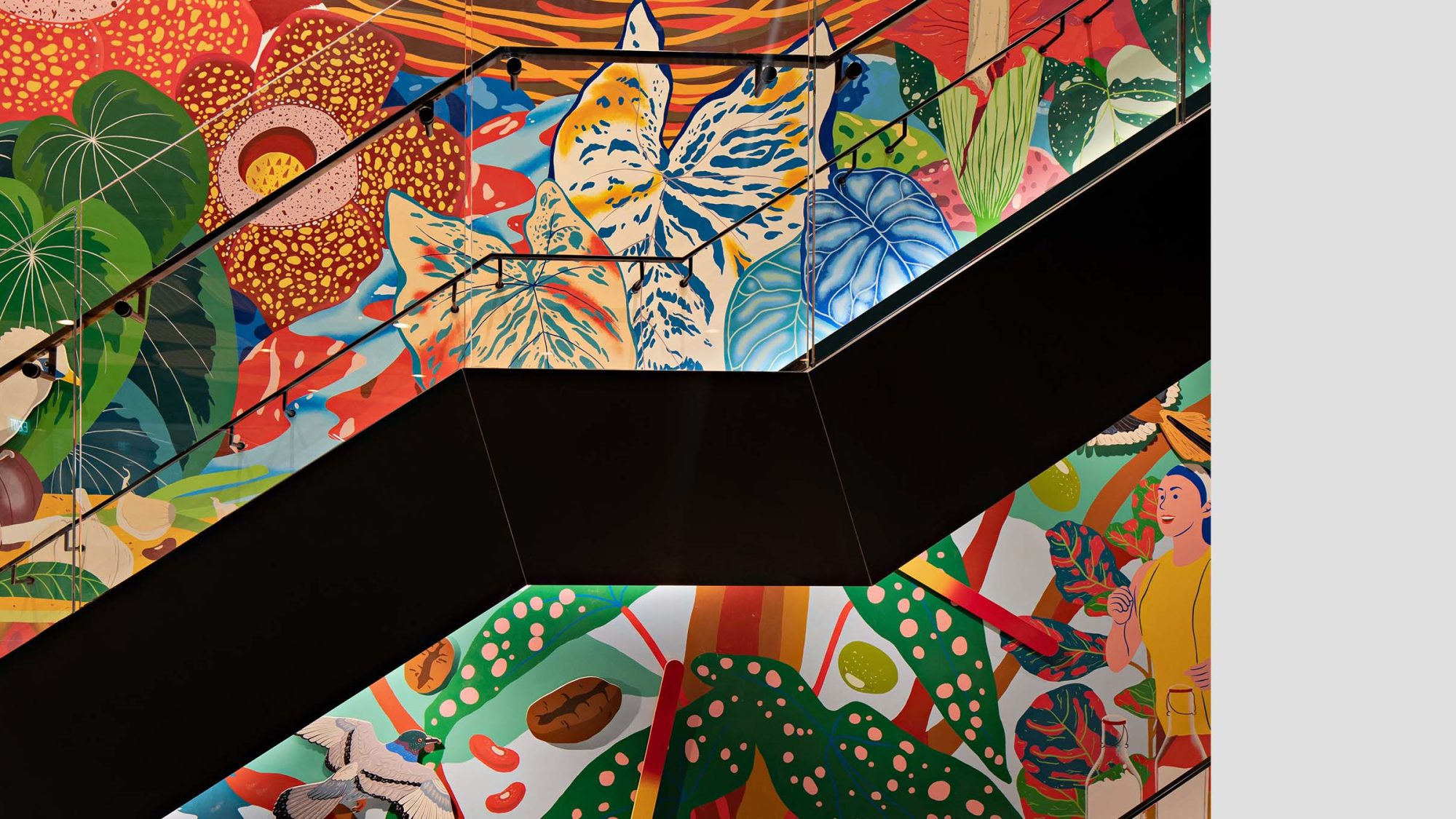
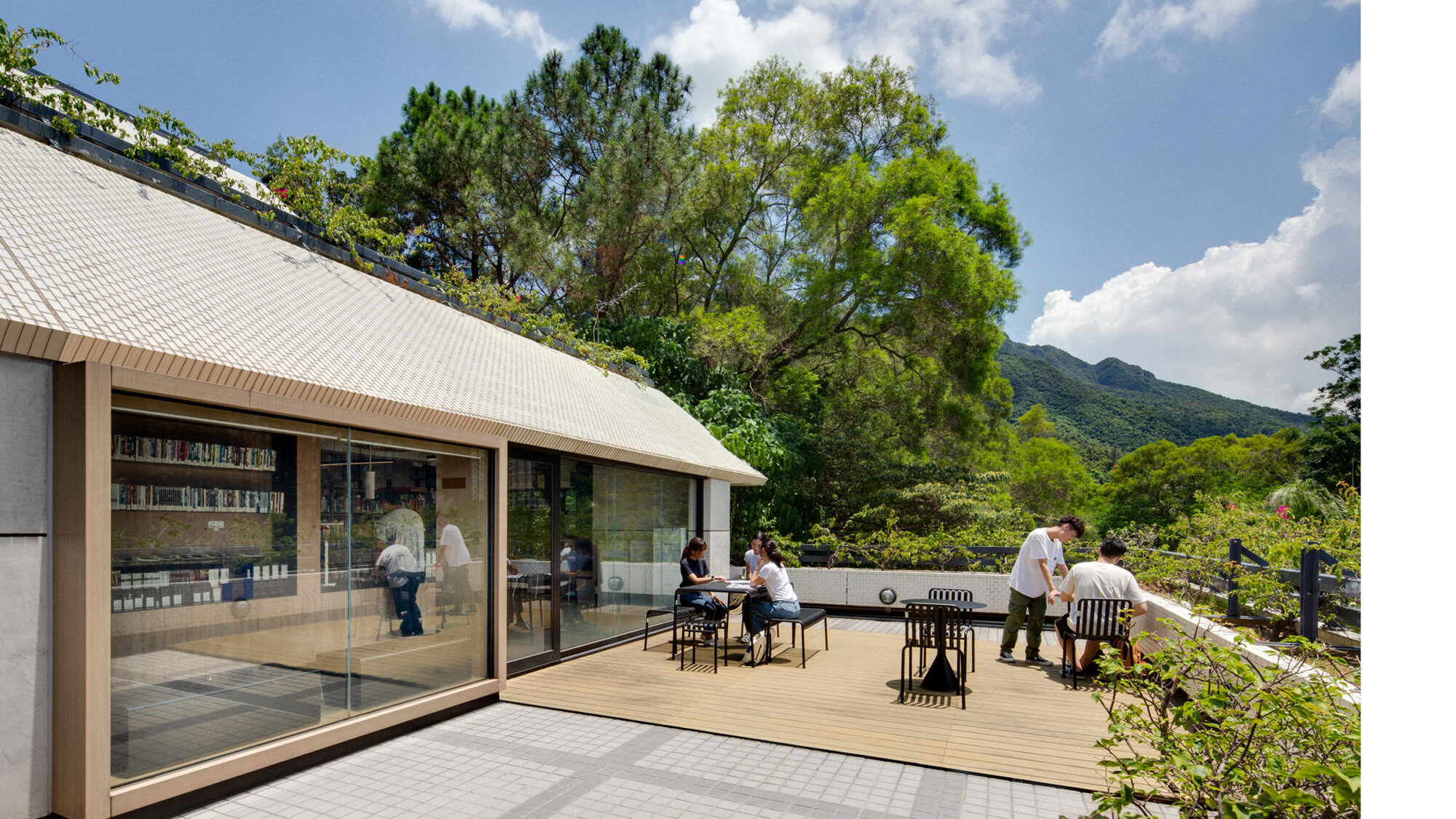
When working with Pinsent Masons in Amsterdam, we expressed this by creating a mix of environments with a sensory design focus. These spaces address cognitive needs including focused spaces, collaborative zones, quieter areas and informal settings.
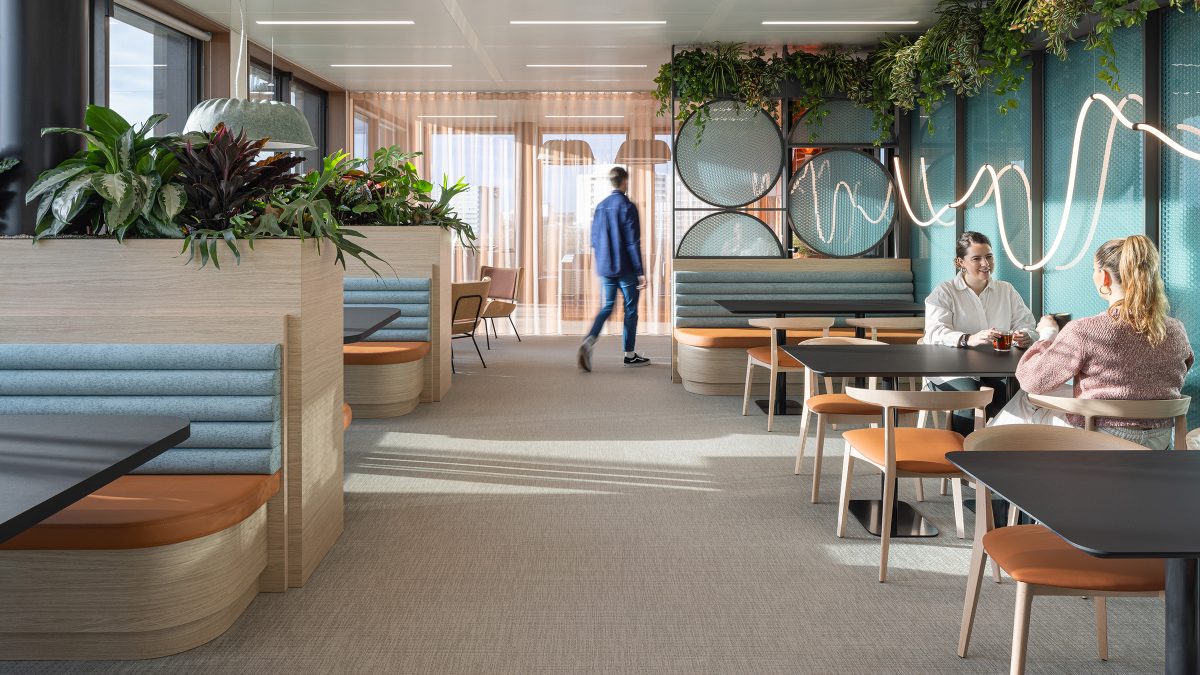 Pinsent Masons, Amsterdam
 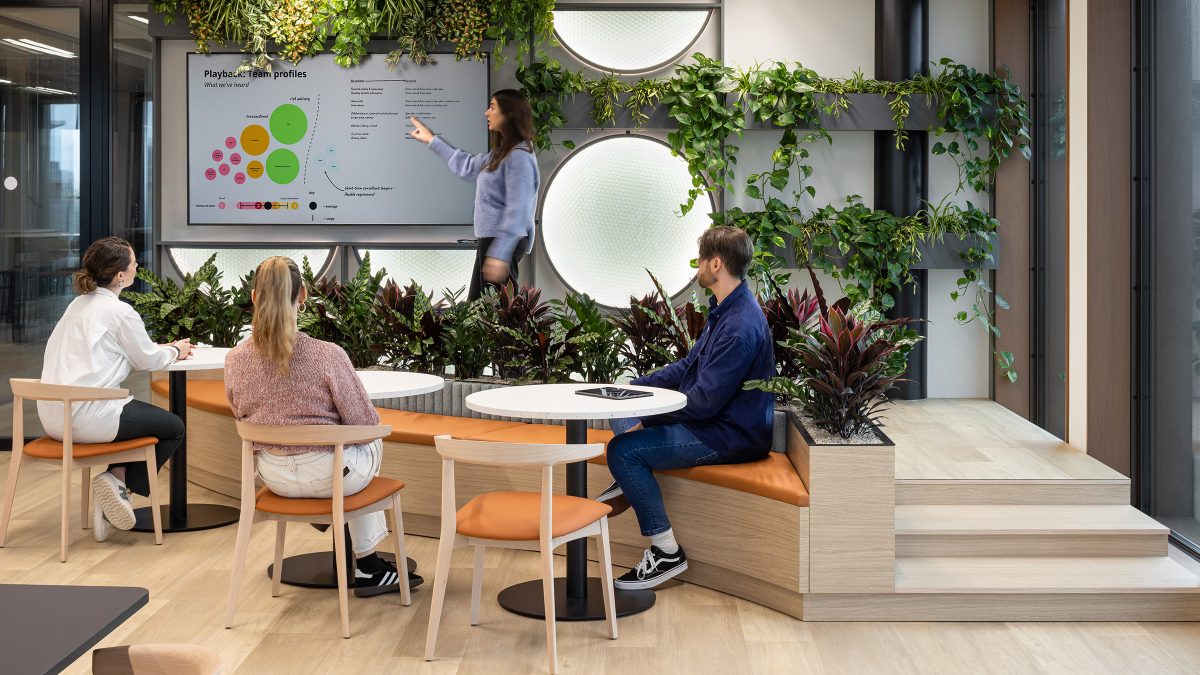 Pinsent Masons, Amsterdam
 The assumption that people work in one predictable way at a time is where many workplaces fall short. Real working patterns are fluid. We consistently see that people don’t separate their day into predefined modes of work, they respond to what the work requires in the moment.
Zoe Yakubu-Sam, Senior Workplace Strategist, M Moser AssociatesNothing is prescribed. Instead, people are encouraged to choose what works best in the moment. Zoe describes this as a shift away from designing for one version of productivity.
Build workplaces that support movement between different ways of working, not fixed patterns. This helps people respond to their work as it evolves throughout the day, rather than forcing them into one mode of working. It provides an employee experience that supports comfort across a variety of tasks.
Work is changing too quickly for workplaces to stay still.
Hybrid working, shifting team structures and evolving expectations mean that fixed layouts no longer fully serve businesses. Workplaces need to respond. A workplace that needs to adapt sooner than expected doesn’t mean the design has failed, it simply reflects how quickly the way we work, connect and use technology is changing.
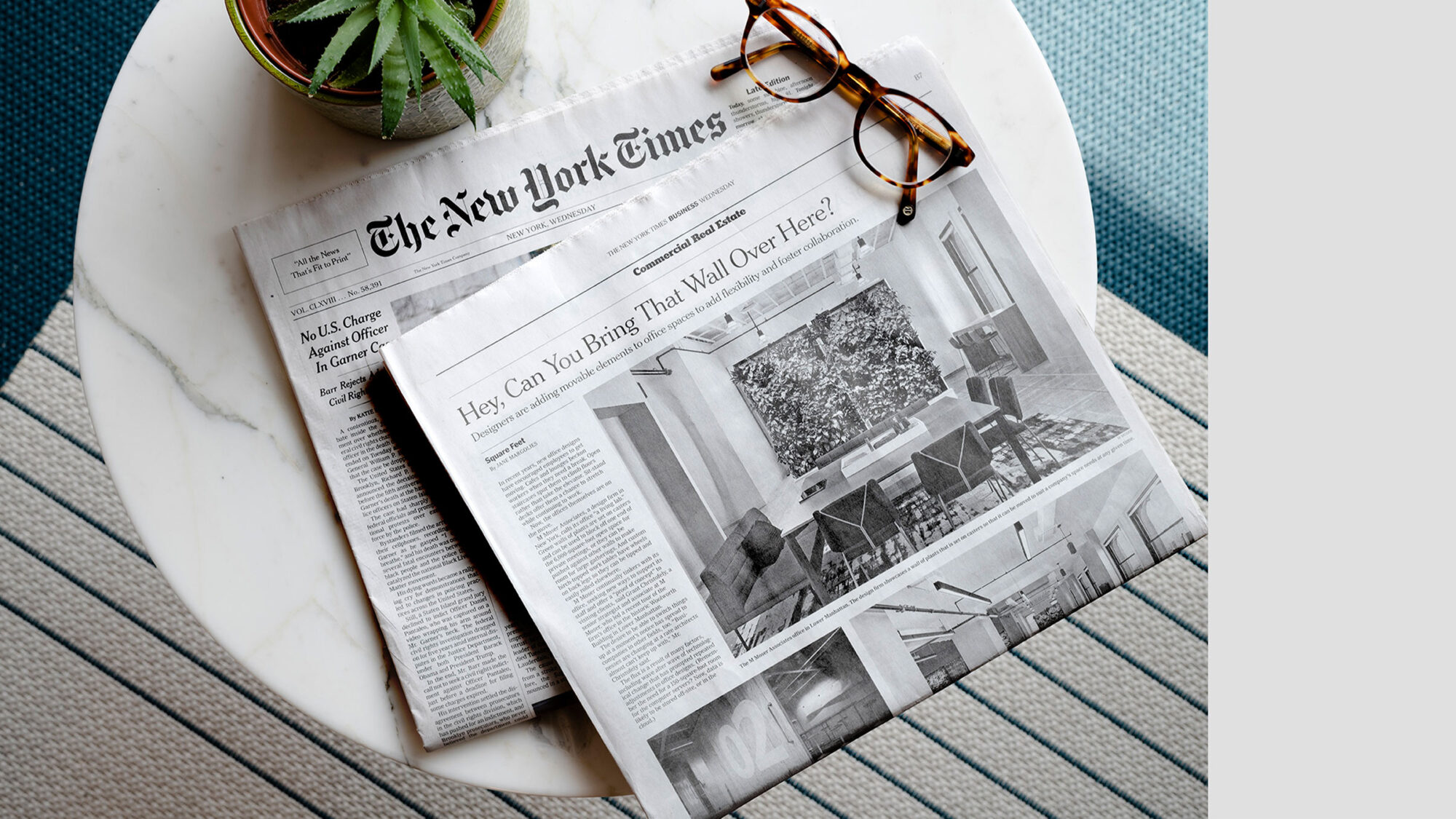
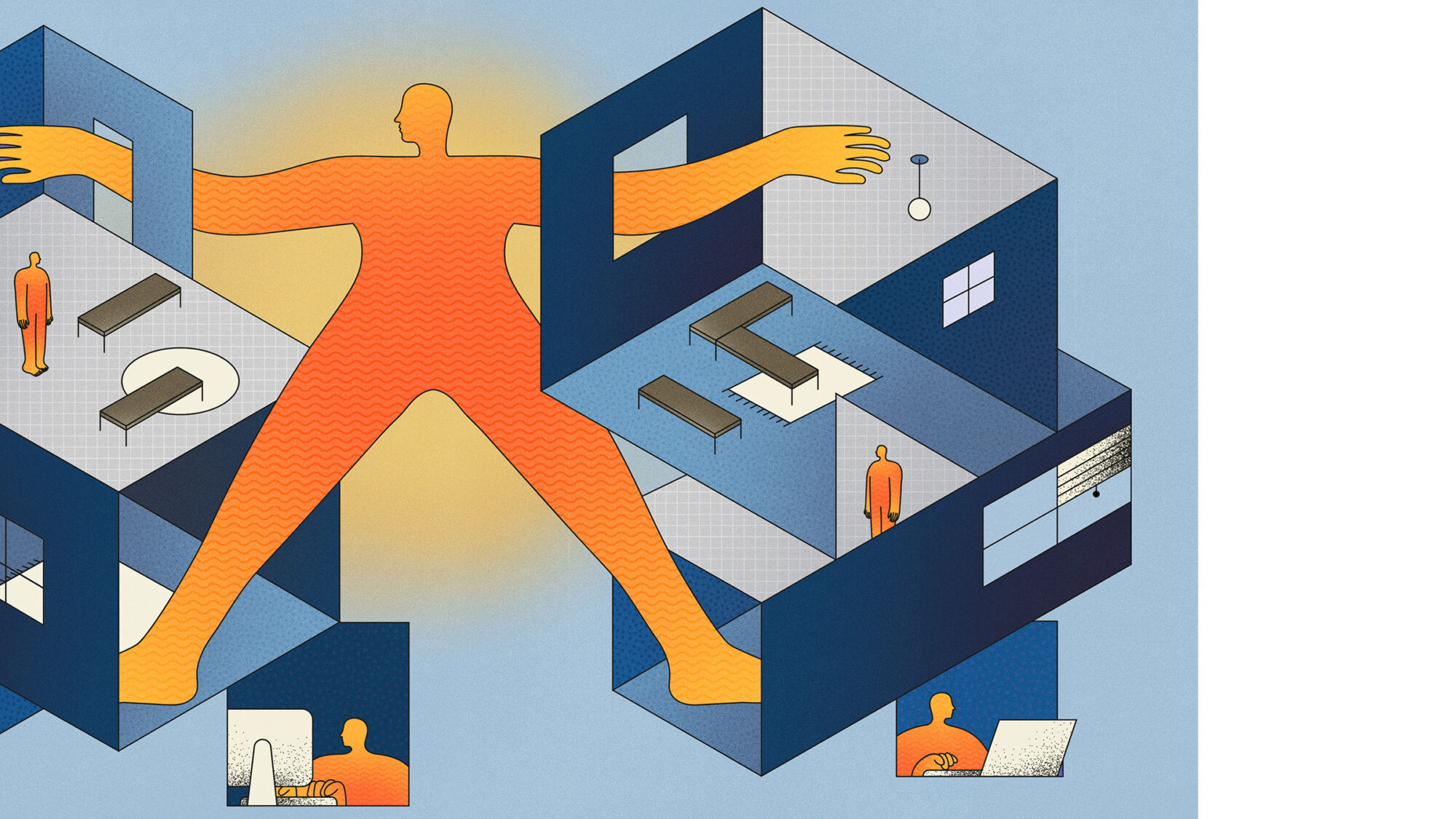
Partnering with HFW in London, we created a flexible workplace design for adaptability, supporting change over time rather than a single, fixed way of working.
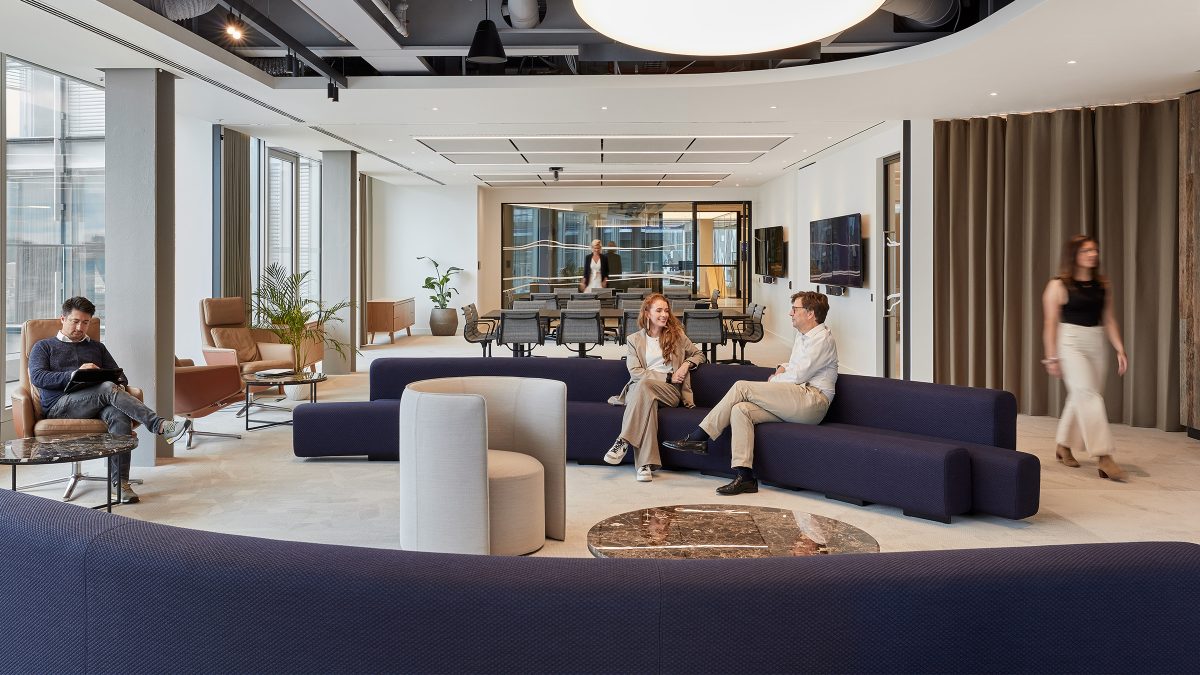 HFW, London
 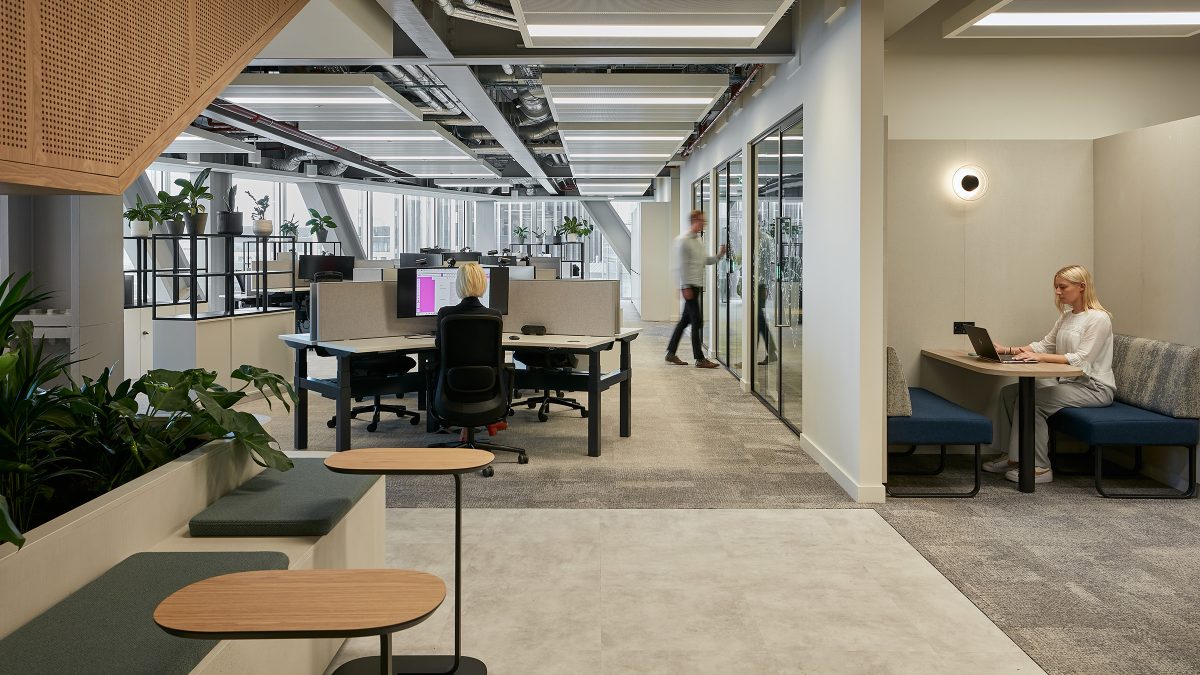 HFW, London
 Workplaces don’t fail because they’re too small, they fail when they stop reflecting how work is actually happening. When that happens, people start adapting around the space instead of being supported by it.
Gurvinder Khurana, Director, M Moser Associates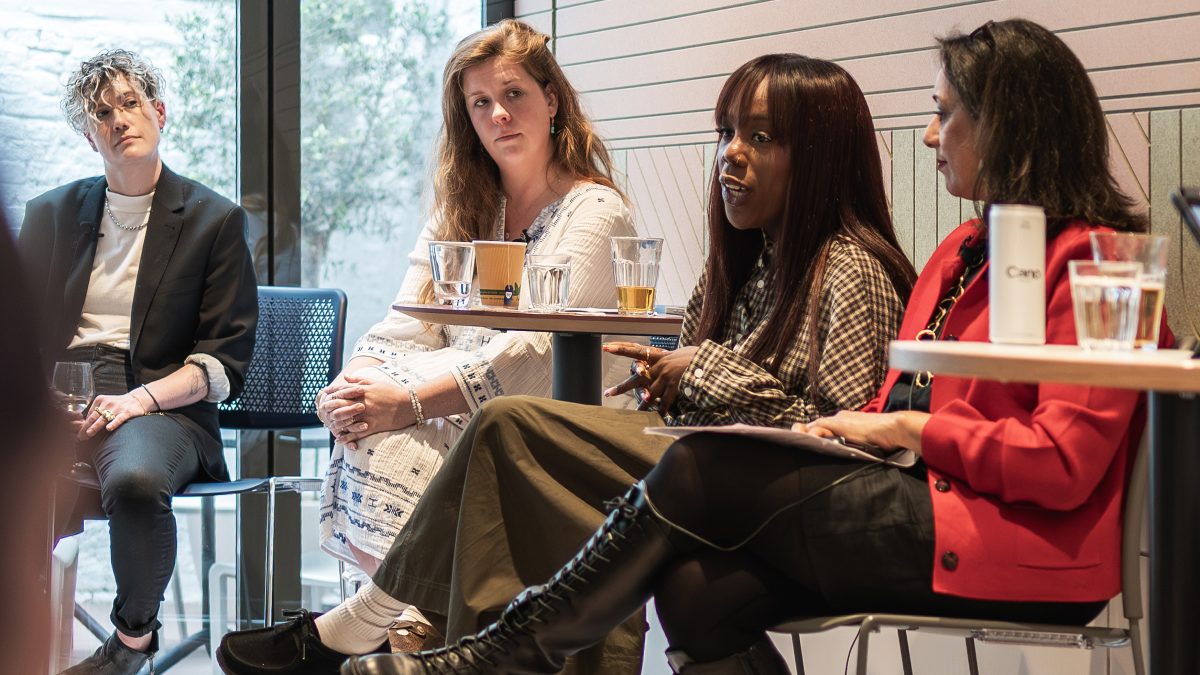
The space is built to evolve as needs shift, rather than requiring reinvention every time the organisation changes as Gurvinder points out.
Design for change. The workplace should adapt as people and organisations do. That means creating environments that can evolve over time and providing a more flexible employee experience.
Looking to design workplaces that reflect how your people think, work and experience space? Find out more about our workplace strategy service.
Director