
Foreword by Nabil Sabet, Group Director, M Moser Associates
For years, the technology sector has been a test bed for workplace transformation. Long before hybrid work, open workplace or activity-based planning became mainstream, tech firms were already experimenting.
Chantal Frenette has had a front-row seat to tech’s dynamism for decades. From early ecosystem strategy to immersive brand environments and co-development incubators for organisations in rapid expansion. She has observed the tech workplace as an evolving system, a space that was never designed to be static. We sat down with Chantal to explore what’s changed, what’s misunderstood and what tech firms need now.
Q: Why do tech companies require different office environments?
A: These companies, no matter what stage of development they are in, are typically in hypergrowth or product development mode. Their teams need co-development spaces, rapid iteration environments and flexible layouts that can adjust to shifting team sizes.
Q: Has the tech workplace always been disruptive?
A: Absolutely, tech has always been an incubator for new ways of working. When I started working on a large-scale account in the early 2000s, my client was the first organisation I encountered that treated the workplace as ‘an ecosystem’.
At that time, most clients provided us with a set list of requirements, largely based on their current needs and traditional settings. Everything was usually tied to hierarchy and role. Private offices were common and space equalled status.
Changes to client teams meant significant construction and furniture changes, such as building a new office, renovating or reconfiguring furniture to accommodate the next business level. As early as the 2000s, leading tech firms challenged this approach, flattening it out.
They created a high-level planning strategy that could be replicated across buildings and floors. The idea was that any team could work anywhere. People who held private offices for 30 years suddenly moved to ‘hotelling’ desks, which was radical at the time. They were early adopters of:
-Open environments
-Neighborhood planning
-Activity-based working
-Reservable workstations
Many things we now call ‘standard’, like the 5-foot workbench, were ‘radical’ ideas that started in tech. Tech moved first and everyone else followed.
Q: What’s the biggest shift happening now in tech workplaces?
A: We’re moving from designing for function to designing for experience. It’s no longer just about supporting productivity or accommodating tasks. It’s about creating environments that people actively choose because they help them do their best work. At the same time, the pace of technological change requires workplaces that can adapt just as quickly.
Tech companies were the first to embrace hybrid work and the first to experiment with predominantly remote teams. Now, as organisations bring people back together, the office has to offer something home can’t.
We’re seeing workplaces designed to deliver:
Choice, giving people the freedom to work in ways that best suit the task, team and individual.
Belonging, creating environments that strengthen culture, community and connection.
Wellbeing, with health, neurodiversity and biophilic design considered from the outset rather than added later.
Collaboration, supporting everything from spontaneous conversations to hybrid teamwork and co-creation.
Adaptability, enabling spaces to evolve alongside changing teams, products and business priorities.
Experience, where hospitality, amenities and brand come together to create destinations people genuinely want to be in.
Ultimately, the workplace is becoming less about where people work and more about why they come together. The spaces that create the greatest value are the ones that enable learning, innovation, trust and the exchange of ideas.
Q: Can you elaborate on what this means spatially?
A: There was a real pendulum swing after the pandemic. People went from highly personalised home environments back into workplaces that often felt standardised and uniform. Expectations had changed, so workplace design had to evolve with them.
Today, we’re seeing a shift towards design that prioritises:
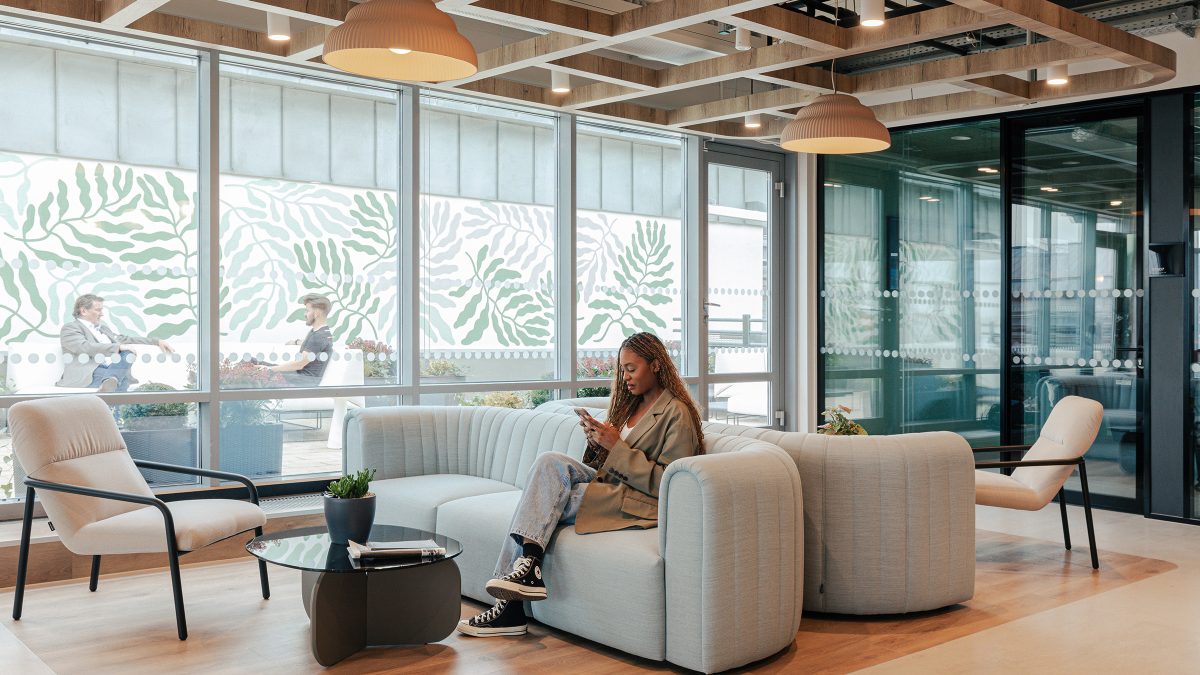
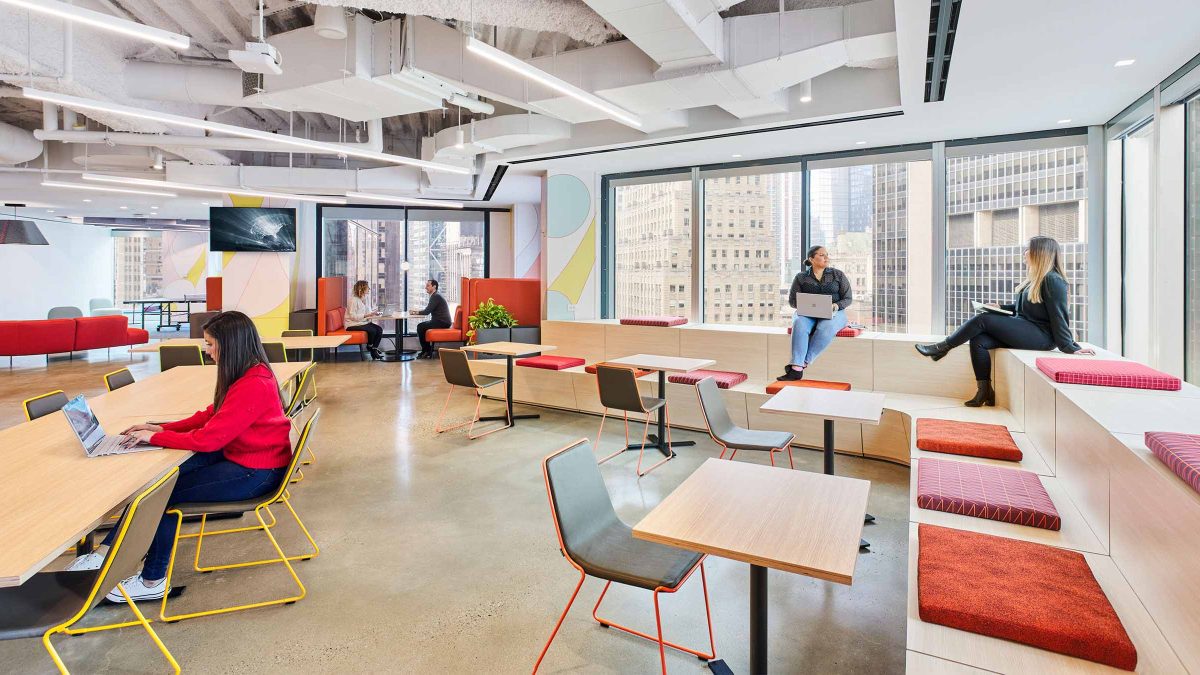
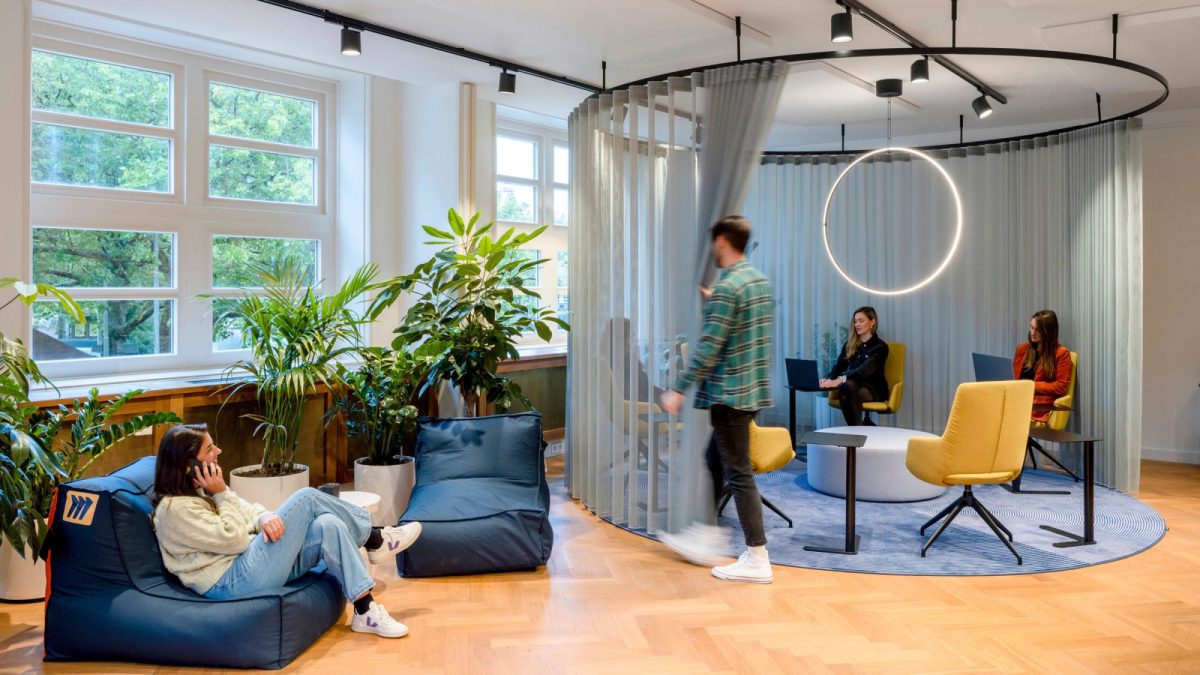
Choice over uniformity, with a wider mix of settings that support different workstyles, activities and personalities.
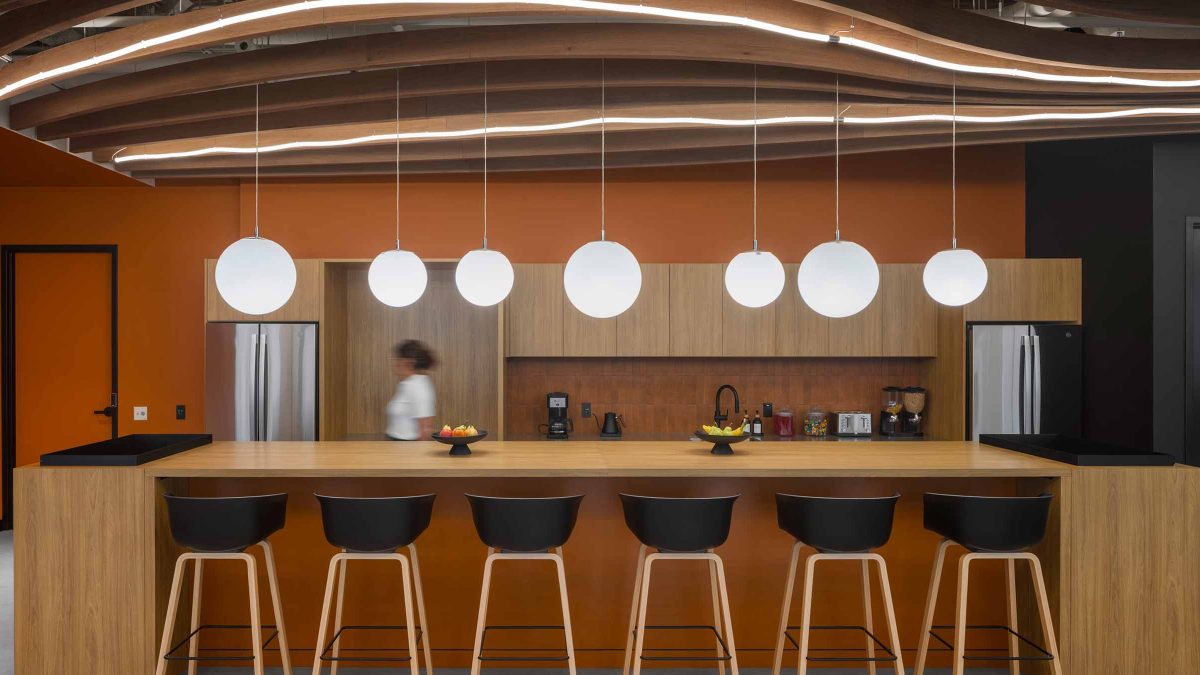
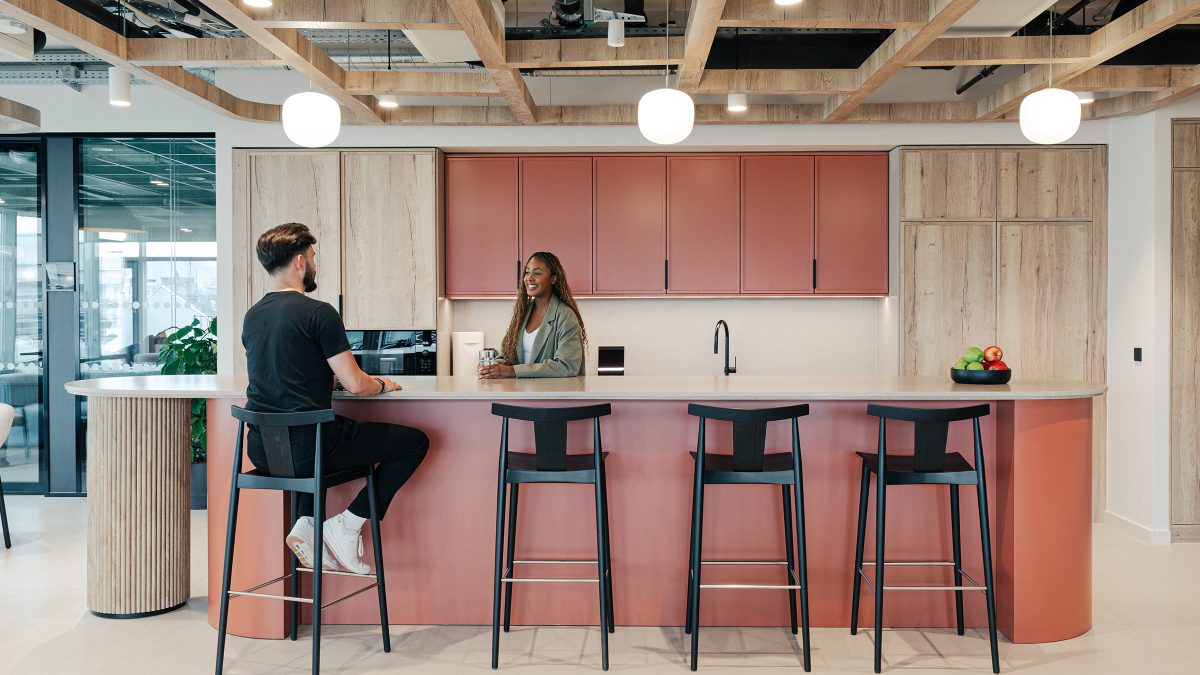
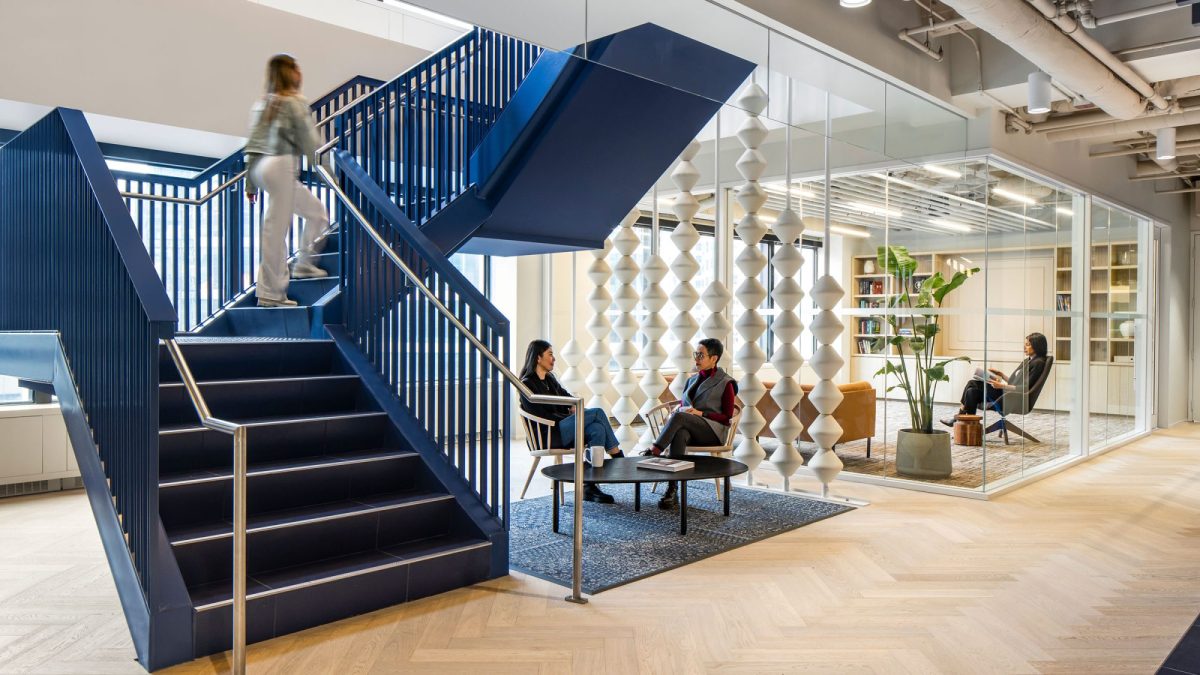
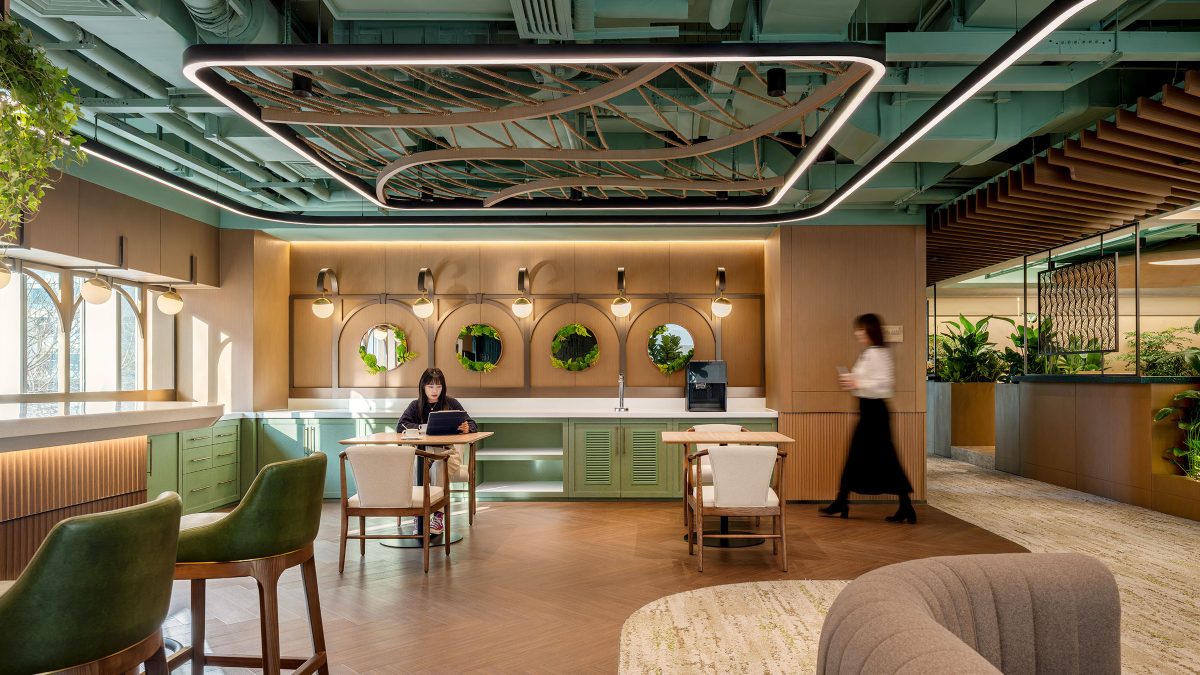
Character over standardisation, using richer materials, varied textures and more residential/hospitality influences to create warmth and comfort.
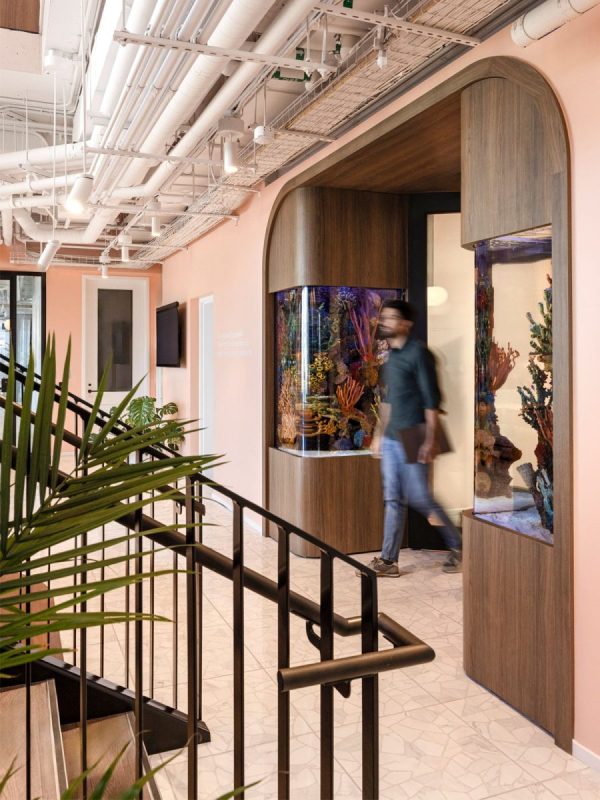
A stronger sense of place, where local culture, bespoke artwork and brand are thoughtfully integrated into the experience.
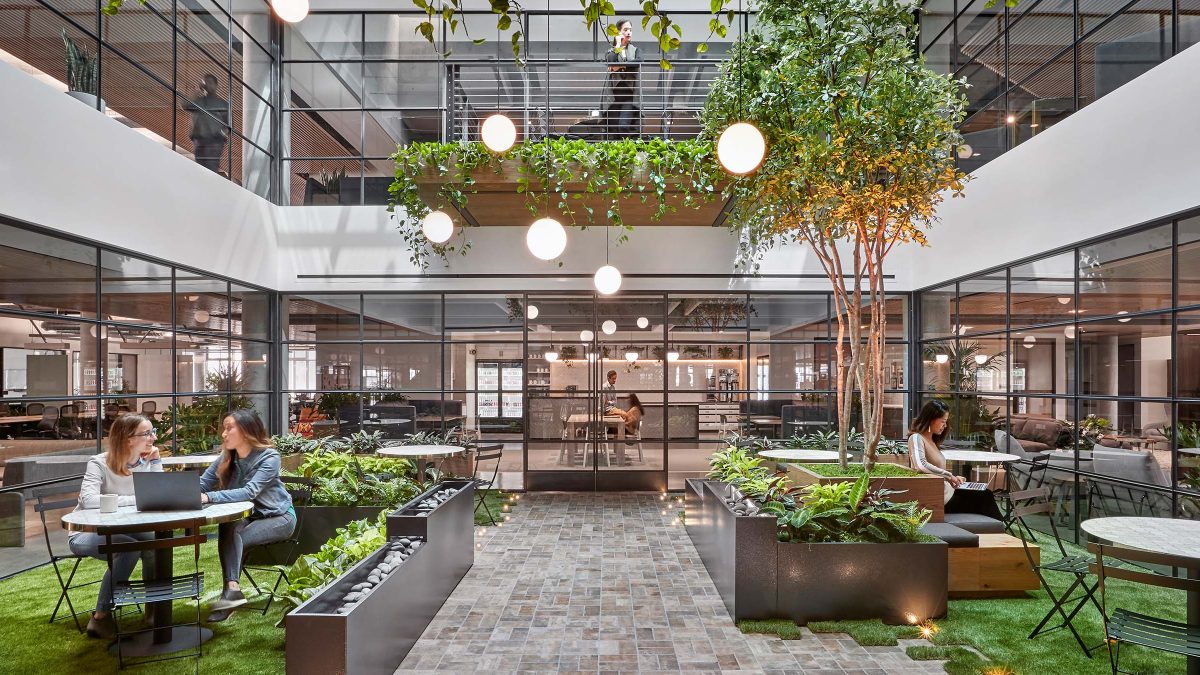
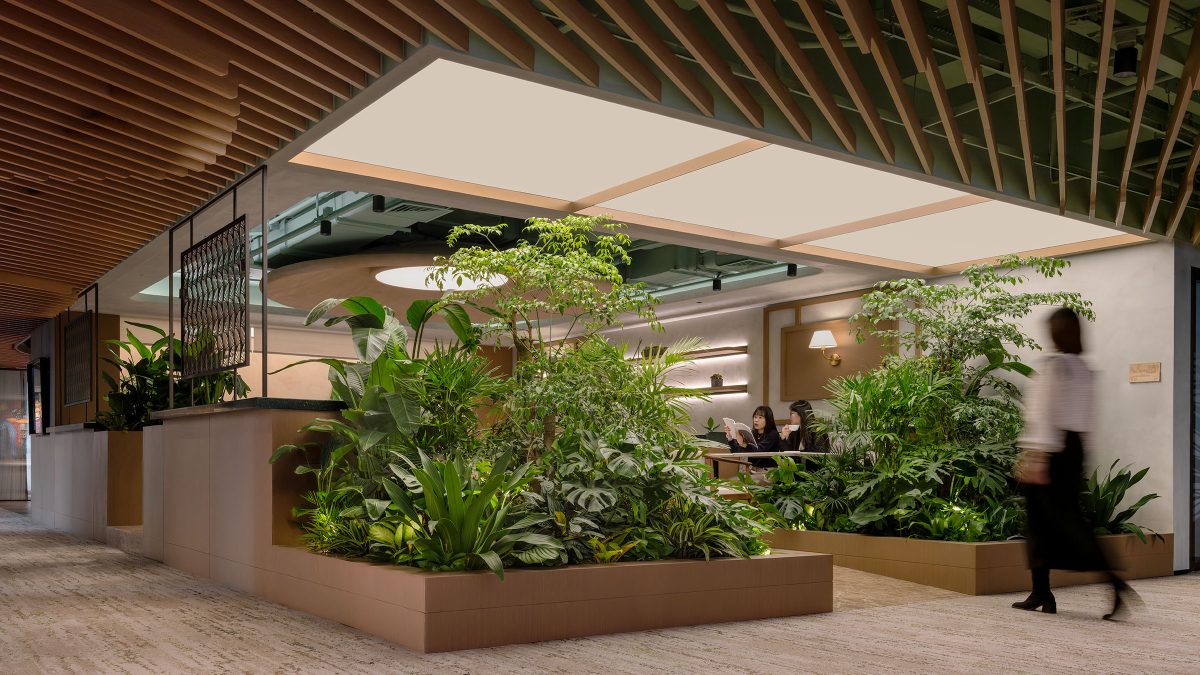
Connection to nature, through biophilic design, natural light, planting and outdoor spaces that improve wellbeing and create moments of respite.
Purposeful environments, where every setting is designed to support a specific activity, from focused work and mentoring to workshops, innovation and social connection.
Flexibility by design, with spaces that can evolve alongside changing teams, technologies and business priorities without requiring major reinvestment.
People still want comfort, but they also want environments that feel authentic, intentional and connected to the organisation they’re part
Q: Brand seems to play a much bigger role in tech workplaces now. Do you agree?
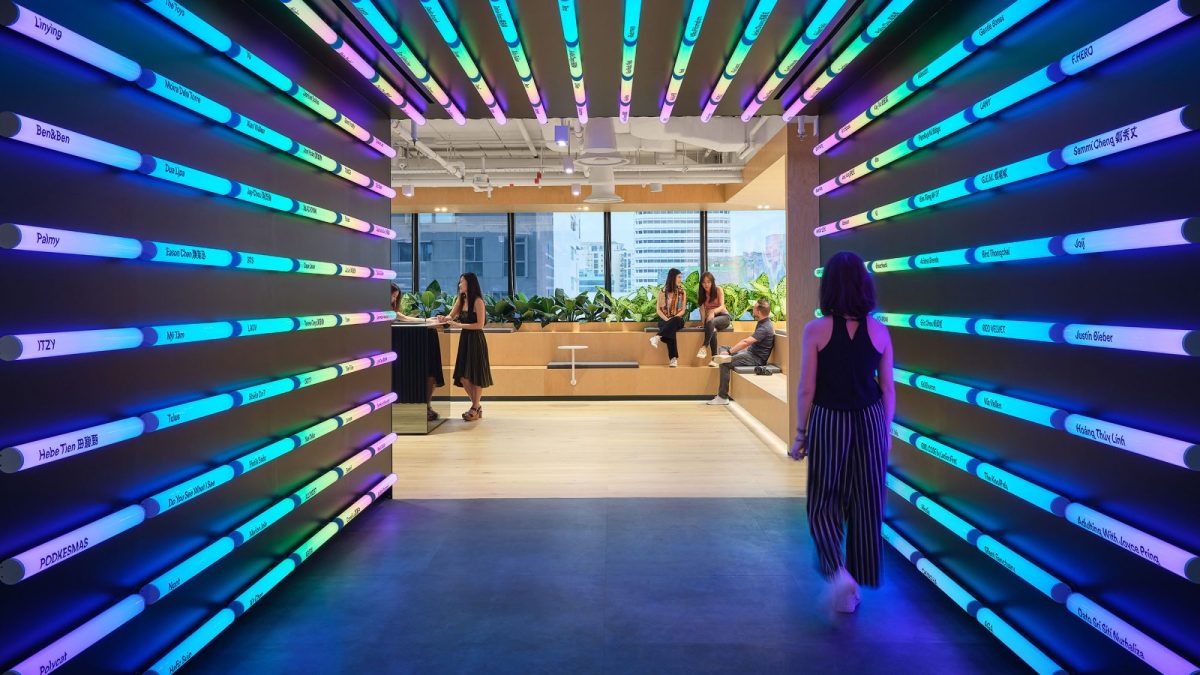
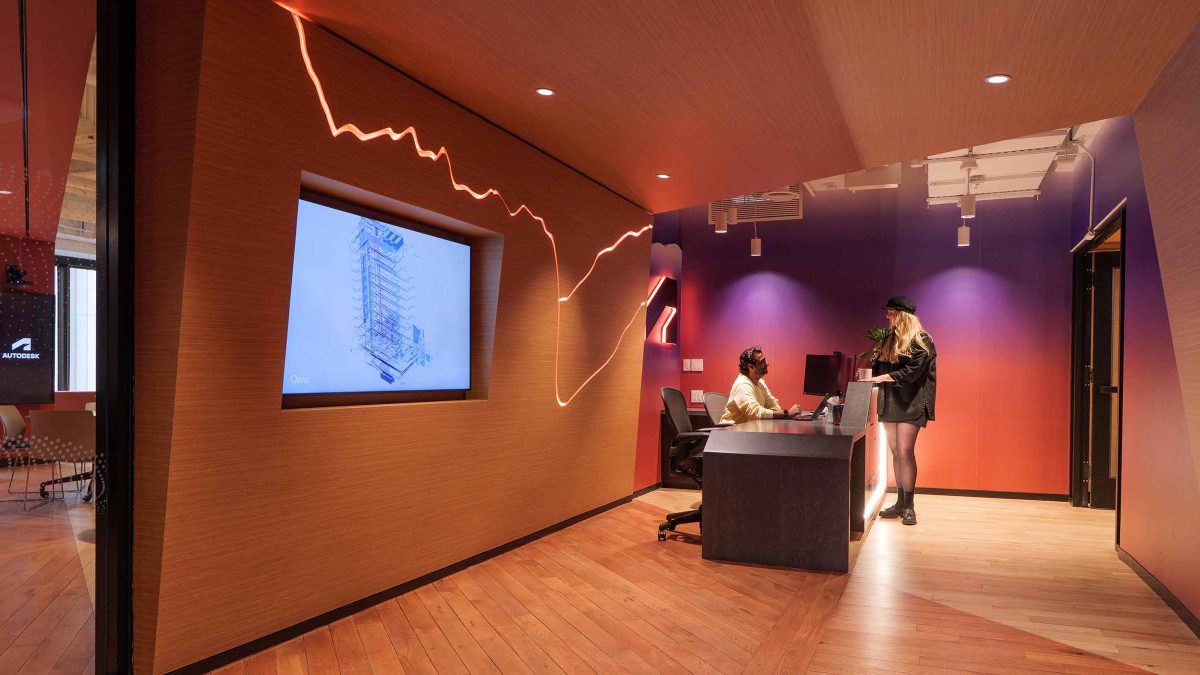
A: Absolutely. Brand isn’t something you apply at the end of a project anymore; it’s something people experience from the moment they arrive. It goes far beyond graphics on the wall. Every decision, from materials and lighting to artwork, furniture, technology and hospitality, contributes to how people experience the organisation.
The best tech workplaces weave brand into every touchpoint. They combine digital and physical experiences to create spaces that feel authentic, immersive and unmistakably connected to the company’s culture, product and purpose.
When you walk into these workplaces, you feel the brand.
Q: What do AI-driven and advanced tech firms need that others don’t?
A: Their workplaces need to support innovation in real time because often they’re designing with partners, clients, investors and start-ups who are all part of the innovation ecosystem.
That means creating highly adaptable, technology-enabled environments that can evolve as quickly as the business itself, including:
Co-development spaces where teams, clients and partners can prototype, test and build together.
Flexible event environments that can host product launches, demonstrations, workshops and all-hands gatherings.
Technology-enabled, data-driven workplaces, using sensors, smart building systems and digital twins to measure how spaces are performing and continuously inform future real estate decisions.
The most advanced tech workplaces are designed for what’s next. They’re built to accommodate functions the business hasn’t even imagined yet, giving organisations the flexibility to innovate without rebuilding every time priorities change.
Q: You’ve talked about time horizons being different in tech. Why does that matter?
A: Tech companies operate in much shorter planning cycles than most industries. Rather than assuming today’s business will look the same in five years, they expect products, teams, and priorities to evolve continuously, so they make decisions that preserve flexibility rather than permanence. They plan for adaptability through a simple approach:
That mindset directly influences how we design their workplaces. We build flexibility into the workplace from the beginning because change is an expectation. Spaces need to adapt alongside the business without requiring major reinvestment every time priorities shift.
Tech creates its future rather than waiting for it. We help organisations match that pace through integrated teams, faster decision-making and workplaces designed to evolve just as quickly as the businesses they support.
Q: How are you delivering workplaces that withstand change?
A: I actually think the better question is: how do we design workplaces that improve through change, rather than simply withstand it?
Technology companies expect change and AI is accelerating everything from product development to organisational strategy, so the workplace can’t be designed around a fixed point in time. It has to be designed to evolve.
That’s a mindset the tech sector has embraced for years. Long before hybrid work or agility became mainstream, tech companies were already testing new workplace models, learning from them and refining them. They don’t wait for perfect information, they assess the opportunity, make a decision, measure the impact and evolve again.
We saw that during the pandemic. While many organisations paused, tech companies moved. They experimented, adapted and have continued refining their workplace strategies ever since. That’s one of the reasons many have found the return to office less disruptive, because they’ve already been through multiple iterations and understand that workplace strategy is never finished.
At M Moser, we adopted that same approach years ago. Through our living labs and integrated design and delivery model, we continuously test ideas, learn from outcomes and design workplaces that can adapt alongside the organisations they support.
Q: Are global workplace standards still relevant in that environment?
A: I’d probably avoid calling them standards. We think of them more as evolving workplace guidelines that establish a consistent foundation while allowing every office to respond to its people, culture and location.
The most successful global portfolios strike a balance between consistency and flexibility. They define the workplace ecosystem rather than prescribe every design decision, including:
Consistent planning principles, such as space allocation, workplace settings and the balance between individual and collaborative work.
Regional expression, allowing each workplace to reflect its local culture, people and identity rather than feeling like a copy-and-paste of another office.
Local sourcing and craftsmanship, using regional materials, artists and suppliers to create more authentic workplaces while supporting local economies.
Continuous evolution, using feedback and workplace performance data to refine the guidelines over time as business needs change.
Every workplace becomes part of a larger learning system. One project informs the next, allowing the portfolio to become smarter, more relevant and better connected over time.
Q: Any final thoughts on what will define the next wave of workplaces for the tech sector?
A: The tech workplace has never stood still, and neither should the strategies that shape it. The organisations that succeed will continue to see the workplace as a living ecosystem that evolves alongside the business. I believe the next generation of tech workplaces will be defined by:
Tech-enabled environments, where workplace data, smart buildings and digital tools continuously improve the employee experience and inform better decisions.
Co-development ecosystems, bringing together employees, clients, partners and start-ups to accelerate innovation.
Experience-first destinations, where hospitality, wellbeing, food and beverage, outdoor spaces and amenities create compelling reasons for people to come together.
Flexibility by design, supporting hybrid work while allowing spaces to adapt as teams, products and priorities evolve.
Purpose-driven workplaces, where every space is intentionally designed to strengthen culture, collaboration, learning and innovation.
The workplace will continue to be one of technology companies’ greatest competitive advantages. The question is no longer whether it will change, but how quickly organisations are prepared to evolve with it.
Is your workplace designed for the pace at which your business now operates?
Discover how leading technology companies create workplaces that learn, adapt and evolve alongside the business. Explore our Tech workplace playbook for practical strategies to build environments designed for continuous change.
Director