
During Clerkenwell Design Week, Gurvinder Khurana and Kim Morgan explored the influence of Neuroaesthetics on workplace design in London and beyond. Their conversation focused on creating spaces that adapt to every individual’s emotional, sensory and cognitive needs, while supporting productivity, wellbeing and a sense of belonging. As a workplace design company in London, this people-first approach sits at the heart of how we plan, design and deliver spaces.
“Neuroaesthetics explores the neural basis of aesthetic experiences by examining how the brain processes and responds to beauty, artistic judgement and creativity,” says Semir Zeki, Professor of neuroscience at University College London.
As a workplace design company in London, we view Neuroaesthetics as:
Neuroaesthetics is gaining momentum as awareness of neurodiversity in workplace design and sensory experience grows across London’s business community.
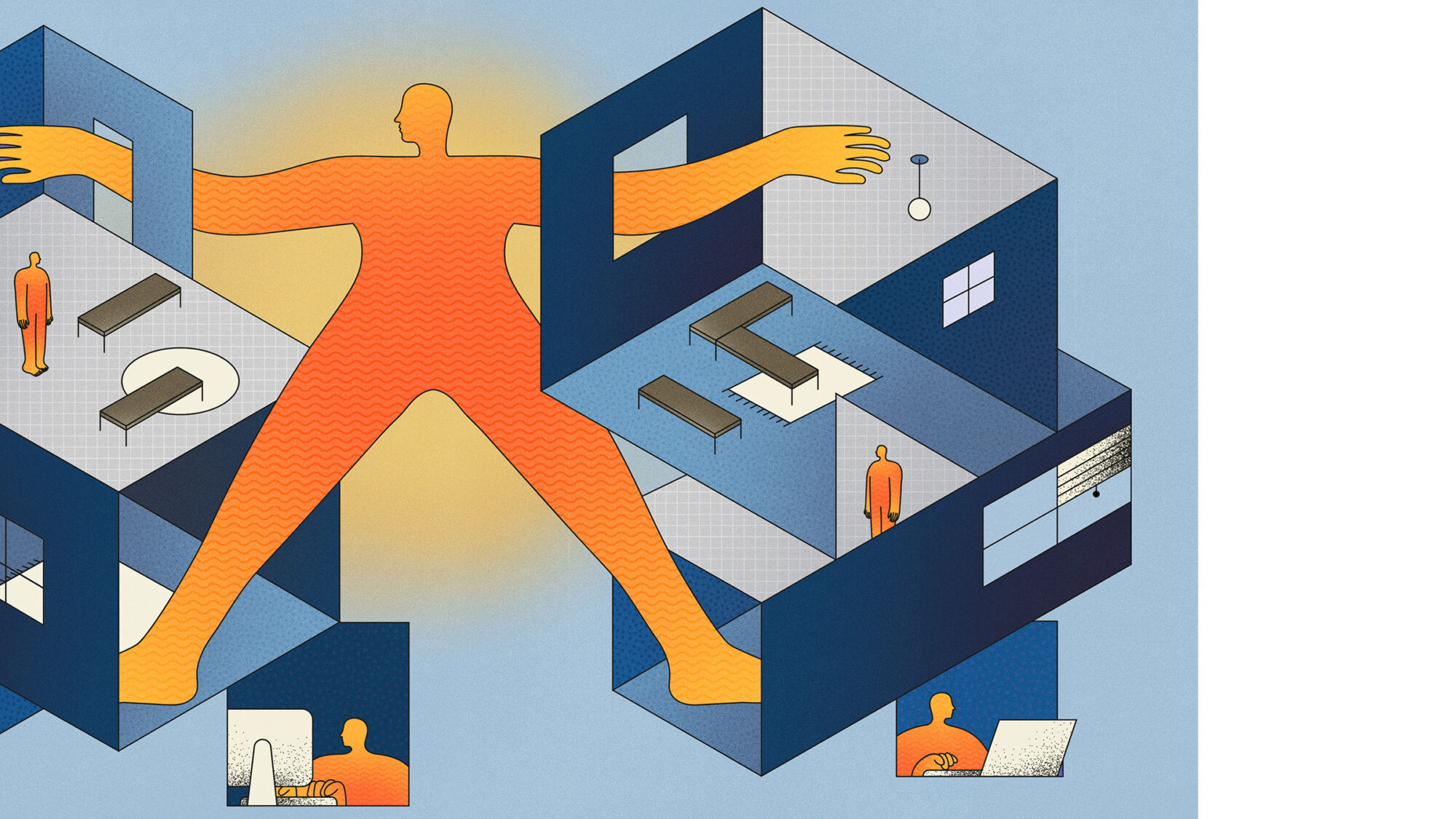
Supporting neurodiversity in workplace design means recognising that people experience space in deeply personal ways. As Gurvinder noted, “The beauty of being human is that we are all different”. Needs change throughout the day. Neuroaesthetic design helps people find the environment that fits the moment, whether they need calm focus or dynamic collaboration.

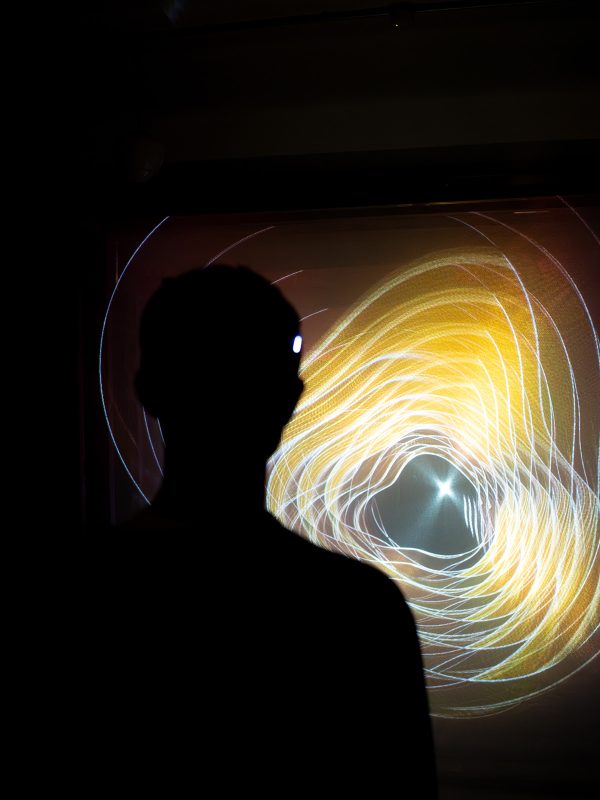
To bring this to life, our London team created Resonance, an audiovisual installation for London Design Festival. Using EEG headsets, we captured brain activity under identical conditions, then translated it into colourful data visualisations. The varied outputs underlined a simple truth at the core of Neuroaesthetics: we all process environments differently and those differences deserve to be designed for.

Why does this matter in office interior design? Inclusive design standards help ensure spaces work for everyone, especially when considering neurodiversity in workplace design. Thoughtful office interior design balances stimulation and control, offering meaningful choice. The business case is clear: inclusive, diverse teams innovate, perform and feel better supported. For our clients, that translates into higher engagement and stronger culture.
As a workplace design company in London, we design with empathy, evidence and measurable outcomes. Inclusive design standards are an essential foundation, not a nice-to-have.


So, how do you bring neuroaesthetic design into a space? Our London strategists and designers use a flexible set of principles that can be tuned by context:
These include:
Designers may apply these instinctively. Articulating them helps teams educate stakeholders and demonstrate value from briefing through to post occupancy.
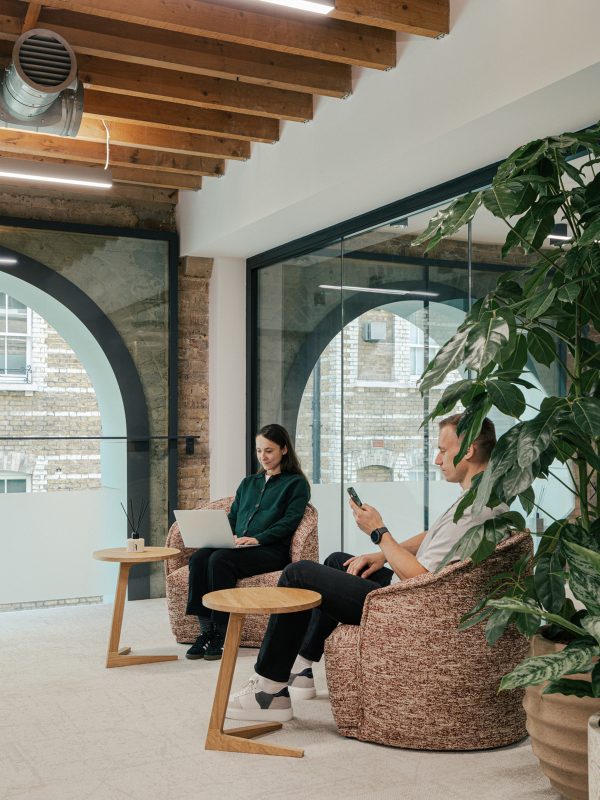
Real examples help bring these ideas to life. We worked with a global financial firm to deliver a calm and neutral space for a team that requires minimal sensory distraction. Using daylight modelling, we optimised natural light penetration deep into the floorplate. Reflective surfaces, gentle curves and earthy tones help reduce visual clutter and support focus.
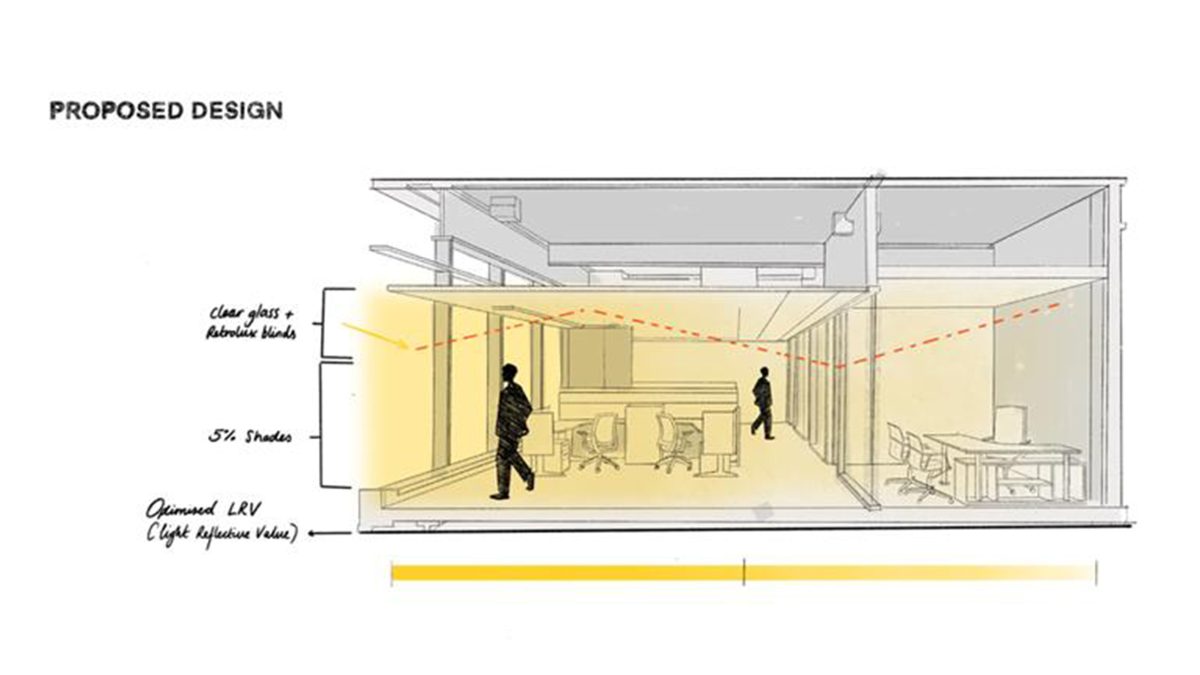 Using daylight modelling to inform the design ensures maximum natural light and wellbeing benefits, whilst minimising glare and overheating.
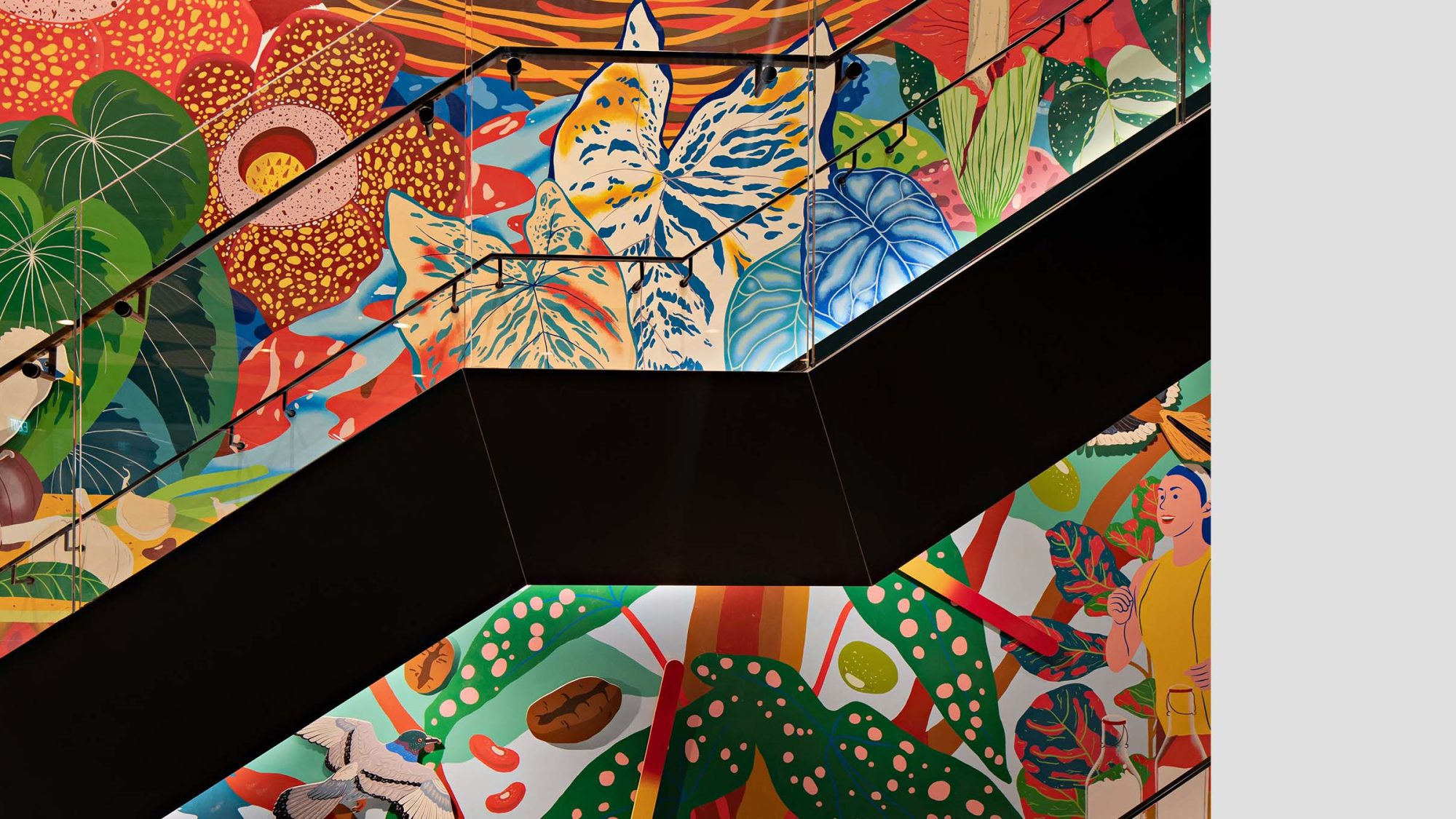
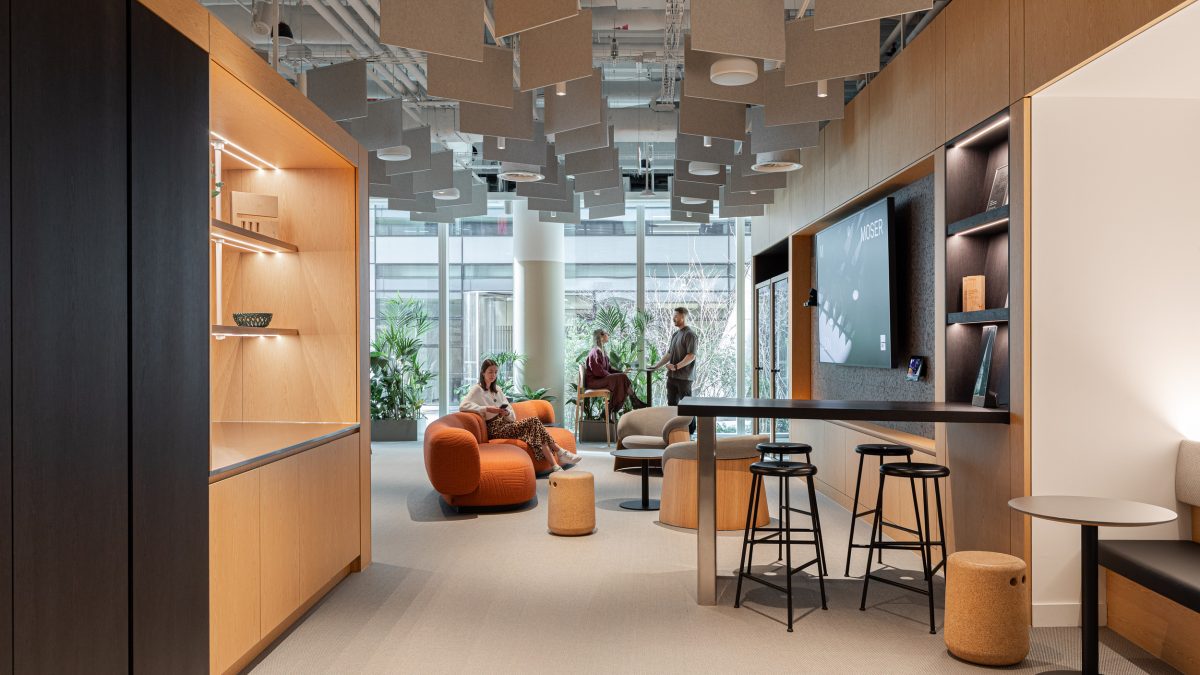
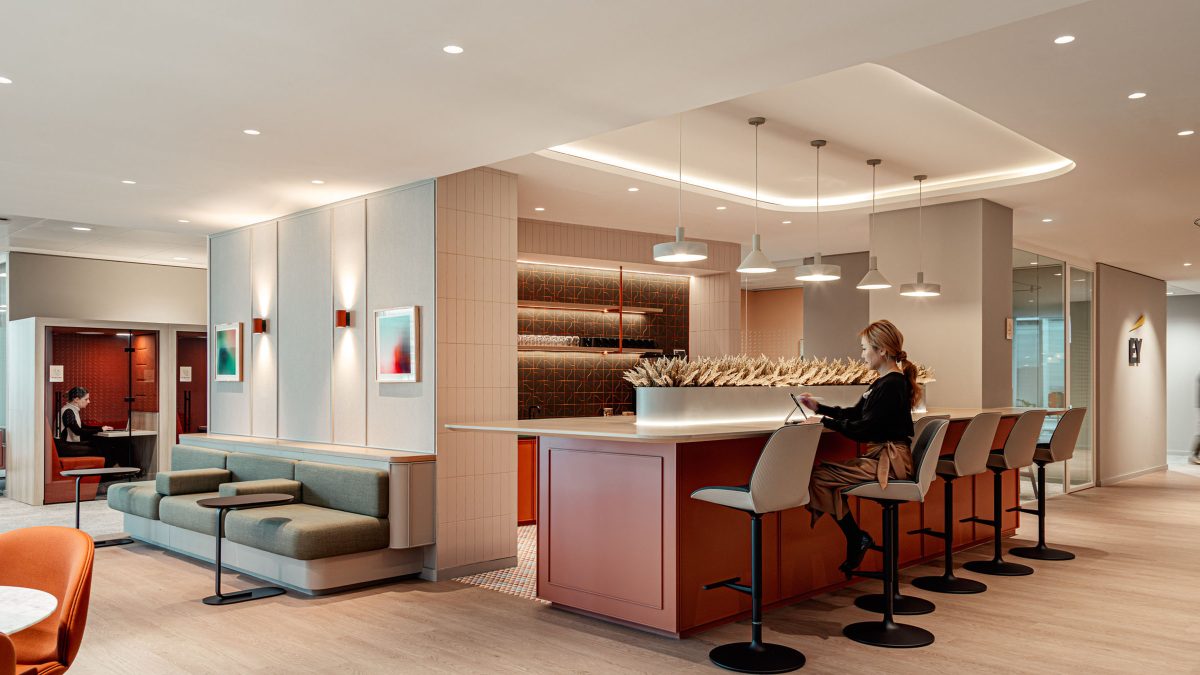
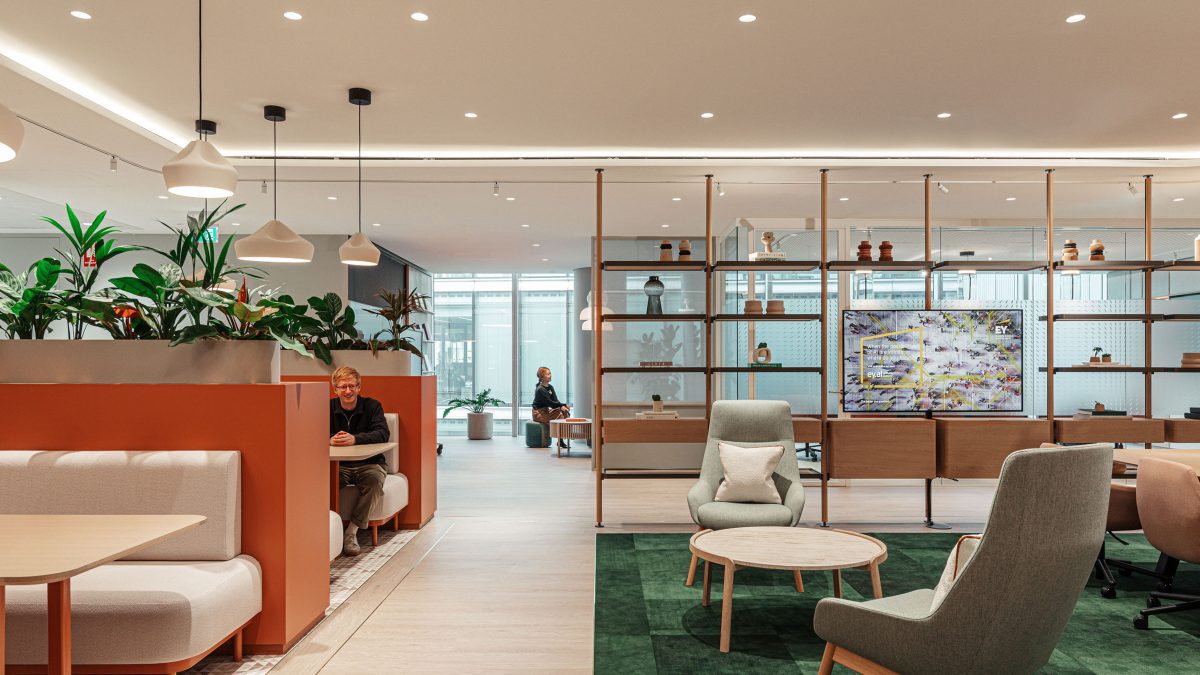
 By contrast, the design for EY’s London office channels hospitality, colour and texture. Creating a welcoming, inclusive office with multifunctional areas that maximise space and elevate the guest journey. The result is a workplace tuned to comfort, interaction and flexibility.
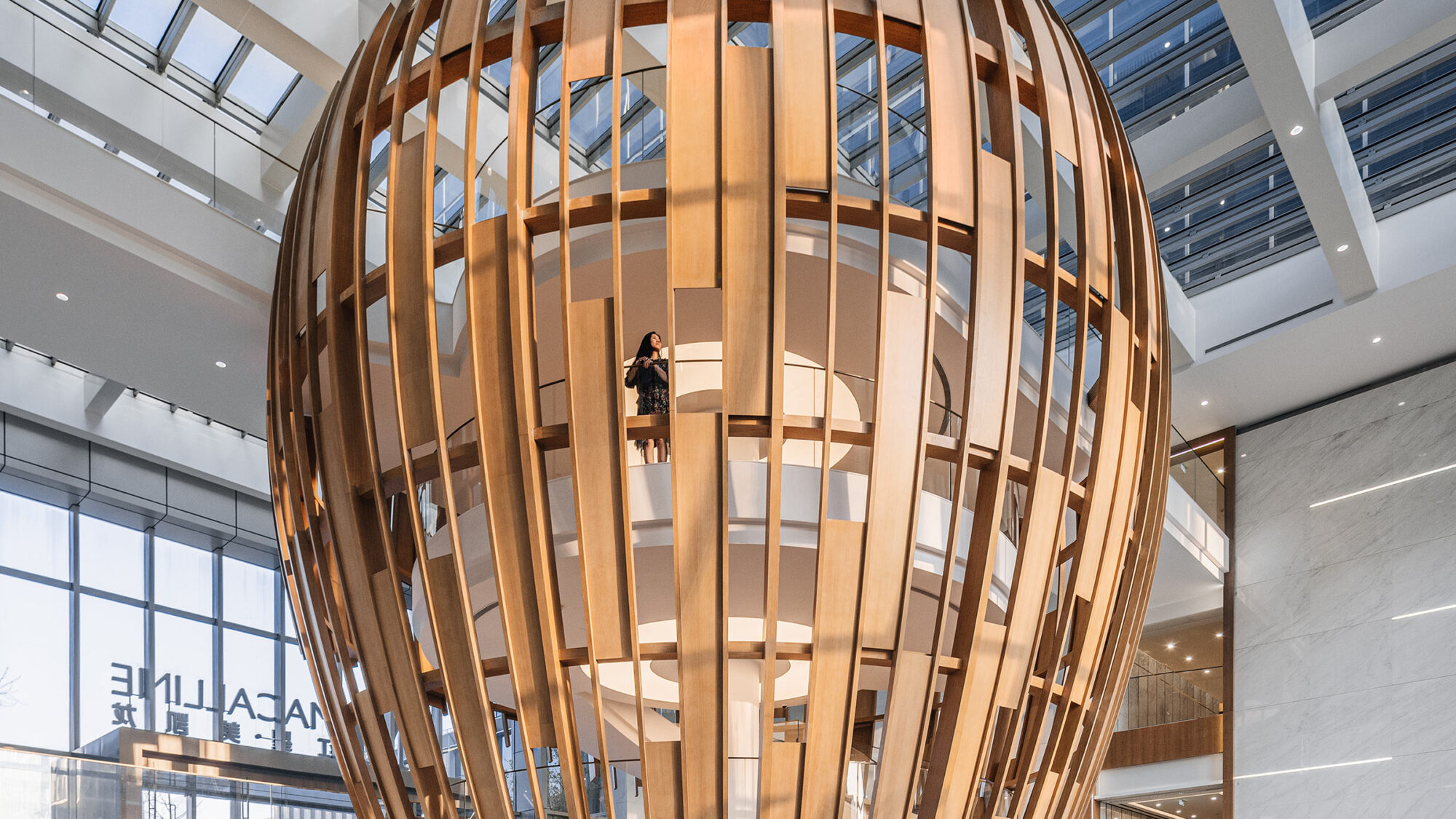
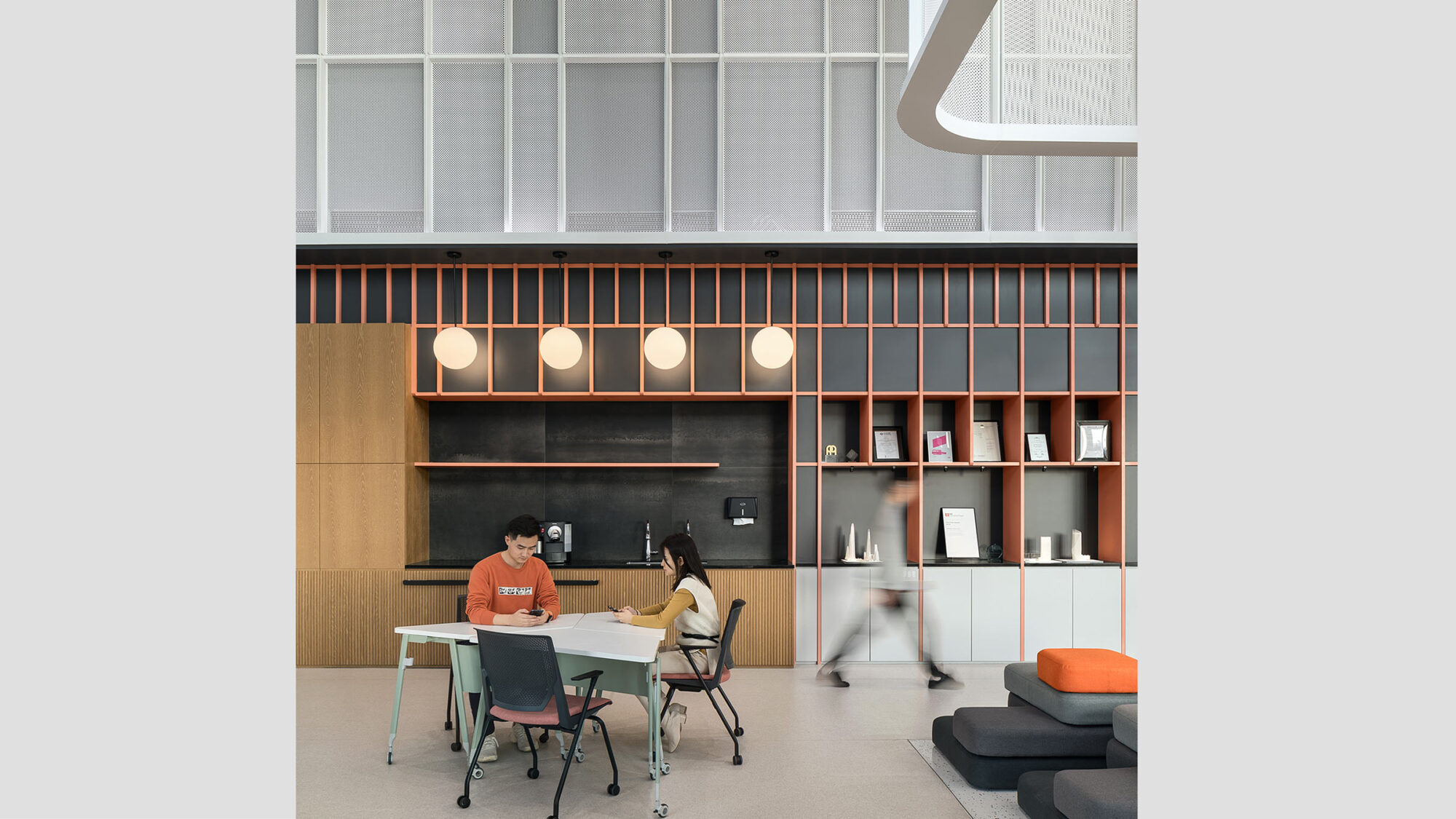
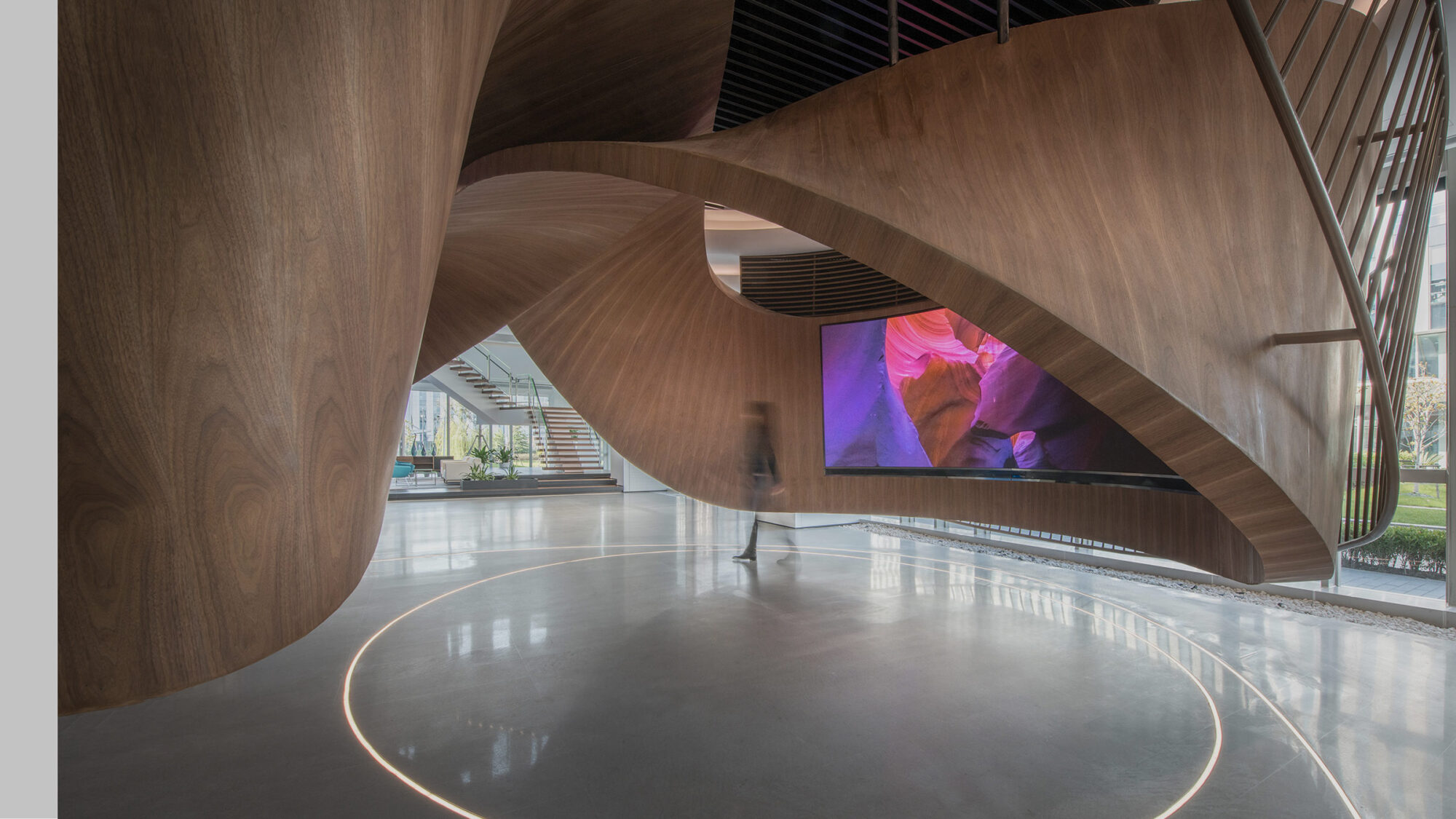
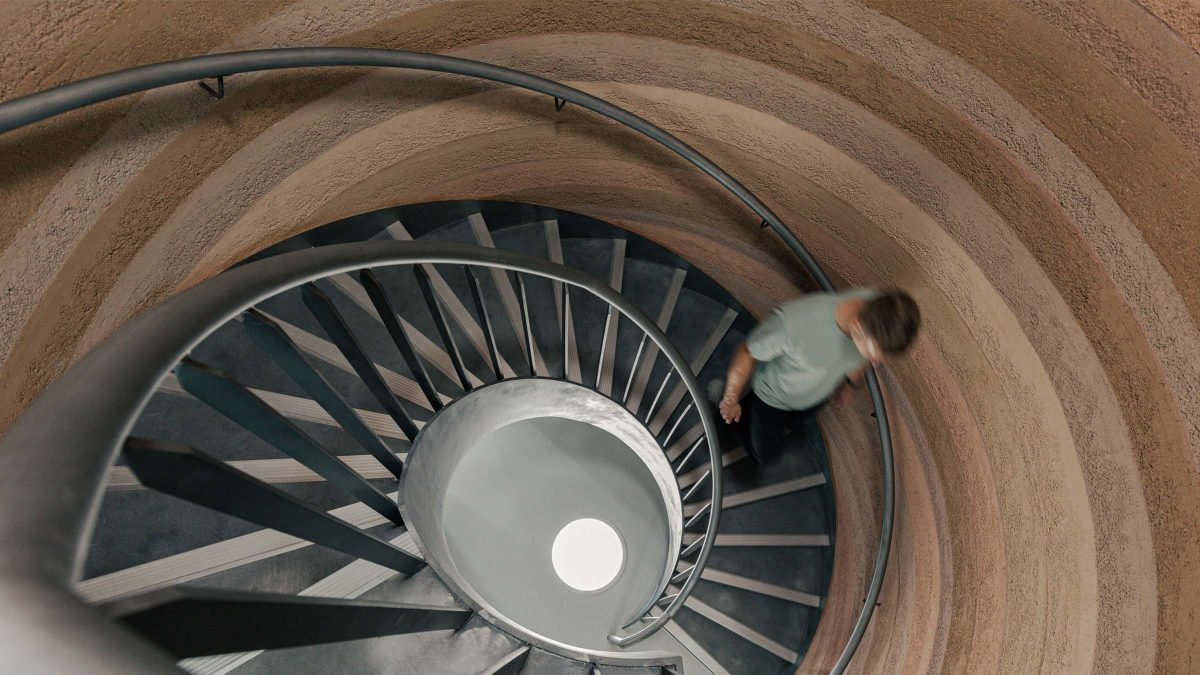
For On’s new 25,000 sq ft HQ in London, we created an inspiring, high-performance environment that blends precision with natural materials. The office design layout encourages movement, with collaborative zones and a central tea point that brings people together. Material innovation and a sculptural staircase offer moments of brand storytelling.
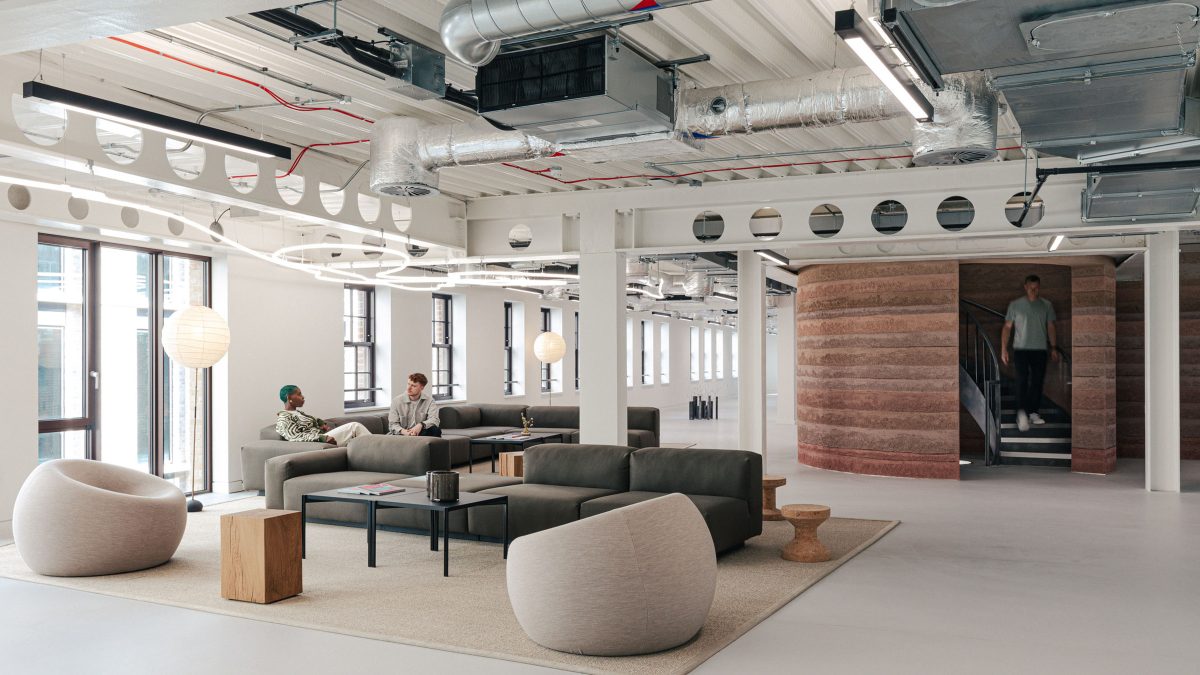
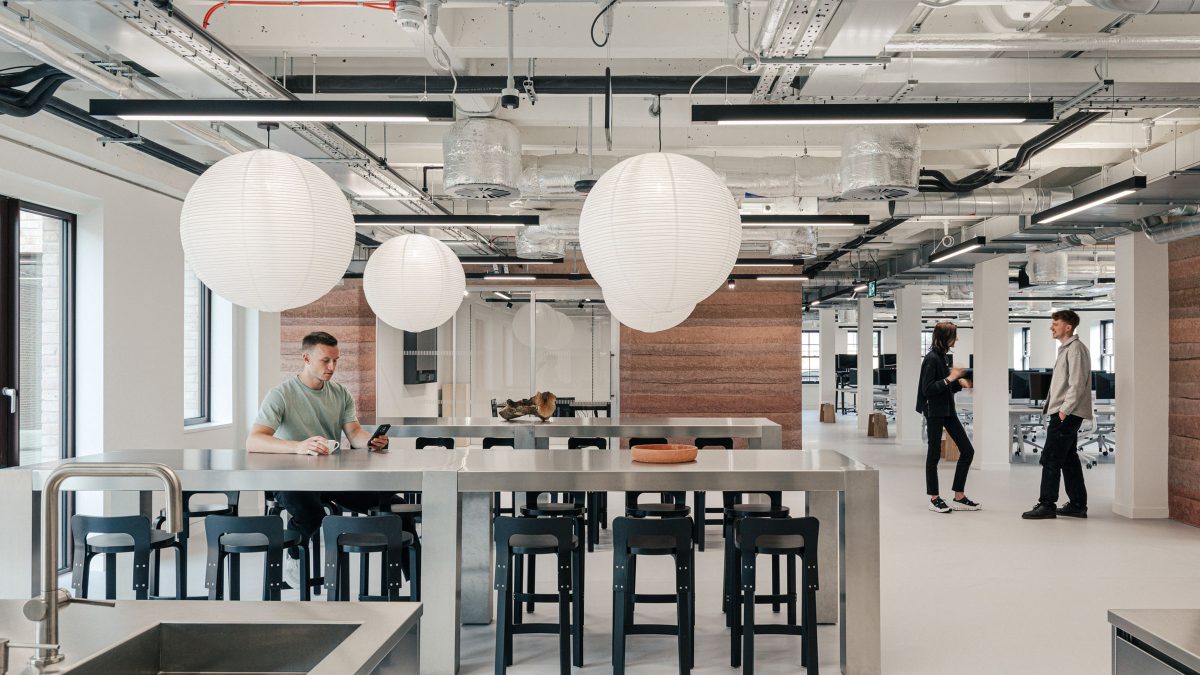
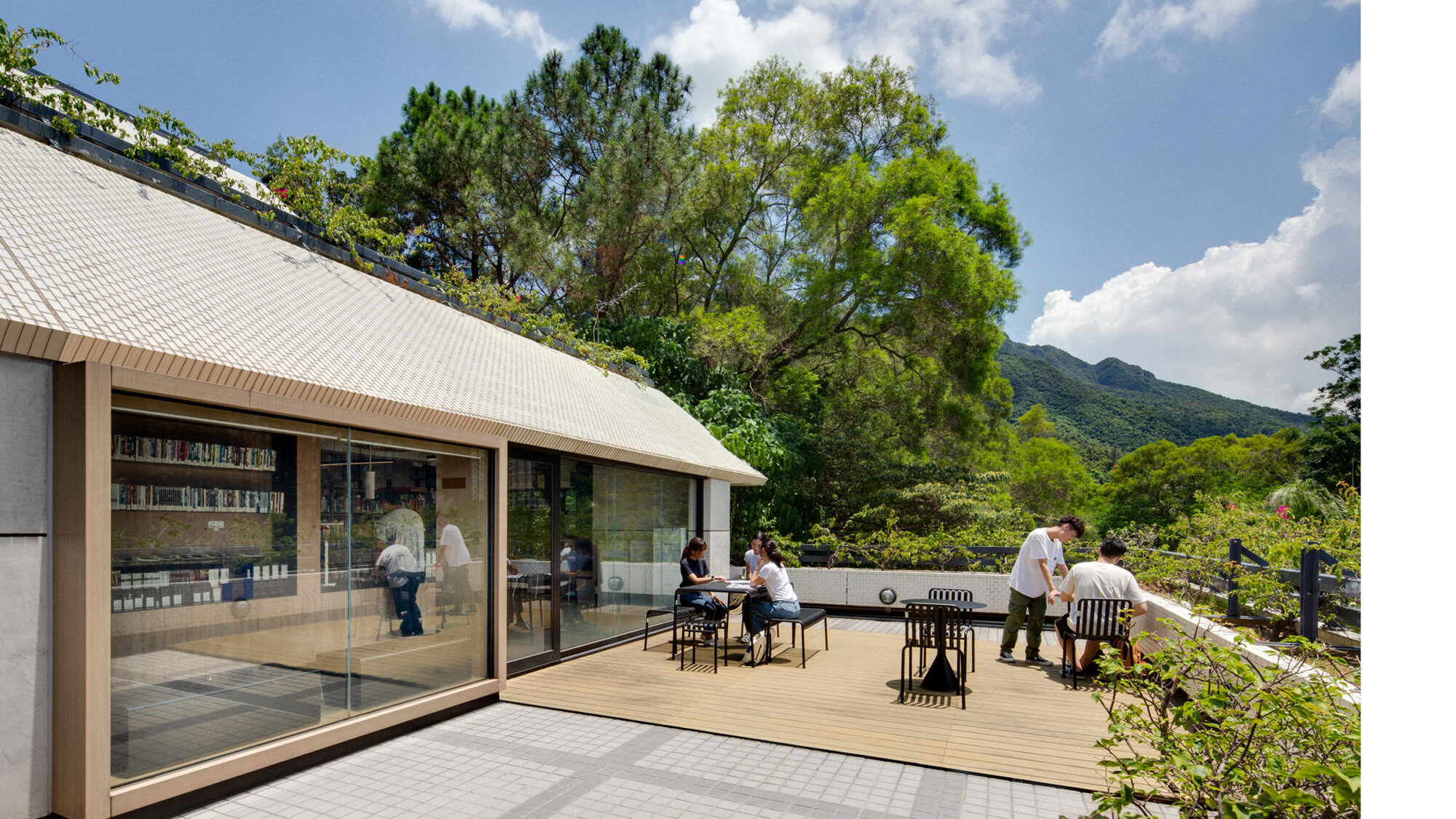
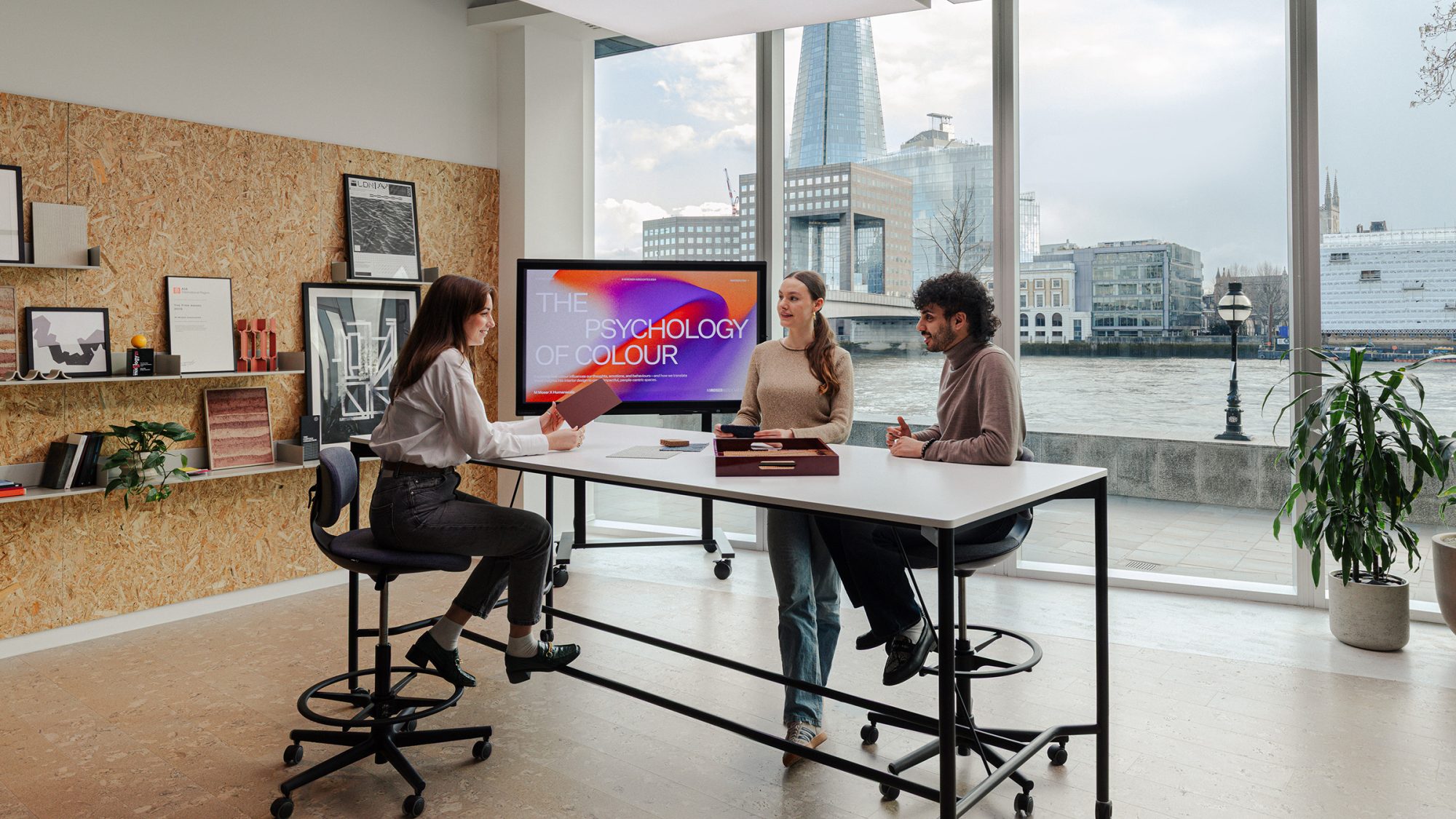
Our London living lab is situated on the banks of the River Thames. The office design layout positions meeting rooms centrally, with desks and a library at the perimeter to maximise natural light and views. Materials like cork add tactile warmth and support sustainability goals. Daylight modelling helps reduce glare and overheating so people can focus.
Post occupancy insights demonstrate effectiveness and collaboration. The space is a practical demonstration of neuroaesthetic design supporting everyday performance.


From daylight modelling to multi-functional spaces with controllable settings, neuroaesthetics is moving from experimental to essential. As technologies evolve and data becomes richer, neuroaesthetic design will let London workplaces respond more precisely to how people think, feel and function. Our London projects already show how tuning light, sound, materiality and choice supports comfort, productivity and a stronger sense of belonging.
Contact us to explore workplace design in London that uses neuroaesthetics to meet your people’s needs.
Director
Associate Director, Sustainability